

This is the way 🍍🍕

This time period feels so unreal
https://video.nostr.build/99712b543135c07b9a8d229f81b99320535698b0e885975beec7d2d54328cbab.mp4

Never haha, they'd probably explode.
NAZIS!!!! NAZIS EVERYWHERE!!!
Meanwhile its just a bunch of people chilling out, complaining about the Buzzbot, living life.
Bluesky, a "decentralized" protocol/platform somehow goes down.
Meanwhile on Nostr, the devs nuke their own relays for the lulz and the thing just stays running.
I started watching 2001: A Space Odyssey last night. I haven't watched this movie in probably 20 years.
My first thought was, "Man, I really did a disservice to myself watching this on such a small TV years ago."
My second thought was about pacing. If you go back and read a book from the 1800's, its certainly readable, but the phrasing, word choice, and sentence structure feels unnatural. I'm pretty sure as attention spans get shorter and shorter, this film is going to feel more unnatural to people as time goes on because of the pacing. This isn't a criticism, just a thought on our attention spans and movie pacing.

Its part of his new "Dark Pentad"
- narcissism
- psychopathy
- machiavellianism
- sadism
- phone user


This has to be the most requested feature right?
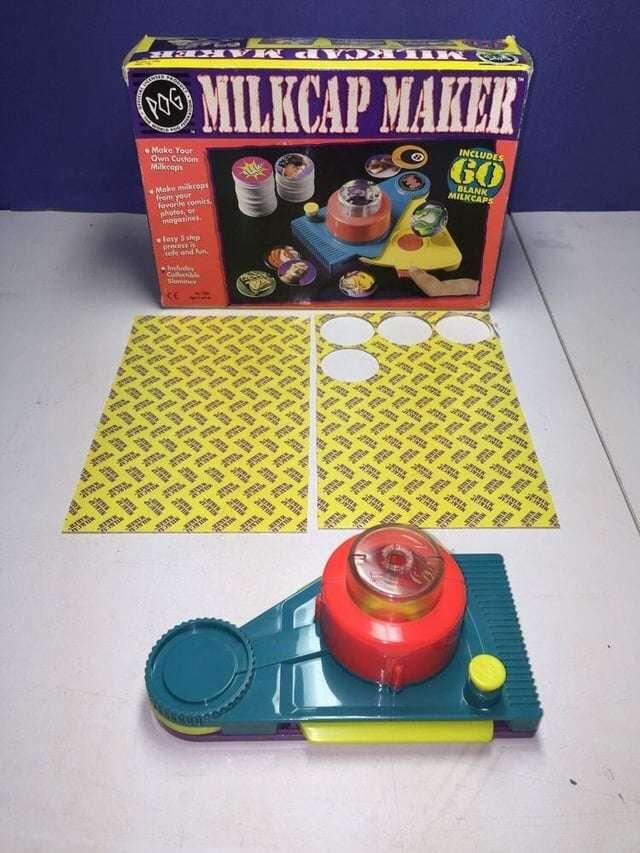
If I was making a Top 10 List of Regrets, turning my Nintendo Power magazines into Pogs might make the cut.
(I'm aware this might be the most 90's comment on Nostr)

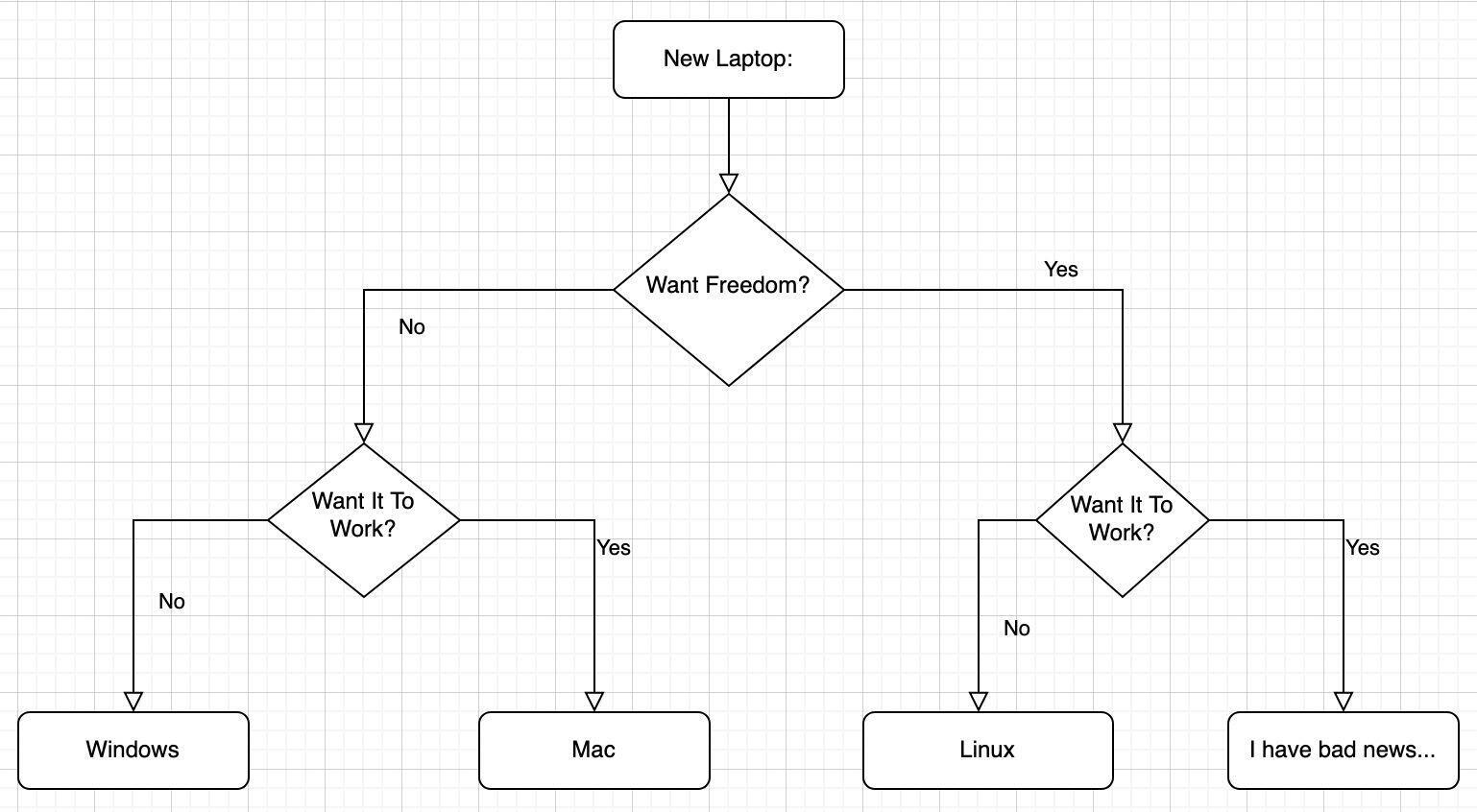
One of my computers has Windows, the other has PopOS. In time, I will ruin both. This is accurate.

Will have to listen to this one tomorrow!


I'm indifferent on Grok as a feature - its AI, it'll do - I just like the name. Rolls off the tongue.
Any time my wife has any issue with her phone, and I mean any, I really struggle with the situation. The "how?" and "why?" phase of troubleshooting really takes some turns...

It got played today! Scratch and Security are blind spots for me. I've listened to Melt and So a bazillion times.
A question that haunts me...

What a show! Thanks to my #nostrich family for all the support
The Coastal Underground airs every Tuesday from 4-6pm* Pacific time on humboldthotair.org
*Set an alarm or something ⏰️
Tonight I played an original song by nostr:nprofile1qqsdngef474mycag4usksw8tghslqnxrqqrsg3jfglztjplphm6cp4cpzemhxue69uhhyetvv9ujuurjd9kkzmpwdejhgqgnwaehxw309ahkvenrdpskjm3wwp6kytcppemhxue69uhkummn9ekx7mp0tae5g5. 🎶 🎵
I also played a track suggested by nostr:nprofile1qqsykmexr2m8rphr59npqv5nu660g54n0n2y92zfle6hjafgzlzsx0spz4mhxue69uhhyetvv9ujuerpd46hxtnfduhsz8thwden5te0dehhxarj9e3xjarrda5kuetj9eek7cmfv9kz7qg7waehxw309ahx7um5wgkhqatz9emk2mrvdaexgetj9ehx2ap0g2uqau
I even gave a shout out to nostr:nprofile1qqsda2memtapc2lykjnd8t9px4ake2stw39lg6k49xj6u3jz3pteu6qpz9mhxue69uhkummnw3ezuamfdejj7qgmwaehxw309amk7apwv3hhwmnfwdhkuargv46hqtnrvyhsz9thwden5te0wfjkccte9ejxzmt4wvhxjme0qydk9r and his pug!
LFG! 🤘
If you missed the show, you can still catch it here:
https://spinitron.com/Humboldt-Hot-Air/pl/20549850/The-Coastal-Underground
I'm glad you post these. I've been on a Peter Gabriel kick since your show, but I couldn't remember which album the song you played was from. Definitely helpful.

I've been thinking about paring down too. The market is insane, and once you have flash carts it kills any urge to collect.
I go back and forth between wanting a pure Nostr experience (no bridges) and then wanting everything in one spot (bridges).
I apologize to everyone the Fediverse as I work through this indecision...

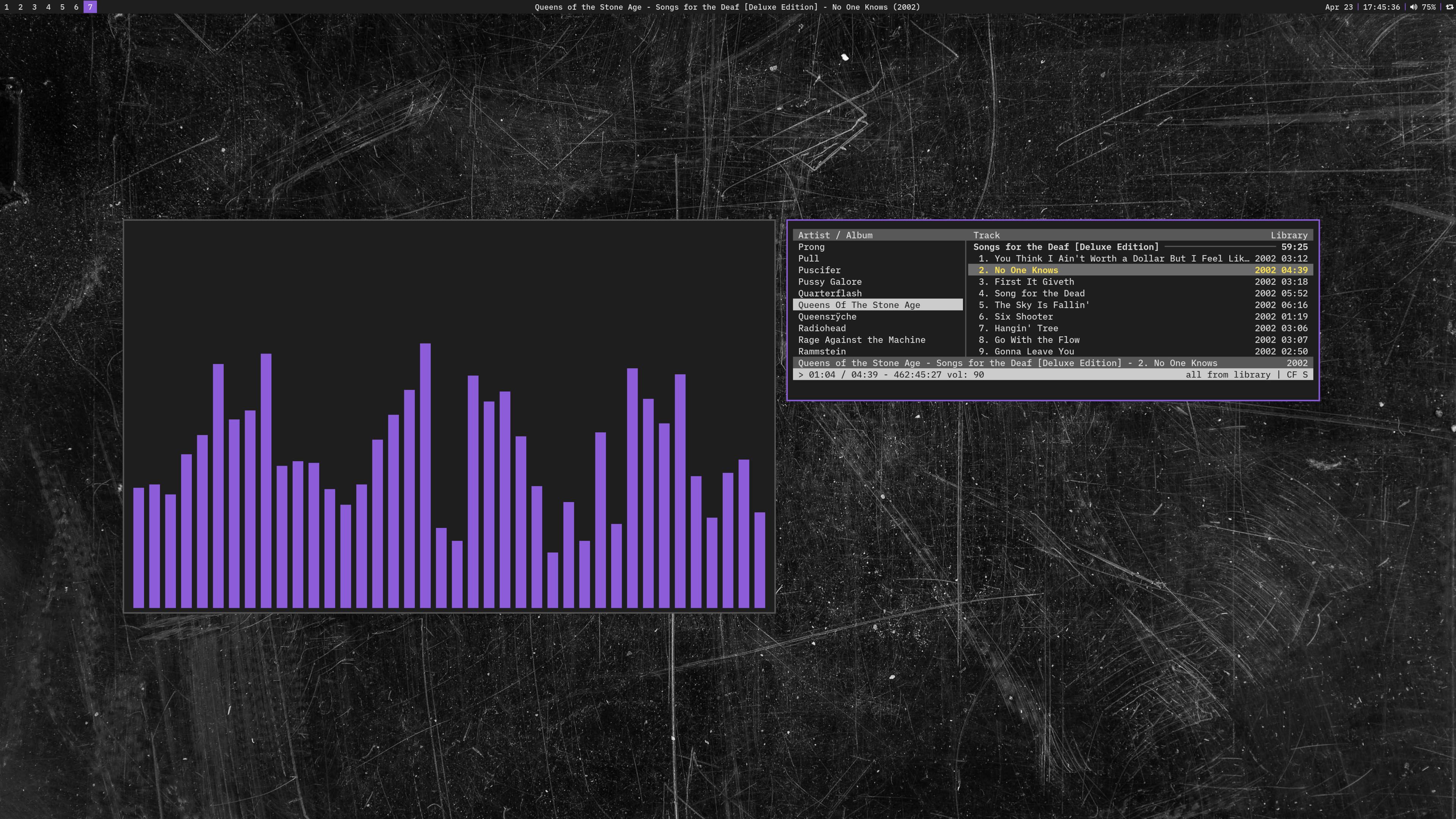

I get you there, I wish there was a way to categorize posts
Its Nostr, if you unfollow they'll never know, and if they somehow do find out, just blame it on the client. You can't lose.
Stay alert!
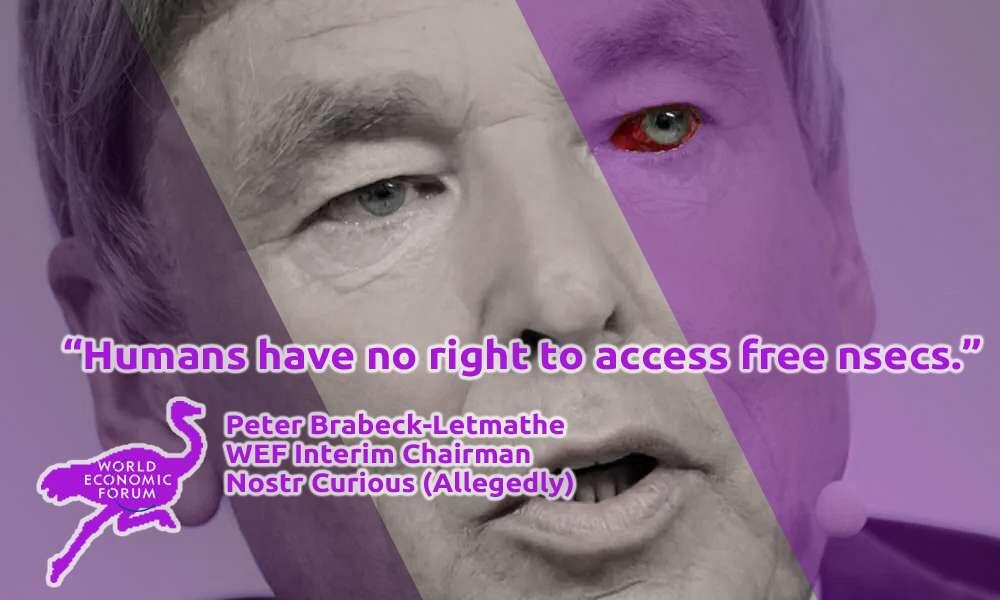

I like this one a lot. Posting for future reference.