

Thank you very much! Our idea was to stay a week at the beach somewhere and then travel around.
Flight prices seem best if we go from and to the same destination (either Auckland or Christchurch).
I‘m undecided whether the southern beaches are „bathable“.
I think about searching a house here: https://www.holidayhouses.co.nz/
RVs seem quite expensive. What‘s a reasonable price? How to find a good deal? Do you know a platform?
The hikes you mention are probably too long for my 6 and 3.5 year old. But I know that you‘ve got a lot of very small beautiful ones, like in the Kauri forests, or in the Abel Tasman national park.
Something I toyed with was traveling the southern west coast, but people discouraged it because of bad weather and missing infrastructure. How bad is it really?
Hey nostr:npub1wmr34t36fy03m8hvgl96zl3znndyzyaqhwmwdtshwmtkg03fetaqhjg240 I‘d like to visit New Zealand around Christmas with my family for 6 week. Where to stay? How to travel? Could you hook me up to someone?


handbrake I guess from the logo. A video converter.
That‘s interesting.
- did you put it in the right place? In Discussions? Does the handbrake website tell something about how to donate?
- are donations in general not accepted?
- are donations only accepted in a particular form? Maybe they are afraid of anonymous donations for some reason?
- are they opposed to Bitcoin per se?
- is handbrake so big that they outsourced issue moderation/triage?

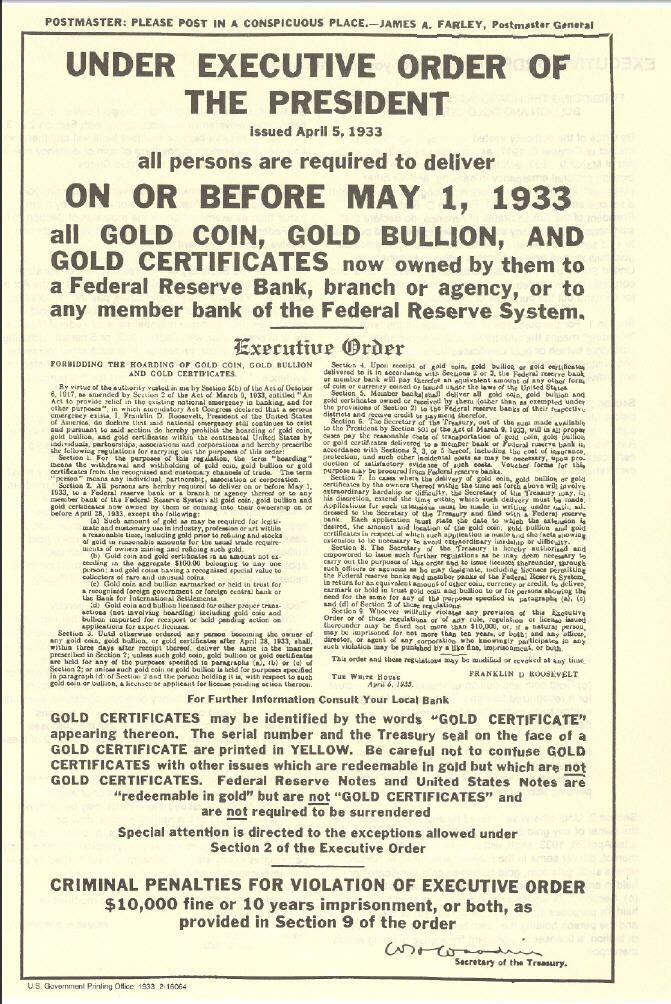

Did someone do the following experiment yet?
1. Rent an EC2 instance with a Bitcoin backed credit card.
2. Install a nostr bot which can receive zaps and pay its AWS bill.
3. Throw away the AWS login credentials.
Would be interesting if the bot would serve any means to earn its zaps to keep running.
Do they receive zaps? Imagine a rich troll bot.

The purpose is addiction. As is nostr for me.

Because marketing is not sales.

Not even meta-statements have to be black and white.


Ha, didn‘t think of my mortgage as a currency short yet. But that‘s correct and the reason why I‘m not lowering the mortgage.
In Switzerland it‘s common to have high mortgages. Almost nobody pays it off. Although the the Swiss Franc is very stable compared to other currencies. That‘s interesting and counterintuitive to your argument.

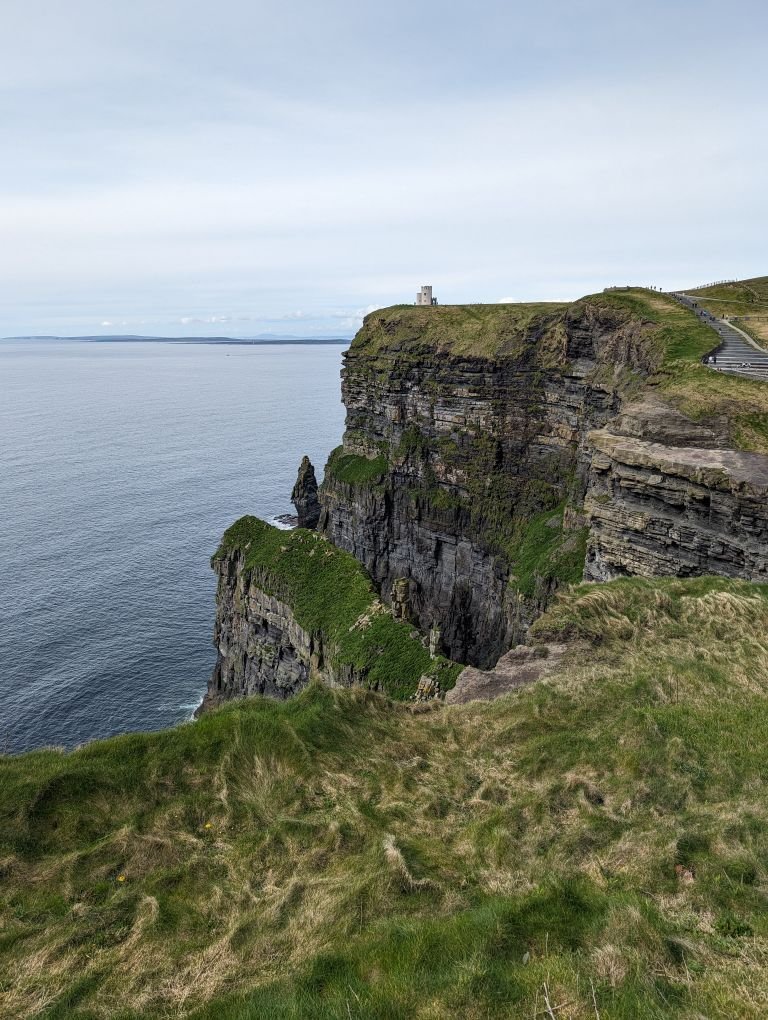
If you‘re going north:
I liked the Doolin Cave

I loved Google Inbox


Plot twist: the other one is you as well
At least it‘s not in real life. Just though about this Black Mirror episode: https://en.m.wikipedia.org/wiki/White_Christmas_(Black_Mirror)

Hm… you‘re good advertisers. Trying as well.