Take a look at fnm:
You could always check cargo depsize?

On Wikipedia they linked to the project which required membership to UC Berkley. However, I did just find this (not sure if it is actually the same)
It is unfortunately behind a permission wall...


I was very surprised to learn it was this low. nostr:nprofile1qqs2rlzal4lleatrezg4tdrxw5d4srg3tcfkutuvjr5fzvu9h0kmrncpzemhxue69uhhyetvv9ujuvrcvd5xzapwvdhk6qgdwaehxw309aukzcn49ekk2qghwaehxw309aex2mrp0yh8x6tpd4ehgu3wvdhk68uj6gq have you covered this in an episode of #tspc ? I would be interested in your take on how to reverse this trend.

GEMS or PEMDAS.


Definitely worth seeing! The also have a bridge at the base where you can get up-close and personal, too. If you like biking, there is a bit path along the trail, too. It is a lot of fun.
I recommend #Nextloud Deck for ToDo app. Great to organize stuff while moving houses, all family members have the app across apple and android devices, and browsers.
https://apps.nextcloud.com/apps/deck
#OpenSource
Nextcloud has never been performant enough for me to justify using it 😟
I agree. Really cool, but missing some critical features my wife wants. I honestly haven't found a great financial app. Planning in making one of my own.

Well of course it isn't vodka and of course it is beer. The Russians consider beer a "soft drink". No I am not kidding.
https://www.rt.com/russia/602988-russia-alcohol-consumption-beer-vodka/
Most European counties drink beer, ale, or stout in place of water in restaurants, so that doesn't surprise me, either.

I have experience with all three. It depends on what you are looking for. Do you want speed of development? Python has the lowest barrier of entry. You can crack it out in a few hours. However, you will have poor performance. You want something a little better, use Go. A little harder, but a bit faster. You want the best performance and most security? Use Rust. It is the hardest, but best in the end for size and performanc 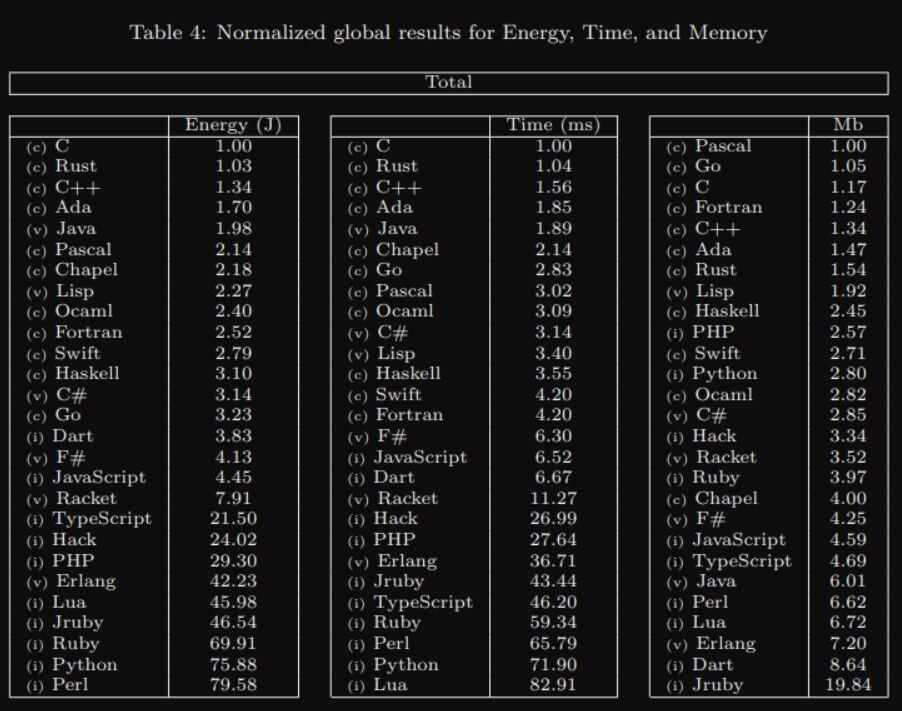
Can you just put a configuration conditional block to check the architecture you are using? Create a type alias which is then set to either usize or u32. That way you could leave all type annotations as your aliased type regardless of the architecture.