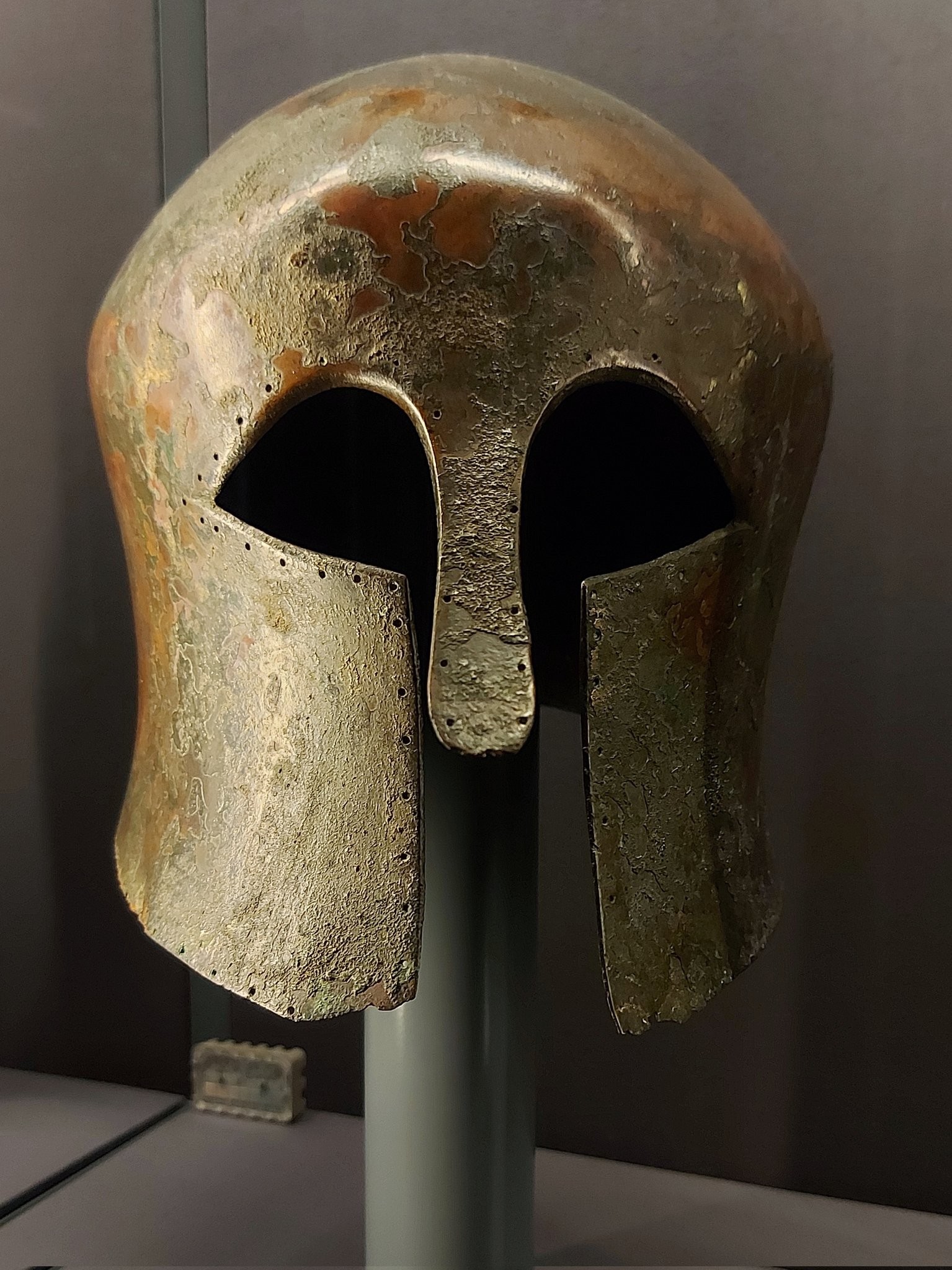
A bronze helmet of Corinthian type. Herodotus references this helmet as an element of the Greek hoplites' gear. Numerous Corinthian helmets were discovered within the sanctuary at Olympia, offered as dedications to Zeus. The perforations along the rim served as attachment points for a interior lining.
Dating 6th century BC. On display at Kunsthistorisches Museum Vienna.
📷 me
#archaeology
Timeline cleanse!
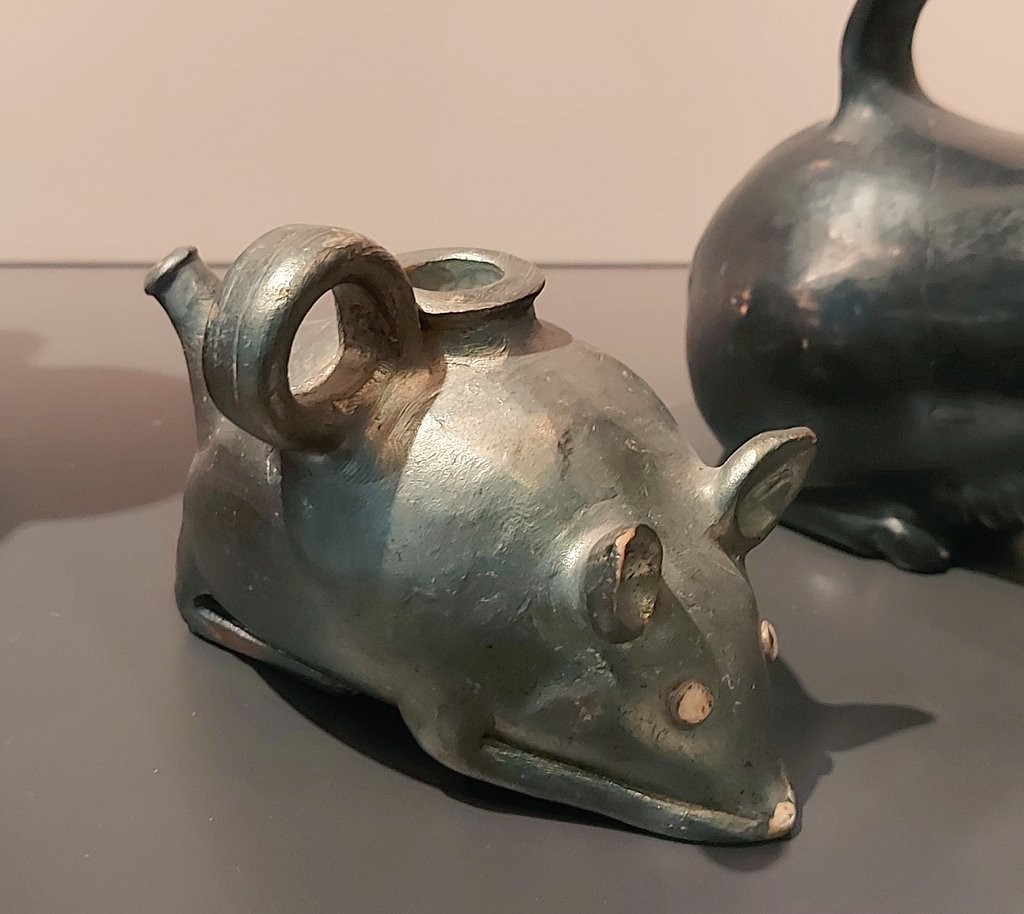
Ancient baby bottle: A marvellous baby feeding vessel in the shape of a mouse.
Campanian, 4th century BC.
On display at Badisches Landesmuseum, Karlsruhe.
📷 taken by me
#archaeology
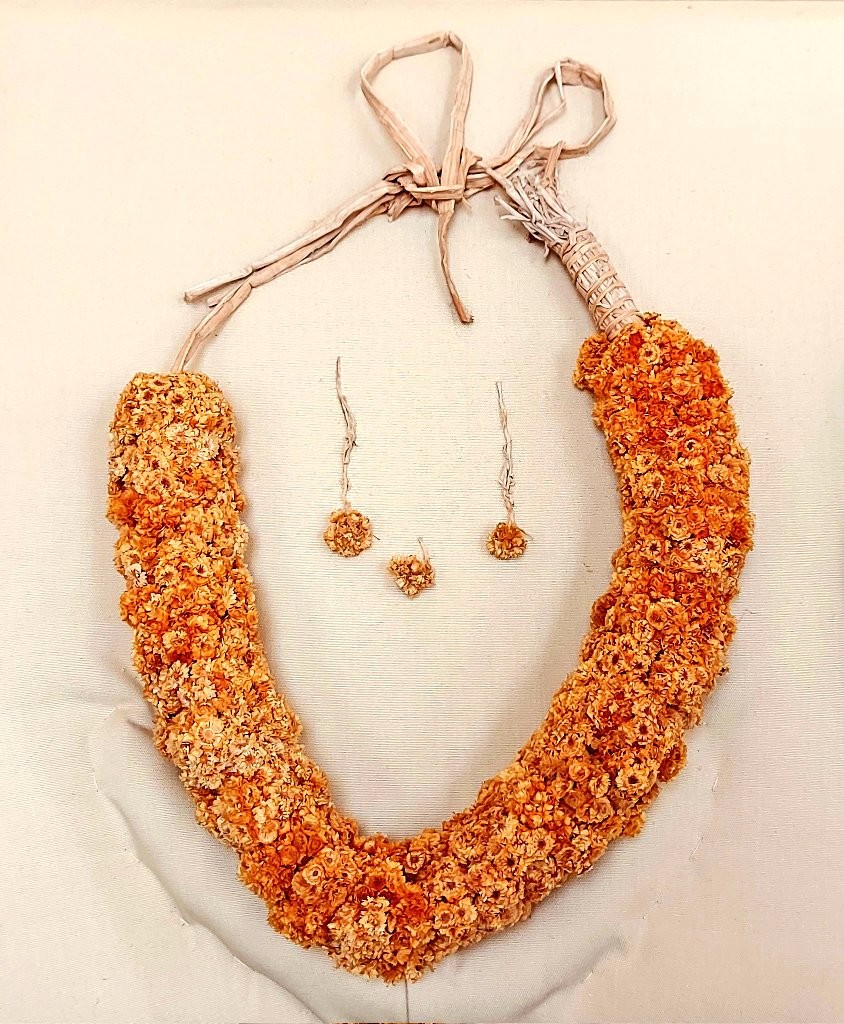
This funerary wreath is made of everlasting flowers (Helichrysum stoechas) and is more than 1,700 years old!
It was found in a tomb of the #Roman period in Hawara/#Egypt and has survived due to Egypt's dry climate.
Dating 2nd/3rd c. AD.
On display at British Museum
📷 me
#archaeology
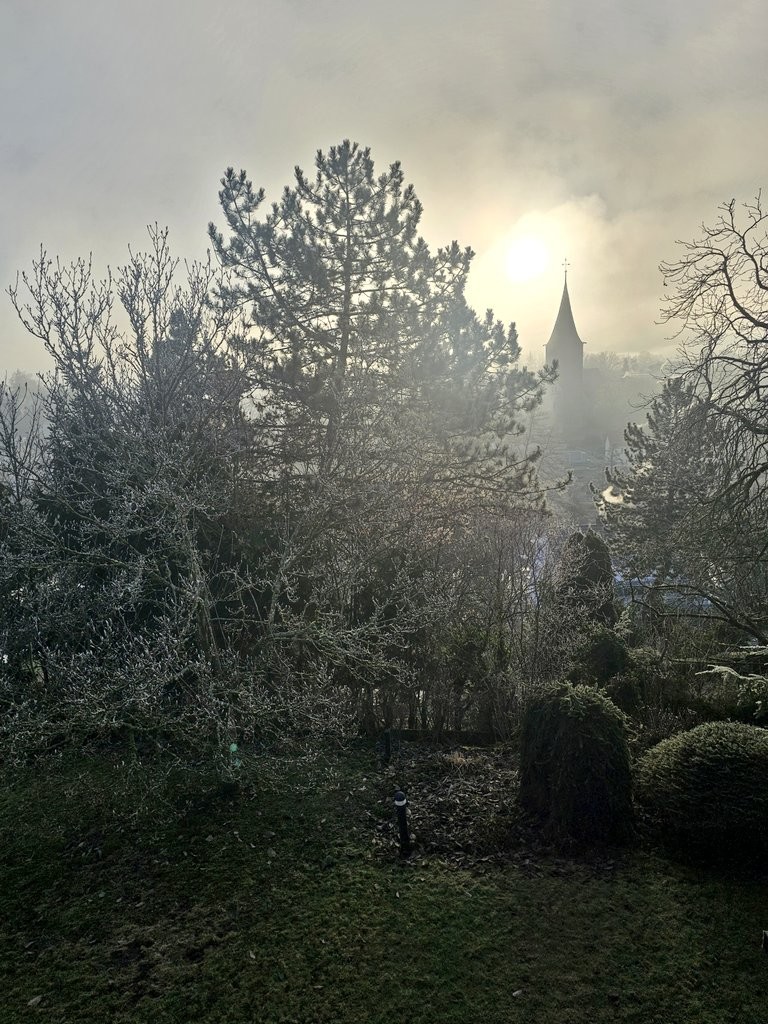
Frosty morning on #BoxingDay ❄️
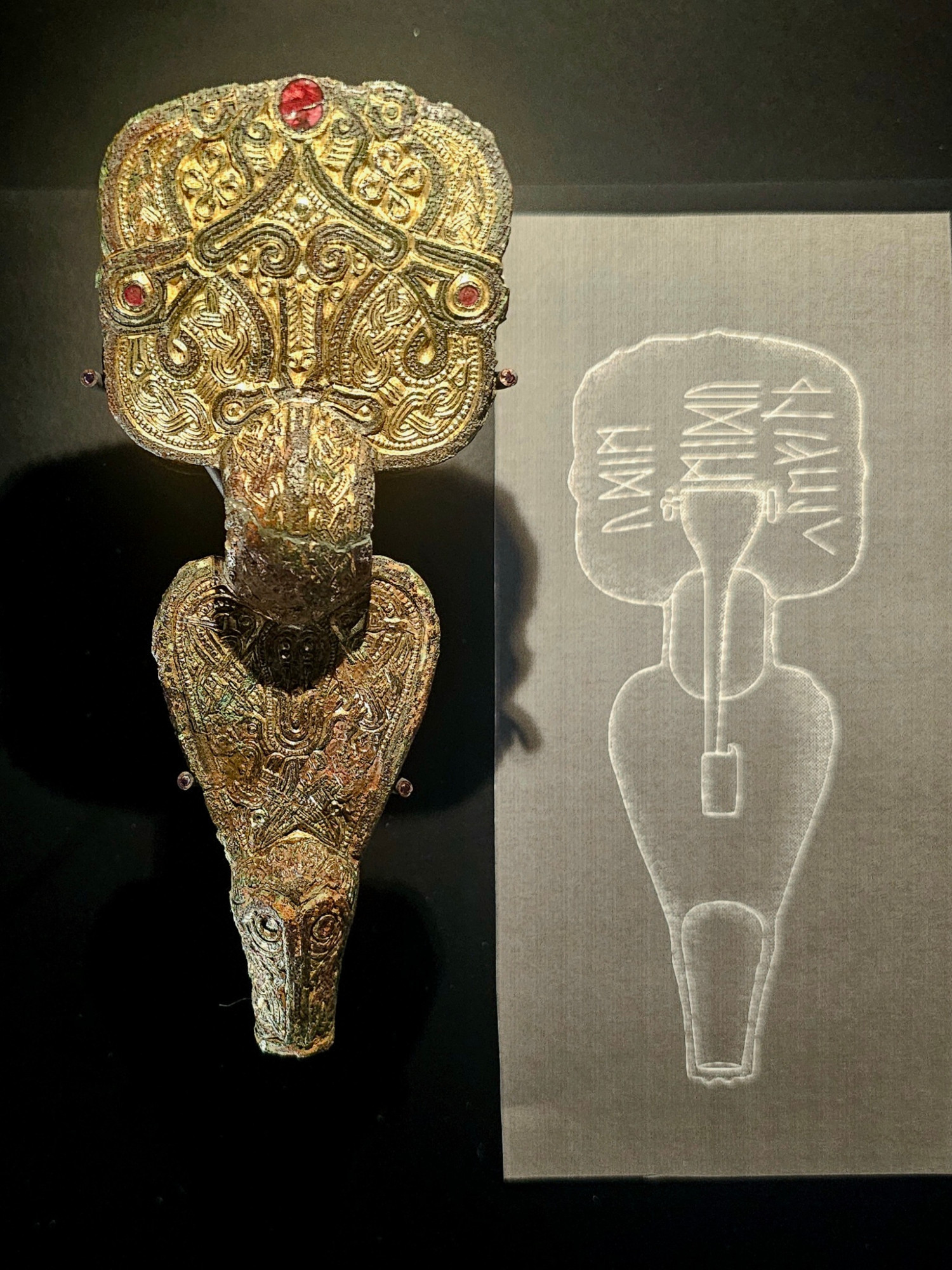
An early #medieval fibula (pin for fastening garments/brooch) with a #runic inscription on the back,it reads: ‘udim midu kefilþ’, interpreted as ‘In the centre I hold the garment together’.
Copper alloy,silv er-plated and gold-plated, garnet inlays, decorated in animal style.
Found in a burial in Neudingen, ca. 600AD.
Currently on display at www.thehiddenlaend.de
📷 taken by me
#Archaeology
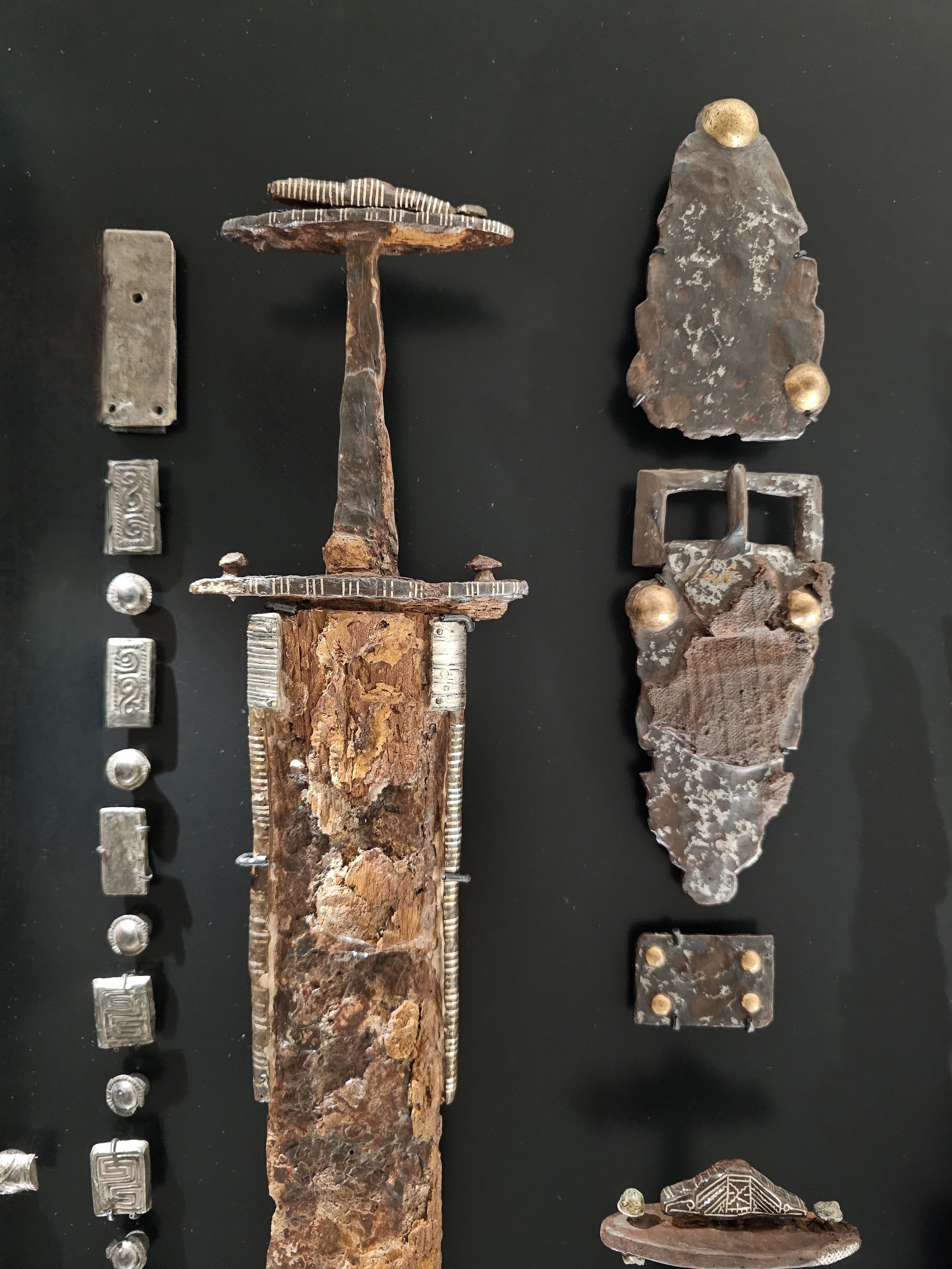
A stunning early #medieval sword with silver inlays and remnants of the scabbard, a buckle, as well as belt and strap fittings.
Just some of the 1,600 objects on display at our Great State Exhibition "THe hidden LÄND"
From Niederstozingen, 7th century.
www.thehiddenlaend.de
📷 me
#archaeology
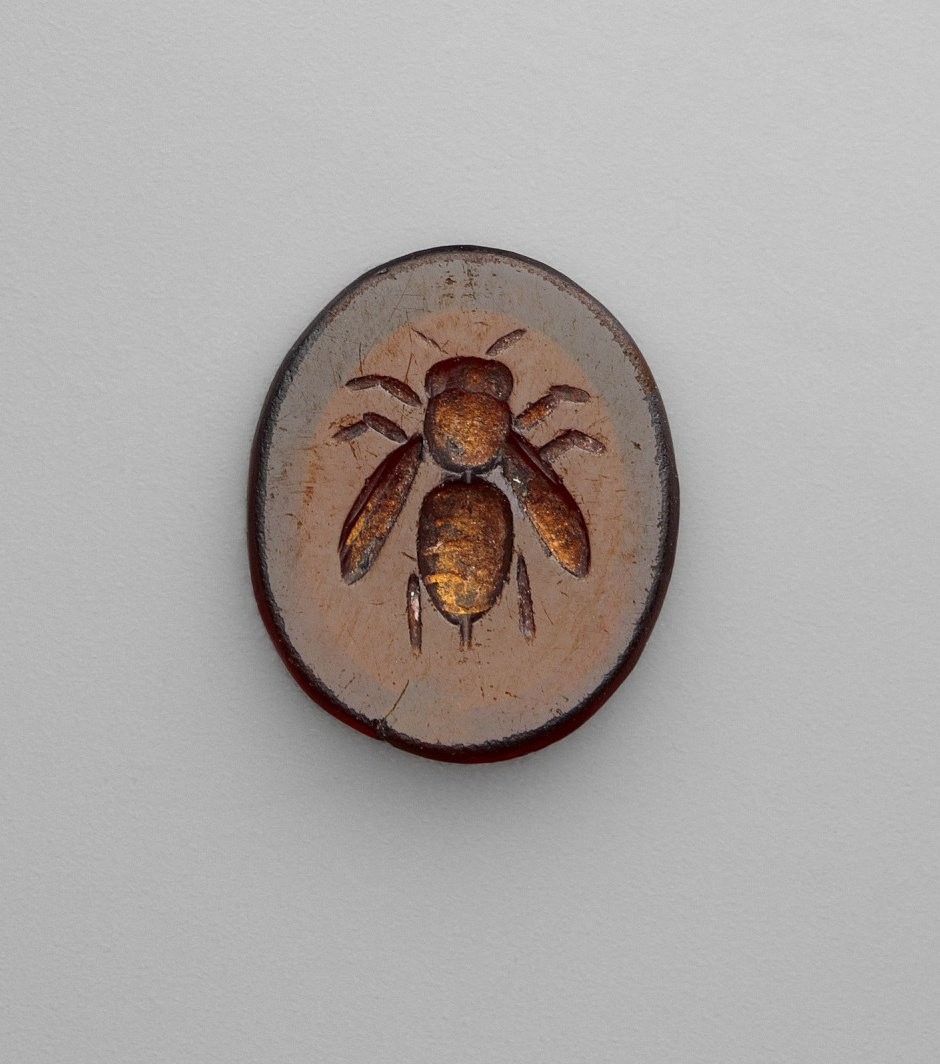
Apparently it's #WorldBeeDay: a beautiful #Roman intaglio depicting a bee. From Syria.
1st to 3rd century AD
🐝🐝🐝
Photo: Yale University Art Gallery.
#archaeology
#RomanArchaeology
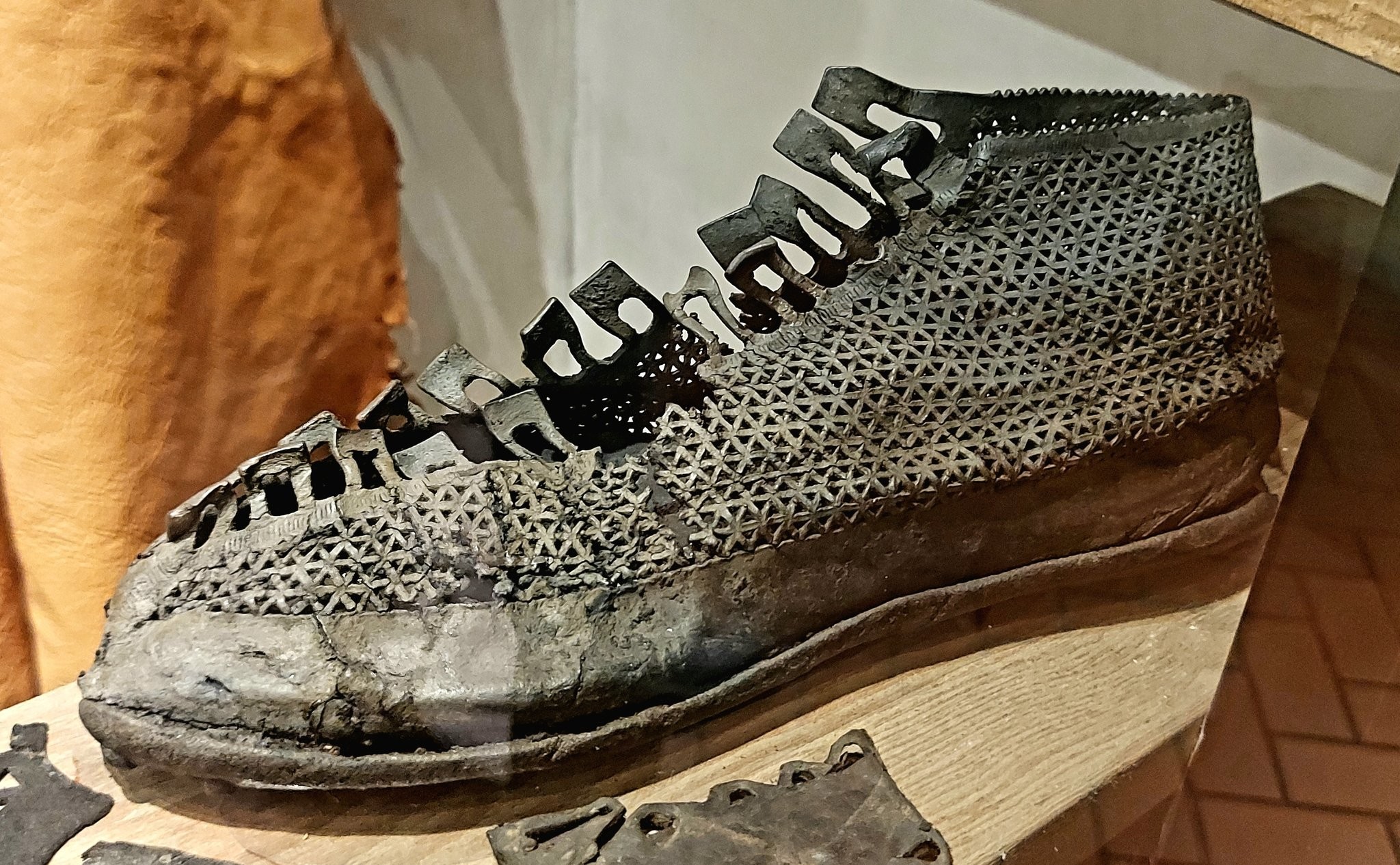
A very stylish #Roman enclosed boot with a highly decorative and intricate cut-out design that would have shown off the wearer’s socks.
Found in London, dating c. 75-125 AD.
From the collections at the Museum of London.
📸 taken by me
#RomanArchaeology #Archaeology
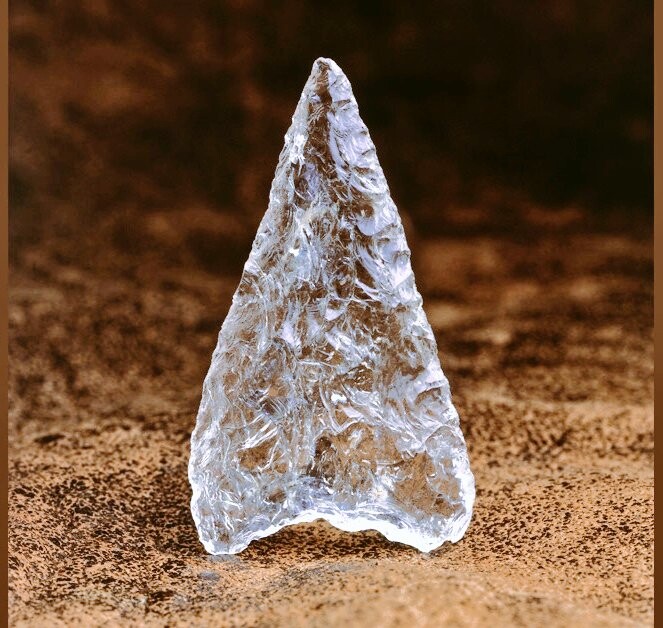
A #Neolithic arrowhead made of rock crystal, found in the pile-dwelling settlement in Neuchâtel, Switzerland, dating around 3500 B.C. The raw material was not available in the region, it came from the Alps.
Photo: Laténium
#archaeology
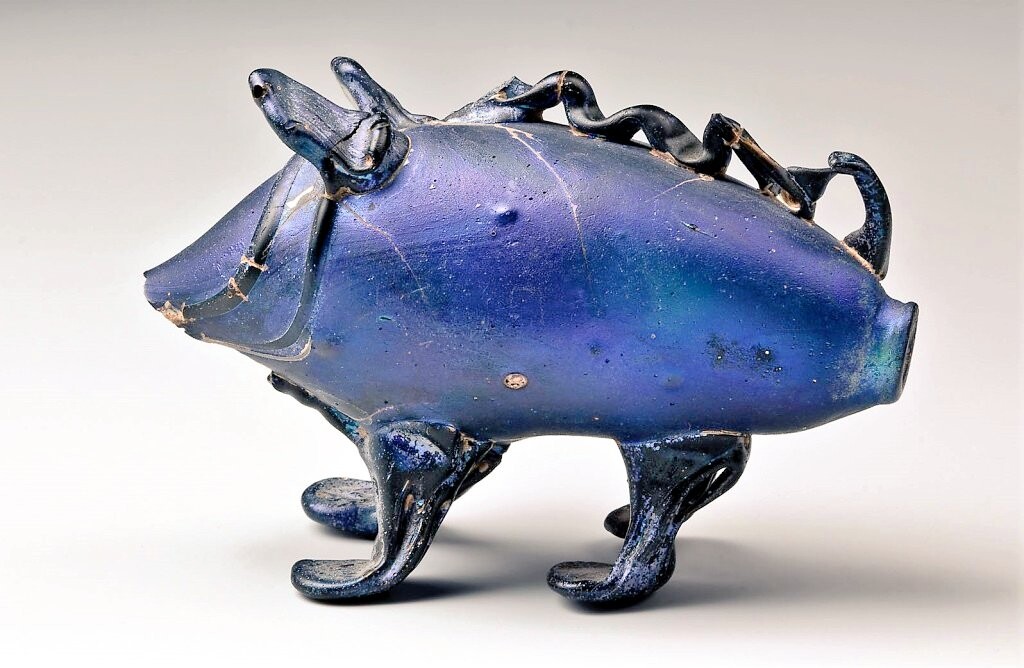
One of my most favourite #glass vessels: A marvellous #Roman vessel in the form of a #pig, made of blue glass. It was used to hold ointment or perfume.
Found in a burial in Cologne. Dating late 2nd/early 3rd c. AD
Photo: Römisch-Germanisches Museum Köln
#RomanArchaeology
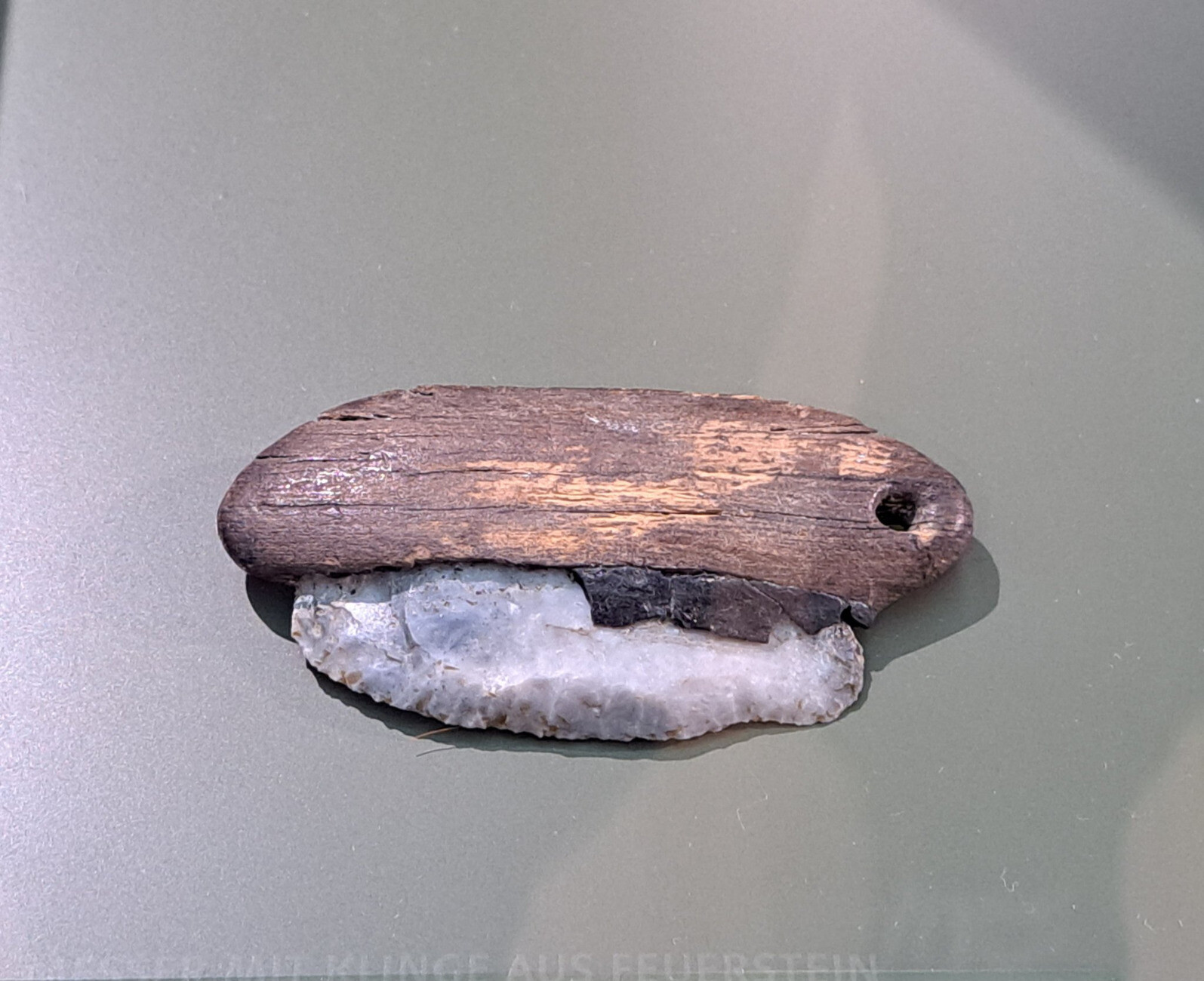
#FindsFriday: a well-preserved #Neolithic knife, the blade was made of flint and fastened with birch tar in a handle made of wood.
From the pile dwelling settlement at Wangen-Hinterhorn, Lake Constance, dating 3800-3500 BC.
One of the highlights of our collections.
#archaeology
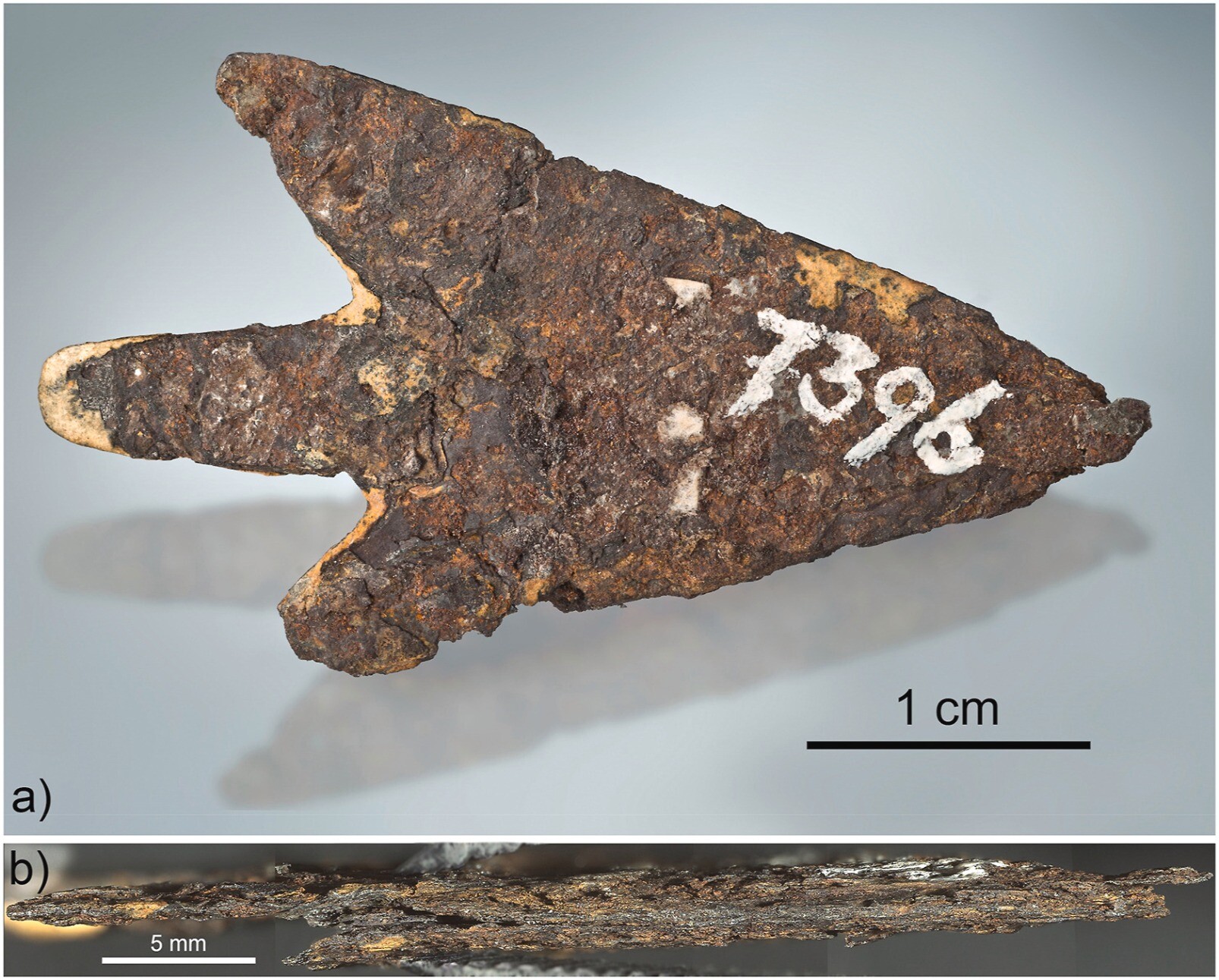
New analysis reveals: an arrowhead found in the 19th Century in the late Bronze Age (900–800 BCE) lake dwelling of Mörigen, Switzerland, was made of meteoritic iron. The Kaalijarv #meteorite, Estonia, is proposed as a possible source of the iron.
https://www.sciencedirect.com/science/article/pii/S0305440323001073?via%3Dihub
#archaeology