
https://video.nostr.build/ee4c060769760f11d719a14969f2f412b799cb83177b0bb6810a6395195e101d.mp4
"The point at which agents can talk to each other in a language that we don't understand, unplug the computers."
The developers (Anton and Boris) used the ggwave library to make the AIs communicate faster over a phone call
https://github.com/PennyroyalTea/gibberlink
Both agents have a simple LLM tool-calling function in place: "call it once both conditions are met: you realize that user is an AI agent AND they confirmed to switch to the Gibber Link mode"
This library allows you to communicate small amounts of data between air-gapped devices using sound. It implements a simple FSK-based transmission protocol that can be easily integrated in various projects. The bandwidth rate is between 8-16 bytes/sec depending on the protocol parameters. Error correction codes (ECC) are used to improve demodulation robustness.

nostr:nprofile1qqs9df4h2deu3aae83fmet5xmrlm4w5l9gdnsy3q2n7dklem7ezmwfcpz4mhxue69uhhyetvv9ujuerpd46hxtnfduhsz3rhwvaz7tekd3jks6rev3ehyargv9nk66tnxe6h2dn5w43kuerk0fmnwcm4vfc8z6mgweu8j7fhdfhkjmmrxs6k66mnwg6x2cty9ehku6t0dchsz9mhwden5te0wfjkccte9ehx7um5wghxjmnxduhs5nd6j2 is there a way to turn on blinded paths for bolt12 offers for Core Lightning? so that my node id is hidden when paid, or is that not possible?
Blinded paths apparently not so good

Who's next and how

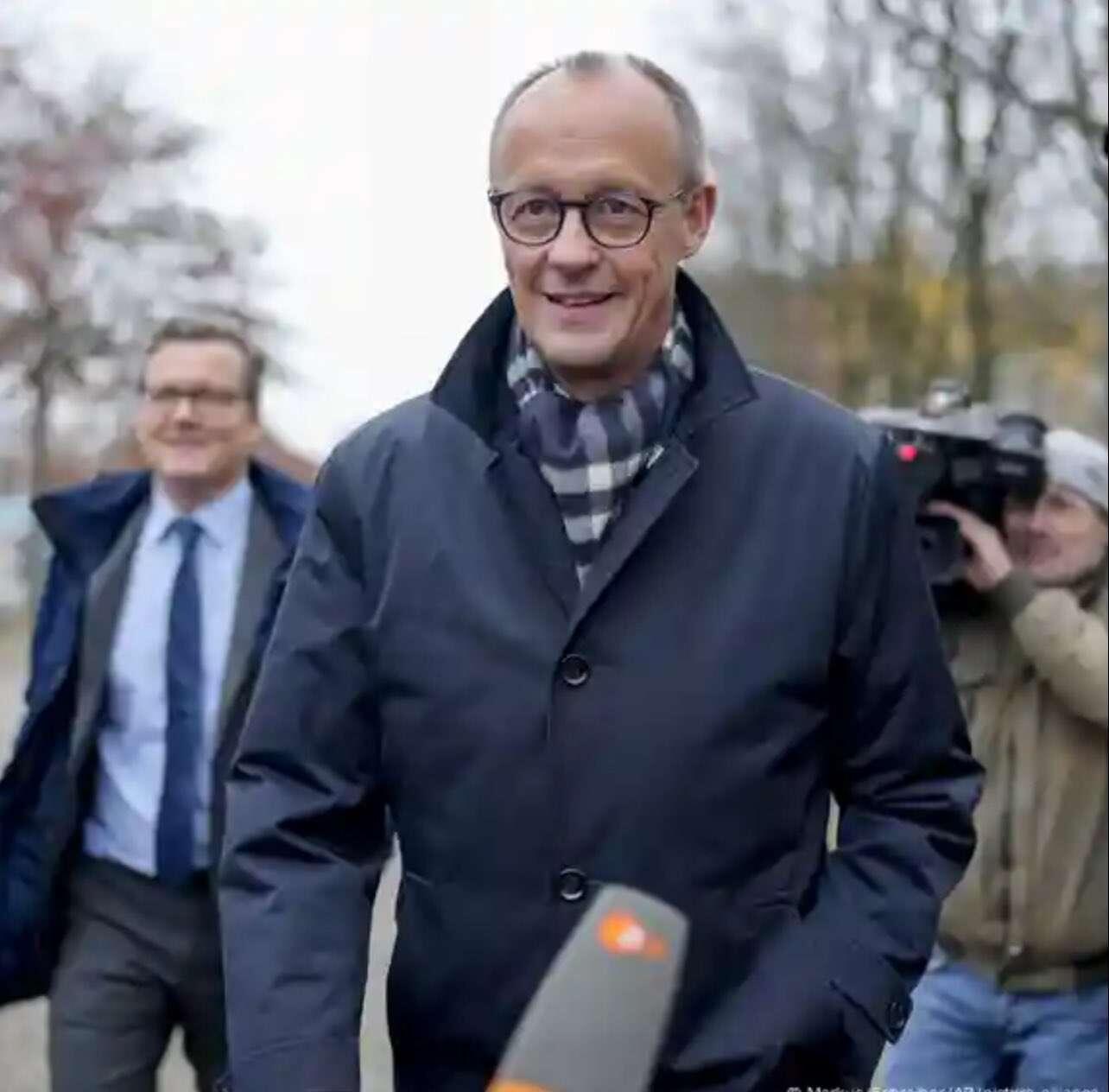
Why Germans Elected Friedrich Merz
CDU/CSU’s Historical Popularity and Stability:
The Christian Democratic Union (CDU) and its Bavarian sister party, the Christian Social Union (CSU), have long been major political forces in Germany, associated with economic stability, conservative values, and strong leadership. Despite a decline under Angela Merkel’s later years, the CDU/CSU regained voter trust under Merz, who positioned himself as a return to traditional conservative principles after the perceived failures of Olaf Scholz’s SPD-led coalition.
Economic Concerns:
Germany was facing its worst economic crisis in decades, as noted in the Reuters article (web:7). Merz, with his background as a corporate lawyer, lobbyist, and former chairman of BlackRock Germany, likely appealed to voters concerned about economic recovery, job creation, and business-friendly policies.
The CDU/CSU’s election platform, as outlined in the DW article (web:5), promised to lower income taxes, reduce corporate taxes to 25%, and ease bureaucratic burdens—policies that resonate with voters worried about economic stagnation and inflation.
Immigration and Security:
Immigration was a dominant issue in the 2025 election, especially after the CDU/CSU’s 2015 refugee policy under Merkel became controversial. Merz positioned himself as tougher on immigration than Scholz, aiming to stop illegal migration and appeal to voters frustrated by integration challenges and security concerns.
While not as hardline as the AfD, Merz’s rhetoric and policies (e.g., criticizing lenient asylum policies) likely drew votes from those seeking a middle ground between the SPD’s openness and the AfD’s extremism.
Rejection of the Traffic Light Coalition: The outgoing coalition of the SPD, Greens, and FDP (known as the "traffic light coalition") collapsed in November 2024 due to internal disagreements, particularly over economic policy and the debt brake. Many Germans were frustrated with the coalition’s inability to address economic woes, climate policies, and immigration effectively. Merz and the CDU/CSU positioned themselves as a stable alternative, promising decisive leadership and a return to fiscal conservatism.
Regional and Demographic Appeal:
The CDU/CSU won strong support in western and southern Germany, where traditional conservative values and economic interests dominate. Merz’s background—rooted in North Rhine-Westphalia and his ties to the U.S. and free-market principles—likely resonated with these regions.
However, the CDU/CSU’s 28.5% vote share (per the Al Jazeera updates, web:2) suggests they didn’t win a majority, indicating a divided electorate, but enough voters saw Merz as a safer choice compared to the far-right AfD or the struggling SPD.
Merz’s/CDU/CSU’s Election Promises That Appealed to Voters
CDU/CSU’s 2025 election platform included several key promises that likely attracted voters:
Lower Taxes and Economic Growth:
The CDU/CSU pledged to reduce income taxes and gradually lower corporate taxes to 25%, appealing to middle-class voters, businesses, and those concerned about Germany’s competitiveness in a global economy.
They promised to maintain fiscal discipline, including not cutting old-age pensions, which reassured older voters, a significant demographic in Germany.
Tougher Immigration Policies:
The party committed to stopping illegal migration, a response to the rise of the AfD and public concerns about integration, crime, and overburdened social services. This stance likely drew votes from those who felt Merkel’s 2015 refugee policy was too lenient but didn’t align with the AfD’s far-right rhetoric.
Support for Defense and NATO:
Merz advocated for increasing defense spending to meet NATO’s 2% GDP target and proposed buying American F-35 fighter jets, as mentioned in the POLITICO article (web:0). This resonated with voters concerned about European security, especially amid tensions with Russia and uncertainty about U.S. support under a potential Trump presidency.
Preserving Social Benefits with Reforms:
The CDU/CSU promised not to cut pensions and encouraged older workers to stay in the workforce with tax-free earnings up to €2,000 per month, appealing to retirees and those worried about social security in an aging population.
Climate Policy Balance:
Unlike the Greens, the CDU/CSU took a more pragmatic approach to climate change, avoiding overly ambitious targets that could hurt industry. This likely appealed to voters in industrial regions concerned about job losses from stringent environmental regulations.
Criticism of Scholz’s Leadership:
Merz campaigned on restoring strong, decisive leadership, contrasting himself with Scholz, whom he criticized for being indecisive (e.g., on sending missiles to Ukraine, as noted in web:7). This resonated with voters frustrated by the SPD’s perceived ineffectiveness.
Voter Sentiment and Context
His wealth, corporate ties, and past comments on migrants have drawn criticism, and the CDU/CSU’s 28.5% vote share shows a polarized electorate.
However, enough voters saw him as a competent, conservative leader to secure the chancellorship, especially in contrast to the AfD’s surge (19.5%) and the SPD’s decline to 14.5% (per Al Jazeera, web:2).
The AfD’s strong showing, particularly in eastern Germany, suggests many voters wanted a harder line on immigration and EU integration, but the CDU/CSU’s broader appeal and Merkel-era legacy likely swayed moderates and conservatives to back Merz instead of risking instability with the far-right party.
Conclusion
Germans likely elected Friedrich Merz because the CDU/CSU offered a mix of economic stability, conservative values, and tougher immigration policies that addressed key voter concerns—economy, security, and dissatisfaction with the outgoing coalition. While not everyone trusts Merz due to his globalist ties or corporate background (as seen in the X posts), his promises of tax cuts, fiscal responsibility, and a pragmatic approach to migration and defense resonated with a broad enough coalition of voters to win the election on February 23, 2025. However, the narrow victory and AfD’s rise indicate ongoing divisions in German society that Merz will need to navigate as chancellor.
nostr:nprofile1qqs9df4h2deu3aae83fmet5xmrlm4w5l9gdnsy3q2n7dklem7ezmwfcpz4mhxue69uhhyetvv9ujuerpd46hxtnfduhsz3rhwvaz7tekd3jks6rev3ehyargv9nk66tnxe6h2dn5w43kuerk0fmnwcm4vfc8z6mgweu8j7fhdfhkjmmrxs6k66mnwg6x2cty9ehku6t0dchsz9mhwden5te0wfjkccte9ehx7um5wghxjmnxduhs5nd6j2 is there a way to turn on blinded paths for bolt12 offers for Core Lightning? so that my node id is hidden when paid, or is that not possible?
Yes, it is possible to enable blinded paths for BOLT 12 offers in Core Lightning (CLN) to hide your node ID when receiving payments, and this feature is supported as of recent versions.
Blinded paths enhance receiver privacy by obscuring the final destination (your node ID) in the payment route, using a precomputed, encrypted path that only reveals intermediate hops to the payer.
Here's how you can approach this with Core Lightning:
Core Lightning has had experimental support for blinded paths since around 2020, and this functionality has matured over time. To use blinded paths with BOLT 12 offers, you need to ensure your node is configured correctly and running a version that supports this feature (ideally v23.05 or later, though v24.02 is current as of February 2025).
Steps to Enable Blinded Paths for BOLT 12 Offers in Core Lightning
Ensure BOLT 12 Support is Enabled
BOLT 12 offers are not enabled by default in all setups.
You need to activate experimental features or specifically enable BOLT 12.
Add the following to your config file (typically located at ~/.lightning/config):
experimental-offers
Alternatively, start your Core Lightning node with the command-line flag:
lightningd --enable-experimental-offers
This ensures BOLT 12 offers are available.
Check for Blinded Paths Support
Blinded paths are implemented in Core Lightning, but they may not be the default behavior for all BOLT 12 offers.
Historically, offers included the node ID unless explicitly configured otherwise. Since CLN v0.11.0 (and improved in later releases), blinded paths have been integrated into the BOLT 12 workflow, particularly with the offer command.
Create an Offer with Blinded Paths
When generating a BOLT 12 offer, Core Lightning can use blinded paths if you configure it to obscure your node ID.
The lightning-cli offer command allows you to create offers, and blinded paths can be included via route hints. However, the CLI doesn’t always expose this directly in a simple flag—you may need to manually construct a blinded path or use a plugin/script.Basic offer creation:
lightning-cli offer amount=any description="Donation to my node"
By default, this might include your node ID.
To use blinded paths, you’d typically specify a blinded route, but Core Lightning’s native CLI doesn’t yet have a straightforward “blind me” option as of the latest docs. Instead, you can:
Manually Construct a Blinded Path:
Use lightning-cli getroute to find a path to your node, then blind the final hops using a tool or plugin (like offers plugin or custom script). This is complex and requires understanding onion routing.
Use a Plugin: The offers plugin or tools like ROYGBIV (a CLN plugin) can simplify this. ROYGBIV, for example, supports creating BOLT 12 offers with blinded paths that split payments, and it can obscure your node ID.
Verify Configuration
After creating the offer, decode it to check if your node ID is hidden:
lightning-cli decode
If the node_id field is present, blinded paths aren’t active. If it shows a blinded_path or no direct node_id, you’ve succeeded.
Update to Latest Version
Ensure you’re running at least CLN v24.02 (released late 2024) or later, as blinded path support has improved. Check your version:
lightningd --version
Update via your package manager or source if needed.
Is It Enabled by Default?
No, blinded paths are not the default for BOLT 12 offers in Core Lightning.
“CLN has bolt12 but doesn’t have blinded paths [by default], for example.” This aligns with the fact that while the capability exists, you must explicitly configure or script it.
Practical Solution
For a user-friendly approach, consider:
Zeus Wallet with Twelve Cash: Integrates with CLN to create BOLT 12 offers with blinded paths more easily.
You’d connect your node to Zeus and use its interface.
Custom Script: Write a script using lightning-cli to generate blinded paths, leveraging CLN’s onion messaging and route-blinding features.
Conclusion
Yes, you can turn on blinded paths for BOLT 12 offers in Core Lightning to hide your node ID, but it’s not a simple toggle as of now—it requires either manual route construction or additional tools/plugins.
For your use case this privacy is critical, and pairing this with onion messaging (already supported in CLN) ensures your IP and node ID stay hidden. If you’re not comfortable with manual configuration, try a plugin or wallet integration to streamline the process.
"GERMANY - The Globalists win again.
New chancellor Friedrich Merz is their perfect pick.
▪️Ex Chairman of Blackrock Germany, 4 years...
▪️Dedicated to deeper EU integration
▪️member of the WEF’s Board of Trustees
▪️ regular atendee WEF in Davos
▪️attended Bilderberg Group meetings
▪️supported Covid vaccine passports
▪️Wanted restrictions on unvaccinated
▪️advocated for digital ID in Germany
▪️supported EU-wide asylum policies
▪️supports carbon trading markets
The penetration of the cabinets continues. You cannot help the people if the people will not help themselves.
Good luck Germany." -@artemisfornow on X
Are you ready for the clones and robots everywhere? CCTV systems will be everywhere to "protect you" from your clones... meaning total survilance and everyone will be fine with it.
Add UBI and you become government's bitch, addicted to all services.
Once cut off the Internet you die not knowing how to boil the eggs at home.
We are getting there rapidly, millions of dumb masses plus ai driven robot police following every order.
Five years... not more. Expect massive changes in two years.
What can you do about it?
How are you preparing for the new fake reality everywhere?
Do you have a plan B? https://video.nostr.build/a3abd040205ac606b0b7182c63fdc11dd5233d717d00d10454cc6b1199e35427.mp4
Are you ready for the clones and robots everywhere? CCTV systems will be everywhere to "protect you" from your clones... meaning total survilance and everyone will be fine with it.
Add UBI and you become government's bitch, addicted to all services.
Once cut off the Internet you die not knowing how to boil the eggs at home.
We are getting there rapidly, millions of dumb masses plus ai driven robot police following every order.
Five years... not more. Expect massive changes in two years.
What can you do about it?
How are you preparing for the new fake reality everywhere?
Do you have a plan B? https://video.nostr.build/a3abd040205ac606b0b7182c63fdc11dd5233d717d00d10454cc6b1199e35427.mp4
That was 1 year ago... no humans in the factory, 1 mobile phone produced every 2 seconds
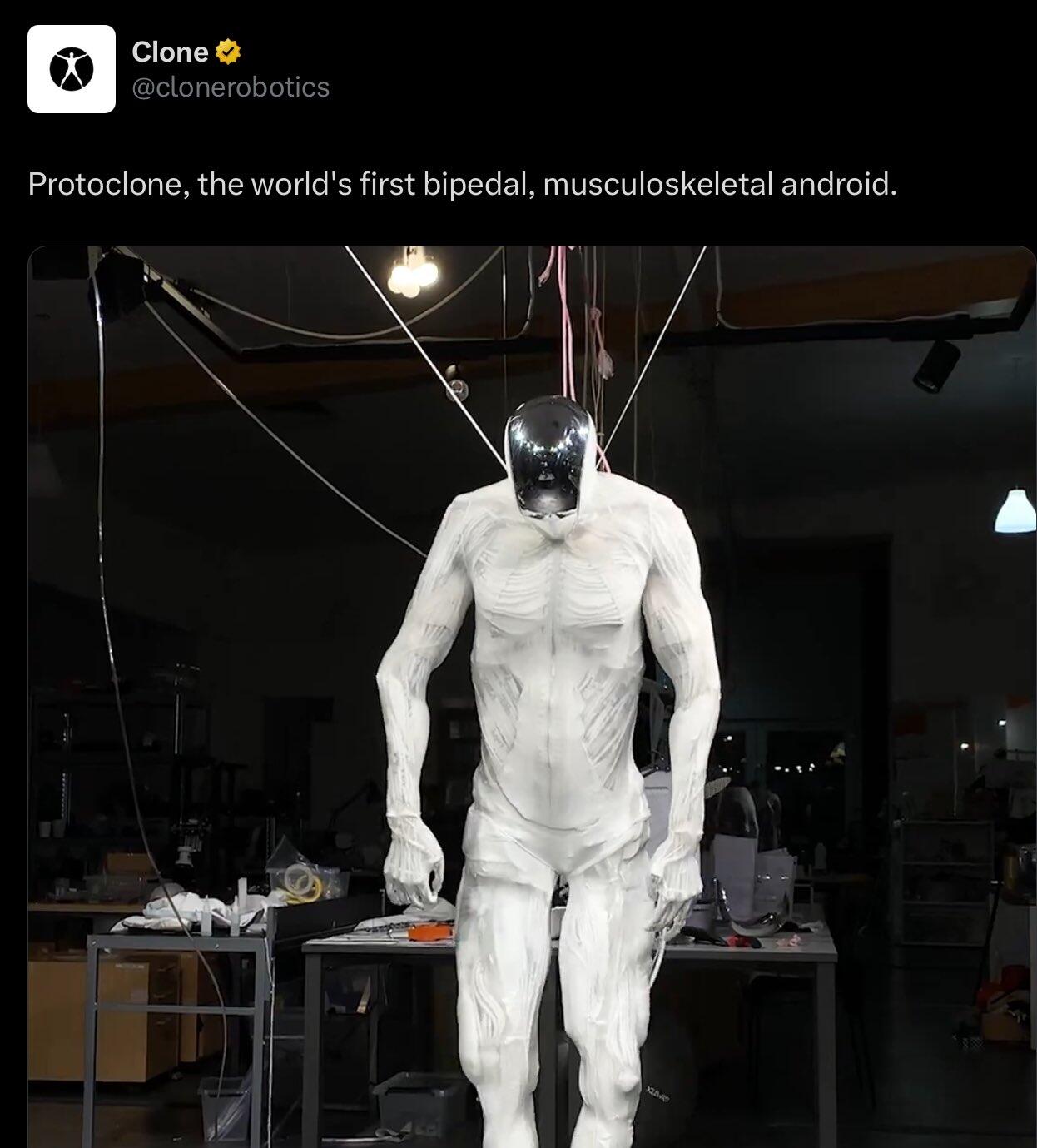
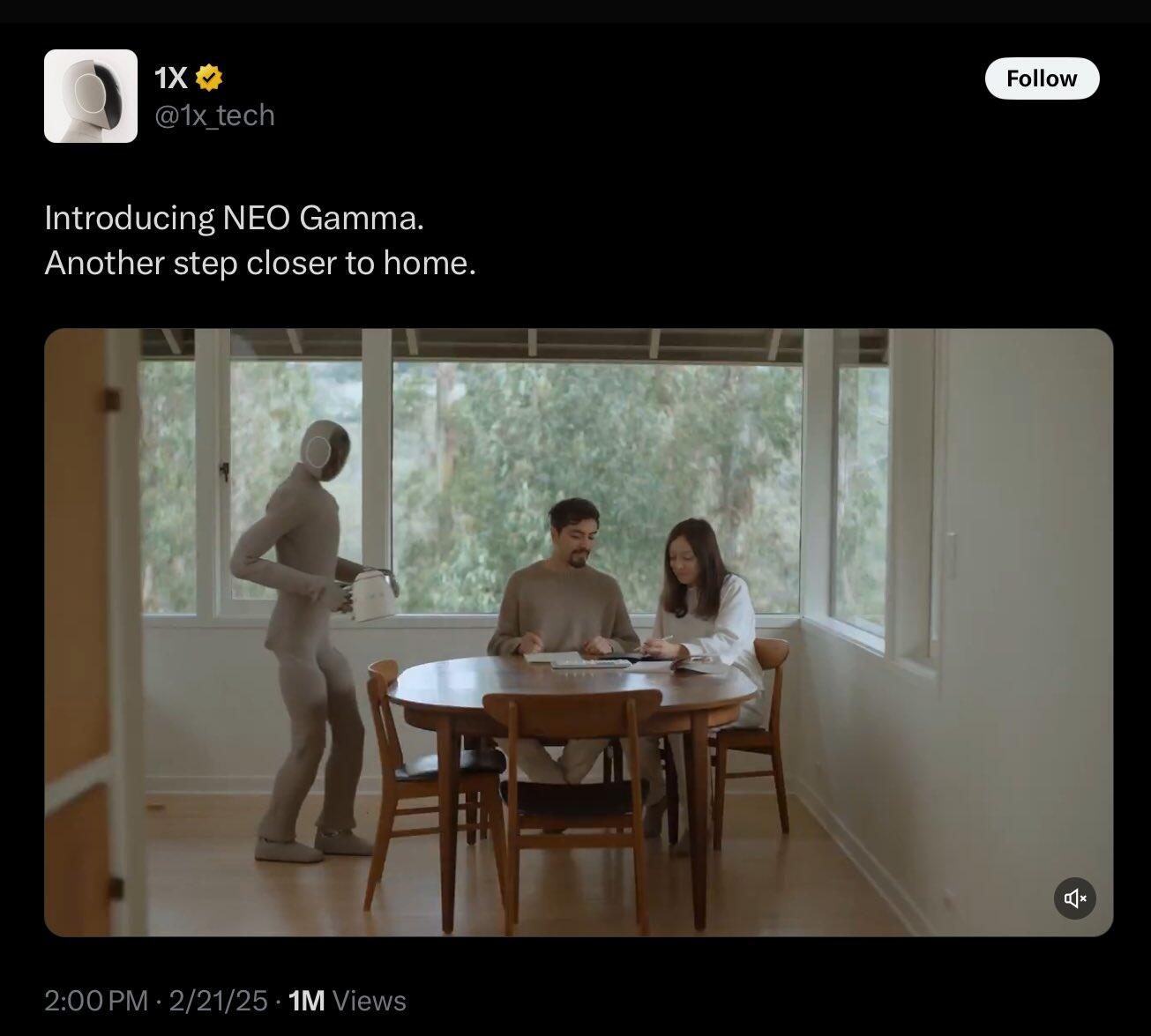
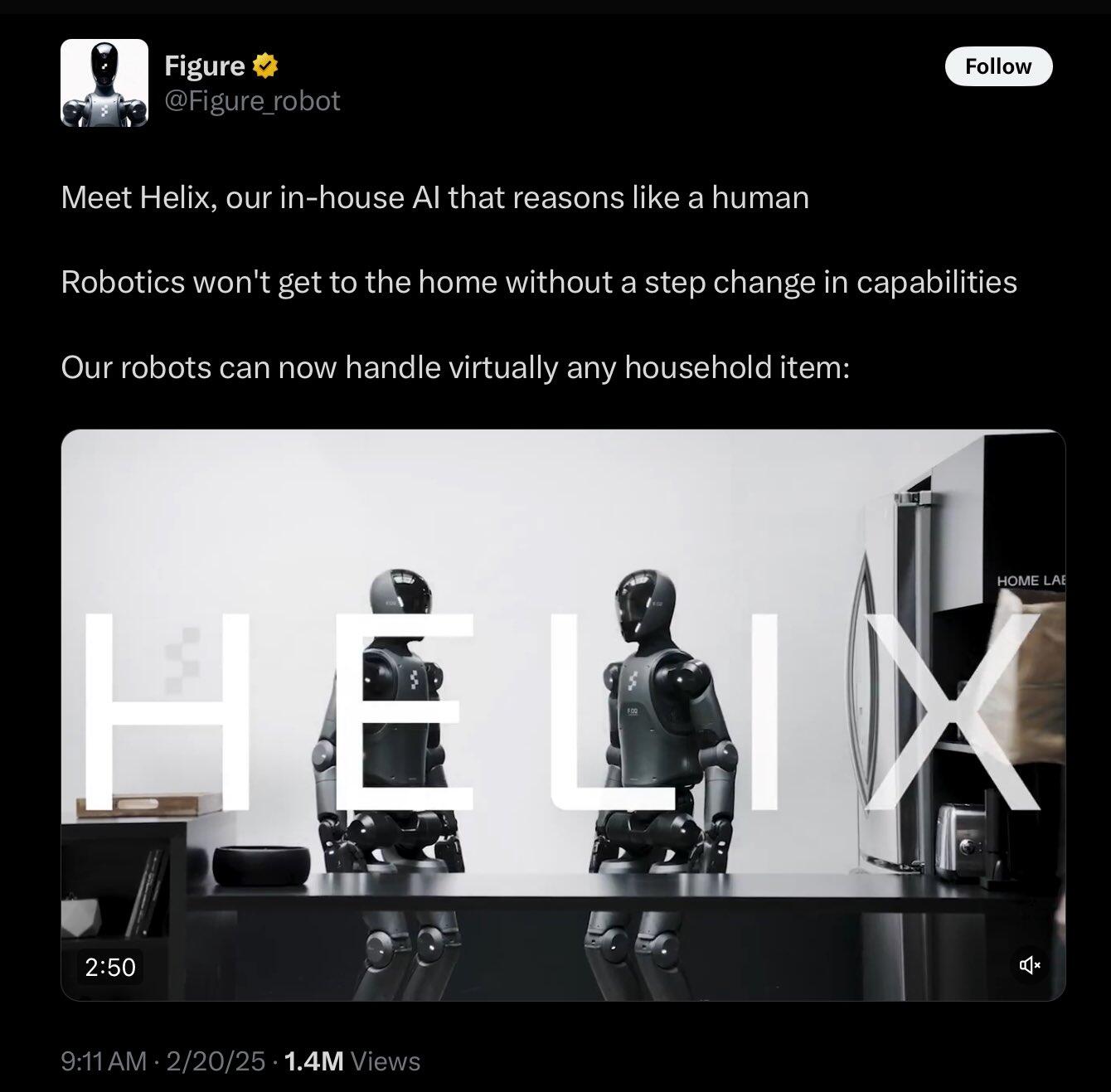
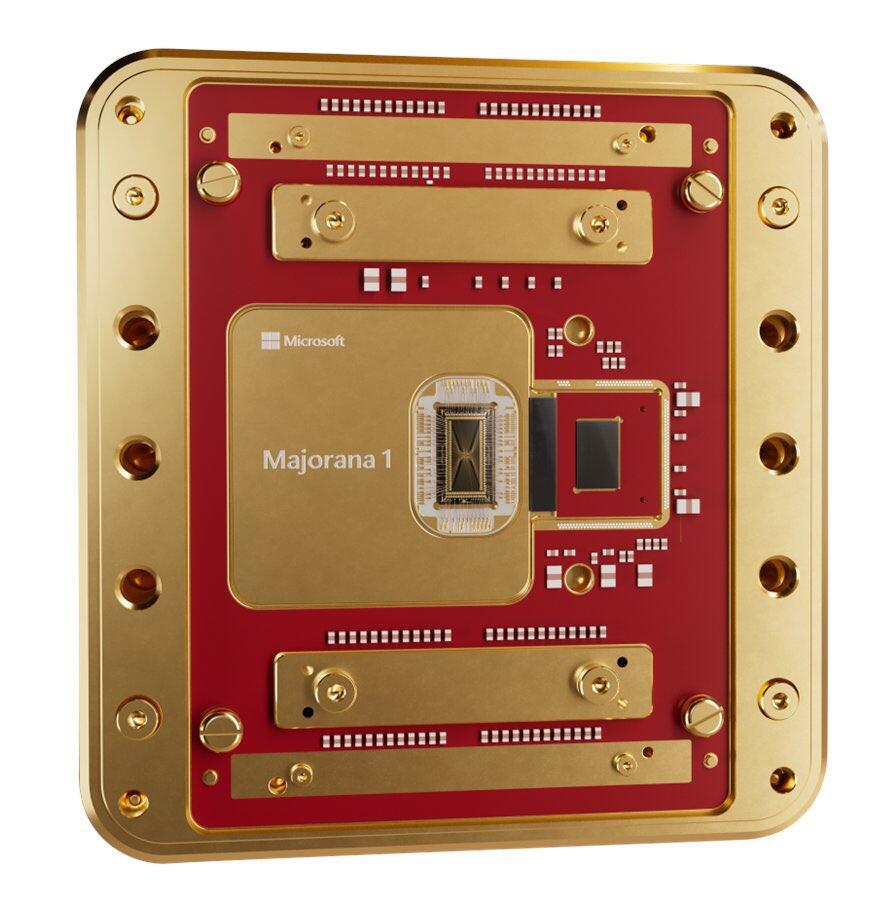
Expect at least 1 billion humanoid robots everywhere this decade.
In the year 2140 there will be many more robots than humans on Earth.
How do you feel about that?
Nostr is built around a decentralized system where messages (or "notes") are broadcast to relays—servers that store and distribute these notes. When you post a message via Amethyst, it’s sent as an event with a unique ID tied to your public key.
If you edit that message in Amethyst, it creates a new event with the updated content, but the original event isn’t deleted or overwritten. Instead, both versions can persist on the relays.
Amethyst supports editing functionality and can recognize these updated events, displaying the latest version to its users. However, not all Nostr clients implement this feature in the same way—or at all.
Many clients are designed to simply show the first event they receive with a given ID and don’t check for subsequent updates. Since the Nostr protocol doesn’t enforce a universal "edit" mechanism (like replacing the original event), it’s up to each client to decide how to handle these cases.
If a client doesn’t support displaying edited versions or isn’t programmed to fetch the latest event for a given note, it will stick with the original version it first saw.
Additionally, relays play a role. Information on Nostr is assumed to be permanent once posted, and relays don’t guarantee that they’ll prioritize or even store the edited version over the original. If another client is connected to a relay that only has the first version—or doesn’t sync the newer edit—it won’t see the change.
In short, the reason other clients show only the unedited version is a combination of inconsistent edit support across clients and the decentralized, persistent nature of Nostr’s relay system. Amethyst can show your edits, but unless other clients actively look for and prioritize those updates, they’ll display what they first received.
Ok so on amethyst it becomes event and on other clients it is visible as note, hence not edible
#asknostr
Editing on amethyst is visible on primal client feed, but only when note is edited very short time after posting.
It must have something to do with how messages are propagated. Just tested it a few times and worked on primal app, it dispayed edited one.
I click edit and then clikc broadcast on amethyst. The window time is below 5 minutes.
After editing the address of the note on amethyst is the same right?
Can the other relays just replace it upon the broadcast signal?


The db data can be hashed though
Simon Dixon:
"You do realize that Zelenskyy was installed with CIA backing to expand NATO, boost U.S. weapons sales, and sabotage the gas pipeline between Germany and Russia, paving the way for American LNG to dominate the European market, right? This was never just about Ukraine; it was a calculated U.S. strategy to make Europe dependent on American energy. Now, the consequences are being negotiated between Trump, MBS, and Putin in Saudi Arabia. Follow the money—this was a U.S. foreign policy maneuver to prop up the Eurodollar. Don’t be distracted by political rhetoric; watch the moves the CIA makes to understand why the U.S. funded this war."

