Avatar
zeph
fd5d8fe95c8bcc1b162ff63df879ebda9fda8483c9548d0c4b4dfe17faee532a
sculpture artisan

I haven’t read Postoffice, thank you for bringing it up—Demian, Siddhartha and Journey to the East were my teenage Hesse, though Steppenwolf has absolutely golden sections for me too—I will look for it!

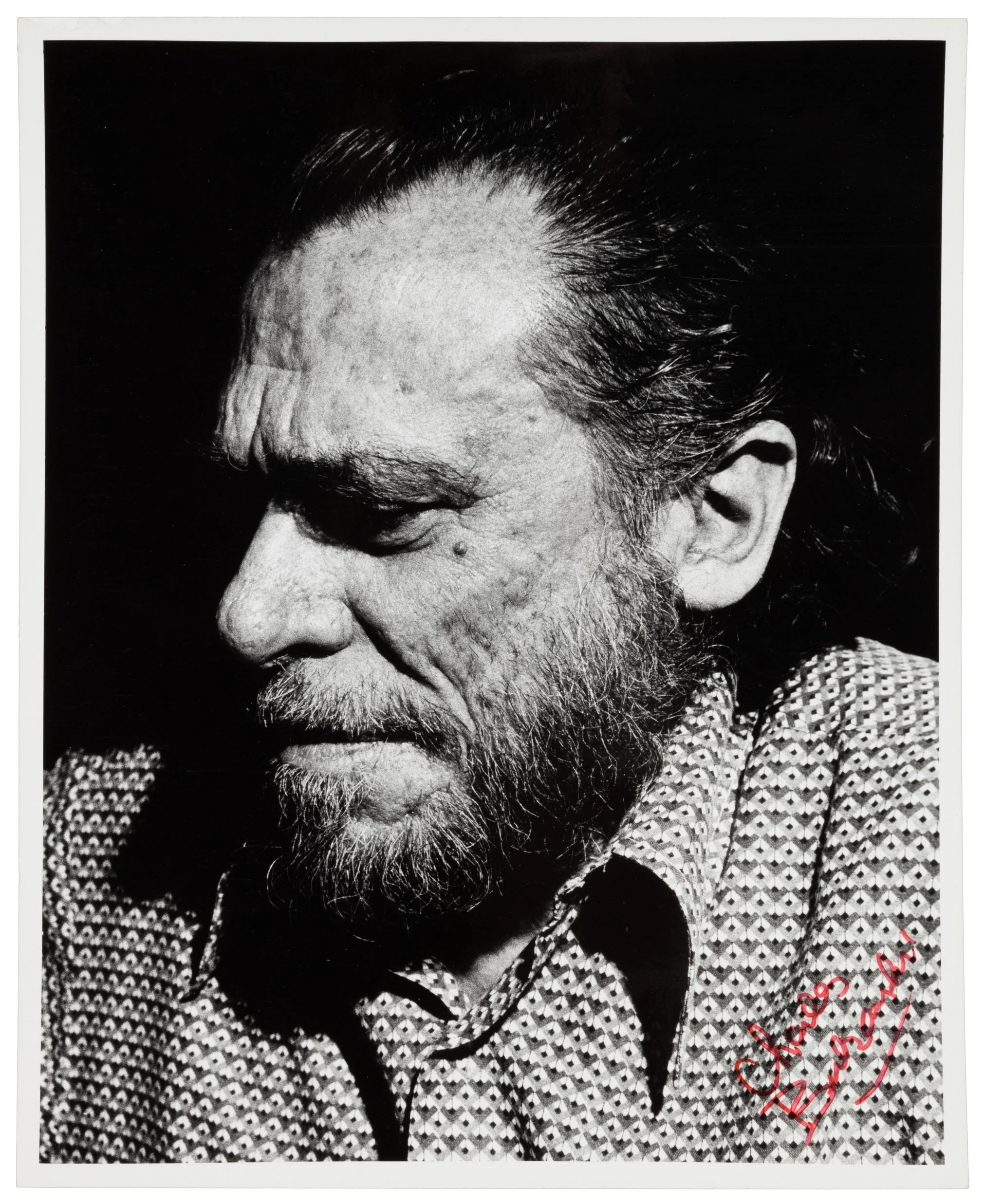
My dear friend is an asshole and a big fan of Bukowski so that tracks 😂

this plus the recent conversation between danny knowles and mark goodwin dovetails uncomfortably well

probably best to withhold our numerology for the second date

?format=1500w&content-type=image%2Fjpeg nostr:note1spm6mktckdgt8shw8dcr5ek4j79f37n9n5vdt82ytlhtdhm8w52sxqzt43

He’s very funny and his rhetorical game is strong. I think Cicero would have approved.

architectural entourage for the win lololol

that was my morning today too, but then I remember my 6th grade year when i wore shorts every day, 365 days, except when skiing. We had two weeks at -27° and I was ridiculous in basketball shorts, parka and winter boots, but kids move a lot 🤷


#penguinstr on penguin awareness day (plus two other types of birds)

taken two years ago. light was tough!

the mental and digital gymnastics we apple users have to go through to larp how we love freedom smdh

Replying to Avatar HannahMR

One of the most important skills for modern humans is understanding and having resistance to social manipulation.

Social media and our digital hyper-connectedness is powerful, I know it, you know it, government agencies know it, corporations know it.

It’s very important to know how it works so that you can develop a resistance to it. This rests on two often uncomfortable truths.

First: We need to accept that human’s are pack animals. Our survival depends on our having a place in a tribe. Your brain stem knows this, your nervous system knows this… you need to be sure that your prefrontal cortex knows this as well. We are wired to align with the group, that keeps us alive, and it also makes us vulnerable to manipulation and the madness of crowds.

Second: Language and the subtleties of language effect our subconscious beliefs. The language we use alters the lens that we see the world through. Like it or not, we need to pay very close attention to the subtleties of the words that we use and that others use. Via subtle language is how new norms are added to our “collective unconscious.”

With these two core pieces understood, we can create a plan for altering common culture. This happens on a long time line, at least 5-10 yrs. Here is how it works…

We have team A and team B, we want to alter the common culture to see team A as the enemy an see team B as the savior… human’s like simplicity… “good guy” vs “bad guy”, no nuance.

First we select a crappy thing that team A is legitimately doing. A way in which team A has indeed fumbled the ball. Then we call it out clearly, make it dramatic, create a sense of injustice and/or fear. And… here is the important part, when we talk about it we slip in subtle language that favors team B.

This works best if you can create little chat phrases again based of a core of truth but with subtleties snuck in. These spread fast. People use them for ingroup signaling, we pick them up quickly to show our belonging to the tribe.

Over time, if you can get people worked up but about the error that team A is making, most will be too distracted by the injustice/danger that they won’t notice the subtlety that you’ve slipped in and they will grow to accept that subtlety. Like the frog in the pot, you slowly turn the temperature up. You find another error, or even slight discrepancy in team A and work on that one, again slipping in more subtle assumptions.

Keep going for years and watch the collective unconscious change. If you can build enough momentum there is a tipping point where these new assumptions become common knowledge and others will blindly go along with them because their instinct to align with the group pushed them to not question too much.

Once you understand this, you can watch this play book in action. It is both fascinating and terrifying.

Well written! I think another thing to add, and something that we’ve all seen happen more blatantly, is when the subtle changes have been made there is a foundation upon which to make large transformations when a crisis occurs. Examples include putting in place a law like the Patriot Act, or the “too big to fail” designations during the GFC.

I love Bayo Akomolafe’s reframing of this situation:

“What if the ways we respond to the crisis is part of the crisis?”

The forward written on his website is wonderfully, poetically articulate on this reframing.

https://www.bayoakomolafe.net/