

Developing the perfect wild foraged herbal antihistamine tea
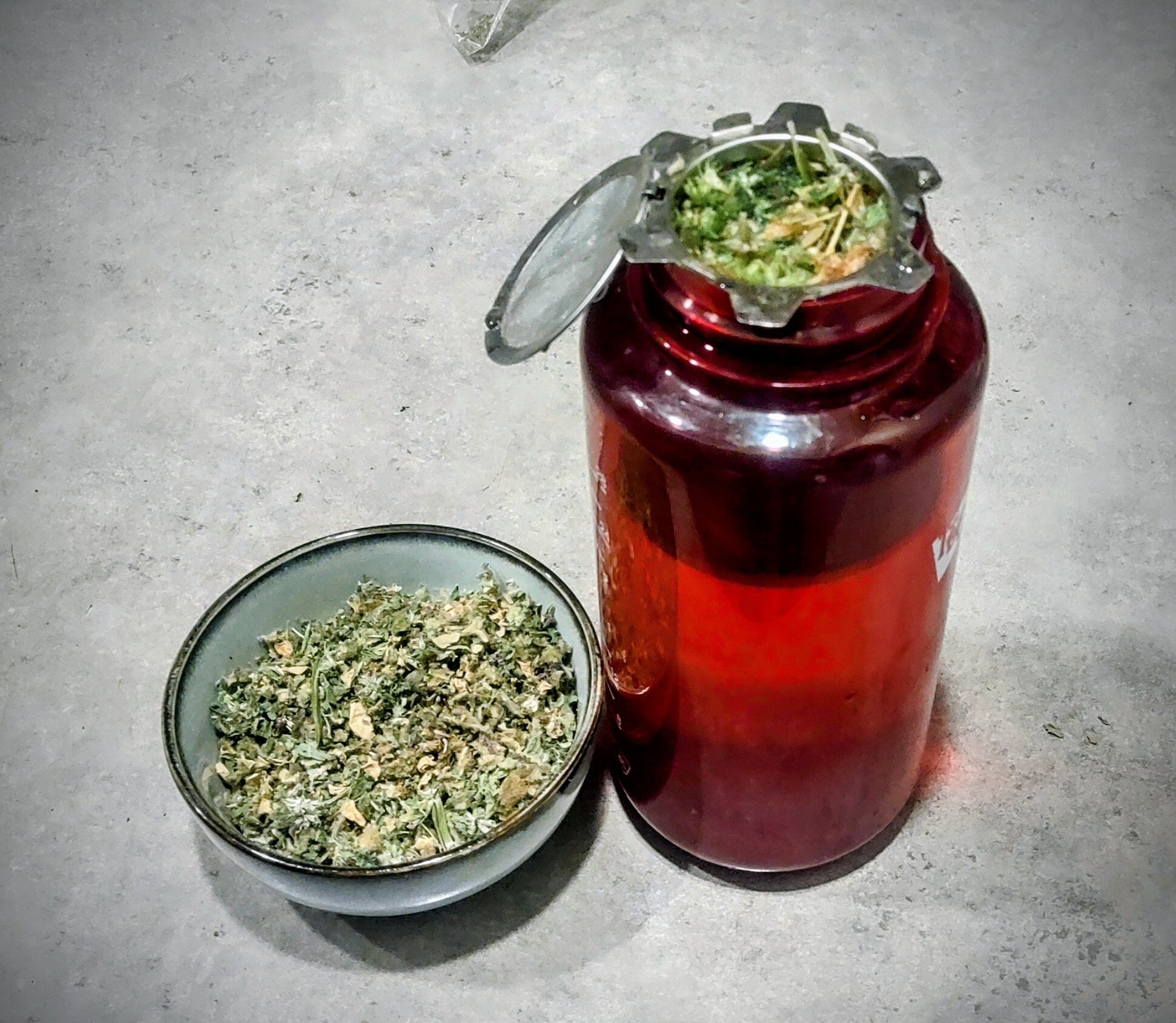
Last year I started making tea with purple dead nettle, a spring ephemeral weed with powerful antihistamine properties, which has effectively alleviated all my allergy symptoms.

Now that I know the tea works, I'm working on adding other wild foraged herbs to improve the flavor. I was adding a spoon of honey with each cup to mask the spinach flavor of the purple dead nettle, but drinking several cups a day added up to a lot of honey.
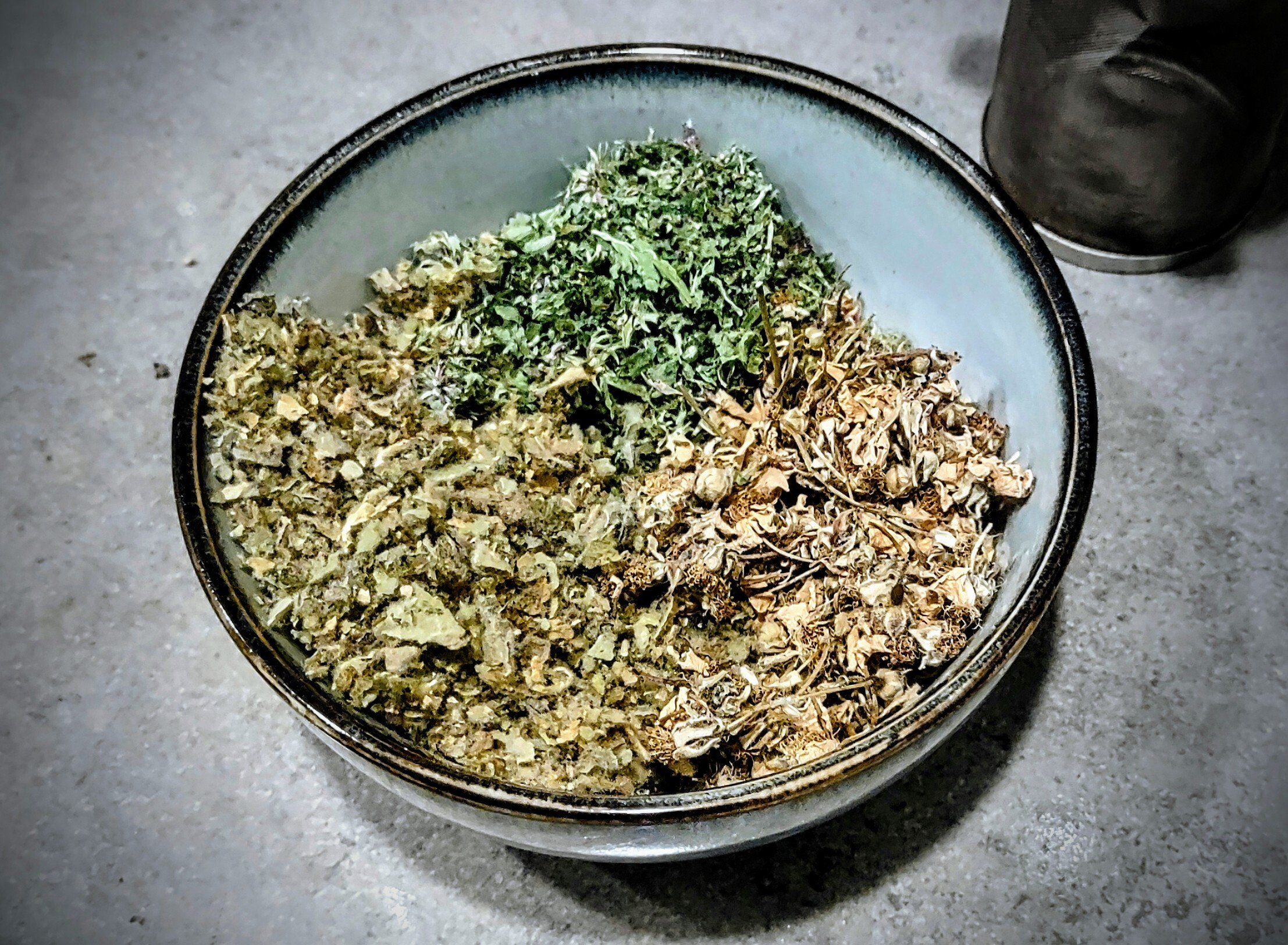
So far I've been happy with a mixture of purple dead nettle, wild rose flowers, mullein, and sumac berries. No honey necessary, it tastes very similar to basic black tea. I've also found that the tea still works well after keeping in the fridge for a few days. Instead of brewing a fresh cup each time, now I brew 32oz of tea at once. It's been refreshing to have a cold drink after being out in the sun getting covered in pollen and having my allergy symptoms quickly dissolve away.
#naturalremedy #wildforaging #foraging #naturalmedicine #tea #grownostr #homesteading #permaculture #permies #meshtadel #allergies