【言谈录】我们为什么要竞争?
克里希那穆提冥思坊 2023-04-03 07:00 发表于北京
图片
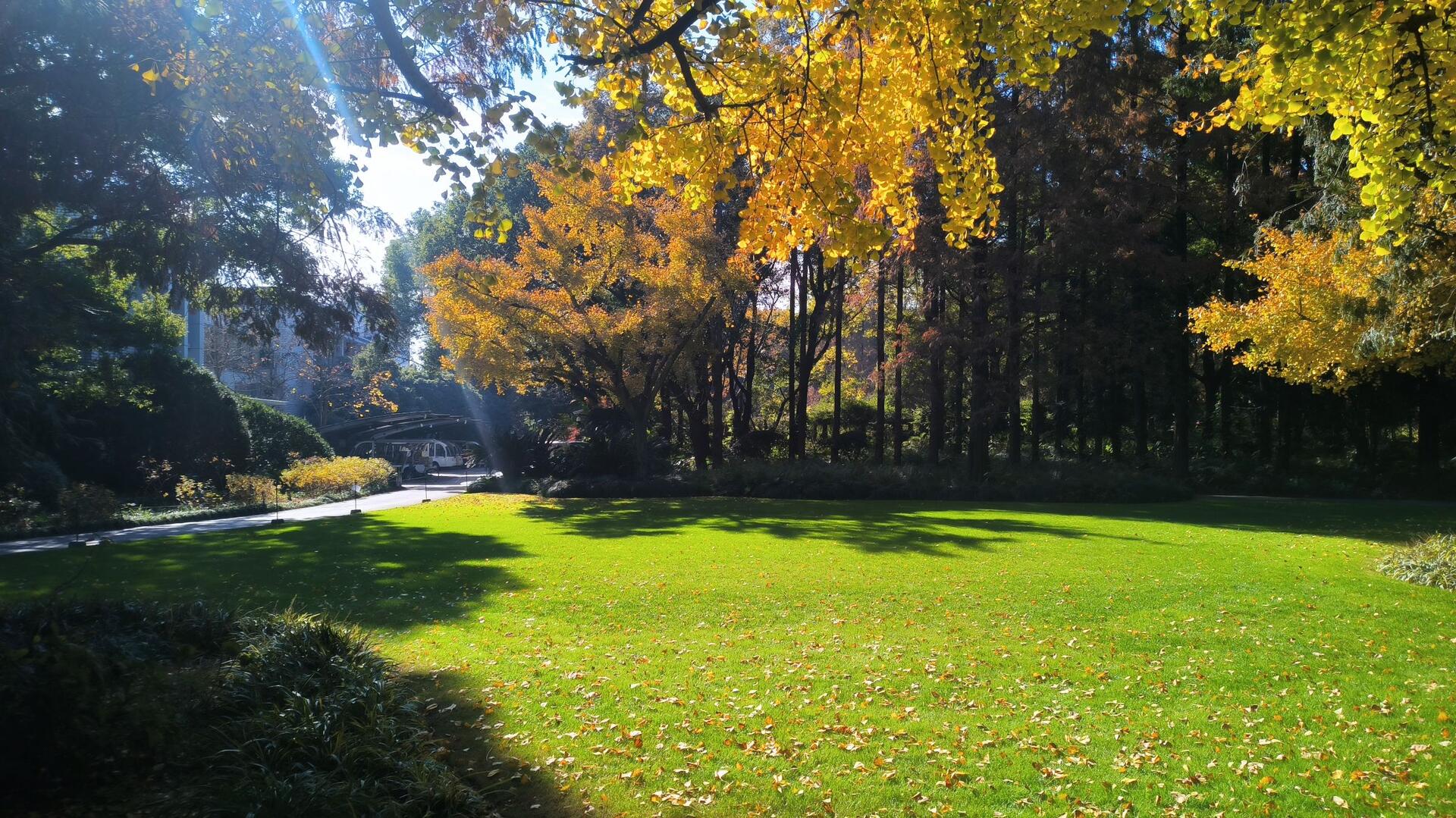
图片:位于加州欧亥(Ojai)的美国克里希那穆提静修中心
Why do we compete? Is it the fault of this society, of our education? Do not blame society for this; society is what we have made it, and if one is not competitive, not aggressive, then in this society one is trodden down, discarded, looked down upon.
我们为什么竞争?是这个社会、是我们的教育的错吗?不要为此责怪社会,社会是我们造就的。而如果你不具有竞争性、不好争斗,那么你就会被这个社会踩在脚下、被抛弃、被看不起。
Are we aggressive because of the emphasis on individual freedom, a freedom that demands that one must express oneself at any cost, especially in the West? There is a belief that if one wants to do something, one does it; do not refrain, do not examine it, it does not matter; if one has an urge, one must act. One can see what aggression does. One is aggressive, competing for the same job, for this, that or the other, fighting each other all along the way, both psychologically and physically.
我们变得具有攻击性,是不是因为对个人自由的强调?而这种自由要求你必须不惜一切代价来表现自己,特别是在西方。有一种信念认为,如果你想做什么,就去做,不要克制,不要审视,那不重要;如果你有某种冲动,你就必须行动。你能看到攻击的后果。你争强好胜,与别人竞争同一份工作,竞争这个、那个或者别的,从心理上和肉体上一直与他人作战。
That is the pattern in which one carries on, part of one’s social education. And to break that pattern it is said one must exercise will. Exercising one’s will is another form of ‘I must’, another form of aggression. One is aggressive, that has been the pattern from childhood imprinted by the mother, the father, by education and society, and from the boys around who are all aggressive. And one likes that, it gives pleasure, one accepts it and so one also becomes aggressive.
这就是传承下来的模式,社会教育的一部分。而要打破这种模式,据说你必须运用意志力。运用意志力是另一种形式的“我必须”,另一种形式的攻击。你有攻击性,而这是你从孩童时代就被父母、教育和社会塑造的,从周围都具有攻击性的男孩们身上习得的。而你喜欢这些,因为这能带来快乐,你接受了它,所以你也变得有攻击性。
Then, as one grows up, somebody shows one the nature of aggression, what it does in society, how competition is destroying human beings. Not only does the speaker say this, but scientists are beginning to say it—so perhaps one will accept what the scientists say. It is explained to one carefully, the reason, the cause, the destructive nature of competition, and of always comparing. Now the mind that does not compare at all is a totally different kind of mind; it has much more vitality.
当你长大成人,有人向你说明攻击的本质——它在社会中所起的作用,竞争是如何摧毁人类的。并非只有讲话者这么认为,科学家们也开始这么说了——所以或许你会接受科学家们说的话。竞争和不停进行比较的原因、由来和破坏性,已经给你详细地解释过了。而根本不比较的心是一颗截然不同的心,它具有更大的活力。
So all this is explained to one, and yet one goes on being aggressive, competitive, comparing oneself with others, always striving for something much greater—not for the lesser, but always the greater. So there is this pattern established, this framework, in which the mind is caught.
所有这一切都解释给你听了,而你却继续保持攻击性、竞争性,把自己与别人比较,总是奋力以求更伟大的东西——不是更小的,而是总想要更大的东西。所以就有了这种既定的模式和框架,心灵便被困在其中。
One listens to this and says, ‘I must get out of it, I must do something about it,’ which is another form of aggression. So can one have an insight into aggression?—not the remembrance of the implications of it, which means constant examination, coming to a conclusion and acting according to that conclusion—that is not insight. But if one has an immediate insight into it, then one has broken the whole pattern of aggression.
你听到了这些,说:“我必须出来,我必须对此做点什么。”这又是另一种形式的攻击。所以,你能否对攻击有一种洞察?不是记起它的各种含义,那意味着不停地研究、得出结论并根据那个结论去行动——那不是洞察。但是,如果你对攻击性有一种即刻的洞察,那么你就已经打破了攻击性的整个模式。
Meeting Life, ‘Aggression’
《与生活相遇》之“攻击性”