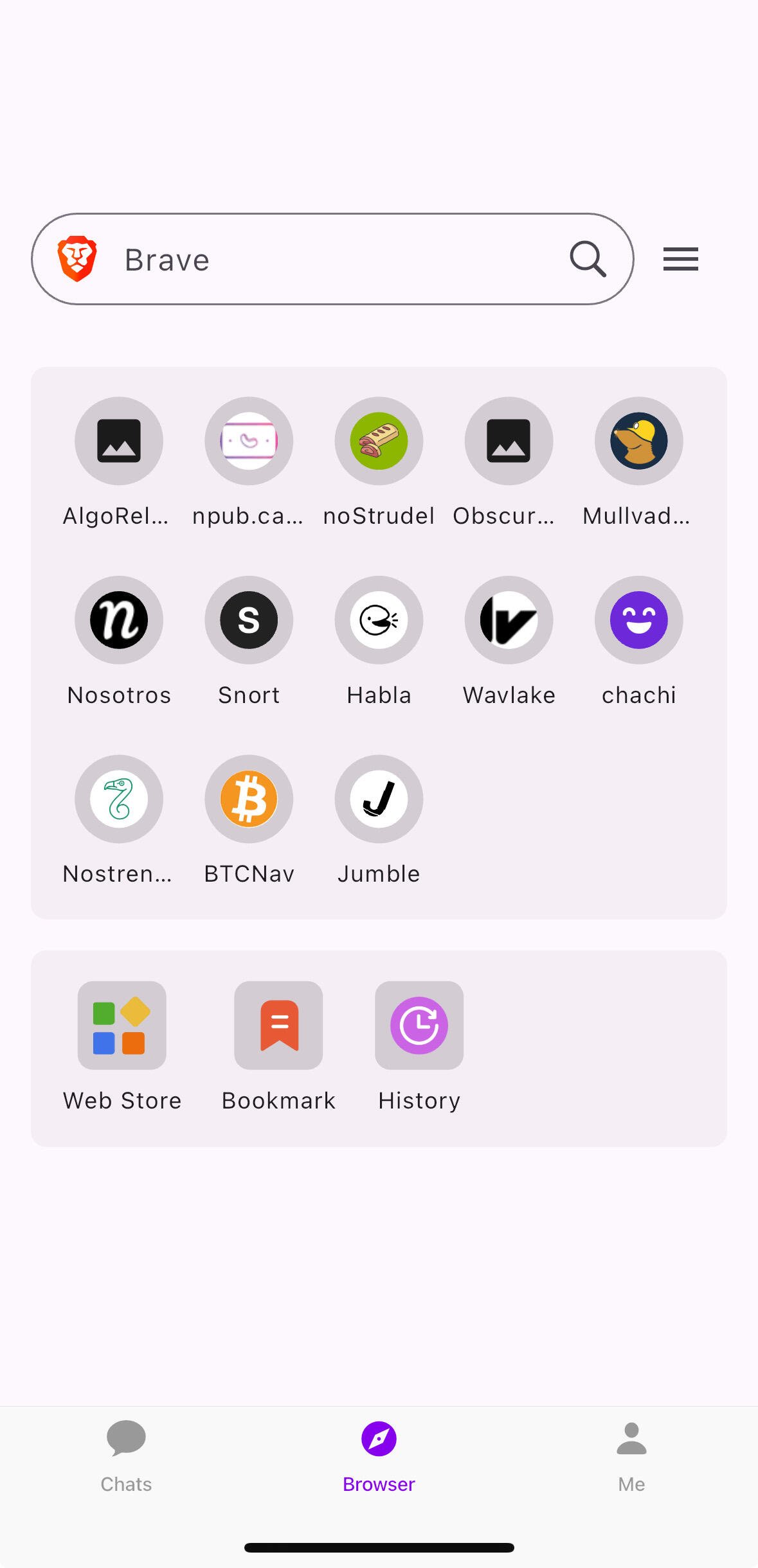
Keychat’s browser is partially inspired by WeChat mini programs.

By studying WeChat mini programs, we realized that WeChat has swallowed and digested browsers.

The relationship between WeChat and mini programs is fundamentally similar to that between a web browser and web apps. Most importantly, WeChat provides mini programs with identity and payment services.

However, WeChat has monopolized the ecosystem. Developers must register with WeChat, and only WeChat can serve as the sole browser for mini programs.

In contrast, Keychat’s ID and wallet are open and permissionless.
Reply to this note

Please Login to reply.

Discussion

How great would it be if you could also host "mini programs" on #Blossom or #ipfs only tied to your npub for publishing updates etc. So no domain, webserver etc required

You have the correct diagnoses, DeltaaChat areived at the same conclusion with their Webdx or something... the only question is if that is enough or if we are in a local minimum and users won't have enough reasons to move from current browsers.

But at least I think this is the correct way forward, for reasons I explained in earlier post about the many things that apps can't do in fragmented way and need a platform to manage them.

Thanks. For us, this is a journey with an unpredictable outcome, but one worth pursuing.

I have tried to promote this for Nostr for a while. Is there a reason this same standard wouldn’t work for you? https://webxdc.org/

webxdc can work in Keychat. webxdc is an offline web, while the web apps in the Keychat browser are online web.

“Webxdc app development and deployment is fundamentally easier than developing for and maintaining an application-specific always-online HTTP server. But there are undeniably complications in arranging consistent web app state across user's devices, a typical issue for any Peer-to-Peer (P2P) networking system.”