
Apple Asks Judge to Dismiss U.S. Antitrust Lawsuit
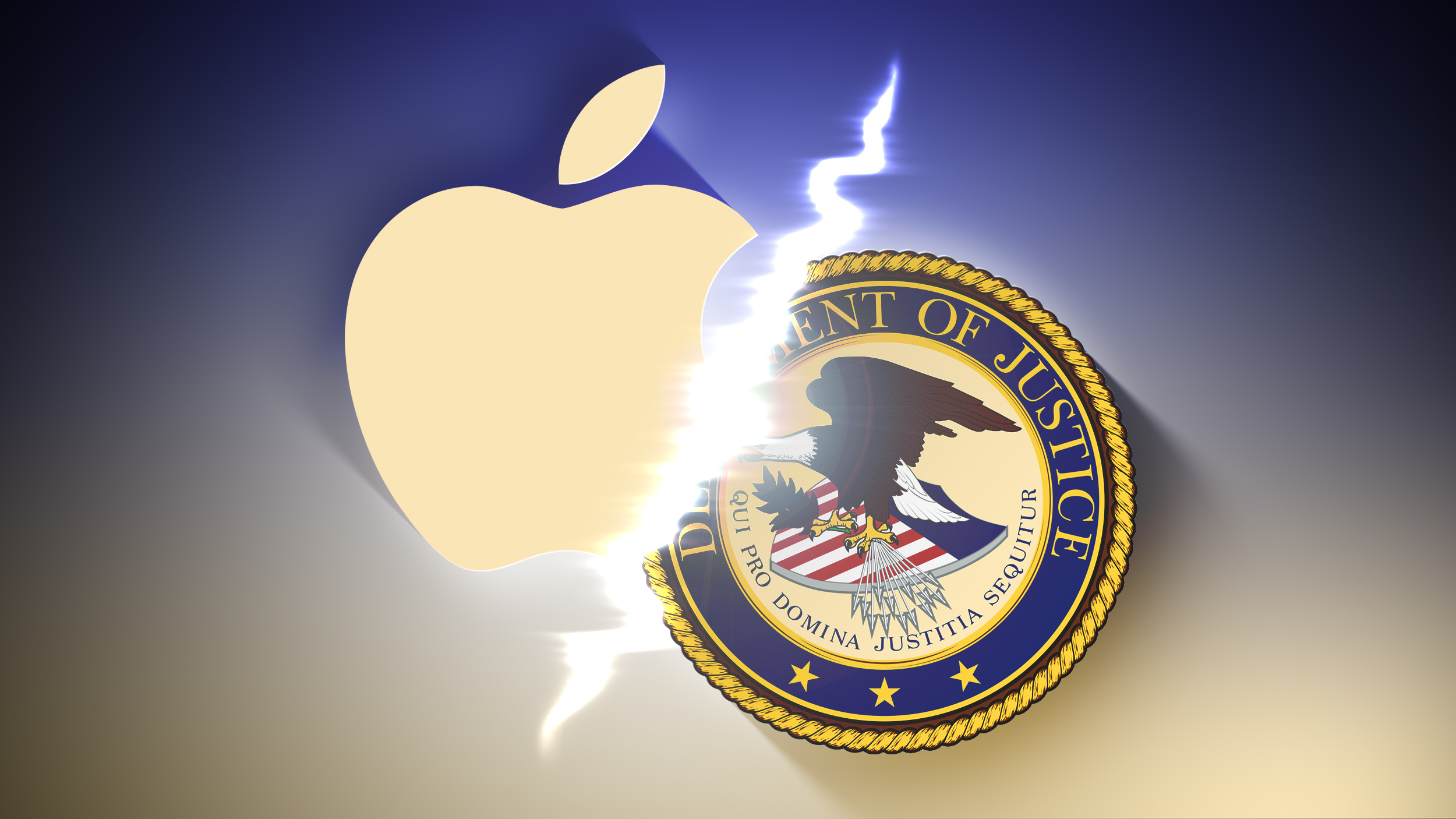
Apple today filed a pre-motion letter seeking to dismiss the antitrust case that the United States Department of Justice (DoJ) levied against Apple back in March.
In the pre-motion letter, Apple says that the government's lawsuit is flawed in multiple ways, and has not successfully alleged that Apple is a monopoly power in the relevant market, proven anticompetitive conduct, or demonstrated consumer harm. From Apple's filing:
This case lies well beyond the outer limits of antitrust law. A Section 2 Sherman Act claim can move past the pleadings only if the complaint alleges (1) monopoly power in a relevant market; (2) anticompetitive conduct; and (3) anticompetitive effects. [...]
This complaint fails on all three fronts. The Supreme Court has repeatedly held that the type of conduct at the core of this case--namely, Apple's decisions about how and whether to grant third parties access to its platform--does not give rise to Section 2 liability as a matter of law.
The DoJ's lawsuit attempts to establish a narrow market category by arguing that Apple dominates in the U.S. smartphone market and the U.S. "performance smartphone" market, but it's going to be tough to win even with that definition. Apple has 65 percent market share in the U.S. smartphone market and 70 percent in the "performance" category, but a designation of monopoly power typically requires a company to have a higher share of the market. Apple has argued that it should be judged based on its global market share, which is at 20 percent.
iPhone, among other things, and Apple says that historically, courts have rejected antitrust claims involving third party platform access.
Further, Apple suggests that the DoJ has not demonstrated that Apple's conduct has had "anticompetitive effects" on the smartphone market. While the lawsuit claims that Apple design decisions lock consumers into the Apple ecosystem, Apple says that it does not have allegations establishing "a factual link between those decisions and consumers' smartphone purchasing behavior."
Judge Neals, who is overseeing the case, required Apple to file its pre-motion letter to dismiss by today, and the DoJ's response is due on May 30. From there, the two parties will have a conference with Neals. After that, the full motion to dismiss will be filed, but this is not expected until mid-June at the earliest.
The government will need to respond 35 days after Apple files a motion to dismiss, and Apple will need to submit a reply brief 21 days after that. At that point, there may be a hearing, which is not expected to take place until September or later, and a ruling on the motion to dismiss will come late in 2024 or early 2025.
The lawsuit on the whole is going to be a multi-year process with Apple's answer to the initial complaint, discovery, trial, and additional appeals coming if the judge does not grant Apple's motion to dismiss the case at this point. It is unclear how the antitrust case will play out, because the DoJ's aim is to secure a ruling that does not fit with antitrust precedent in order to push antitrust law into new areas.
Apple vs. the U.S. Department of Justice guide that breaks down the case, the DoJ's argument, and what consumers can expect as the lawsuit progresses.
Tags: DOJ, Apple Antitrust, Apple vs. DoJ
This article, "Apple Asks Judge to Dismiss U.S. Antitrust Lawsuit" first appeared on MacRumors.com
Discuss this article in our forums
https://www.macrumors.com/2024/05/21/apple-dismiss-antitrust-lawsuit/