
Replying to Avatar rev.hodl

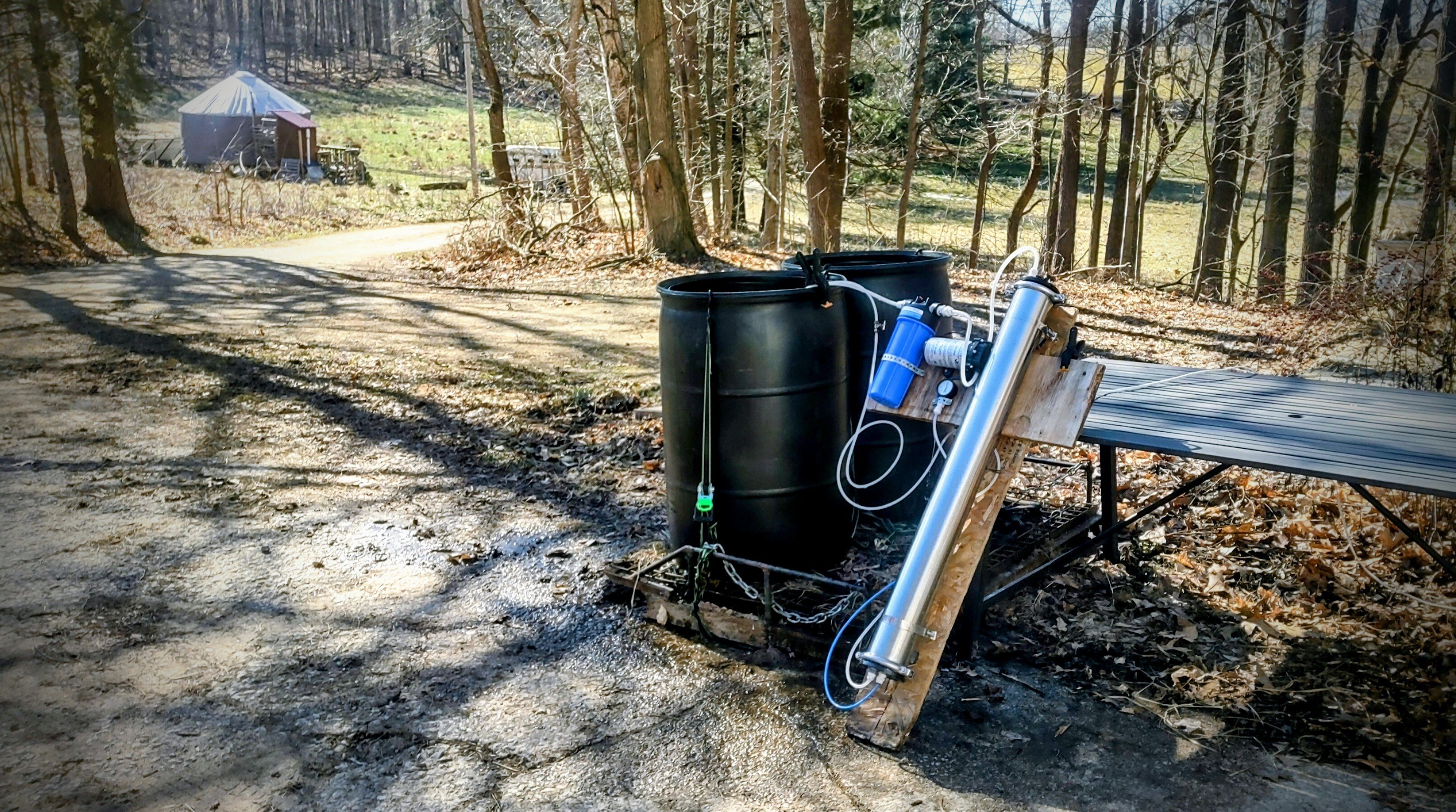
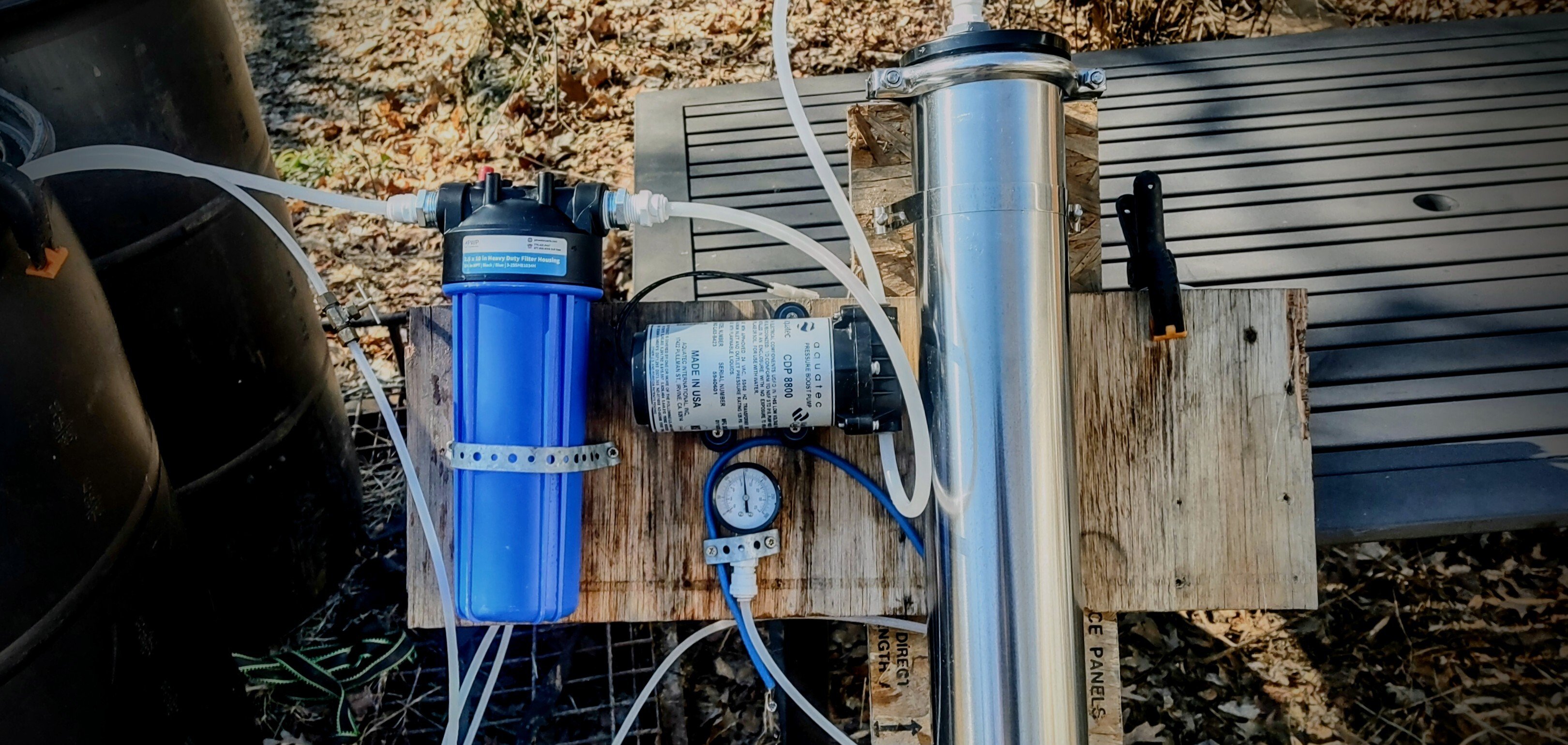
Using a homemade reverse osmosis system to concentrate maple sap

https://v.nostr.build/K362.mp4

When I started making maple syrup, I only tapped a few trees and boiled off the water with propane. It was clear that continuing to use propane wouldn't scale but at the same time I didn't want to spend the time building a wood fired boiler or the money buying one. I had just started heating the house with wood via a rocket mass heater, so if I was going to prepare firewood it would be more valuable heating the house instead of boiling maple sap.

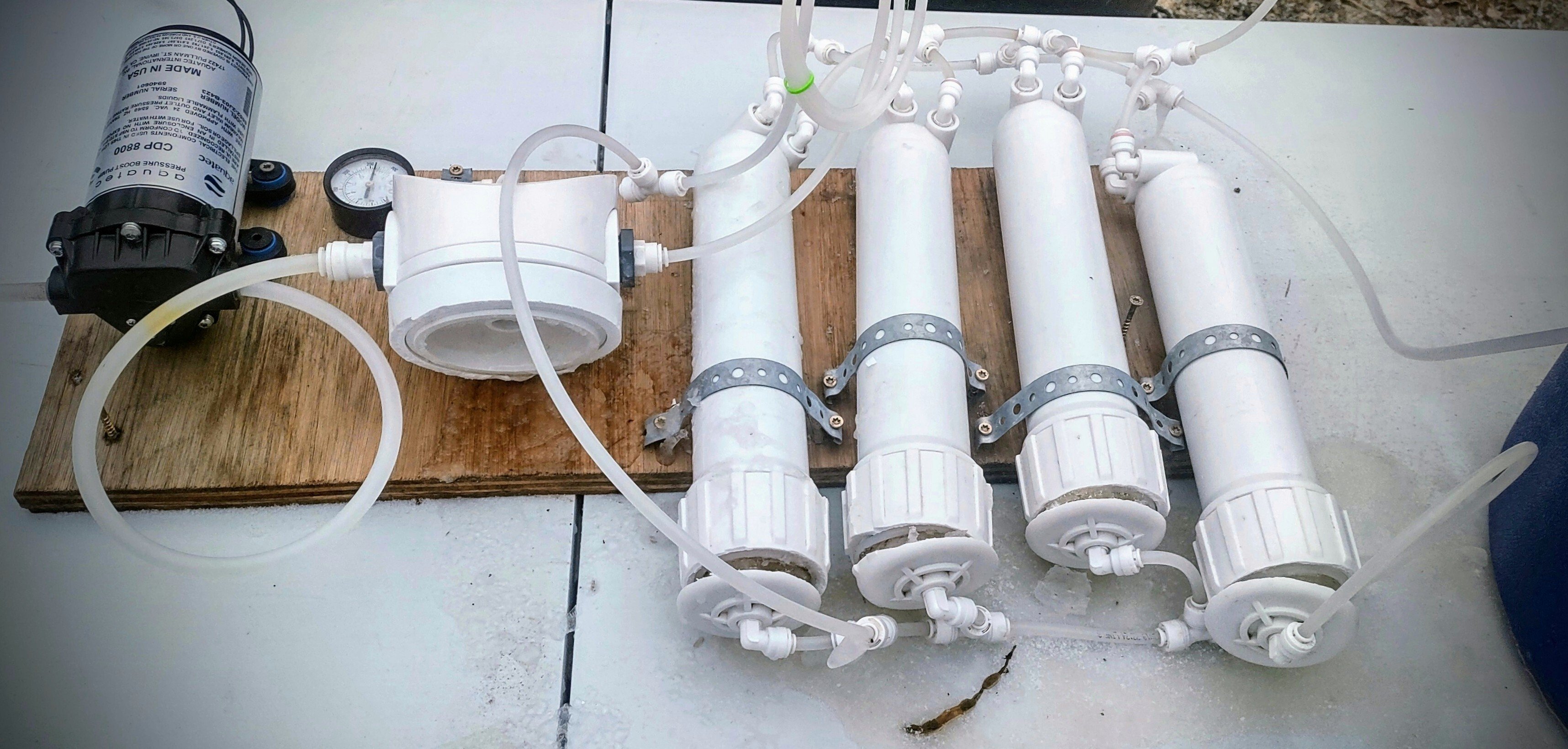
Ultimately, I found some plans to build an affordable reverse osmosis system which would concentrate the sap by removing most of the water before starting to boil.

I used it successfully for a couple years but I got greedy and left it out over night. It ended up freezing and was destroyed by the ice. I was reaching the limit of what I could process with it which was why I tried to run it overnight in order to keep up. This mistake, forced me to upgrade to the current system which should allow me to continue to scale the maple sugar making system here at the homestead.

Some things I want to clarify from the video, the filter can concentrate the sap from around 2 brix to about 6 brix and the pump uses ~45w of power. The actual energy cost to concentrate the sap will depend on the starting sugar content and temperature. So when I say 65 cents that is a very general figure. The biggest takeaway is that the filter if maintained properly will concentrate sap using much less energy than boiling. However, if the filter gets fouled (or frozen...) much of the cost savings are erased.

#homesteading #permaculture #permies #maplesyrup #maplesugaring #maplesugarbush

nostr:nevent1qqs0a2293633s85qn64u8vr7r8m56qx2nt9lvjmrpz6tdpxq7mvfq8cpzemhxue69uh5ummnw3ezumn0dahx2uewvdhk6q3qf5pre6wl6ad87vr4hr5wppqq30sh58m4p33mthnjreh03qadcajsxpqqqqqqzgyuy6s

If you get the Brix high enough that it doesn't ferment you don't have maple syrup you have a locally adapted biological innoculant for maple trees. That's so expensive to buy because I just made the idea up and I am not as young as I used to be so it taken literally decades to come to that thought. 💸🫠💸

Now I am not a sugar maple expert but I would assume the basic biology is the same across all Acer's though- I think the north american ones evolved without worms so it might need to be tested/researched a bit. However if you found it helped on Japanese maples you have a whole bunch of Bonsai enthusiasts and landscape gardeners to sell to. Japanese maple prices are frankly insane.

Reply to this note

Please Login to reply.

Discussion

That's a great idea! Do you know people that are looking for a product like that? I have no idea how to find anyone.

Being on a different continent has it's drawbacks! I don't think anything I suggest with regards to that will do you much good. It's an area that you will be seeing more of very soon and that's what I will be doing here in England in the coming years.

What I will do if you don't mind is to throw the idea out to people on my course. There are lots of people from all over the U.S doing it and hopefully someone will be near to you and might have some ideas or we could atleast watch a video of it under the microscope.

What bacteria is it an inoculant of? Only inoculant I am familiar with is legumes for fixing nitrogen.

Plants absorb bacteria and fungi through their roots, consuming some and redespositing others elsewhere in the soil continuing this growth cycle. This is process called rhizophagy. So you are going to finding all these endophytes (things that live at the end of the root hairs) in their plant sap.

You would need to check the sap with a microscope to confirm what's actually there though.

Rhizobia is the most famous one because it's been know the longest. But baker/ale/wine yeast is another endophyte that partners with loads of plants so it probably have that in this sap.