The creation of the mobile phone is the most liberating yet addictive drug ever created… and yes, it’s a drug. It doesn’t enter the body like a pill or powder, but the distinction between a chemical substance and a behavioral dependency becomes blurred when its effects on the brain are so profound.
It’s becoming almost indistinguishable between social media sites and casino slot machines—both are engineered to exploit the brain’s reward system. These methods are so effective that they activate mechanisms akin to cocaine, creating psychological cravings that keep users hooked. It even provokes phenomena like phantom calls and notifications, where users imagine their phone buzzing or ringing, despite no actual interaction.
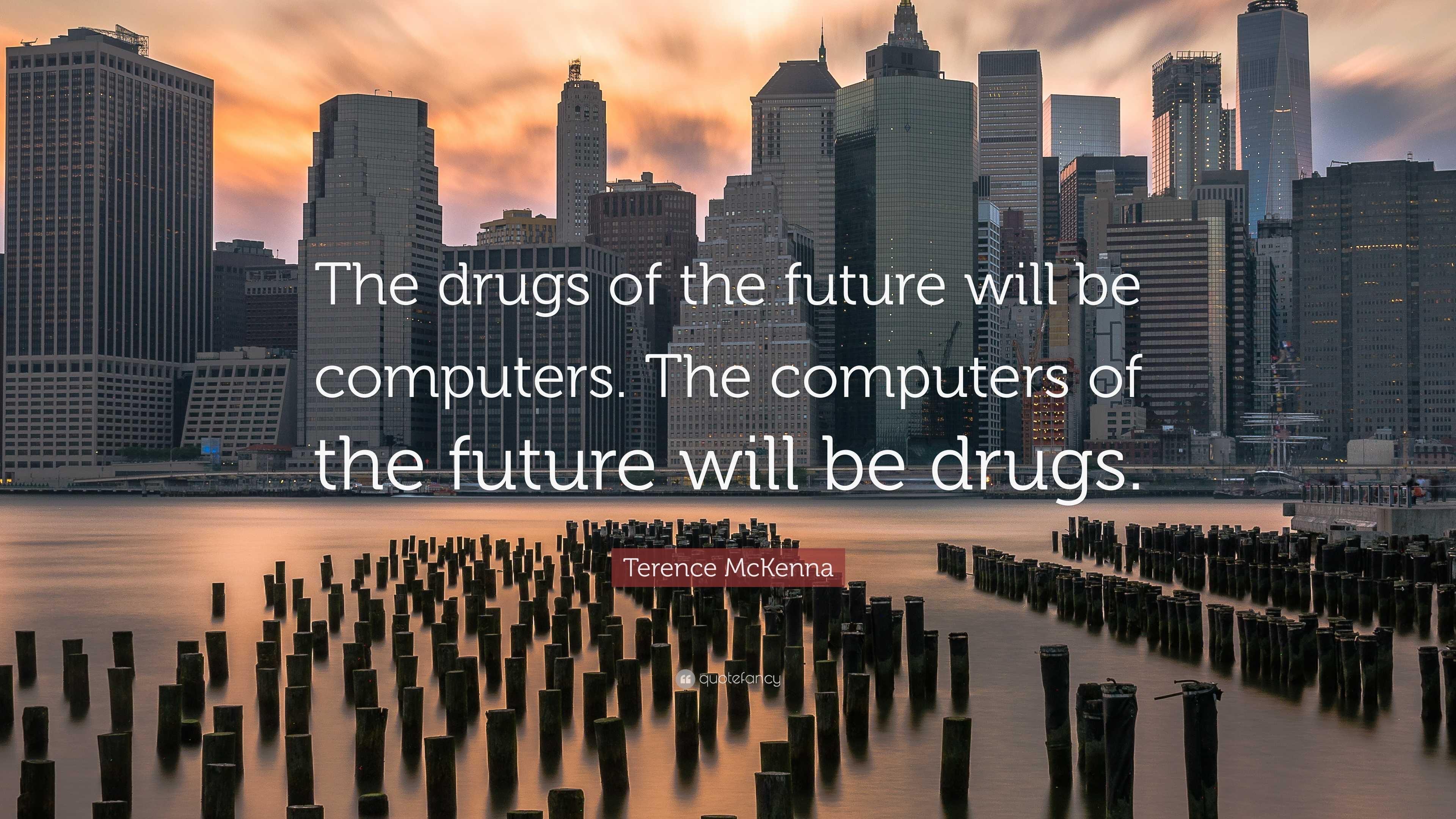
In my belief digital dependency redefines addiction—not as a chemical imbalance, but as a compulsive need for connection, validation, and the ever-elusive dopamine hit. It’s essentially what Terence McKenna once spoke about:
"The drugs of the future will be computers. The computers of the future will be drugs."