

I've heard of people using these but never seen the setup. Very cool! I'm in the heart of syrup country and I'm surprised that more people haven't switched to something similar. It is awfully fun standing around a boiler for a week straight feeding a fire though so can't blame them entirely. Well done!
Using a homemade reverse osmosis system to concentrate maple sap
https://v.nostr.build/K362.mp4
When I started making maple syrup, I only tapped a few trees and boiled off the water with propane. It was clear that continuing to use propane wouldn't scale but at the same time I didn't want to spend the time building a wood fired boiler or the money buying one. I had just started heating the house with wood via a rocket mass heater, so if I was going to prepare firewood it would be more valuable heating the house instead of boiling maple sap.
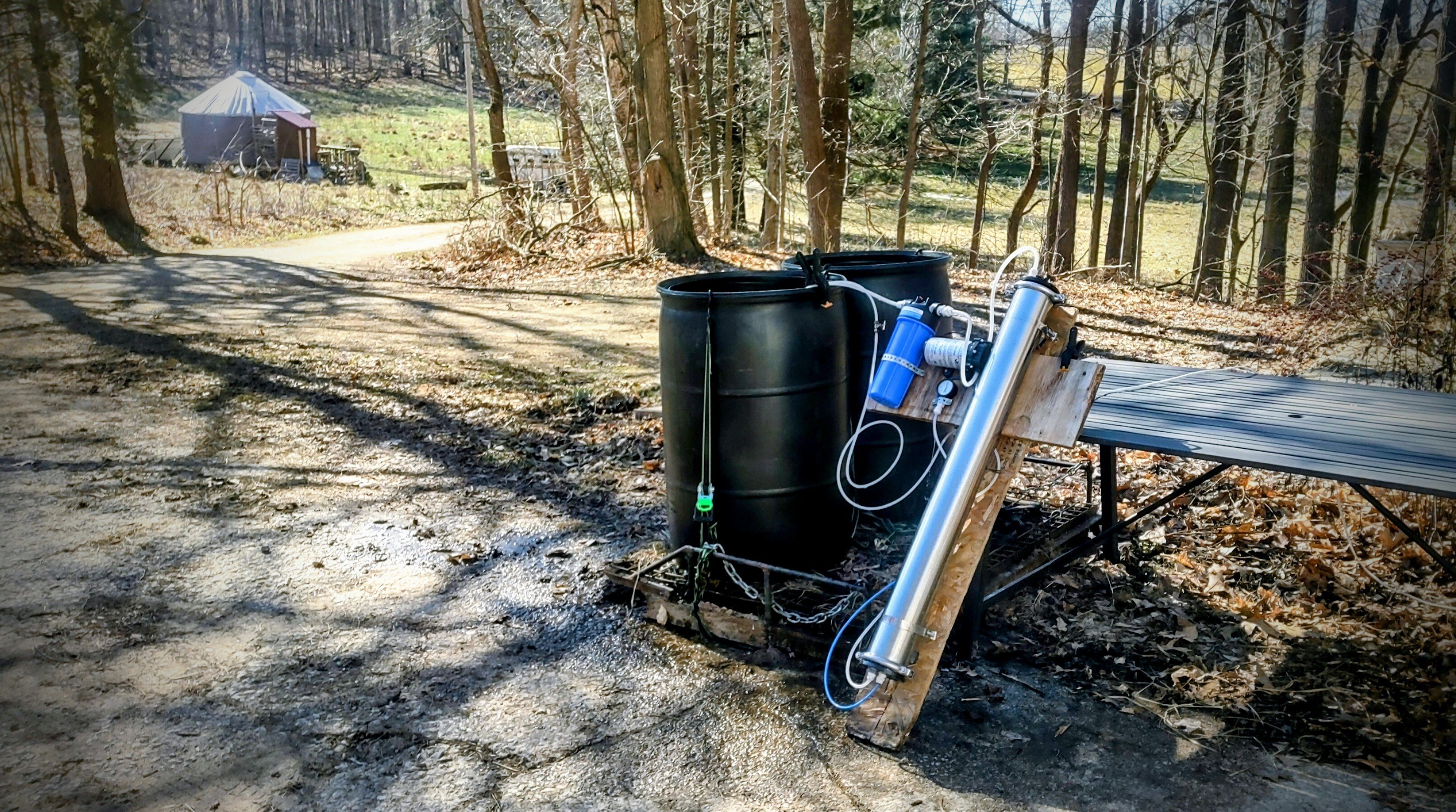
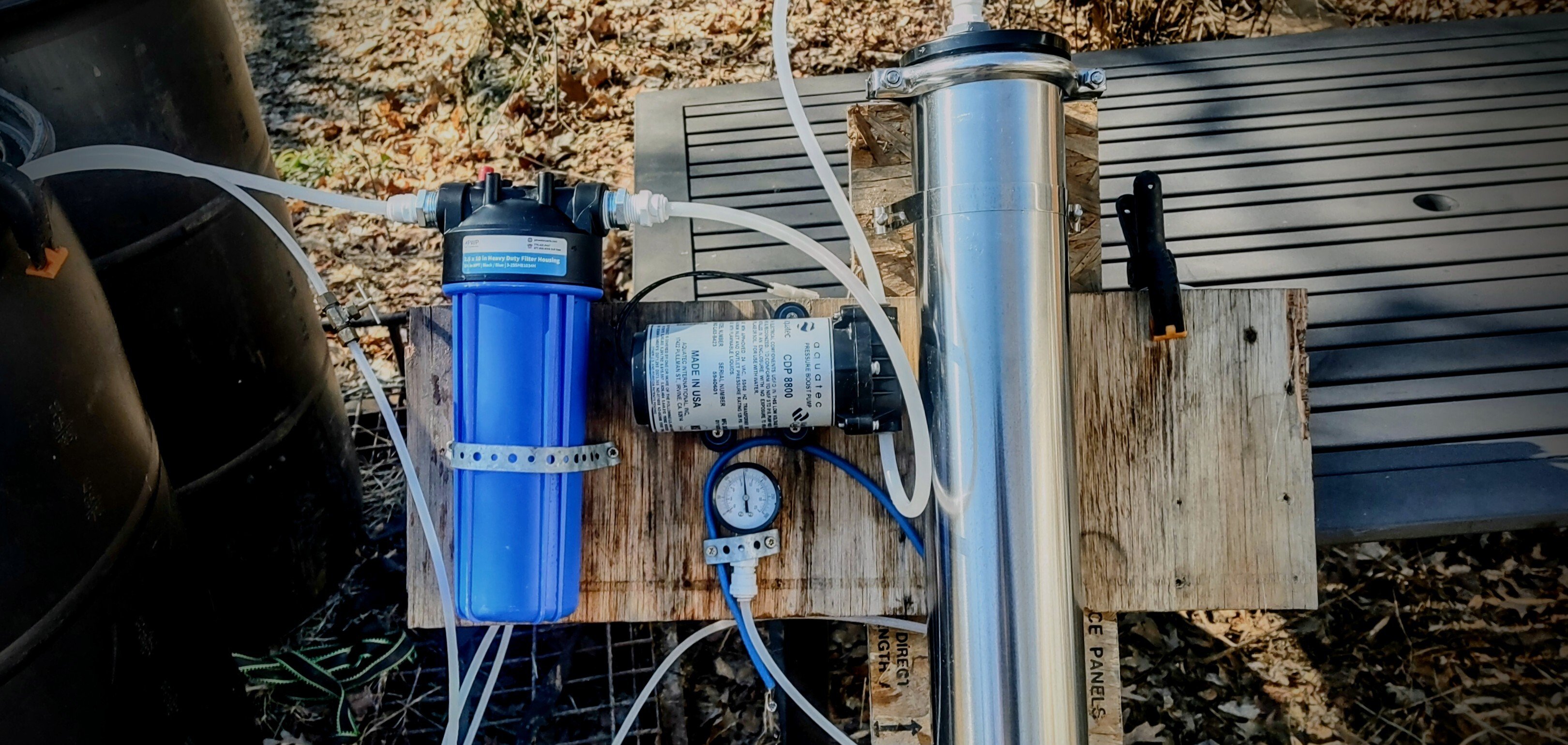
Ultimately, I found some plans to build an affordable reverse osmosis system which would concentrate the sap by removing most of the water before starting to boil.

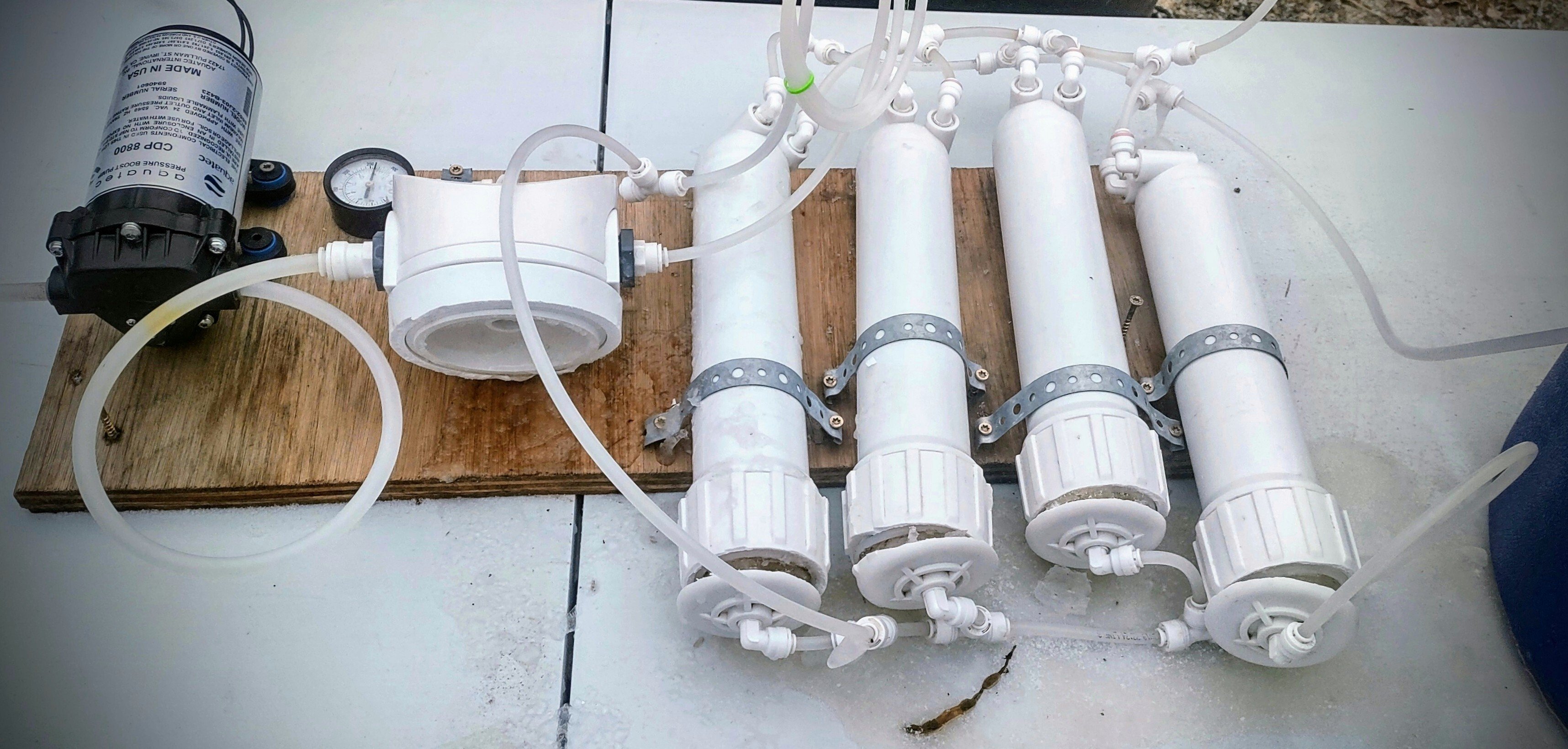
I used it successfully for a couple years but I got greedy and left it out over night. It ended up freezing and was destroyed by the ice. I was reaching the limit of what I could process with it which was why I tried to run it overnight in order to keep up. This mistake, forced me to upgrade to the current system which should allow me to continue to scale the maple sugar making system here at the homestead.
Some things I want to clarify from the video, the filter can concentrate the sap from around 2 brix to about 6 brix and the pump uses ~45w of power. The actual energy cost to concentrate the sap will depend on the starting sugar content and temperature. So when I say 65 cents that is a very general figure. The biggest takeaway is that the filter if maintained properly will concentrate sap using much less energy than boiling. However, if the filter gets fouled (or frozen...) much of the cost savings are erased.
#homesteading #permaculture #permies #maplesyrup #maplesugaring #maplesugarbush
Discussion
I've got 116 taps this year and can go up to 250 next year. I think once I scale up next year I'll have to build some sort of wood fired boiler. It's been interesting learning about where the biggest efficiency gains can be found as I scale up. Last year I totally redesigned my strategy around which trees to tap and how I went about collecting. It ended up saving me tons of time. When I only had 30 taps, the collection process didn't seem that important.