1. Money: Money is a medium of exchange for goods and services. For example, US Dollars, Euros, Yen, etc, are all forms of money that can be used to buy things.
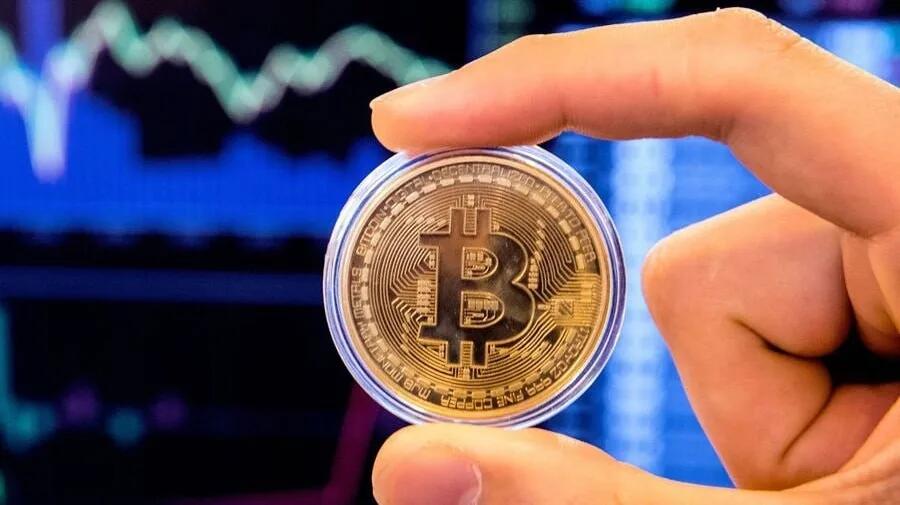
2. Bitcoin: Bitcoin is a decentralized digital currency, without a central bank or single administrator, that can be sent from user to user on the peer-to-peer bitcoin network without the need for intermediaries.
3. Differences between fiat money and digital money:
a. Issuance: Fiat money is issued by the government while cryptocurrencies like Bitcoin are mined and awarded to network participants.
b. Centralization: Fiat money is centralized under the control of financial institutions and the government, whereas digital money operates on decentralized systems.
c. Tangibility: Fiat money exists in physical form (coins, banknotes), digital money only exists digitally.
d. Anonymity: Bitcoin transactions are pseudonymous unlike fiat where transactions are connected to individual's identity.
e. Supply: The supply of fiat money is regulated by the government and central banks, while the supply of digital money like Bitcoin is fixed.
f. Transaction time: Digital transactions can be faster than fiat transactions, especially for cross-border transfers.
4. What does Bitcoin solve that fiat can't:
a. Bitcoin reduces the need for intermediaries in financial transactions, reducing costs and enhancing efficiency.
b. Bitcoin operates on a decentralized platform enhancing security and reducing risk of a single point of failure.
c. Bitcoin has a capped supply, making it immune to the inflation that affects fiat currency.
d. Bitcoin transactions are borderless and hence it makes international transfer easier and quicker.
5. Bitcoin is termed as sound money because it has a capped supply, meaning it’s immune to the inflation that affects fiat currency. The scarcity aspect of Bitcoin makes it a good store of value.
6. We need decentralization to reduce the risk of single point failure, to eliminate trust in a central party, improve transparency and promote a fair and inclusive financial system.
7. The history of Bitcoin: Bitcoin was unveiled to the world in October 2008 when the pseudonymous person or group of persons named Satoshi Nakamoto published the Bitcoin whitepaper. Nakamoto mined the first block of Bitcoin, also known as the Genesis block or Block 0, in January 2009 and received a reward of 50 bitcoins. Over the years, Bitcoin gained popularity as its value increased and it became a popular investment choice for many. Despite numerous ups and downs, controversies, and debates about its viability, Bitcoin has managed to remain the leading cryptocurrency.
