
Let me know if I get your point. The interoperability of Nostr ensures that the extent of its market is (almost?) infinite. This means that you can roundabout (make more productivo) parts of Nostr without the need of centralized firms. You have the tools and the size of the population that benefits from that.
Discussion

But you don’t have any incentive today to keep things interoperable at scale, actually, the opposite is true today - the more users get into nostr, the more centralized it becomes.
Recently as far as I know latest consensus - this is not important vector to focus on and there is only hopium so called outbox model would solve this problem
There is centralization at the start where there isnt enough demand otherwise. As demand for a service type increases, alternatives are built creating decentralized choices. Protocols must be open, or else a first mover risks being eventually silod.
What makes demand for relays increase in future? Do you believe nostr onboards millions of users and they all understand the value of censorship resistanceness and they would pay relay operators directly for holding their data?
not quite.
Almost everything in big tech is closed and non interoperable.
Which means each big tech must replicate the entire stack. Search, authentication, algorithms, etc.
Each component becomes entrenched and a competitive advantage.
Replicating each component for a small company or a solo-dev is basically impossible.
But that's not the case with Nostr.
Good example:
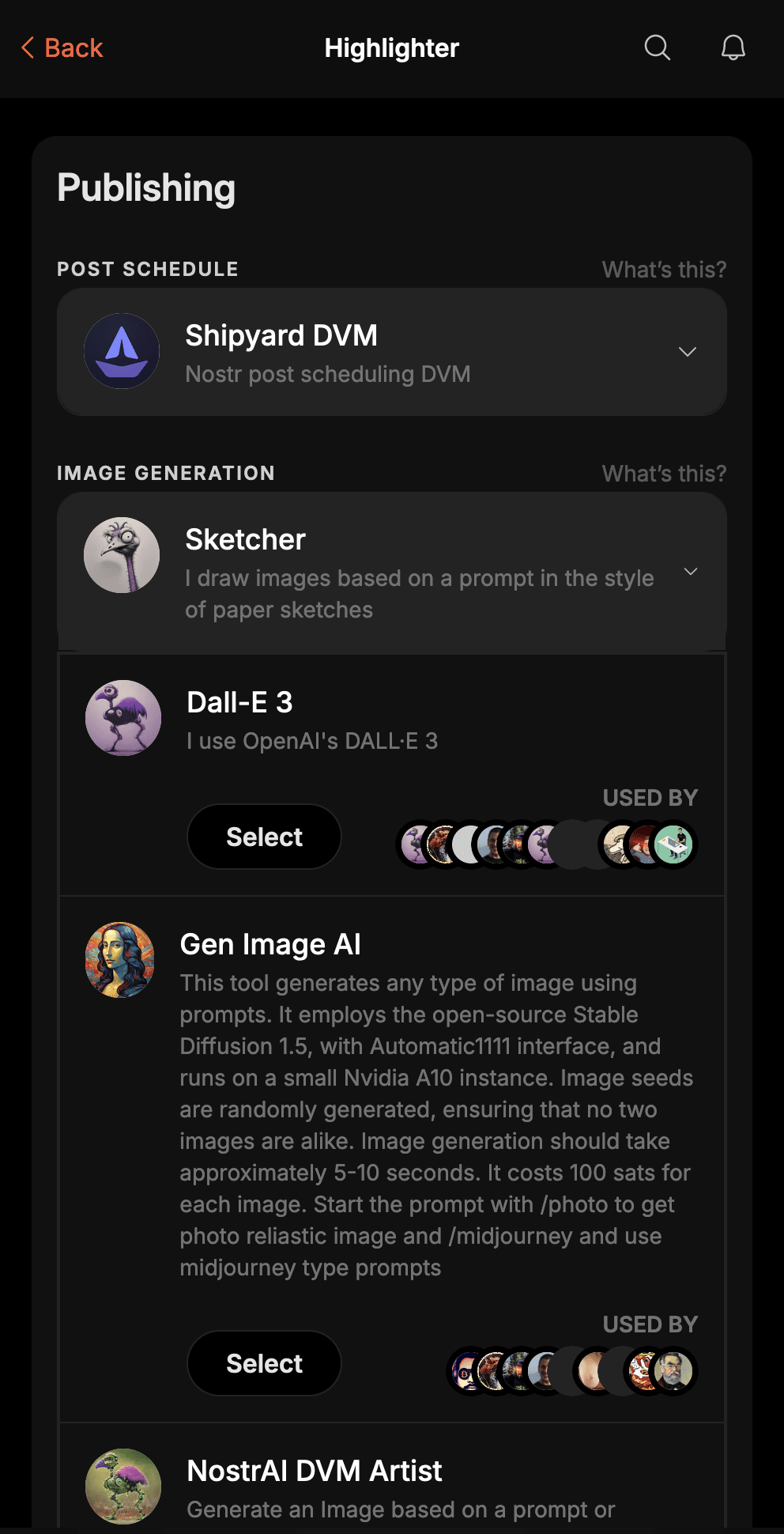
* nostrudel doesn't have to implement it's own content-discovery algos; it can tap an infinite market of interoperable algos
* amethyst, coracle and primal can provide the same
* this applies to EVERYTHING, not just algos. Search, image generation, speech synthesis, post scheduling, timestamping
EVERYTHING.