Chad Van Dixhoorn, [Is the Larger Catechism Worthwhile?](https://www.opc.org/new_horizons/NH00/0010b.html)
#Reformed #Christian #grownostr
Chad Van Dixhoorn, [Is the Larger Catechism Worthwhile?](https://www.opc.org/new_horizons/NH00/0010b.html)
#Reformed #Christian #grownostr
Interested in reading how/why you wound up in the reformed tradition.
I really appreciate you asking. Boring as it may be for most, even irritating for some, here goes a very condensed version.
I think it started when I really examined the question about "Total Depravity" -- who was right, Augustine or Pelagius? After all, it had an immediate impact on evangelistic efforts, didn't it? Assuming Scripture was the revealed word of God--inspired, inerrant, and infallible--I had to eventually side with Augustine. It was undeniable; I began to see the "doctrines of grace" on every page of every Gospel and every Epistle. Then I was "done for": once one embraces the "T" (in the acronym TULIP, derived from the synod of Dordt), then everything else (i.e., the rest of the "TULIP" -- Unconditional election; Limited Atonement [aka Particular Redemption], Irresistible grace [a la Lazarus], and Preservation of the saints) falls out by the sheer force of logic (and is confirmed in each point by Scripture).
So, that brought me to a kind of "bare" Calvinism. But Calvinism is much more than merely the "five points" defended in the Synod of Dordt (see Richard Muller, "How Many Points/"). The more I studied the various controversies--asking "well, which side gets it right, according to Scripture?"--the more clearly my "belonging" slowly came into focus. Augustine over Pelagius, Athanasius over Arius, the West over the East (on the filioque question), Luther over Erasmus, Calvin over Arminius, etc. etc., and (in more recent history) Machen over the (gnostic!) Modernists. I already loved Francis Schaeffer--I then loved his favorite professor Cornelius Van Til even more. Much more, I loved Van Til's favorite professor, Geerhardus Vos (and his star student, Meredith Kline).
I then asked where this "ethos" this "tradition" existed today, and I found the NAPARC churches in general (faithful against the trends of culture) and then the OPC in particular. When the opportunity came, I walked into a small-town OPC almost 20 years ago, was greeted with warm hospitality and deeply scriptural preaching and haven't left since. I'd left the "entryway" of Mere Christianity and found my "living room"--where life is really lived--to borrow Lewis' metaphor.
The full details of the journey--the many denominations I "tried out" intellectually and in person, the relationships gained and lost along the way--would be rather boring. Even more boring than this was already!
How did you end up in your tradition--is it Eastern Orthodox (forgive me if I'm wrong)?
I appreciate the response brother! As for me,
I grew up about as secular as it gets. I attended some variety of church service maybe 5 times my first 28ish years alive. I met my now wife in that 28th year and knew she was a church goer, so, in order to get the gal I started attending her non denom church with her. Super long story short: I fell in love with Holy Scripture thanks in large part to her family, and like many curious seekers, I stumbled upon Jordan Peterson's Genesis lectures which definitely grabbed my attention. Not long after that I found his friend Jonathan Pageau giving a lecture on symbolism and was really blown away by what he had to say. I started hearing a lot about the church fathers through Pageau's different talks, specifically St. Gregory of Nyssa (Life of Moses), St. Ephraim the Syrian (Hymns on Paradise...my favorite book of all time), and St. Maximos the Confessor (The Cosmic Mystery of Jesus Christ) and decided to read some of their writings. Naturally, after getting through a few books, I was flabbergasted as to why I hadn't heard a mention of these ancient fathers in the church circles I was familiar with and realized very quickly how ignorant I was to church history. I went down the church history rabbit hole and just could not get enough (still can't) of all these early Christian writings. There is so much more to say as I know you understand, but it was reading the early fathers that did it for me.
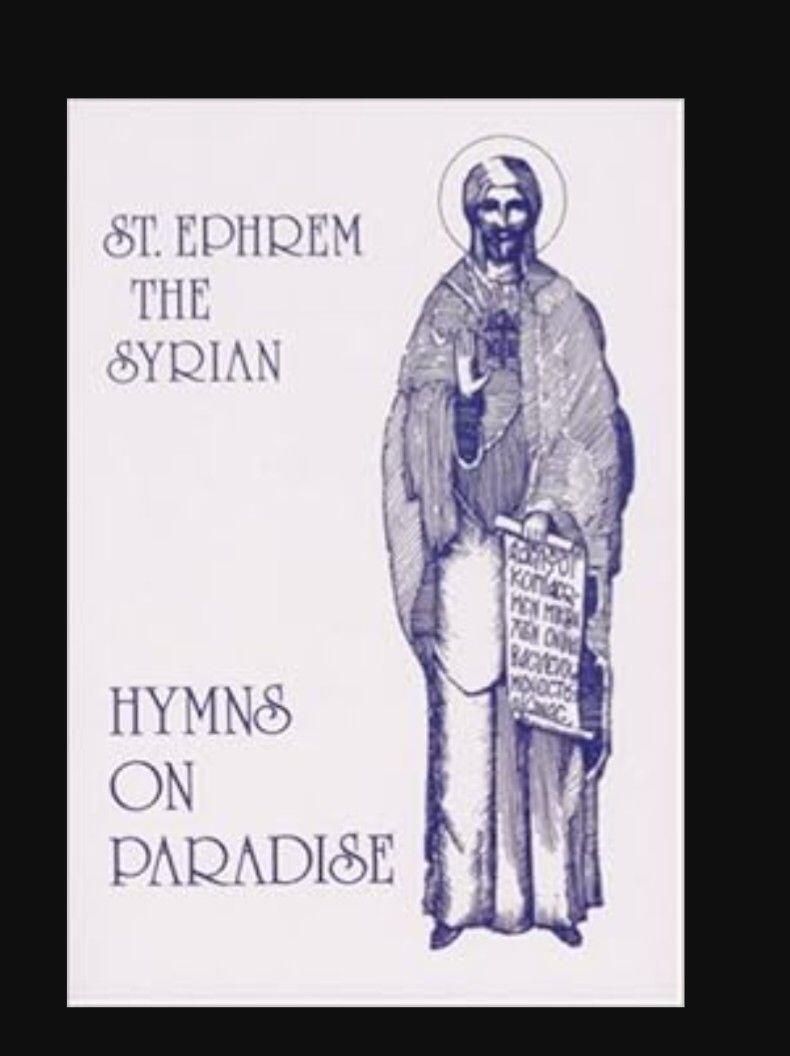
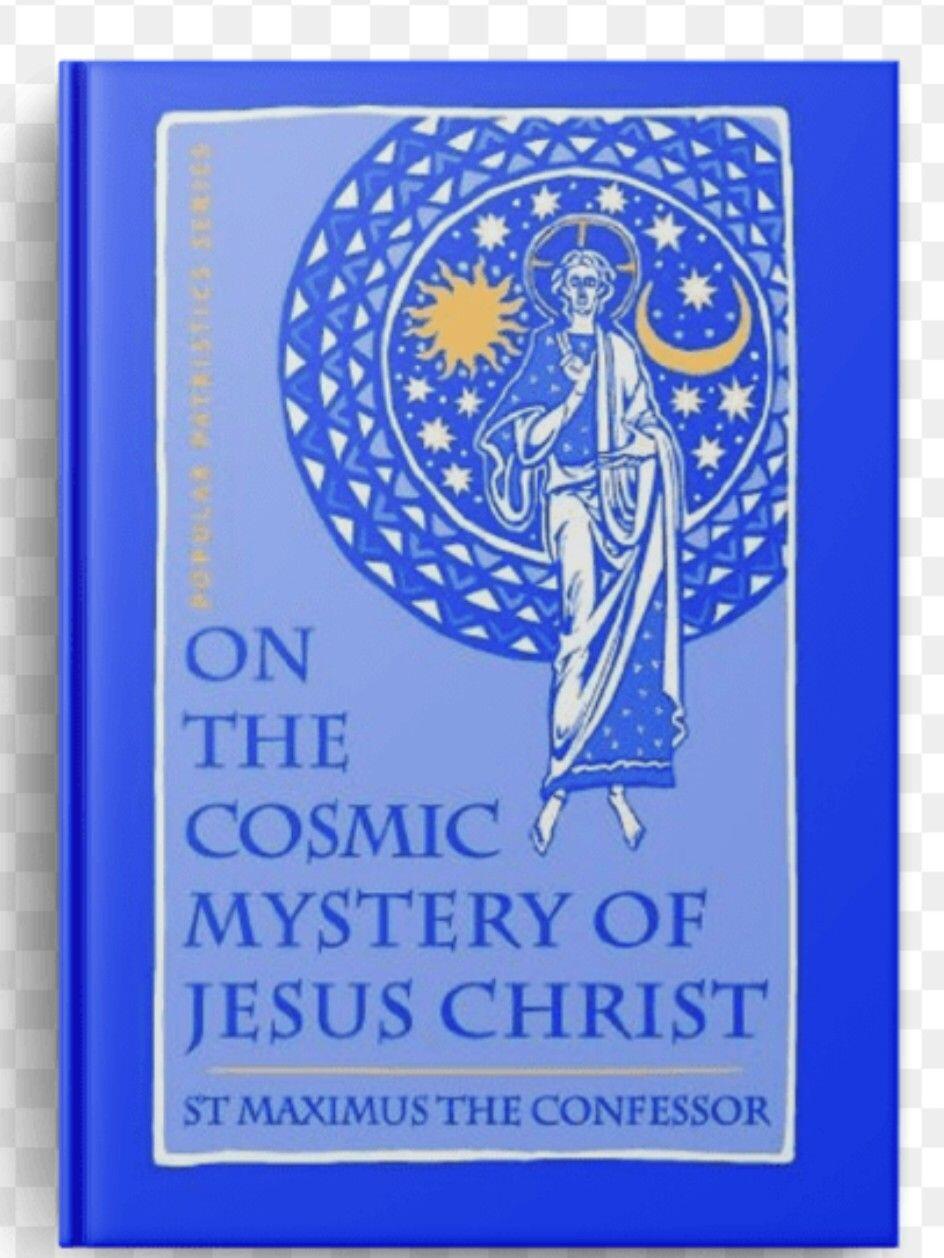
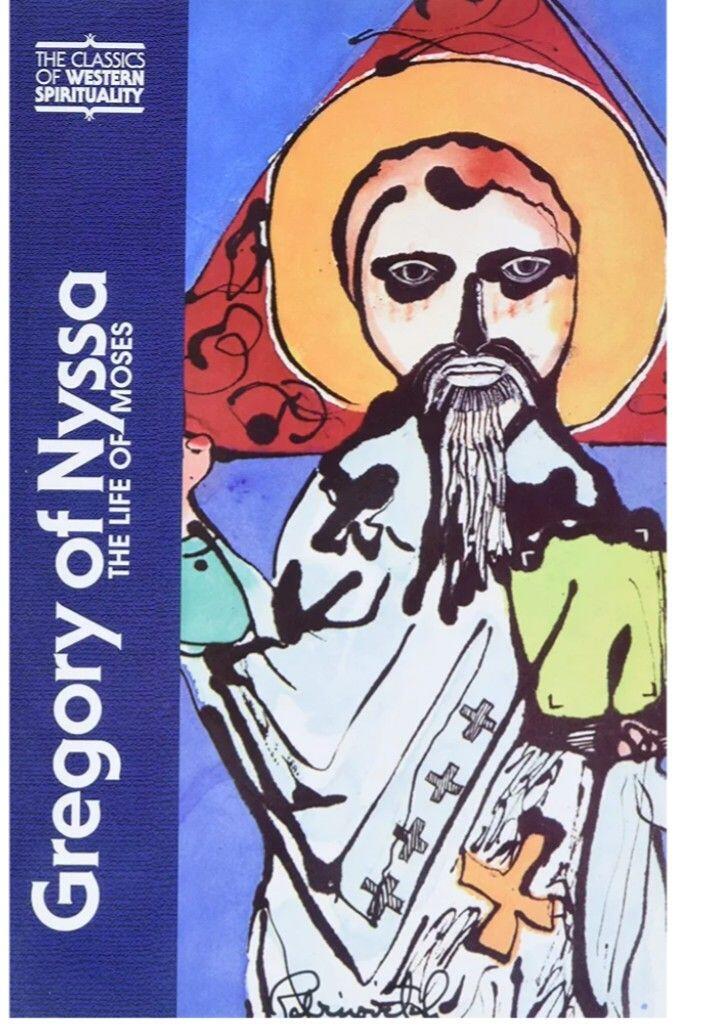
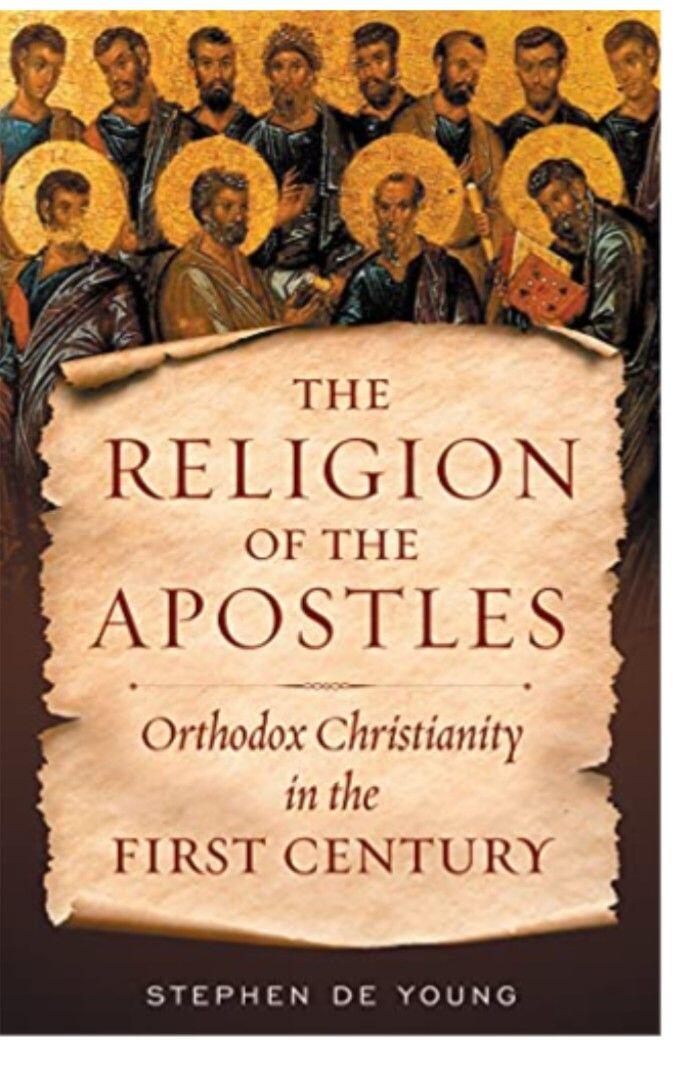
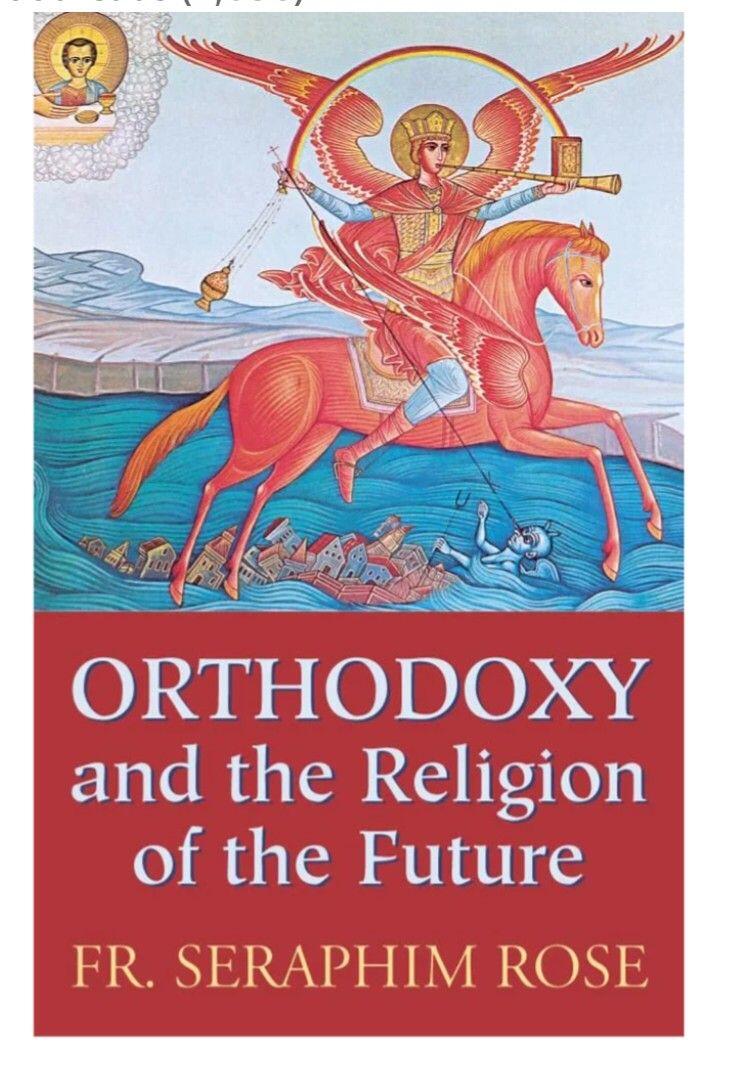
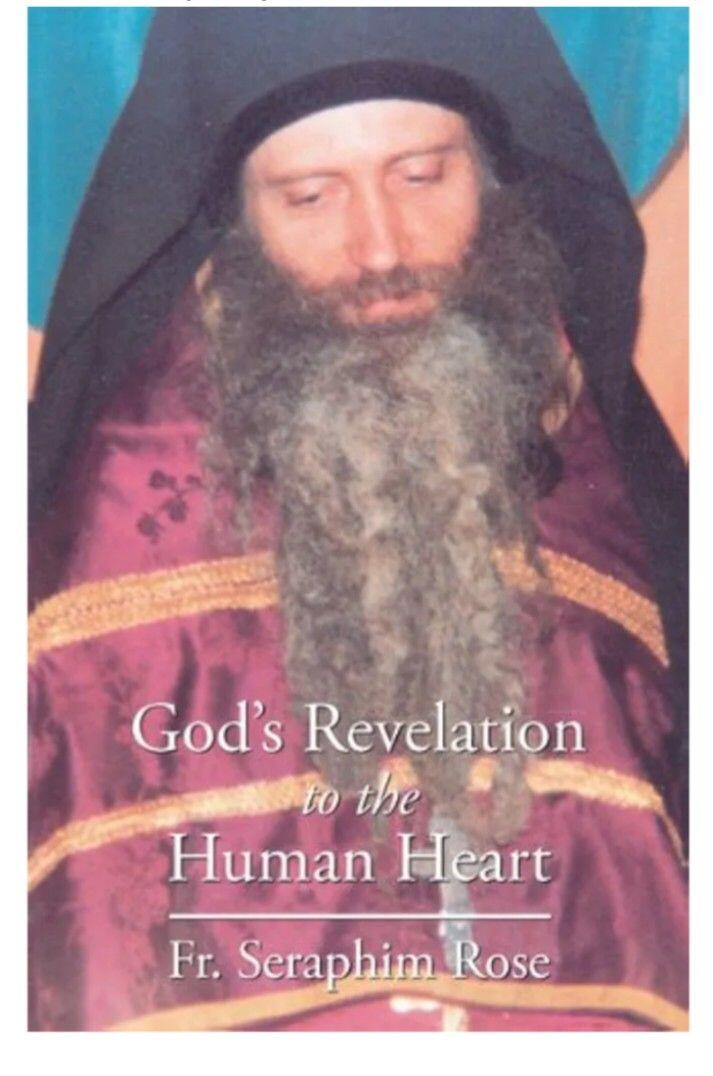
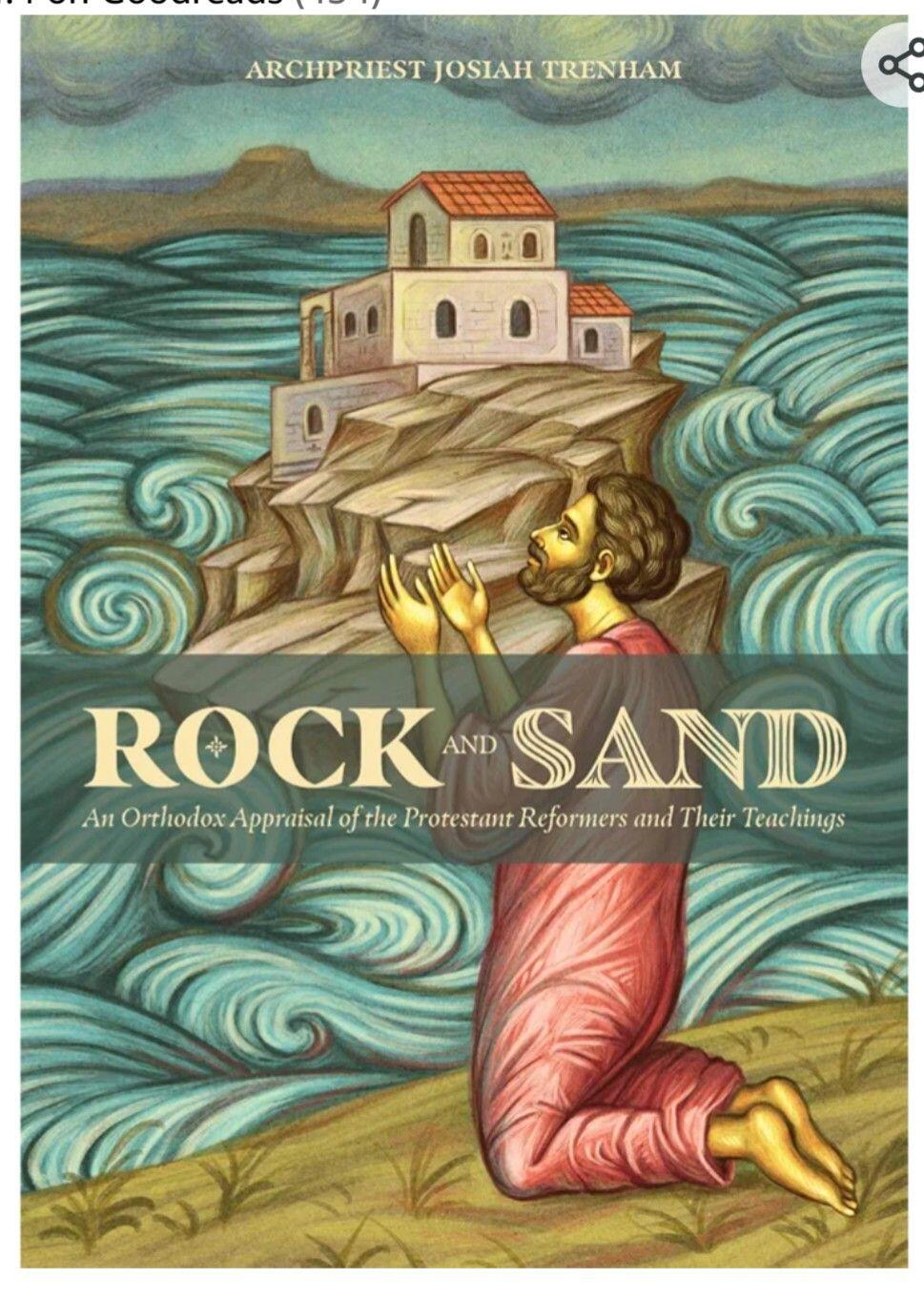
I shared these books the other day, but wanted to reshare as I think they cut deep and are certainly worth a read.