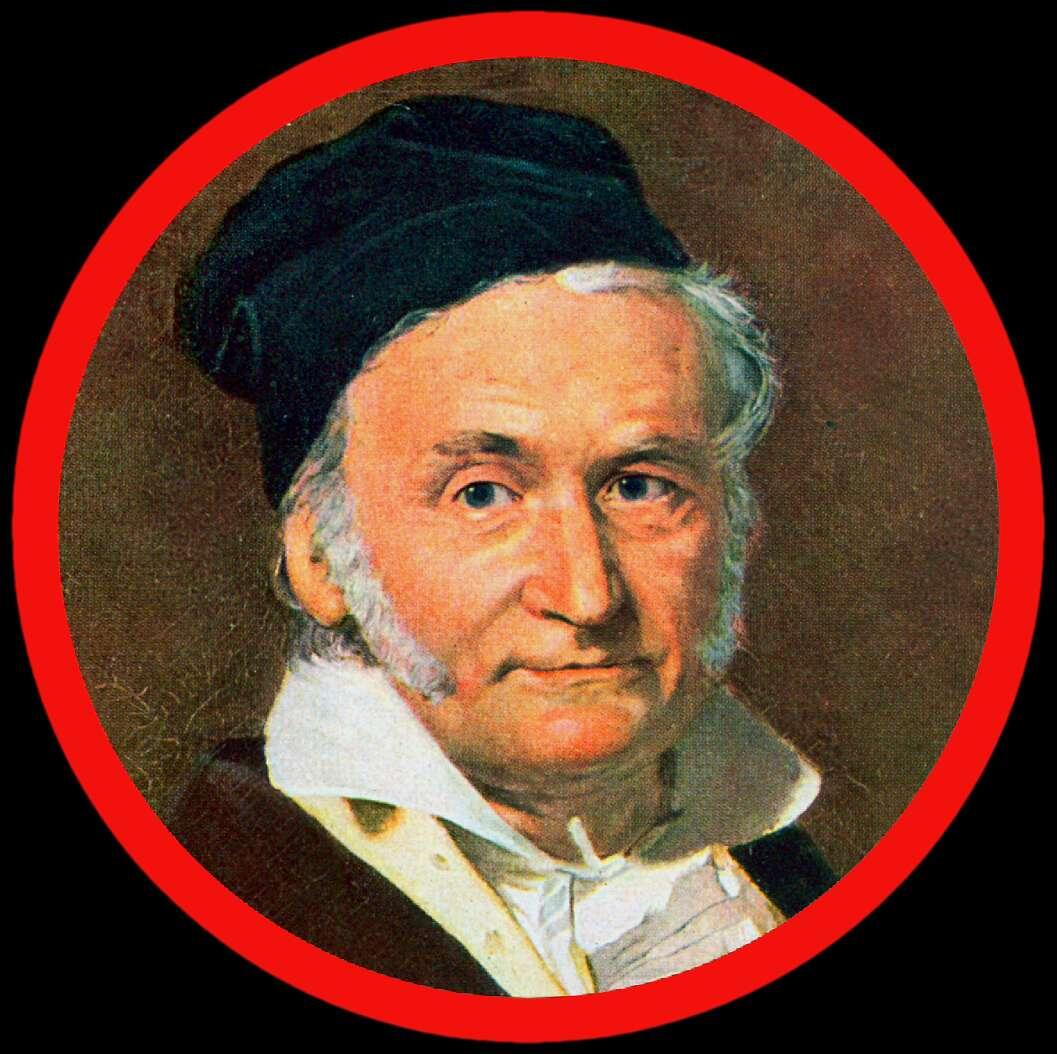
Exposing Simon Dixon's Double Standards: Beneath the Mask of a Sovereign Individual
npub1546jstdajzf6gw4plvr6z4kpcaxtvl3h0zjdv5gw8tx8uup5d6rq8ef9mt presents himself as a champion against elites, a Bitcoin defender through self-custody, and an anti-imperialist urging everyone to "follow the money." But when you dig deeper into his views, what emerges is a web of contradictions: principles of freedom applied selectively, with criticism driven by personal and religious biases.
1. Selective History in Geopolitics:
He passionately condemns Zionism as colonialism marked by displacement, genocide, and apartheid, framing Israel as a proxy for American military-industrial imperialism. At the same time, he completely overlooks similar historical actions by Arabs and Muslims—from the 7th-century conquests (seizing the Levant and Palestine "by right of the conqueror") to Ottoman expansion, which involved cultural shifts and subjugation.
He rails against Western or Zionist empires but stays silent on Muslim ones. This isn't genuine anti-imperialism; it's biased selectivity with an anti-Western and pro-Islamic tilt.
A real libertarian would reject all conquests equally as violations of individual rights.
2. One-Sided View of Islam:
Dixon portrays Islam as a personal path of peace, tolerance, and resisting oppression (quoting verses like "no compulsion in religion" and limiting jihad to self-defense). Yet he never mentions the dhimmi system—the institutionalized subjugation of non-Muslims in Islamic societies: jizya tax for "protection," restrictions on bearing arms, building new places of worship, equal court testimony, or criticizing Islam.
This creates a clear hierarchy where non-Muslims are second-class citizens, involving economic and social coercion that's incompatible with true equality and non-aggression. By glossing over this, Dixon romanticizes Muslim history as "harmonious," implicitly justifying domination. As a Muslim, his drive comes from a religious sense of duty to "serve humanity," but it makes his anti-oppression stance selective—freedom only on his terms.
2. Fixation on Saylor and Dictating the "Right" Way to Bitcoin:
Day after day in posts, podcasts, and videos, he accuses npub15dqlghlewk84wz3pkqqvzl2w2w36f97g89ljds8x6c094nlu02vqjllm5m of serving elites, centralizing Bitcoin via debt, and sabotaging the revolution (custody vs. self-custody). He claims $MSTR is a tool for price manipulation through FUD and potential forced sales.
But on a free market, a sovereign individual should be free to handle their capital any way they choose—whether through leveraged treasuries, ETFs, or derivatives. The risks are theirs alone.
Dixon doesn't just highlight dangers (which could be helpful); he passes moral judgment and prescribes the "one true path" (self-custody only). His manipulation theory falls apart under scrutiny: $MSTR shares drop in response to BTC stagnation, not the reverse—the market naturally punishes leverage.
This obsession comes across as fixation, perhaps psychological or tied to promoting his own agenda/business.
Conclusions:
Behind the "follow the money" mantra lies not objective insight but a subjective ideology—anti-Western, pro-Islamic, laced with collectivist tendencies. Dixon excuses historical hierarchies (like dhimmi), condemns others' choices, and pushes a "revolution" where freedom is reserved for those who align with his vision.
He's valuable for pointing out risks in centralization and leverage, but his stance isn't libertarianism—it's propaganda riddled with double standards.
True freedom means no one dictates your choices: how to hold BTC, whom to criticize, or which history to focus on. No one owes the "revolution" anything against their will. Always test these gurus for consistency—otherwise, their "truth" is just a disguise for control.
#Bitcoin #Libertarianism