

Telemetry or surveillance? A firewall can help.
We all know our devices are surveilled. Do we know to what degree?
Invasive telemetry, raises concerns regarding privacy and ethical considerations. It involves the collection of real-time data from implanted or attached devices within the human body, animals, or even vehicles. While it offers invaluable insights into health monitoring, wildlife tracking, and automotive diagnostics, its invasive nature sparks debates about consent and data ownership.
In healthcare, invasive telemetry devices can save lives by continuously monitoring patients' vital signs and transmitting data to healthcare providers. But what about the other 99% of the time we aren't connected to a hospital bed?
Protecting yourself with a private and secure operating system, like GrapheneOS is a start. But if you simply want to observe the degree to which your device is being surveilled, a firewall can help you visualize the quantity and frequency of your data.
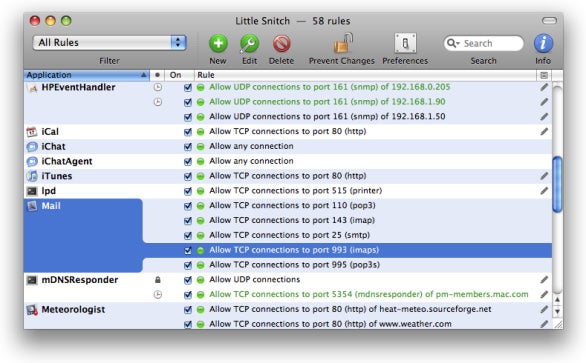
A firewall sits "in between" the software and the hardware of your phone. Before data physically gets sent out to the Internet, the firewall grabs the data, and holds it in packets. You can observe the data, then confirm or deny the outgoing connection, giving control back to the user.