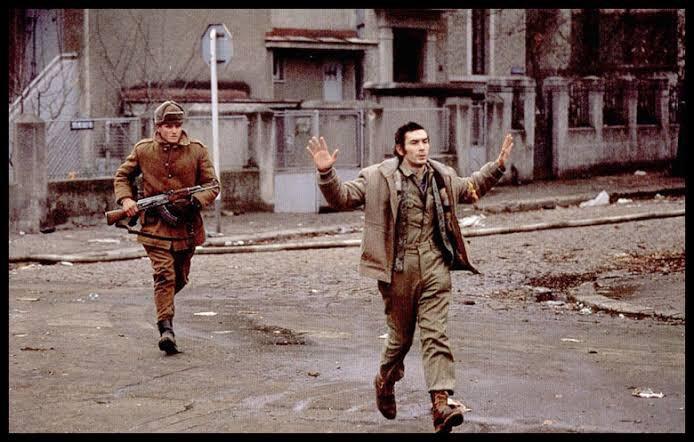
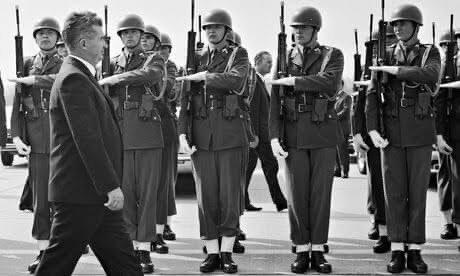
Before continuing with the thread, we need to understand how Ceausescu came to power and what life was like for Romanians before the revolution.
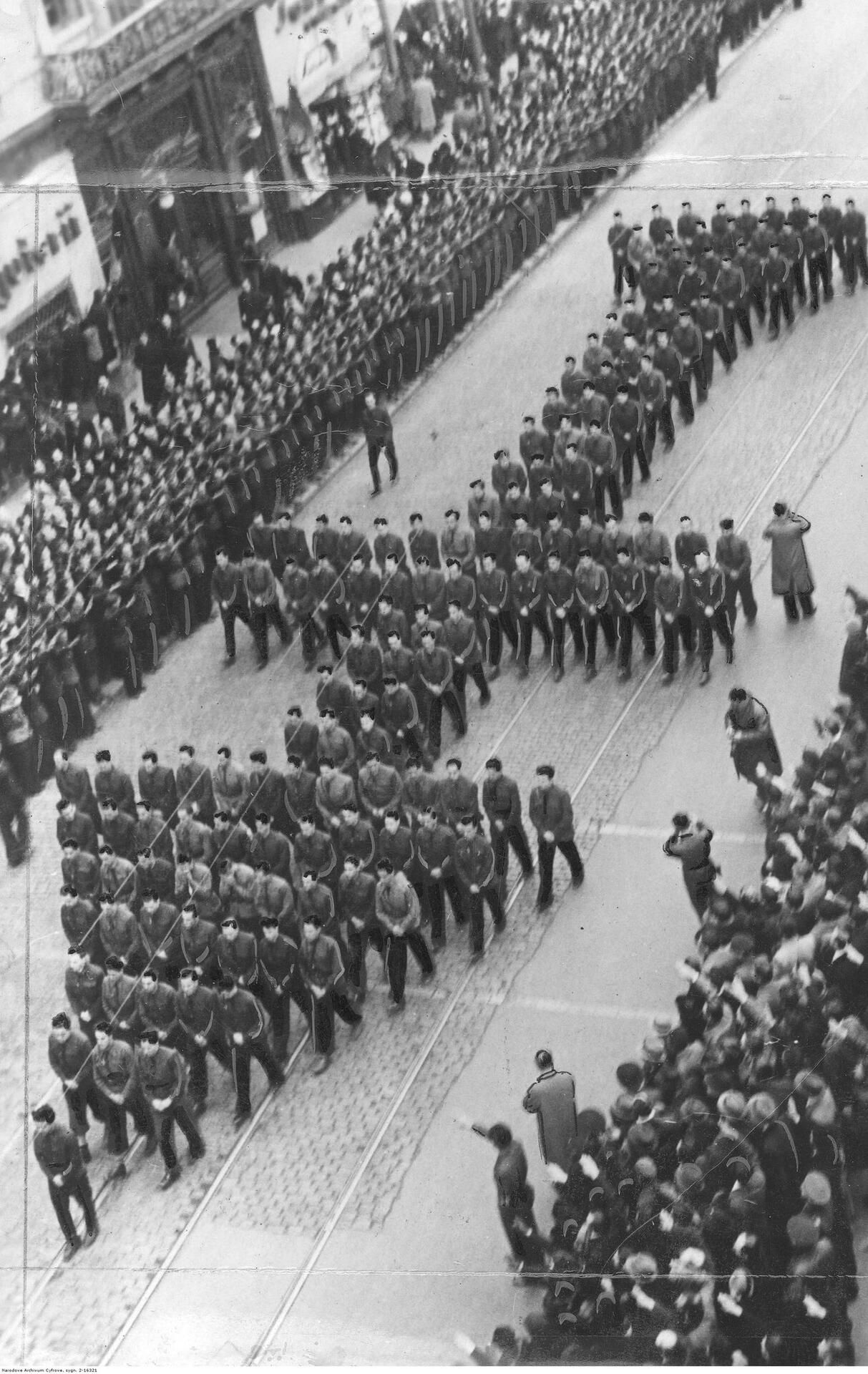
Romania had experienced tumultuous times since 1935. In early 1937, it came under the control of a fascist government, bearing significant resemblance to that of Nazi Germany. King Carol II of Romania dissolved the government a year later due to a failing economy and eventually installed the Orthodox patriarch in power as prime minister.
However, the sudden death of the patriarch and a peasant uprising caused renewed agitation for the Orthodox-rightist organization Iron Guard led by the young and charismatic leader Codreanu.
In June 1940, the Soviet Union invaded two essential Romanian provinces, prompting the king to seek an ally out of fear and apprehension to help protect them and keep the Legionary forces out of power.
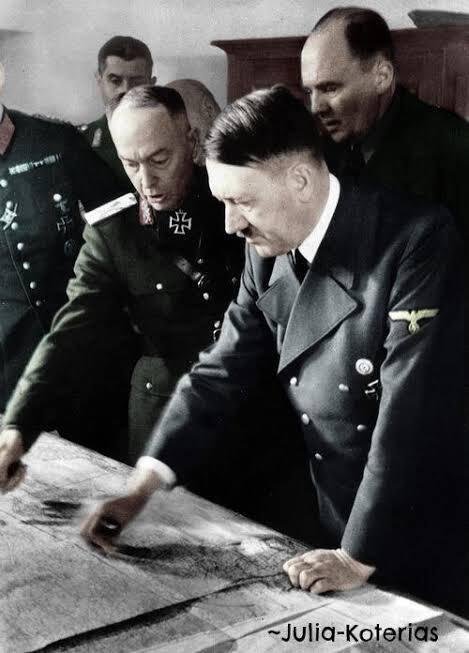
On July 5, 1940, despite strong opposition from the population but out of fear of the USSR, Romania allied itself with Nazi Germany, only to be invaded by its ally as part of Hitler's strategy to create a massive eastern front against the Soviet Union. The king abdicated on September 6, leaving the country under the command of Prime Minister Ion Antonescu, who later regained the lost territory from the Soviets, albeit under a puppet state. The Germans utilized Romanian resources as part of the Nazi war effort, taking control of all Romanian oil wells and installations, which led to a severe crisis for the local population as Hitler relinquished the food harvest.