Replying to Avatar Bitman

Before continuing with the thread, we need to understand how Ceausescu came to power and what life was like for Romanians before the revolution.

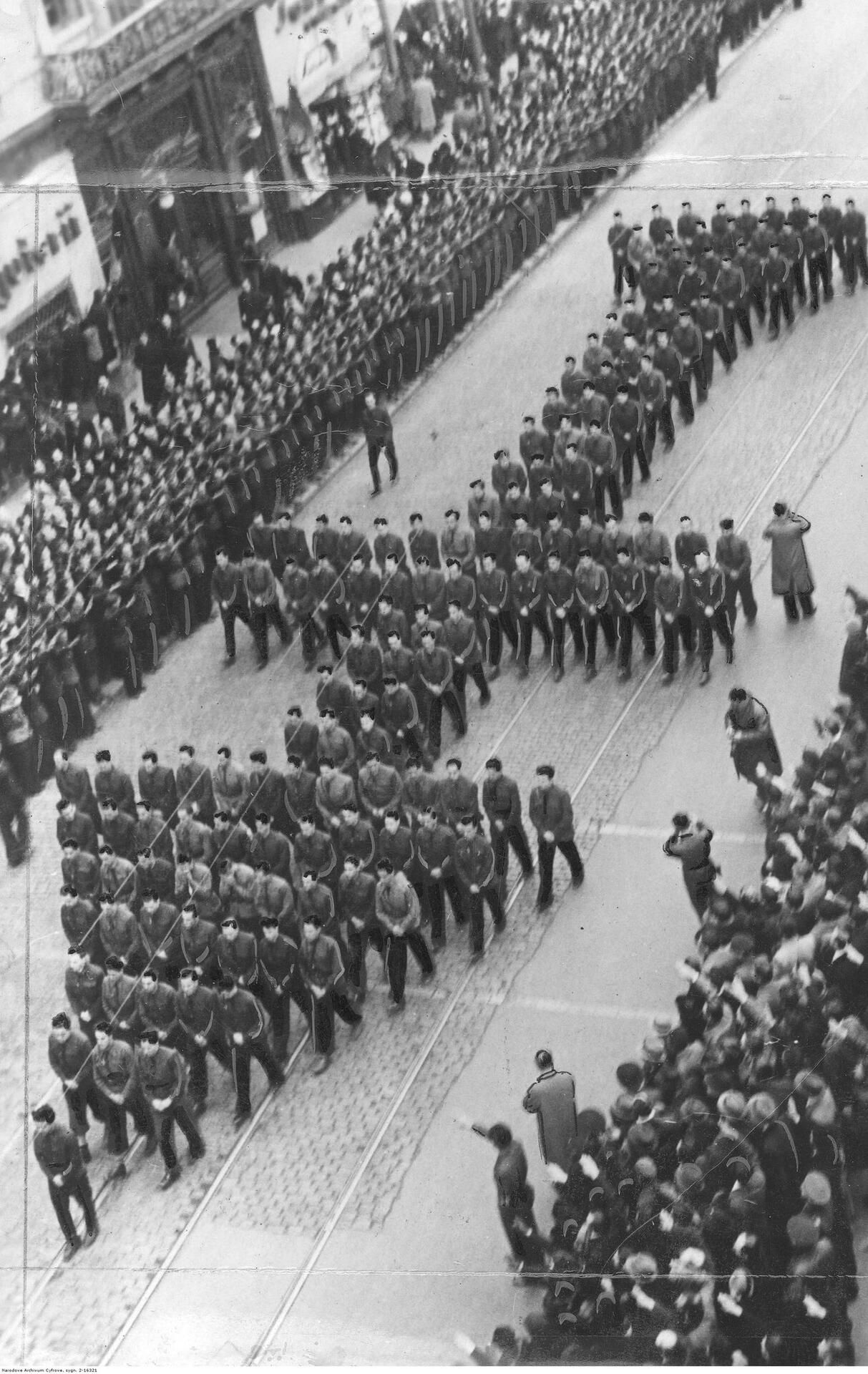
Romania had experienced tumultuous times since 1935. In early 1937, it came under the control of a fascist government, bearing significant resemblance to that of Nazi Germany. King Carol II of Romania dissolved the government a year later due to a failing economy and eventually installed the Orthodox patriarch in power as prime minister.

However, the sudden death of the patriarch and a peasant uprising caused renewed agitation for the Orthodox-rightist organization Iron Guard led by the young and charismatic leader Codreanu.

In June 1940, the Soviet Union invaded two essential Romanian provinces, prompting the king to seek an ally out of fear and apprehension to help protect them and keep the Legionary forces out of power.

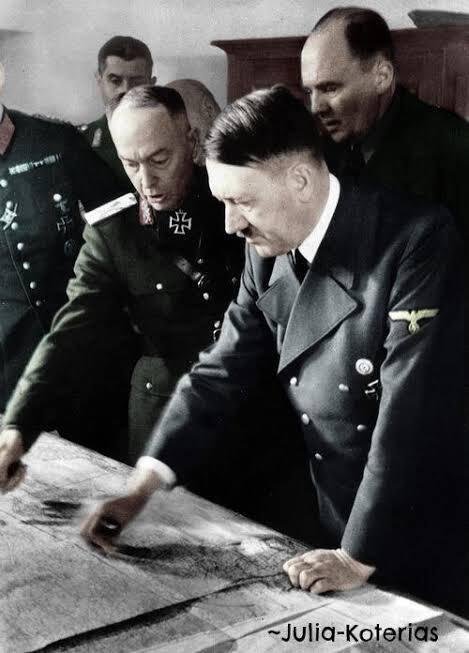
On July 5, 1940, despite strong opposition from the population but out of fear of the USSR, Romania allied itself with Nazi Germany, only to be invaded by its ally as part of Hitler's strategy to create a massive eastern front against the Soviet Union. The king abdicated on September 6, leaving the country under the command of Prime Minister Ion Antonescu, who later regained the lost territory from the Soviets, albeit under a puppet state. The Germans utilized Romanian resources as part of the Nazi war effort, taking control of all Romanian oil wells and installations, which led to a severe crisis for the local population as Hitler relinquished the food harvest.

While in power, Ion Antonescu aligned himself with the Iron Guard, offering positions in his government and deceiving some leaders into supporting him. Antonescu sought to bring the Iron Guard under his direct control because their activities and sympathy for the Romanian people and their cause were undermining state authorities.

The brief period that followed became known as the Legionary National State, which lasted from September 14, 1940, until its dissolution on February 14, 1941, totaling only five months.

With the puppet state fully operational under the Germans and Antonescu's ambition, the two armies began to cooperate. After the capture of Bessarabia and Bukovina, Antonescu sent the Romanian army into Soviet territory, determined to follow the German troops until the complete conquest of the Red territory.

This decision was met with disapproval from the Romanian people and politicians, including those from traditional parties and the Allies. Although Antonescu had spent most of his life in the military career, he failed to adequately prepare the Romanian army for a prolonged campaign. After the Germans and Romanians suffered significant losses in the Battle of Stalingrad and the Russians began their offensive that would only end in Berlin, Antonescu's popularity, which was not the best, rapidly declined.

Reply to this note

Please Login to reply.

Discussion

In 1943, Antonescu began considering the possibility of switching sides as the military situation deteriorated for the Axis powers. He attempted to approach the British and Americans, and in response, the Allies demanded that he make peace with the Russians. Antonescu refused but continued to discuss the possibility of switching sides. In August 1944, when the Russians had already entered Romanian territory, Antonescu received another proposal for a ceasefire. This ceasefire suggested that Germany would have fifteen days to leave Romania, the Russians would only pass through the northern part of the country, and the south and the capital would be free from Russian interference. It also offered recognition of Romanian occupation in Hungary and northern Transylvania. Considering the superiority of the Soviet forces, on August 22, 1944, the Soviet army attacked Romanian territories, determined to occupy the capital before any ceasefire agreement could be signed. Antonescu mobilized his troops intending to resist for a while until both governments reached an agreement. The Russians sent a telegram on August 22, which was intercepted by the opposition and members of the Romanian Communist Party. On August 23, 1944, King Michael summoned Antonescu for a meeting. The ruler informed the king about the ceasefire he was about to sign, but the king had already aligned himself with the Romanian Communists and handed him over to them along with his minister Mihai Antonescu.