
In a recent talk, nostr:npub1s33sw6y2p8kpz2t8avz5feu2n6yvfr6swykrnm2frletd7spnt5qew252p makes the case correctly that we should stop using the term “custodial,” as this is the language that helps the legacy system define self-custody or their term “unhosted” to suggest that owing your own property is somehow not normal or acceptable.

He goes on to say that we should simply call anything where we don’t hold our own keys an account, the same as a bank. But what should we call a “wallet” (also an inaccurate word) where we directly own the asset? I still haven’t found the best way to say it.

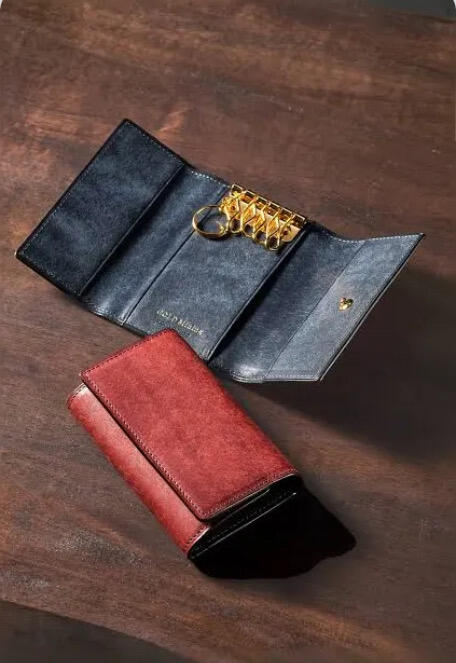
A #bitcoin “wallet” is also a misnomer, when in reality the closest comparison is a key purse, but few people know what one is

For the idea of the natural state of holding the keys the first thing to come to mind is to say you ‘hold’ #bitcoin, and call out others hold an IOU. I’ll give some more thought to it
Reply to this note

Please Login to reply.

Discussion

Agreed, neither works well.

You could say you“own” or “control” #bitcoin whereas another person with bitcoin on an exchange like Coinbase does not own or control #bitcoin, but the nuance would be lost on a neutral listener

The dilemma stems from our current state of not being able to differentiate between cash and credit in modern #fiat world. Going back to a pre-#fiat world, the wording used would be “payable in specie” or similar specific wording

Bearer wallet. Still not perfect because it uses the word wallet, but it better defines the asset.

Bearer wallet—not bad. Not the best as you said but not the worst. Test drive it for a while, see how it goes

Then try en specie for entertaining conversations

Actually, call it like it is—you have keys. Keys to unlock the coins (transactions) on the blockchain. Time to let the wallet terminology go. Along these lines use keyrings, or time to bring back chatelaine

Bearer asset control device. Bacd.

Do you have your bitcoin bacd?