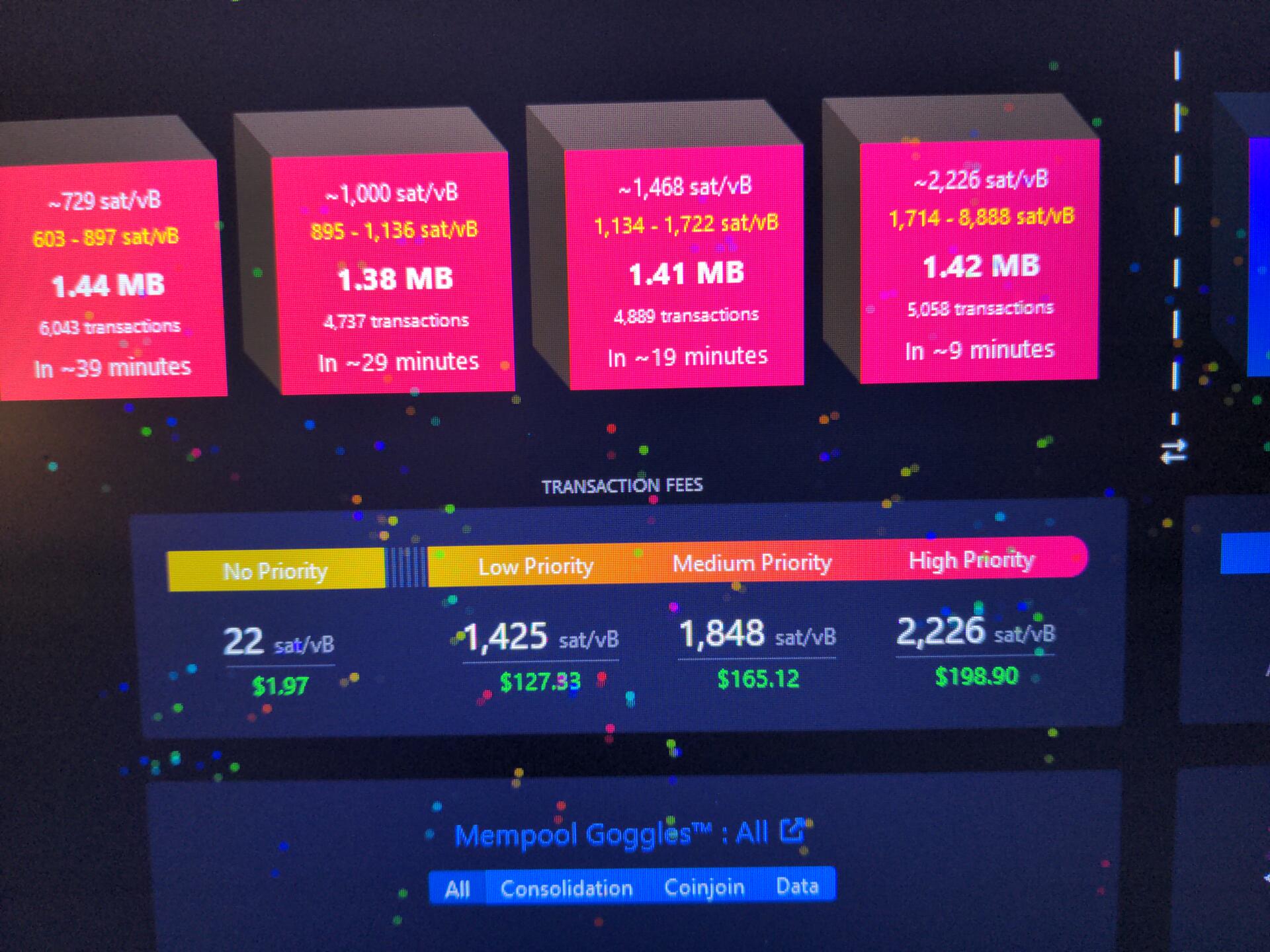
1. That is why the Lightning Network was invented. True, as more people use Bitcoin, the blockchain will become more expensive for the average Bitcoiner to use, but the blockchain isn't practical for day-to-day transactions anyway, and it prioritizes security of the network over transaction speed. Also, there are workarounds along with Lightning that aim to offload transaction fees (such as batching transactions, Taproot, Segwit, etc.)

2 and 4: There are two things to keep in mind with the Bitcoin network: 1) the ability to easily run a full node determines how decentralized the network is, since nodes. decide. the rules. 2) Because Bitcoin's mining relies on hardware of which their sole purpose is to mine Bitcoin (ASIC computers), then the manufacturers of this hardware are economically disincentivized to do anything that would harm the security of the network.

3. But it does matter, in the winner-take-all game of money, if more and more people adopt your currency or not. Monero might have better base-layer privacy, but what would it mean if adoption stagnates or decreases, and Monero loses its purchasing power over time?

Also to mention, Monero as a whole comes with critical tradeoffs that Bitcoin doesn't suffer from; such as:

1. Less network security due to ASIC resistance, which makes it easier to mine and also attack Monero

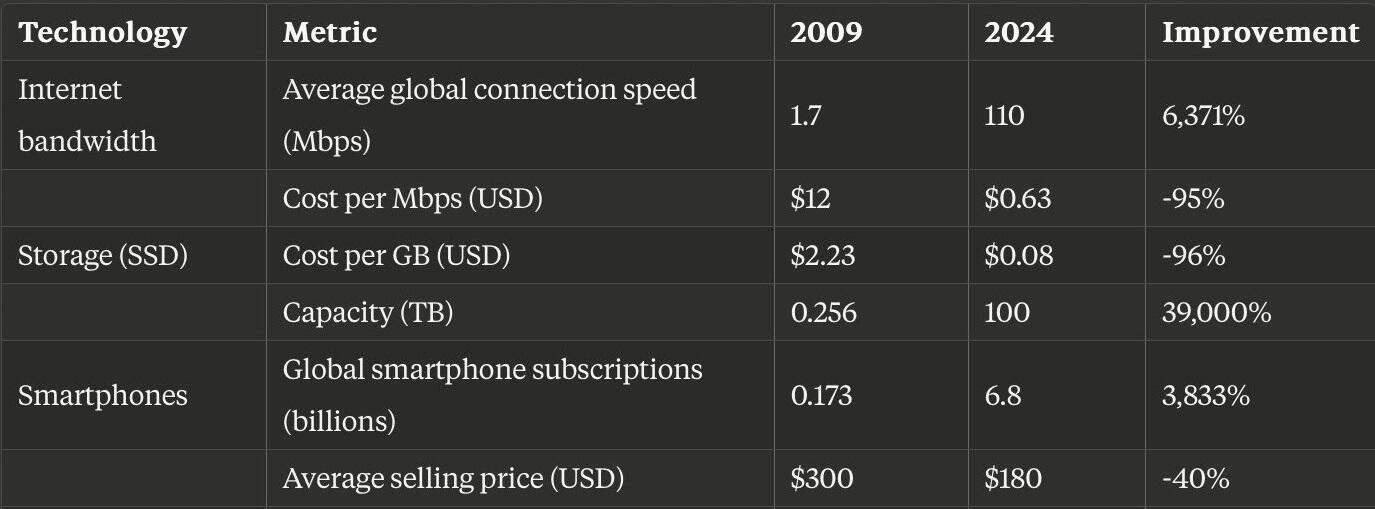
2. More centralization risk due to bigger block sizes, which would make running a full node (which is also crucial for network security and setting the rules of the network) more expensive for the average user.

3. Less adoption, networking effects, first-mover advantage, familiarity, and liquidity

4. Again, because Bitcoin mining relies on expensive hardware that is exclusively designed to have one function, and only one function (ASIC computers that can ONLY mine Bitcoin), and Bitcoin mining is extremely difficult due to its hashrate; the manufactureres of this hardware, the users of it, and even governments that may seize it are always financially DISINCENTIVIZED from doing anything that would undermine the security of the network, such as peforming a 51% attack.

Reply to this note

Please Login to reply.

Discussion

1. You need to be able to settle on-chain for unilateral exit even with Lightning. If fees are so high you can't feasibly exit you can't enforce your sovereignty. That and your channels will get wiped out when you're force closed. Lightning is difficult to use in a sovereign way which is why something like 90% users are on custodians which defeats the entire point of Bitcoin. It is also not good for larger payements. Failure rate grows with the value of a transaction. Even ignoring those things, if everyone is going to be using lightning, who is going to pay miners to secure the chain? Miners don't get fees from lightning transactions.

2. Monero is arguably more decentralized in mining than Bitcoin since almost anyone can do it. You can even mine on old phones. As far as running full nodes it's in the same ballpark as Bitcoin despite having a much smaller network. You also didnt address how ASIC mining makes you stick out and ASIC-resistance doesn't.

3. There isn't a winner-takes-all. It has never existed. Even with gold there are other precious metals like silver. There isn't one fiat currency either. Once major brands fade into irrelevance. There is only constant competition. The market is never settled and is constantly reevaluating. Monero is taking over in the only relevant market to Bitcoins value prop; black markets - the only market you can transact in without the rules of a central authority.

Of course. Everything has trade-offs. There are ONLY trade-offs. Bitcoin comes with it's own:

1. Harder to fight back against an ongoing attack since ASICs are in short supply.

2. More centralization with more adoption due to high fees (no one is going to run a node for a network they can't afford to use). Also more expensive. Just in a different way.

3. No privacy, weak fungibility, open to blacklists and targeted censorship by miners, will be expensive to use if adoption grows, and not as nimble to adapt

4. >"...governments that may seize it are always financially DISINCENTIVIZED from doing anything that would undermine the security of the network, such as peforming a 51% attack."

Hearn error. The government is the most irrational market actor there is. They ban popular things all the time. That's the entire problem with government. It's incentives aren't aligned with the market since they have a monopoly on violence and don't have to compete.

https://github.com/libbitcoin/libbitcoin-system/wiki/Hearn-Error