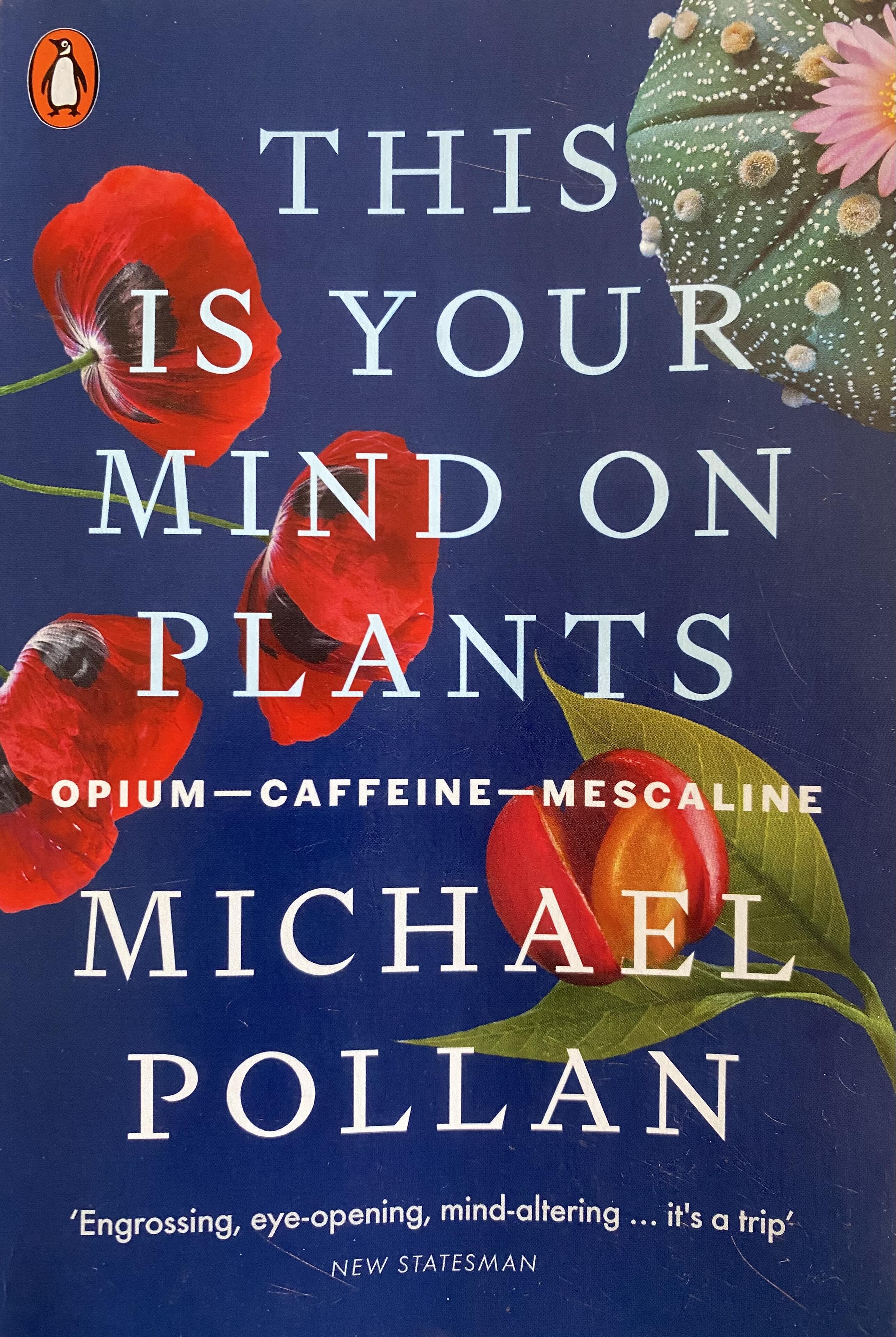
Finished reading this book and I can highly recommend it! šŸ’œ

The book is comprised of 3 parts: Opium, Coffee and Mescaline.

So I thought I’d share a few thoughts on each bit.

Opium

I finished reading this chapter just as Ross Ulbricht was being released from jail.

Ross was sent to jail with a double life sentence plus 40 years, and was released after 10, for creating a website that enabled people to purchase anything, including drugs.

His treatment contrasts starkly with the Sacklers, who are discussed in this book.

The Sacklers empire created an exceptionally addictive pharmaceutical drug. They had direct knowledge of its impact and fully supported its sales and marketing. That drug, OxyContin, directly destroyed innumerable lives. And yet…not one single jail term. Not one single criminal charge for any of the individuals involved. Paid some fines. Dissolved the business.

The whole episode perfectly illustrated just how misguided the US administration’s war on drugs actually is, and seemed to underline Pollan’s thoughts on the matter in this book.

Coffee

Really interesting chapter that included a lot of history that was eye opening.

The impact on sleep was not what I was expecting but it explains a few things.

Made some adjustments to my coffee intake but I haven’t, as yet, decided to give it up!

Mescaline

This chapter surprised me the most!

The author describes a Mescaline trip. I was struck by the similarity of the trip to a very deep Mindfulness meditation. Done properly, with eyes open and senses brought to the fore, experiences are so magnified that they seem to have very similar effects.

ā€˜The immensity of existing things’ is exactly how it can feel. Leaving the conscious mind aside and connecting to the unconscious with intense awareness.

It was a surprise to me that I’ve been hacking my brain to mimic a mescaline trip šŸ˜‚šŸ’œ

It was also interesting to read how Native Americans use mescaline for self-healing (physical,mental and spiritual).

It had me wondering if mescaline was a way to achieve a deep mindfulness meditation without the hassle of learning how to do it or for people that find it difficult to practice.

I’m guessing that a mescaline trip would likely be a more pure experience as the conscious mind would be tamed for a much longer period.

All in all, it was a fascinating read.

I’m a firm believer that books are called to you at a time when you’re ready for them and sometimes that timing syncs with world events. It certainly felt like that with this one! šŸ’œ

#bookstr

Reply to this note

Please Login to reply.

Discussion

Thanks for sharing, very interesting! I’ve also been experimenting with some adjustments to my coffee intake recently. I do like the taste of coffee so I have been trying swapping to some good quality decaf beans and generally only one real coffee a day. I’ve definitely noticed some improvements in my sleeping. I have been thinking about giving it up completely but I don’t want to then just substitute it for some other drink that has its own issues.

Between this book and Michael Mosley’s ā€œJust one thingā€, I’ve decided that for me personally, coffee is for mornings only as caffeine takes about 10-12 hours to leave the bloodstream.

There are pros to coffee, including some beneficial health impacts on the brain so I’m not in a massive rush to stop drinking it.

Like you, I’m experimenting a bit more around intake.

I try to have my latest coffee by around 1pm which seems ok for me generally. Interestingly though, if I have been out late and need to drive home, I have occasionally had coffee late at night and have still slept well afterwards so the impact on sleep isn’t always as bad as I would expect.

The book goes into more detail on the impact to sleep and it wasn’t so much impacting the quantity of sleep but the quality.

Without giving too much of the book away, it was more about the type of sleep you get and the impact over time.

I think the impact over time is the key with a lot of things. You can do a lot of things once in a while and it won’t do any real harm but they can be harmful if you keep it up over an extended period of time.

Ross's sentence was absurd and it's great that he's free now.

However, the way you/the book present it, the Sacklers / Oxycontin saga is a strong argument for NOT having a free market for opiates like the Silk Road was. Would that be fair to say?

The book doesn’t mention Ross or Silk Road at all. It was more a generic discussion on legal and illegal drug markets. It did mention the Sacklers.

I’m in two minds about Silk Road.

If you are purchasing drugs via a website, you generally know what you are doing and expecting. You’re also less likely to be killed in a dark alley somewhere buying drugs. And you are also more likely to be aware that the drugs you are buying are addictive. Would it lead to an increase in drug taking? I don’t know the answer to that. Possibly. It would have been interesting to see some research done on this.

Would it make life safer for those that are already addicted?Again, possibly.

People are going to do what they want regardless of the law so I probably lean more to the harm minimisation side of things.

This book explores some of that grey area. Should opium be illegal? Does it make it more or less dangerous? Natural vs synthetic etc.

In contrast, the Sacklers actively marketed their drug as safe and less addictive, pushed it to doctors, who then pushed it to people who were injured or ill.

The company knew the likely implications.

So people who weren’t looking for drugs to get high, and who simply wanted to be well were duped into becoming addicts.

I think that’s the difference for me, the issue of choice.

Good review, i wonder if it touches on ashwagandha as there are people who swear by the stuff

He didn’t mention ashwagandha but he did briefly mention ayahuasca.

Ashwagandha is more relaxing and stress relieving rather than psychedelic.

He did discuss the difference between ayahuasca, LSD and mescaline which are all considered psychedelics and this was really interesting.