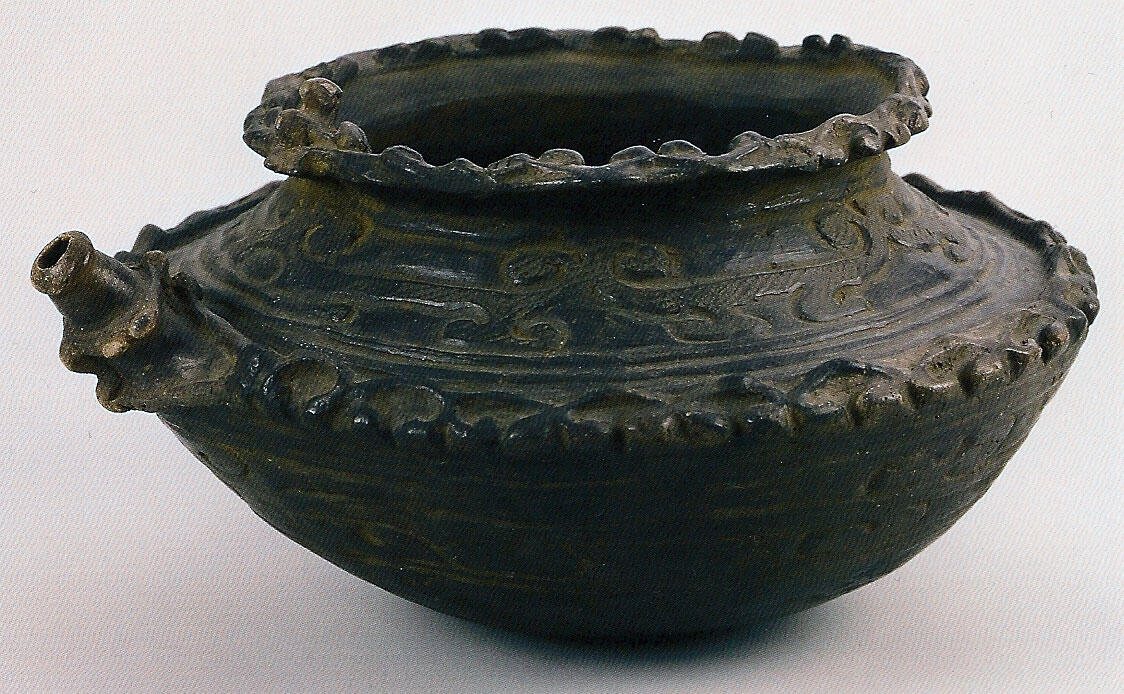
I have my first pottery class this weekend with a guy who makes replicas for the history channel. Such a silly thing to be excited about, but I hope we can make a pitcher
Discussion

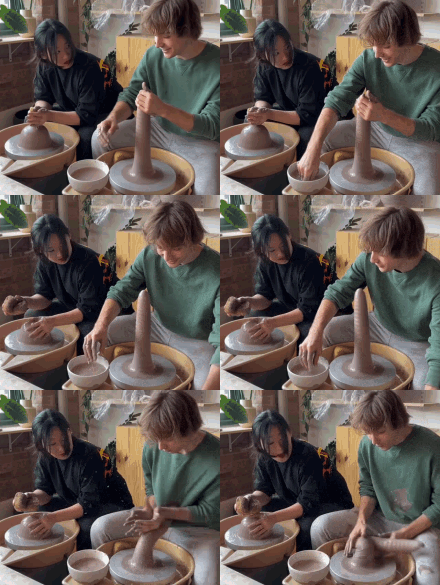


i love playing with clay, it's the best
the best thing about clay is you don't need no electricity or technology to bake it, though finding ways to glaze it, that's a bit tricky... silica takes some work to manufacture
there is always wax tho, at a pinch, the clay is easy enough to find, and can be made rigid, then you just need waterproofing, doesn't have to be high temperature resistant as well
yes, if the grid goes down and electricity is gone, and i can help, i will instruct you and help you with building things that you need
really, water storage is a huge problem
concrete is effective, but when the stash of pre-made calcium hydroxide/silicic acid mix runs out, what are you gonna do?
it's not that hard to find ways to make lime, but it takes a lot of heat and a lot of clay
and this is also another prereq for being able to do rigid clay based containers
and you have to go out and gather wax from the beehives, after all the stash in the few places anyone even keeps room temperature hard paraffin these days anymore are gone, how you gonna seal up your furnace baked clay
and then how to actually acquire the sodium/potassium silicate base you need?
i'm not absolutely certain, as i haven't investigated this area of chemistry that well, how do you even acquire silicic acid, i can think of that you may need sulfuric or hydrofluoric acid to do that, as you have to take some kind of silicate salt and remove the acid part and put it into solution with a more soluble base, eg potassium/sodium
so like
yeah, idk... there's a lot of stuff that will become VERY hard to do without transport, electricity and cheap energy
i have some ideas about how it can be done, and i can read a good inorganic chem textbook about how to do the things i don't remember how to do
but it's not gonna be fun, and i can assure you, it's on my list of things to do - acquiring a full collection of textbooks
those things are gonna be gold in the post apoc, because making them is also extremely complicated
yes, even just remembering, concrete = calcium hydroxide and sodium silicate, that's why it has that distinctive smell when freshly solidified, and it does that via crystallization of the highly insoluble calcium silicate, the sodium remains, and gives that nasty smell, which you will know if you have worked with sodium hydroxide
I have no worries, all my friends are either insane or paranoid. Or both.
well, you can count "has a rudimentary understanding of inorganic chemistry" to that list of what you friends know
i blame my mother, she is a textile and ceramic artist, such things as "loog solution" and having studied how old ceramic vessels were made in my art classes etc
also, yes, the fact my mother is a textile artist is relevant to how i became a programmer
textile pattern books look a LOT like code, and involve numerous complex interrelations for more advanced stuff like ... what is it called, that thing in knitting... cable? and in weaving also, the whole notion of pixels was obviously inspired by weaving and knitting, and i think if you dig into the history of notables in computer tech- a lot of boys with knitter and weaver mothers
also, moar fun facts
sodium hydroxide these days is mostly made via electricity, so it's upstream of how to make copper
the process of making NaOH via this method also produces chlorine gas, which is extremely toxic and dangerous, and is used to manufacture sodium hypochlorite, yes, basically half the product of the reaction you can turn into another useful product, and on the other side you have sodium hydroxde ready to dissolve silicic acid that you acquired from... well, see, idk where you get that from, i kinda assume it requires very hot furnaces melting silicates from granite and sand and such

Why is that silly to be excited about? Learning a new skill should be fun and something that can be used to make things that make you happy.
Lol that I want to make a pitcher that looks like it was made 3k years ago
that's pretty easy, if we are talking about the flat base/ring style of construction, the harder part is getting it fired, though if you got plenty of mud in your backyard (or dirt that makes good mud) you can probably build an adequate clay bakery to make it sufficiently like the old style of primitive ceramics