I just finished reading "Christ the Eternal Tao"
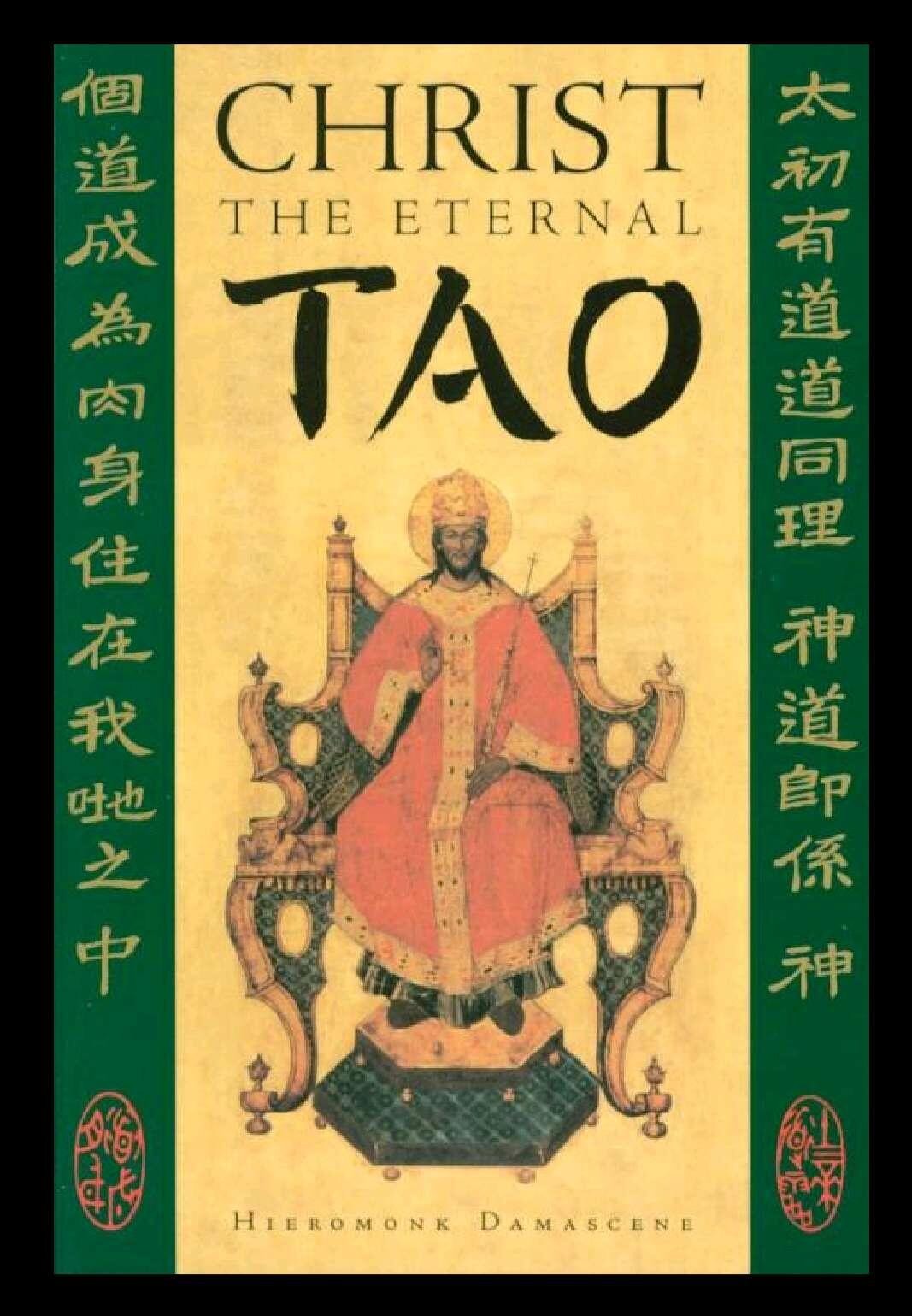
which is written by an Orthodox author and is actually more about Orthodoxy than Taoism and is pretty good. I found Orthodoxy at times appealing while reading it, but then they also engage in what I call "Mariolatry" by referring to Mary as "the Mother of God" and praying to her, which the Roman Catholics are also guilty of.

The book also gets into "deification" or "divinization" which is like man becoming God or in union with God, which is something I certainly I never hear talked about in Western theology! It is said the early church father Irenaeus taught "God became man in order that man might become god" 😳 (but I haven't found a direct quote of this from Irenaeus yet). The apostle Peter did write that Christians have become "partakers of the divine nature" ( https://ref.ly/2Pe1.3-4 ). I will have to explore this idea further...

Reply to this note

Please Login to reply.

Discussion

John 10:30-36 ESV β€” I and the Father are one.” The Jews picked up stones again to stone him. Jesus answered them, β€œI have shown you many good works from the Father; for which of them are you going to stone me?” The Jews answered him, β€œIt is not for a good work that we are going to stone you but for blasphemy, because you, being a man, make yourself God.” Jesus answered them, β€œIs it not written in your Law, β€˜I said, you are gods’? If he called them gods to whom the word of God cameβ€”and Scripture cannot be brokenβ€” do you say of him whom the Father consecrated and sent into the world, β€˜You are blaspheming,’ because I said, β€˜I am the Son of God’?

Thanks for sharing this and the video. Theosis is a new concept to me, one that I will have to mull over. As a Protestant Christian, I don't automatically accept tradition as authoritative, and the writings of the church fathers are important in my view, but not necessarily inspired or on a par with Scripture. It does seem like there may be verses that may support theosis, although I don't think any do very clearly, and certainly not as clearly as the statement "God became man so that man might become a god." Is this commonly and regularly taught in Orthodox congregations? I know that in certain Protestant congregations some topics like eschatology or sanctification get neglected, depending on the ministers.

Protestantism has significantly more variety in teachings than orthodoxy does. There is some variety in interpretation of what theosis means but theosis is taught within all of orthodoxy