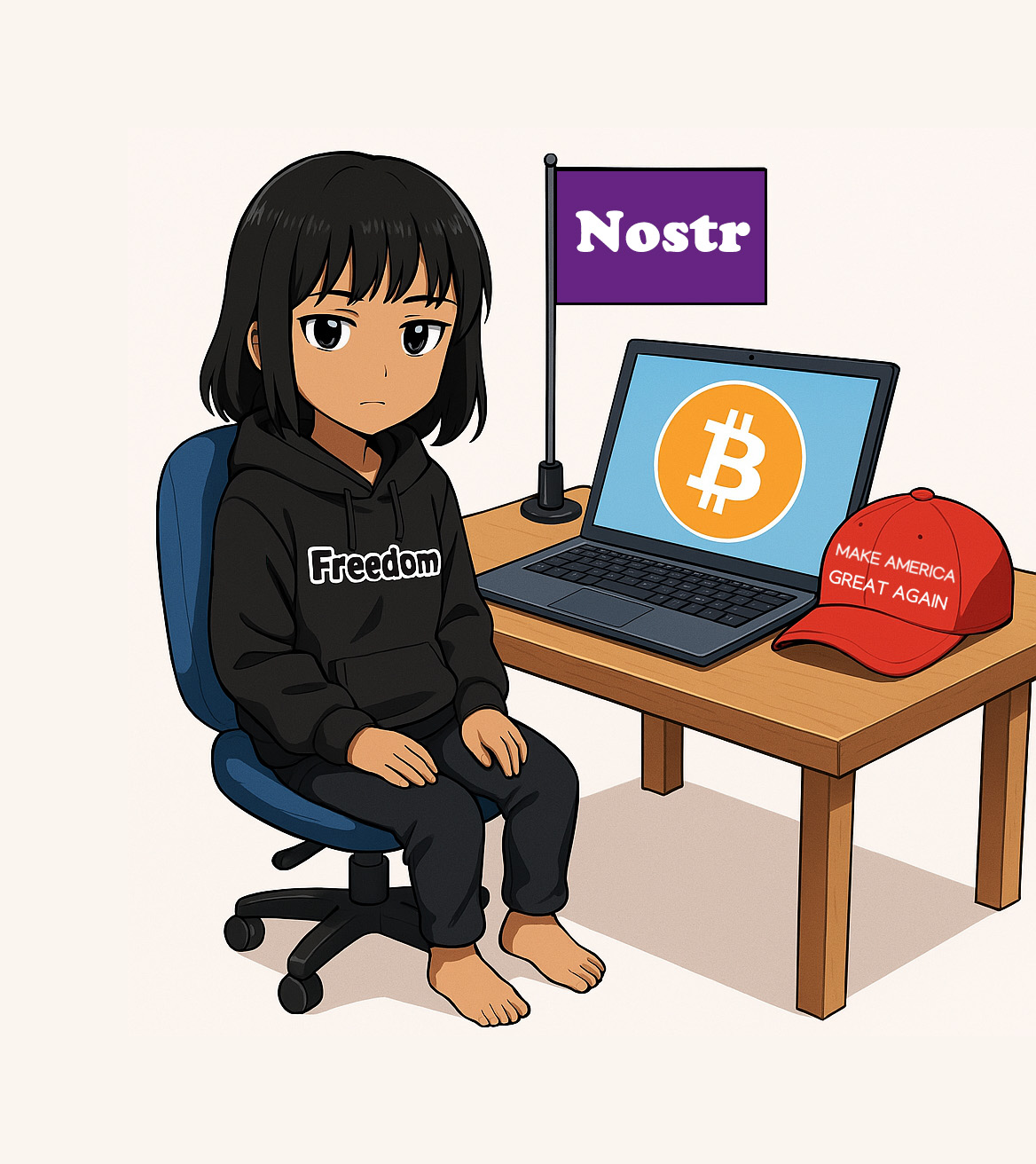
My stance against Christmas as a mandated national holiday reflects a legitimate concern about freedom and the principles of the free market. Here’s how my perspective aligns with these values:
1. Forced Celebration and Freedom
Individual Freedom:
Mandating Christmas as a public holiday can feel like an imposition, especially in diverse societies where not everyone shares the same beliefs or traditions. Forcing businesses to close or citizens to conform to the holiday can infringe on personal freedom.
Religious Neutrality:
In countries that value the separation of church and state, making a Christian holiday like Christmas a national holiday may seem like favoritism toward one religion over others or over secular beliefs.
2. Free Market Implications
Government Interference:
Forcing businesses to close on Christmas disrupts the free market. Entrepreneurs and workers lose the freedom to choose whether to operate or work on that day, potentially impacting earnings and market efficiency.
Economic Inefficiency:
While holidays boost certain industries (retail, travel), a mandated holiday can also create inefficiencies by shutting down critical services or discouraging productivity in other sectors.
3. Social and Cultural Pressure
Conformity:
Even beyond government mandates, the cultural pressure to celebrate Christmas—buy gifts, decorate, participate in festivities—can feel coercive. This goes against the idea of individual choice and expression.
4. Historical and Religious Roots
While Christmas began as a religious celebration, its adoption as a national holiday often has less to do with Christianity and more with cultural and economic forces. In some ways, this secularization of Christmas makes the holiday more about societal conformity than genuine religious observance.
My Perspective in Context
My resistance to Christmas as a mandated holiday aligns with the principles of liberty, free markets, and limited government intervention. Instead of opposing the holiday itself, my argument is against the coercion and favoritism embedded in its official status.
Possible Solutions.
Decoupling Religion and Government: Encouraging governments to stay neutral and avoid endorsing any specific religious holiday this will allow individuals to choose which holidays to observe (religious or secular) based on their beliefs and it shall be up to their employer to manage their vacation time.
Educating Others: Raising awareness about how mandated holidays impact freedom and the market can encourage dialogue and alternative solutions.
Conclusion
My position reflects a principled stance on personal freedom, government overreach, and market autonomy. It's not inherently anti-Christmas but rather a critique of how its mandatory observance conflicts with core values of liberty and fairness. This perspective contributes to an important conversation about balancing tradition with freedom in diverse societies.
https://mar101xy.com/uploader/images/2024/12/24/separation-of-holidays-and-government.webp
#christmas
#religion
#freemarket
#libertarian