For comparison, then vs now.
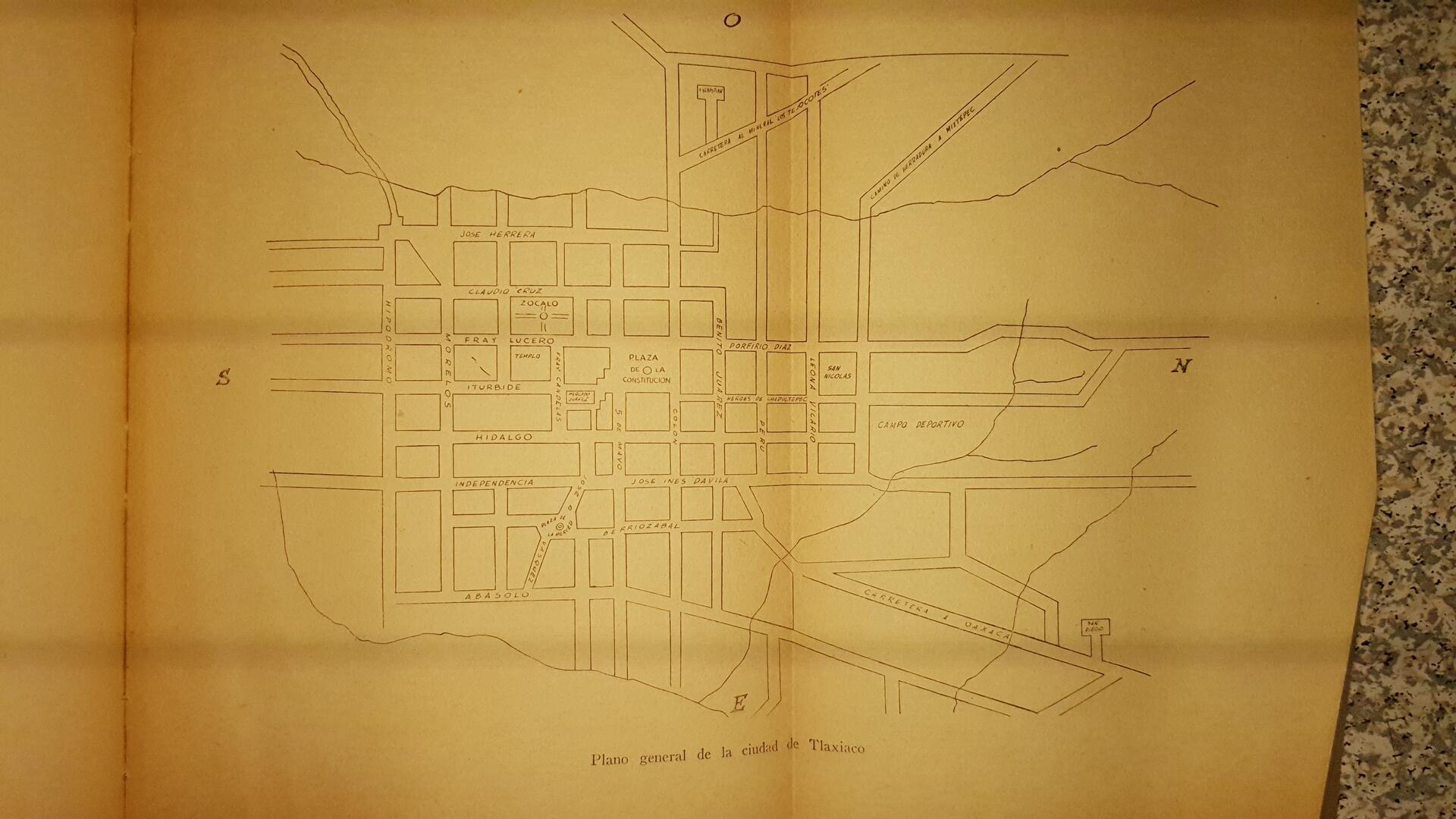
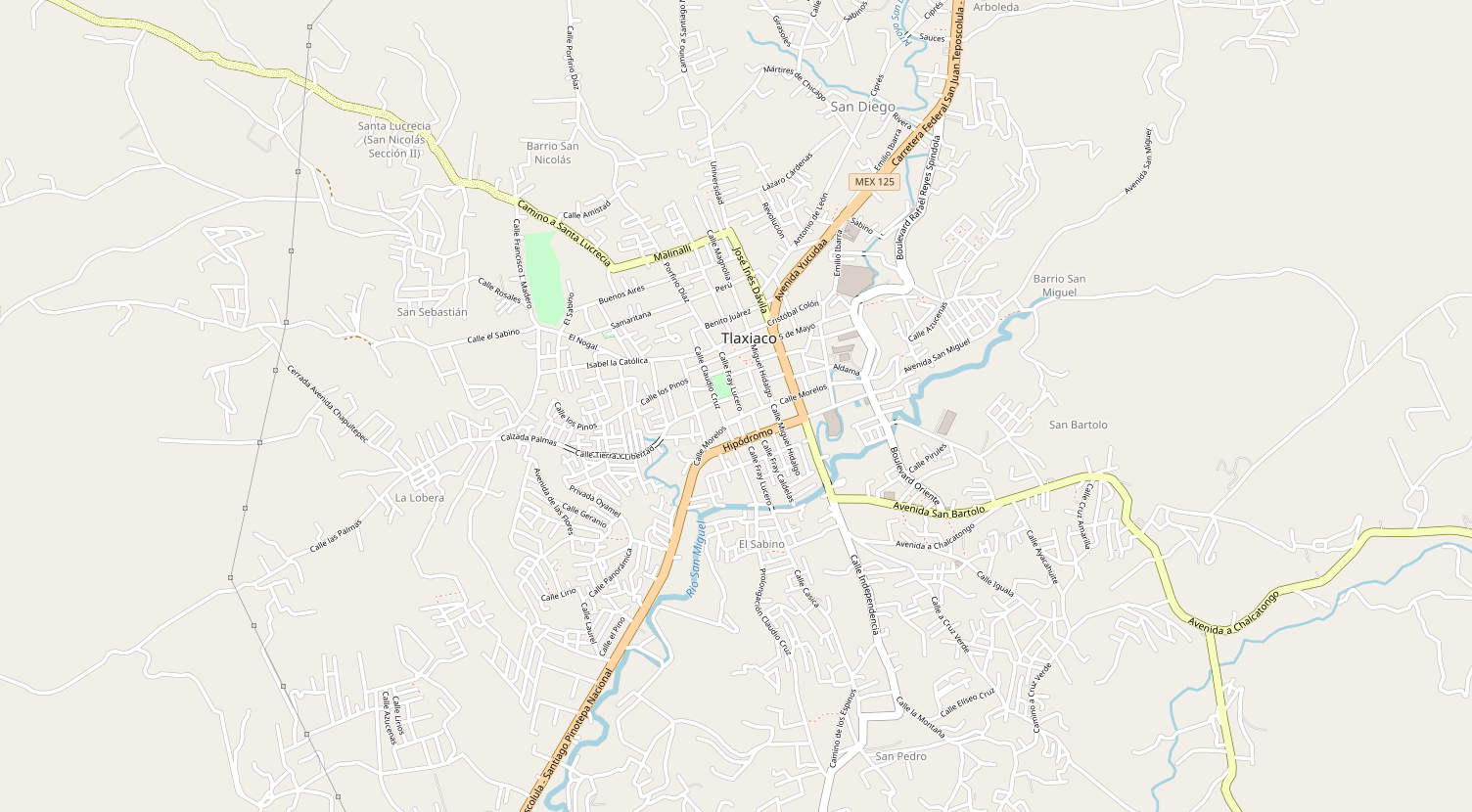
A sobreposition. Highway MEX-125 certainly took his toll to the city, by demolishing existing buildings to permit its construction
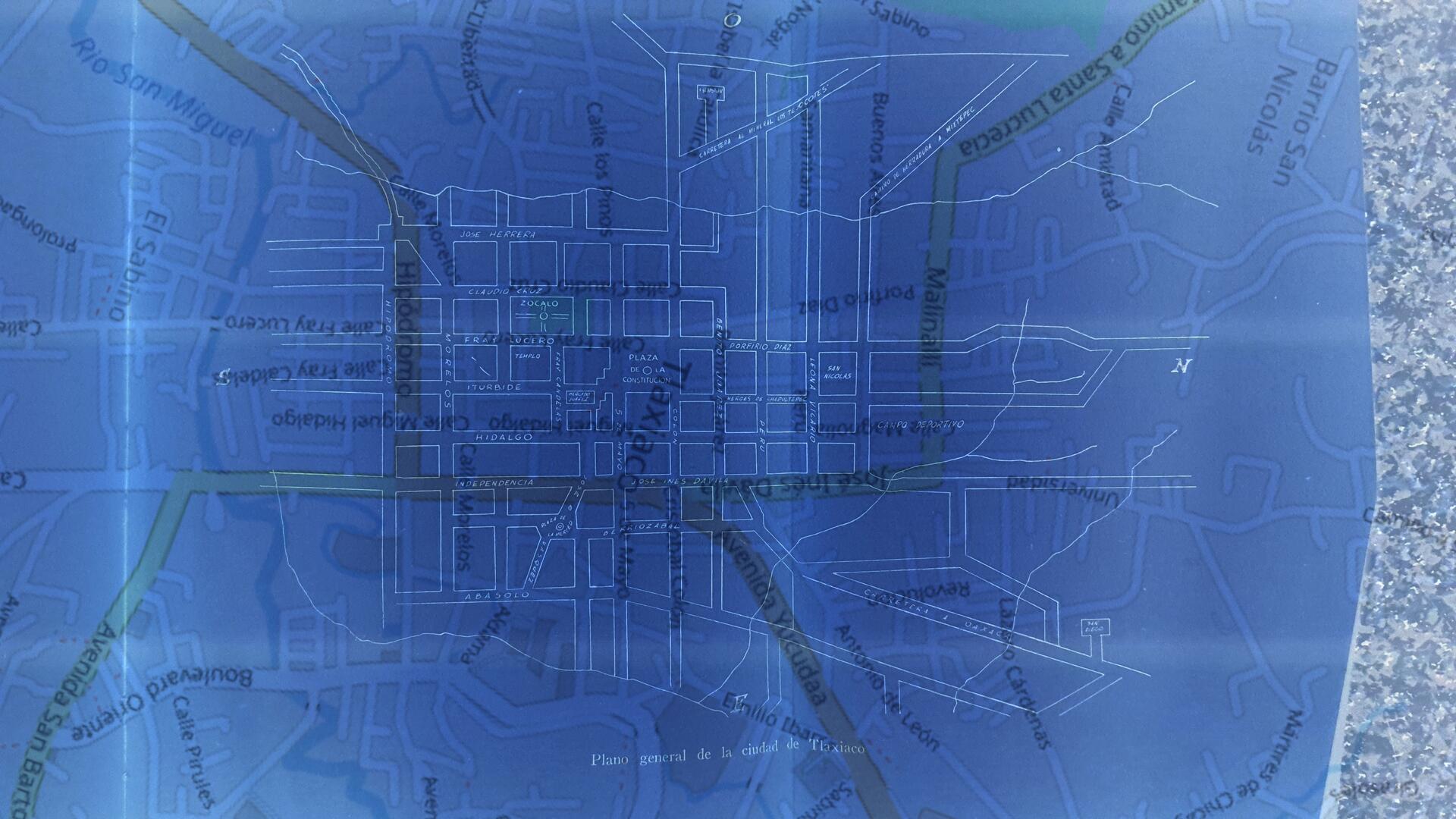
For comparison, then vs now.
A sobreposition. Highway MEX-125 certainly took his toll to the city, by demolishing existing buildings to permit its construction
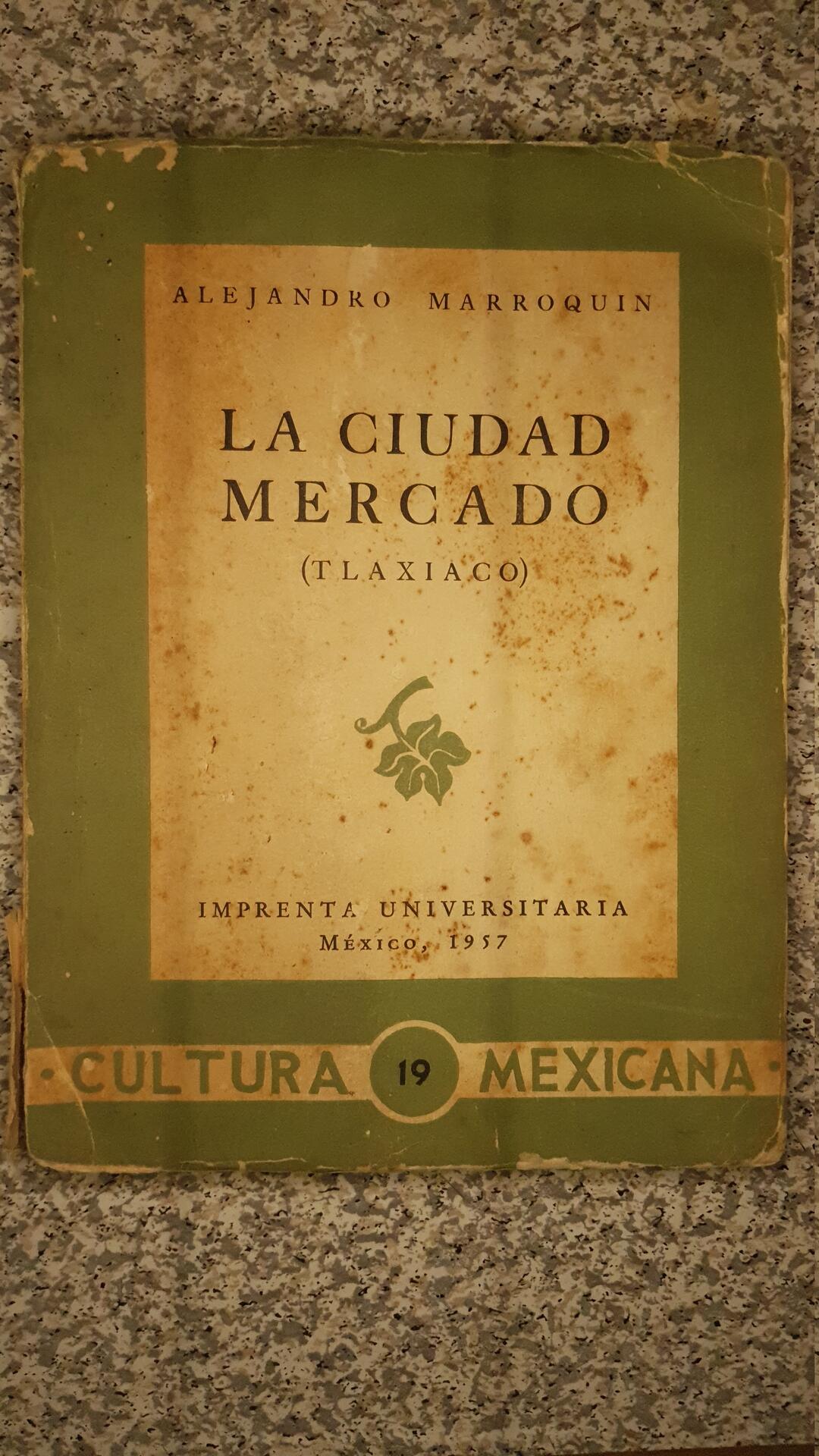
The survey focuses on the commercial activity, not only of the city dwellers, but also of the nearest villages; thus the title, "The Market City"⁽*⁾ is given to this place because of the "Tianguis", that is, a flea market that used to happen once a week during Saturdays.
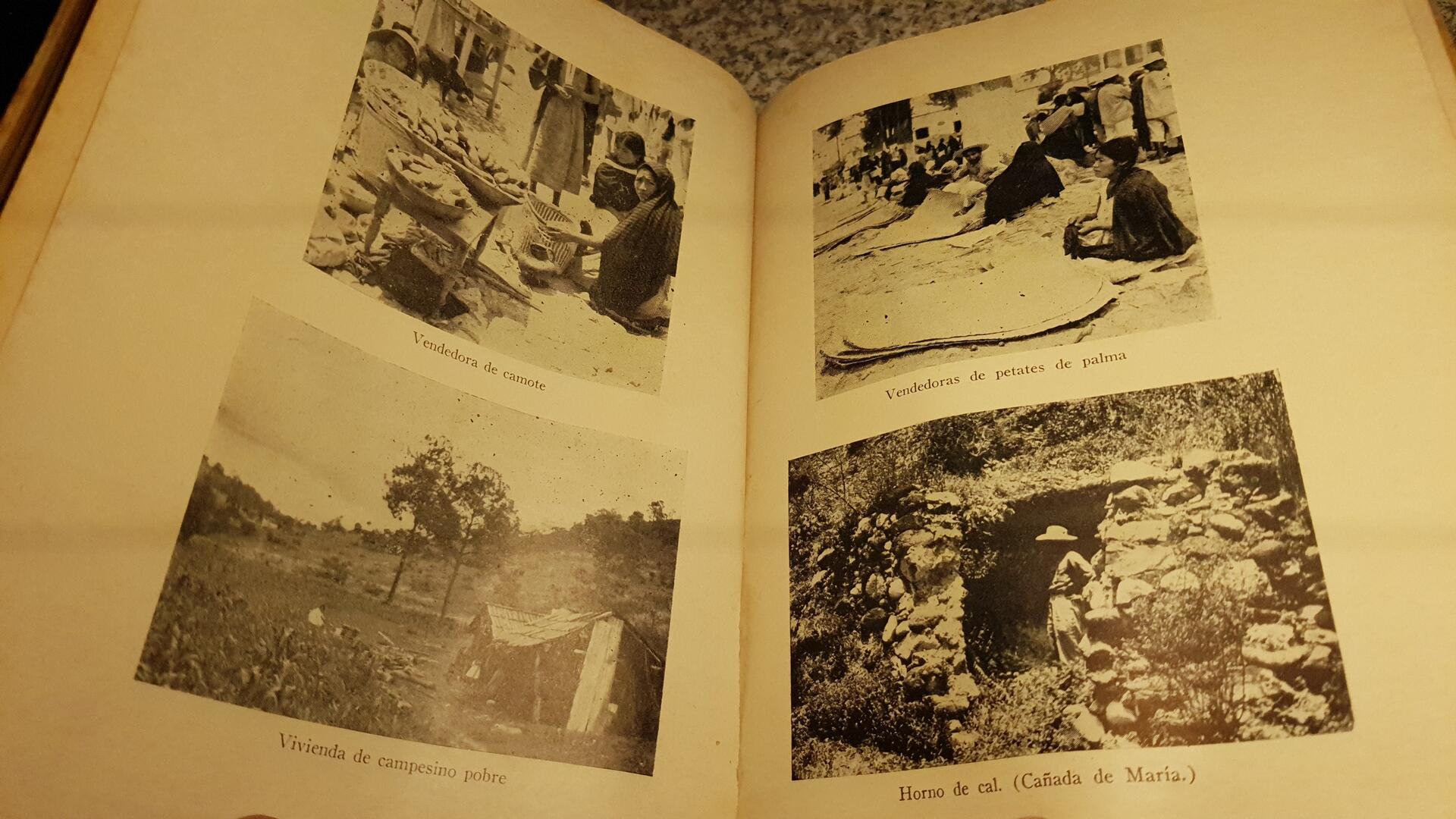
⁽*⁾: I realized "The Market City" might be a better translation than "The City Market", as in the original post.
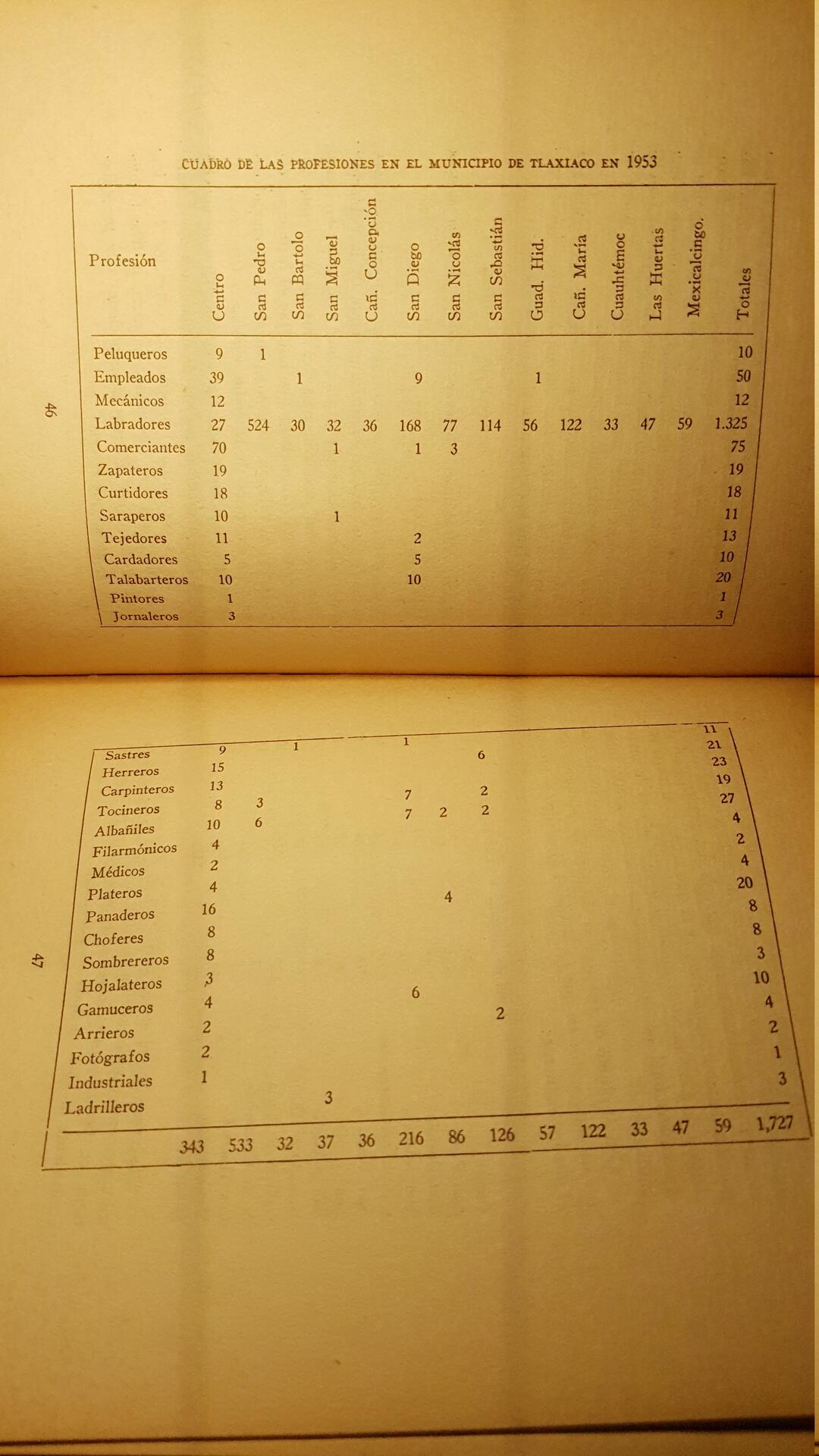
A table naming the professions and frequencies of the city dwellers of Tlaxiaco, by the year of 1953.
By then, the most recurrent profession was farming (labradores, 1,325); whereas there was only one painter (as in art) in the whole city.
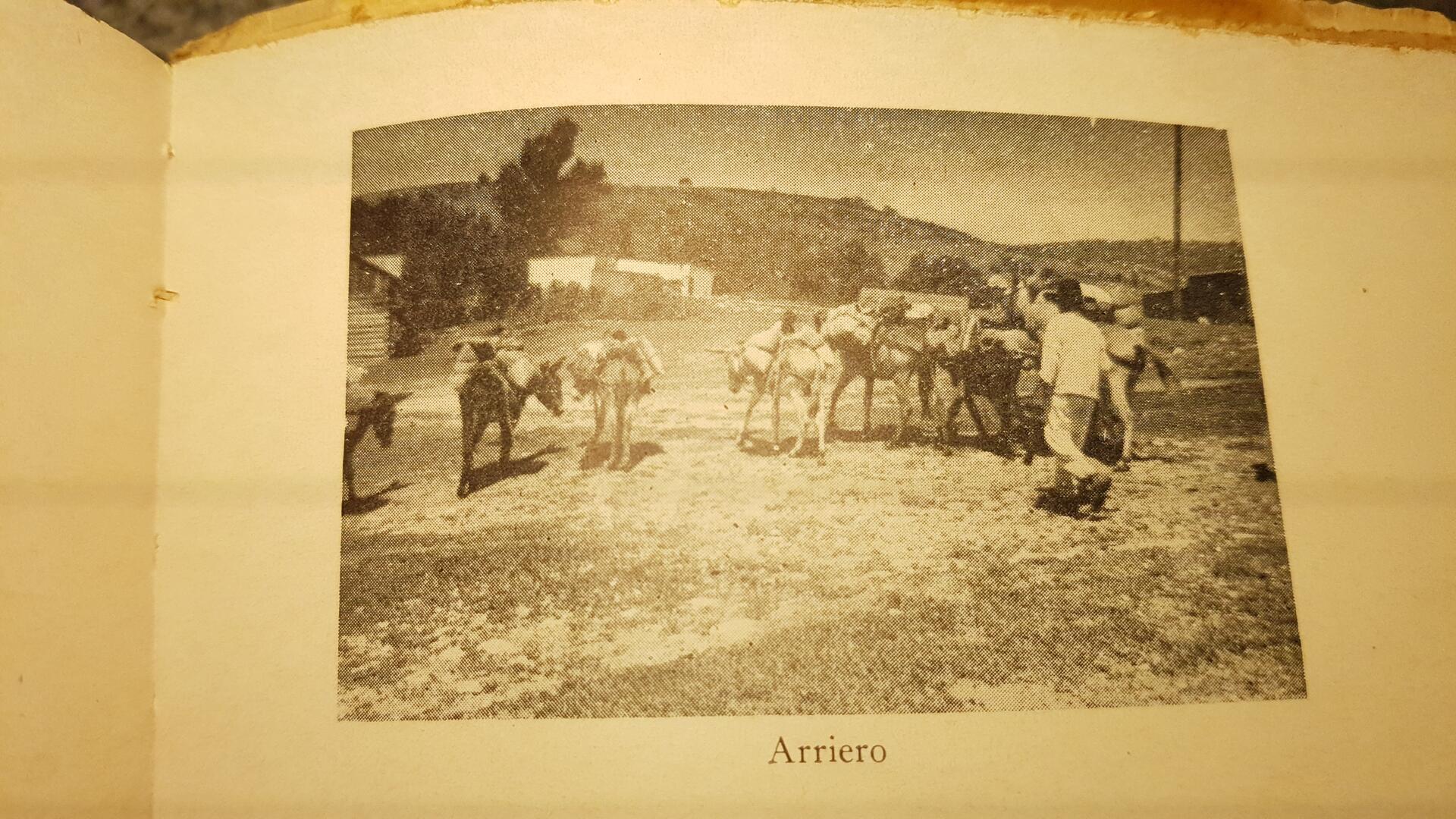
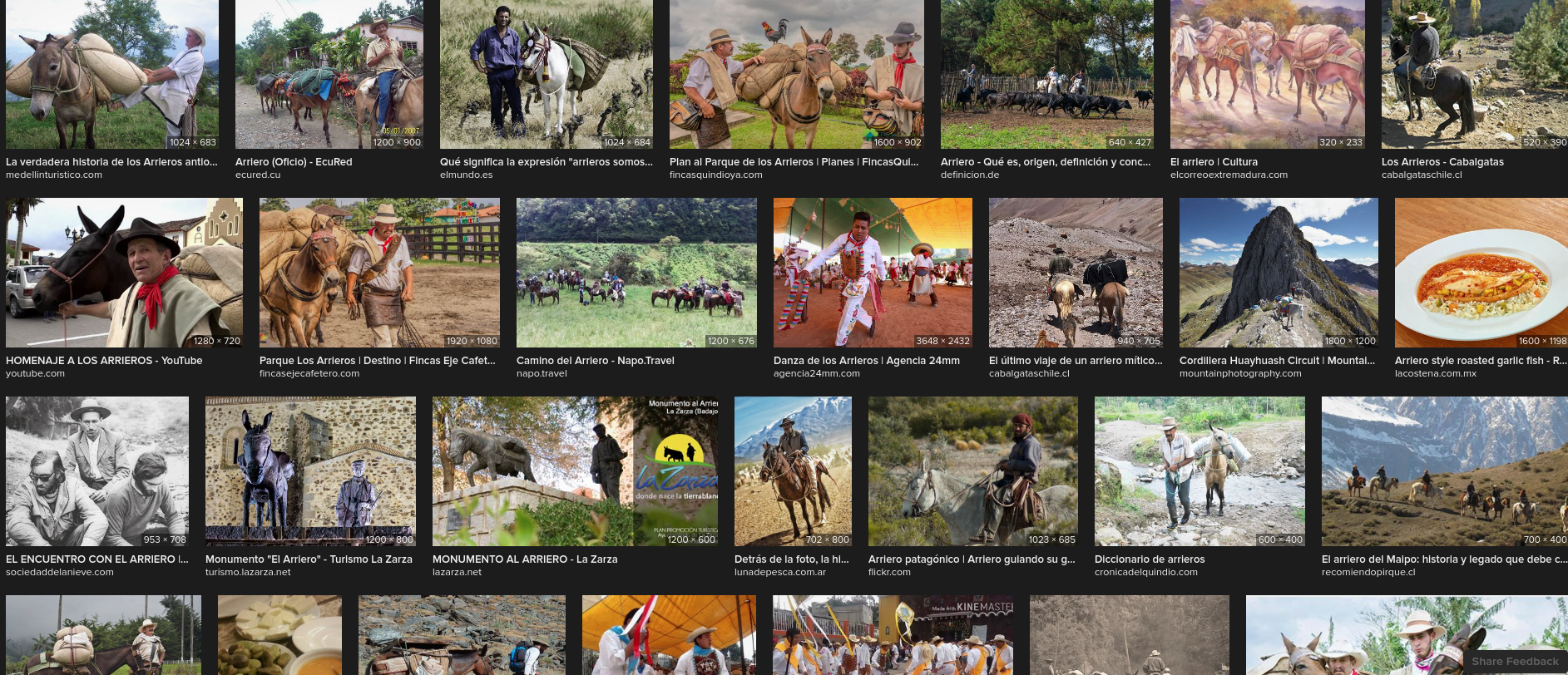
Out of all the traditional professions that existed at Tlaxiaco and nowadays struggle to survive, probably the muleteer (Arriero) is the one I would feel the most sorry about. As the book describes, the built of the Pan-American Highway displaced the need of using beasts to carry goods and commuters. Simply put, the time preference was other before the development of motor vehicles.
That could sound obvious and rightful in the conventional sense of "development", that is, to take whatever product or service and to scale it harder, better, faster, stronger. What might not be so obvious is the loci of the place displaced by a new architecture, that being for this case, under the convention of the muleteers villages and roads were build in the fashion of the local experience, in direct contact with nature if one likes to say so. Nowadays the muleteers experience might be reserved for tourism and old fashioned cowfrens; however, —as with many of traditional professions—, it shouldn't be missed as a way to "make place", or build citadels 😉 .
I've been analyzing you for a while and wondering, why are you so interested in the concept of place?
Simply put: because I'm an architect.
Another, larger answer, should be because nowadays the title of architect given by the academy is not enough to satisfy the demands of our contemporary ways of inhabiting places.
To elaborate further: it could be my opinion that modern architecture academy missed the Greek concept of the loci (or genius loci) of places. This is not to meant that the Greek style is the only true style of doing architecture; however I can understand that the idea of the loci is useful to remind our rather "natural" or "organic" way we as humans have to relate with places. In counterpart, I find in modern architecture a rather "dosificated" or "given" place that invites the idea that modern architecture is artificial. In other words, architecture can be planned, however the measure of planning can, and should be flexible, and thus the genius loci concept has use as an alternative way to practice architecture.
A third, even romantic answer, should be because I have been realized that places are somehow alike people, that is, one can read places and try to understand them even though not with full certaintity. One can get in love with places in the same manner one can get in love with people. If love is to be found in places, certainly a vast number of emotions could also take place. That is something that I find very interesting.
¡Saludos, Yaaman kun! 🫂
I remember now. There's an artist in Chicago who is making an independent urban plan.