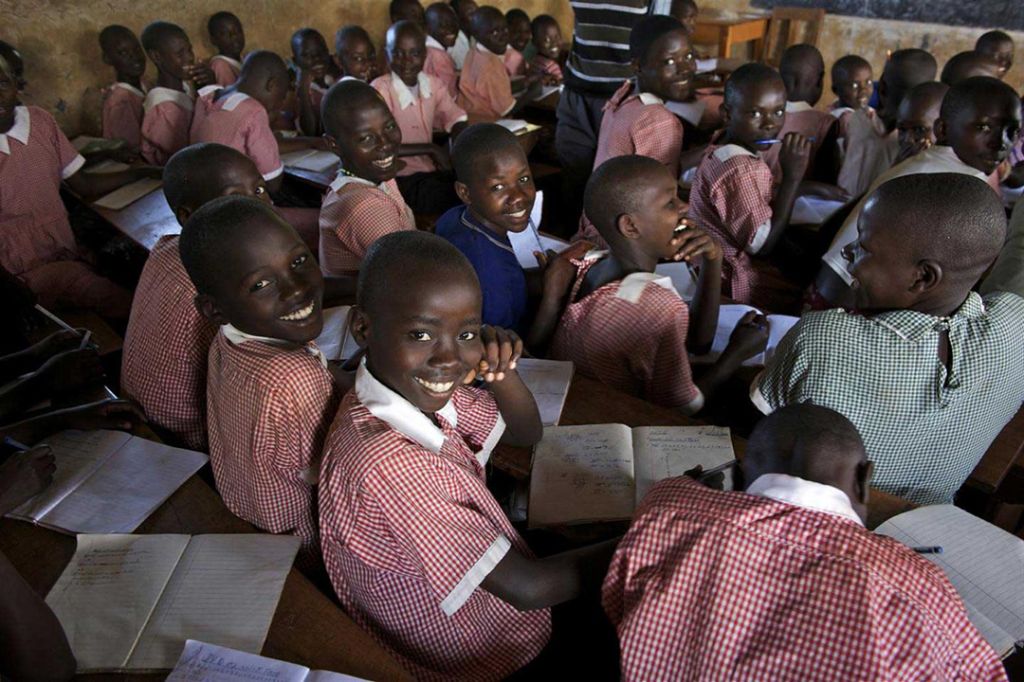
Universal Primary Education (UPE) is one of the Government of Uganda’s main policy tools for
achieving poverty reduction and human development. Broadly speaking, its main objectives are to:
• provide the facilities and resources to enable every child to enter and remain in school until
the primary cycle of education is complete;
• make education equitable in order to eliminate disparities and inequalities;
• ensure that education is affordable by the majority of Ugandans;
• reduce poverty by equipping every individual with basic skills.
UPE was introduced in January 1997, following a political commitment by President Museveni that
the Government would meet the cost of primary education of four children per family. This commitment was soon extended to allow all people that wanted to access primary education to do so.
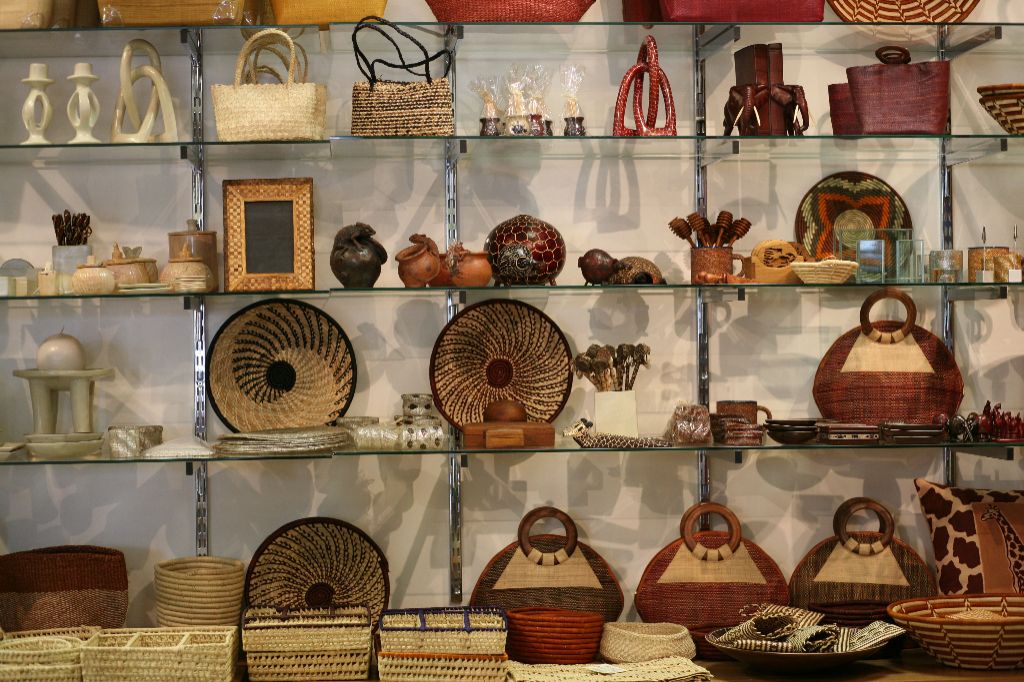
I want to try and sell african handmade crafts in bitcoin on here, incase you are intrested let me know what you want and i will look for it from the local market, I buy it for you in our local currency and you pay in bitcoin... hows that?
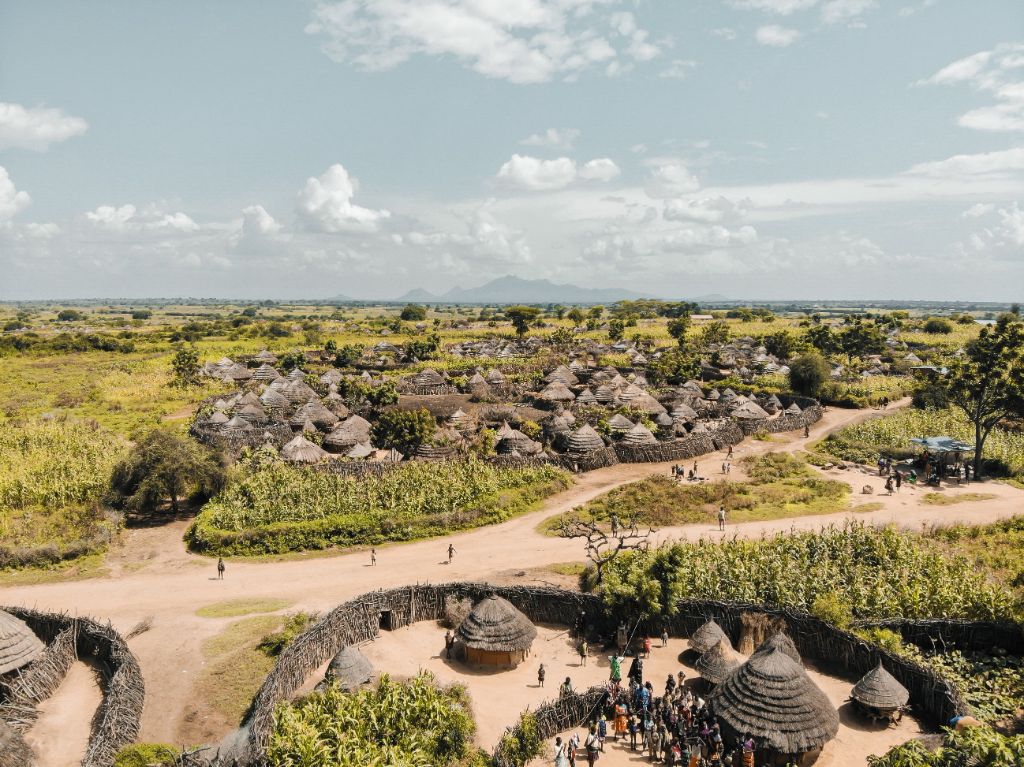
Karamoja region is the place in Uganda with the most manyatas (grass-thatched huts). For a very long time, this place was considered as a really dangerous region because of the wars that were going on in the northern areas of Uganda however today, it is safe and therefore one of the best places you can go to if you wish to spend to have a very wonderful cultural safari in Uganda. This is so because the Karamanjongs have the best cultural believes and a sometime enjoying the beauty of nature.
Ten years ago, no one envisioned the current magnitude of the mining boom in Karamoja sub-region, a region that is now popular for its vast mineral resources. But overall the revenues from the mining is low.
Experts say that Karamoja Gold has world’s highest levels of purity. The gold rates vary between the $29-$54 per gram depending on the total amount of purchasing, market demand and other outside influences.

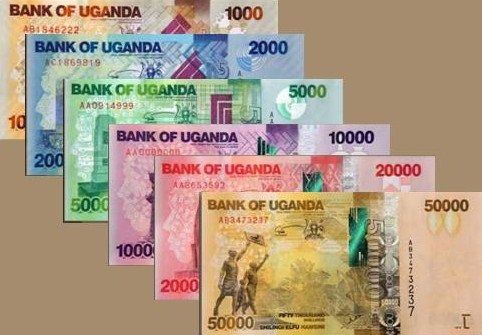
The Official currency of the Republic of Uganda is the UgandAa Shilling. issued by the Bank of Uganda. The currency code used is UGX, although USH used to be the symbol and now is the sign used locally.
The Uganda shilling is stable, convertiblw Uganda currency that floats against foreign Currency on the international market.
Uganda Shillings come in 1,000, 2,000, 5,000, 10,000, 20,000 and 50,000 notes. There are also, 50, 100, 200, 500 and 1000 Shilling coins. The 1,000 Shilling coin is especially attractive.
The Central Bank of Uganda has created attractive banknotes that emphasize somme of its cultuure and natural treasures, such as a mountain gorilL on the 50,000 Shilling note.
Ankole Cattle Found In Uganda
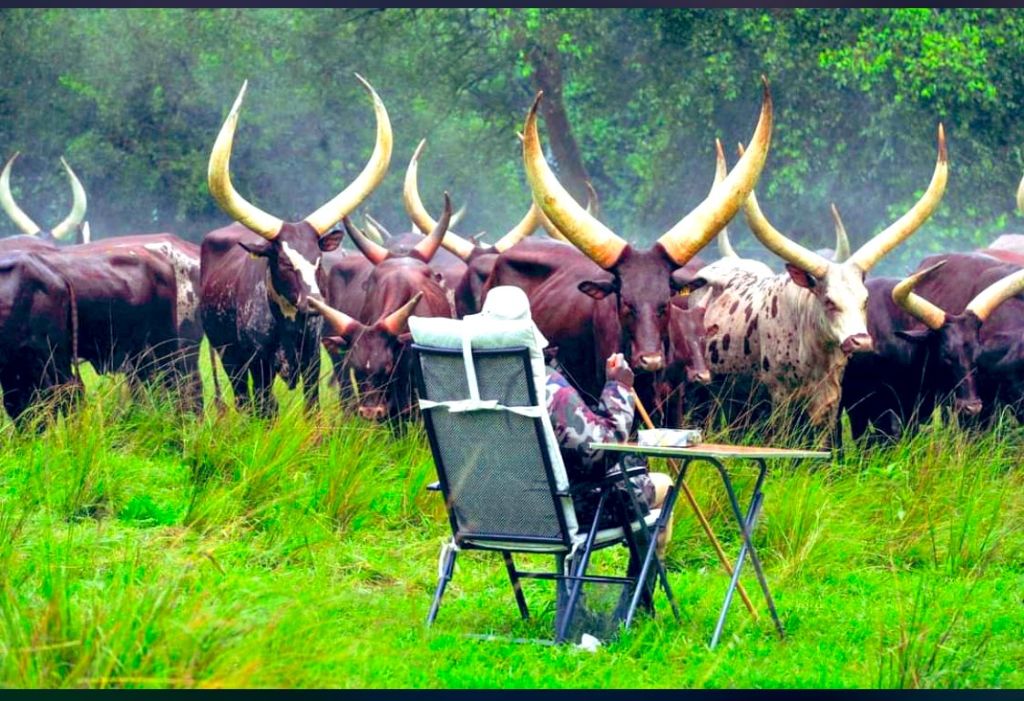
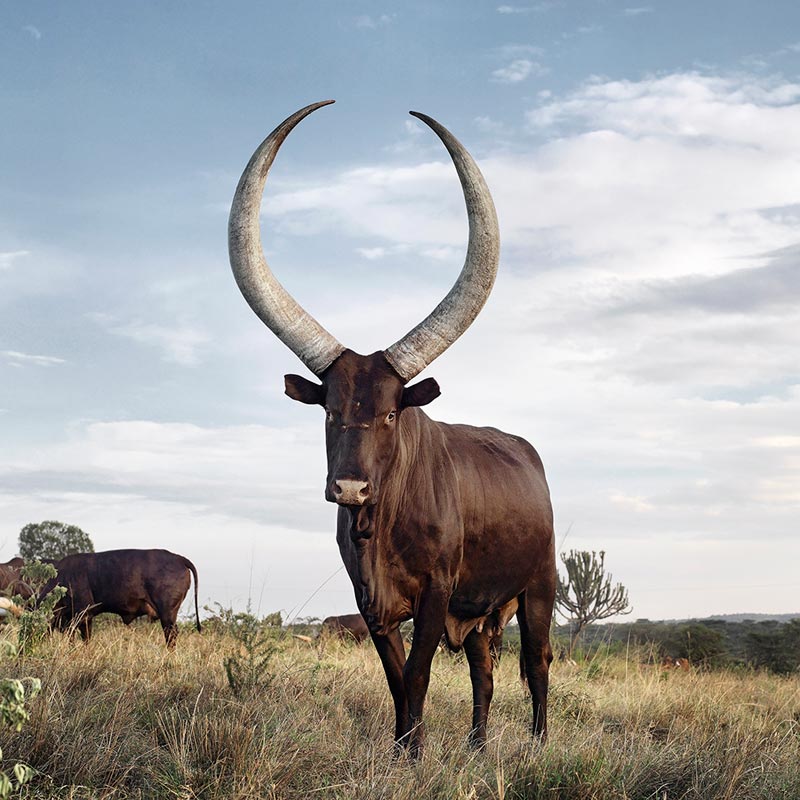
Ankole Long-Horned Cattle (also known as inyambo) have a dark brown coat and long white horns that curve outwards and then up, in the shape of a lyre. They are majestic, elegant animals, able to travel long distances in search of pasture and water. Thanks to its impressive horns (almost six times longer than those of European cattle breeds), this breed was once considered the incarnation of divine beauty, a yardstick for women and worriers.
Still today these cattle have a sacred role in the communities that depend on them. They are a maternal figure, a currency, and a gift. They strengthen social relationships, and their elegance is celebrated in poems and songs. Breeders and herders articulate the times of the day through the habits of their cattle: the morning is “grazing time” and the evenings are “home time.” Ankole Long-Horned Cattle are raised in the Rift Valley along the border between Uganda and Rwanda (some are also present in Burundi) in a semi-arid strip often called the "cattle corridor." This rustic breed is kept for both its meat and milk. The milk has a high fat content and is used to prepare traditional products such as yogurt and ghee (clarified butter). The blood is also used as an ingredient in local cuisine.
What are zaps?

