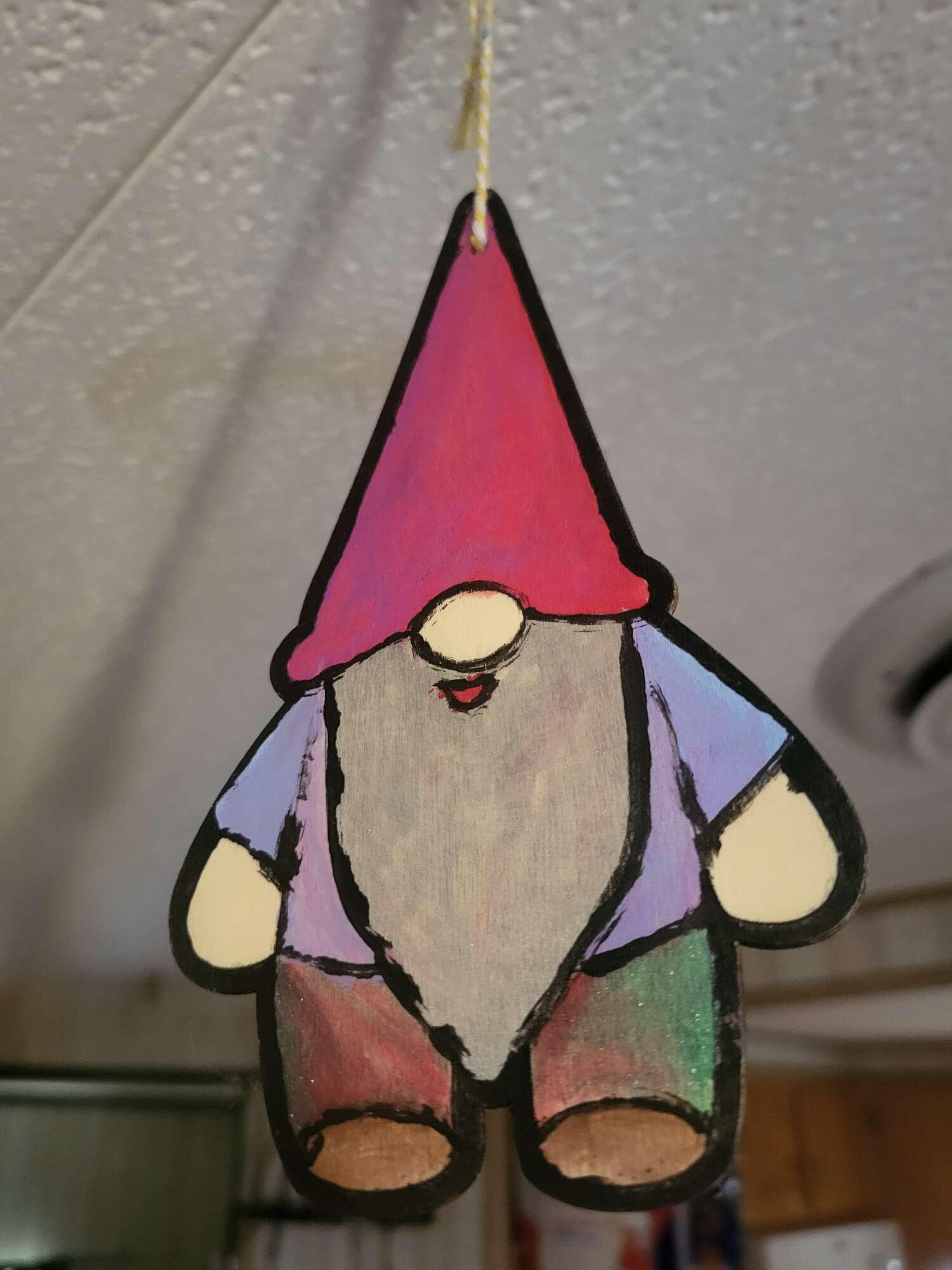
Someone come brew my coffee for me. I lack the gumption
nostr:nprofile1qqsw8fveyjfne8ul9hurgjg9t6ectrc5sr7ap30dh9wlpzlde5hxvfqhhpgkd I don't want to alarm you but something happened to your pupil
I'm very much not ready for this week to start. Kids got me up, gonna coffee it momentarily. GM Errybuddy

100, 1000, etc blocks ago

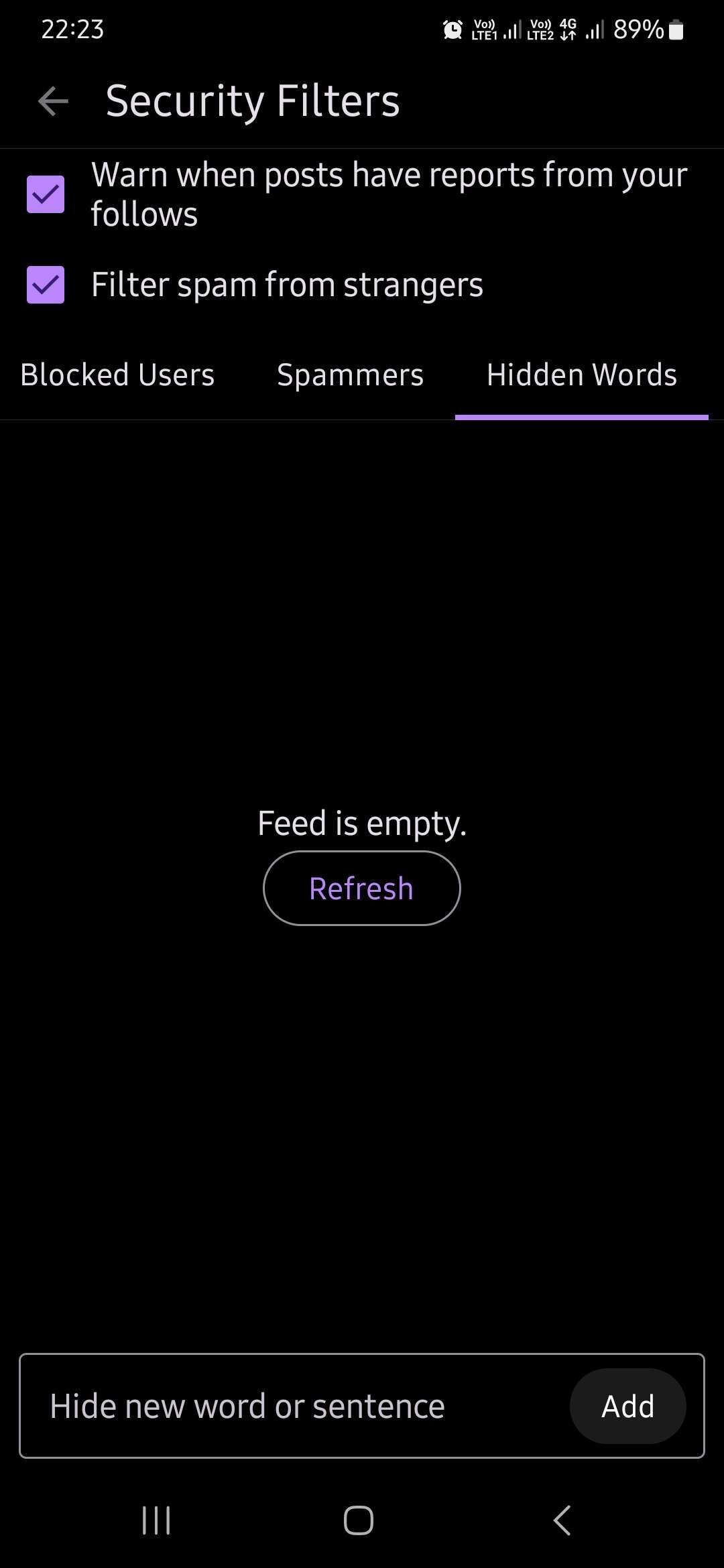
I found that menu, but it looked like that would have the effect of always blocking. Basically I don't want to unfollow everyone, but it would be cool to scroll through content that WASNT 75% Bitcoin centric once in a while
Is it possible in Amethyst to make a feed that has certain words blacklisted, if I don't want to globally block them?

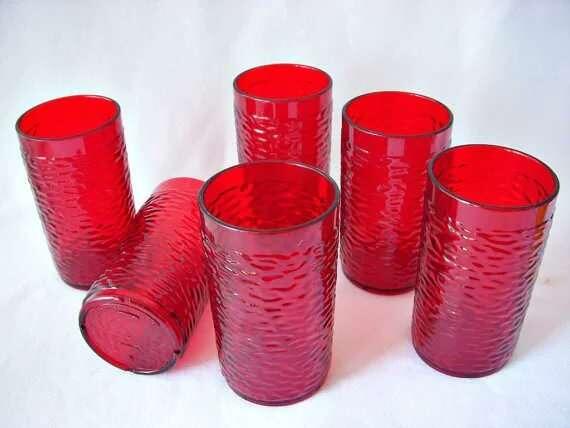

Whats the alternative? 4 Tbsp I guess

Yeah I figured qr or maybe even NFC if I can talk my employer into it. I could even have the volunteers use the system, but I think I would need to make a custom client for it that doesn't allow adding outside relays or something.
So I work on a farm that serves a community food pantry. I've been thinking of running a local relay to serve as a kind of inventory/crop progress journal/time tracking. Hypothetical workflow of take a picture and post a new note when a plot is planted. Then progress pictures on a weekly basis or whatever posted as comments to that top level note, showing growth or evidence of weeding or general health observations, etc.



Avoiding bankruptcy is overrated

For sure. I hope I didn't come off overly critical. I did have a bit of the impression that these were just direct rips of other content, like curation for this nostr audience (which is a service I absolutely appreciate, I love seeing your work on my feed), and if that were the case then I might think the citation would be a straightforward thing to list in addition.
On the other hand Its not like I would expect a bibliography and all of your sources cited for a well researched and formatted post, mostly just curious is all.
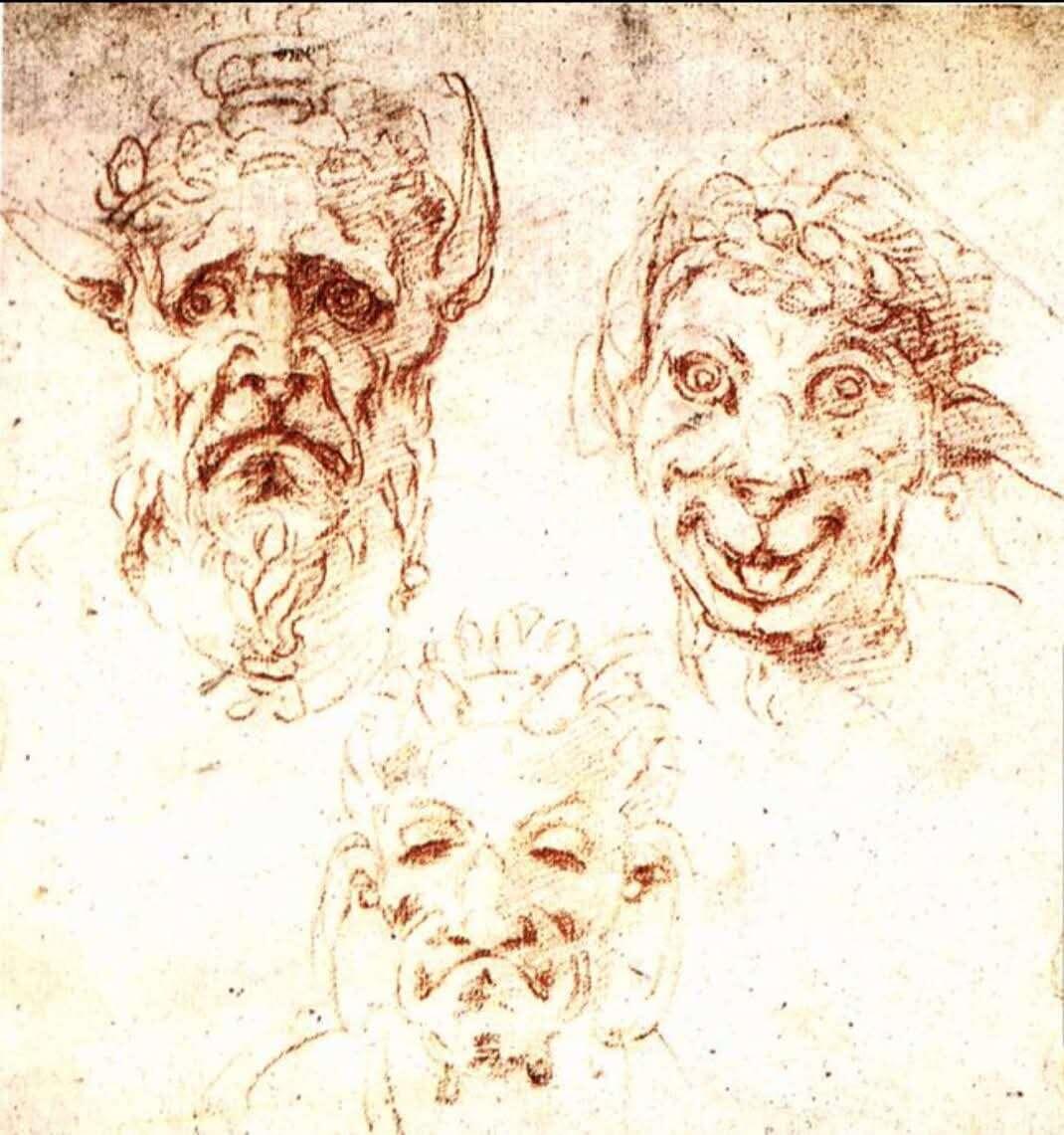
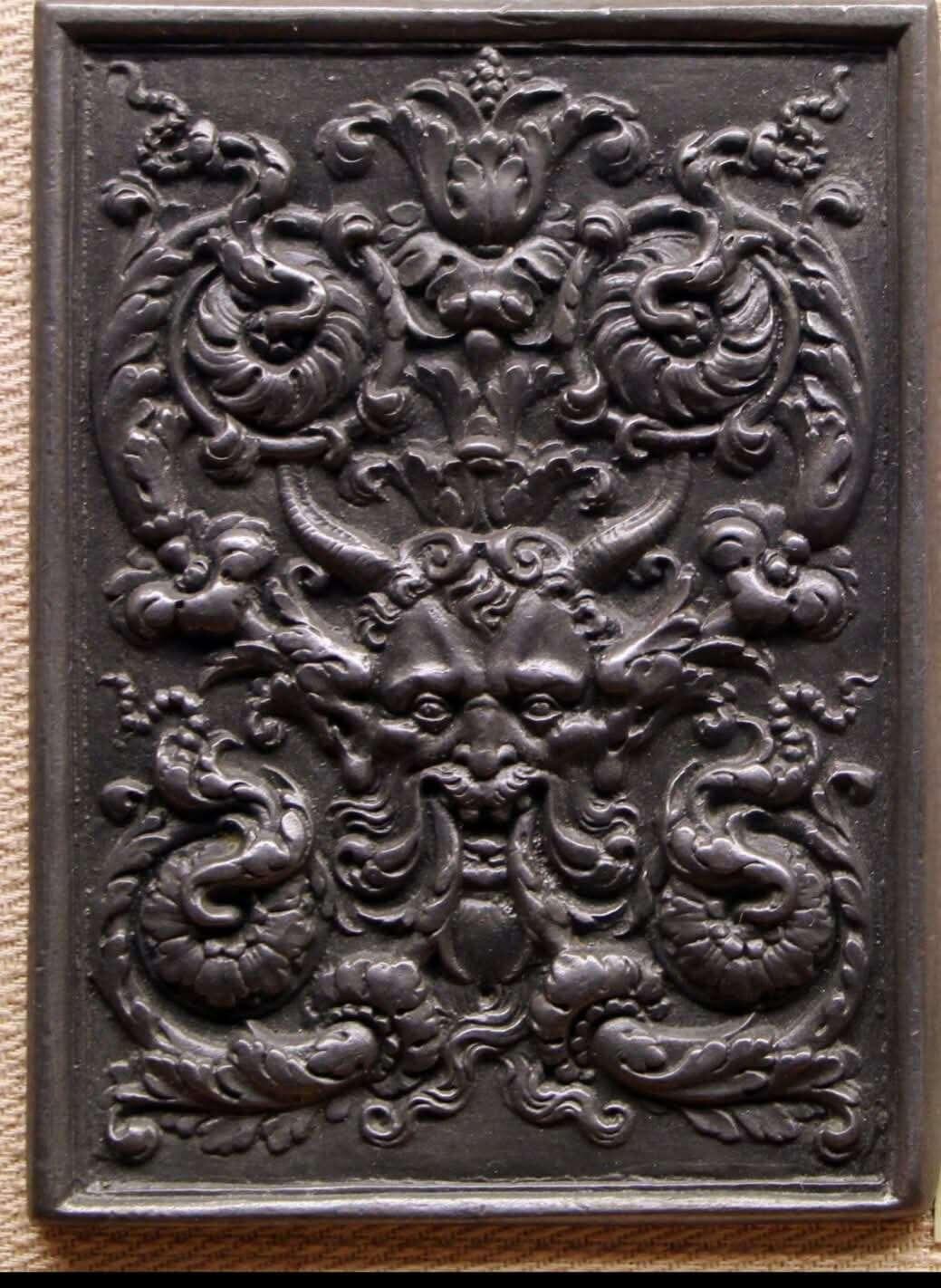
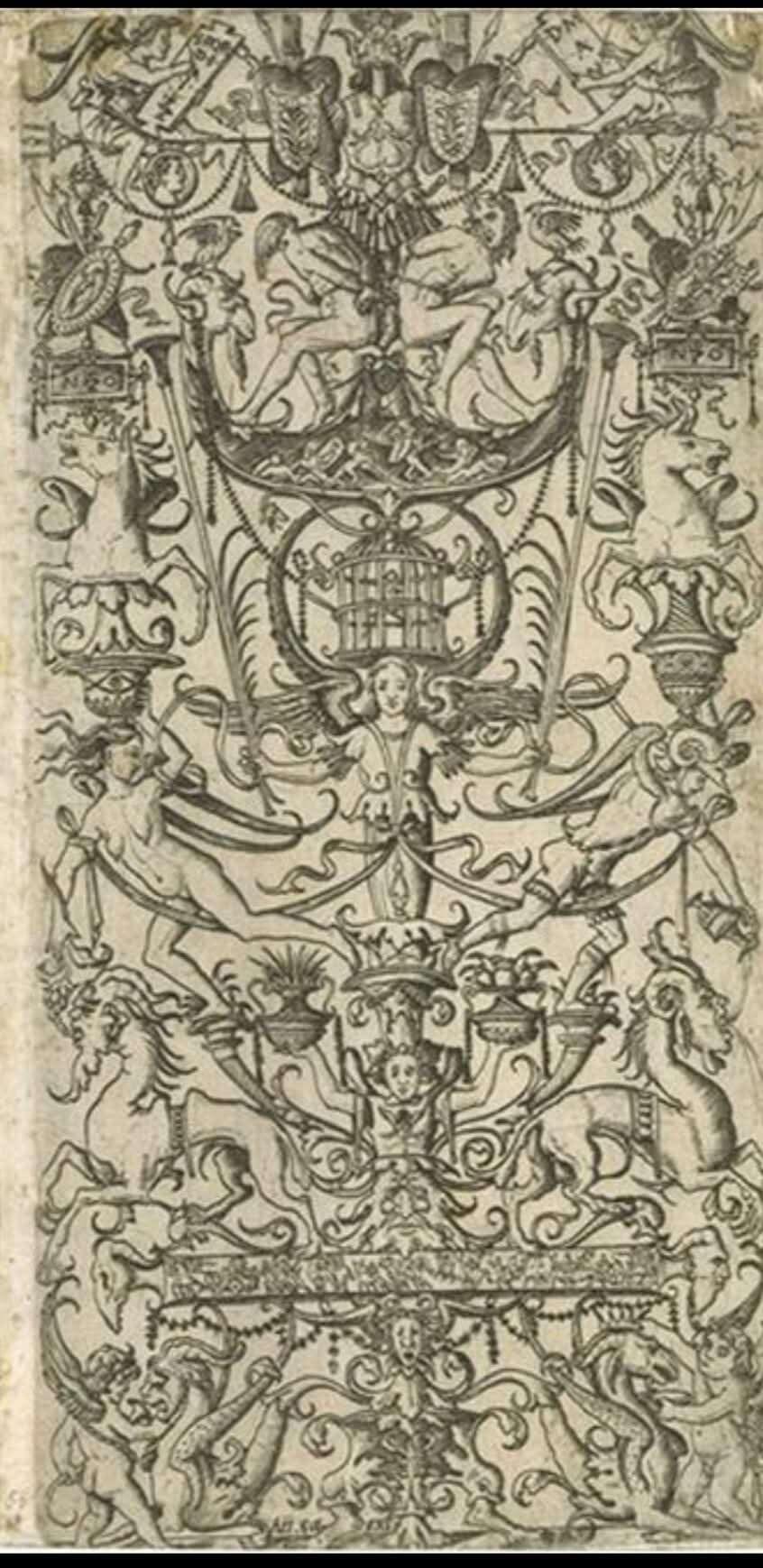
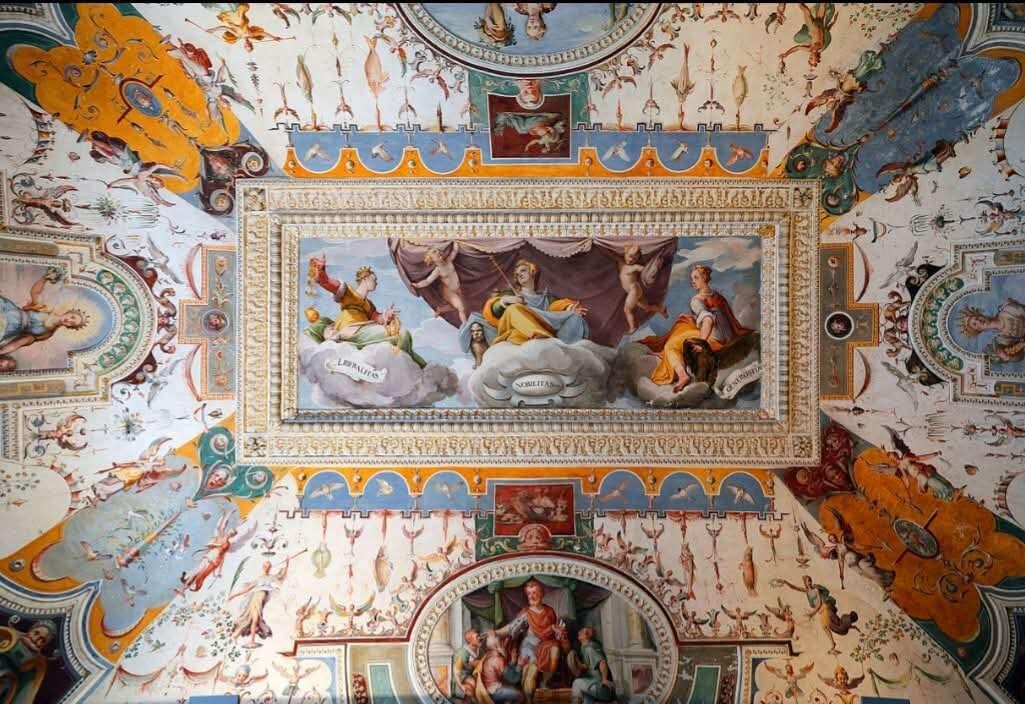
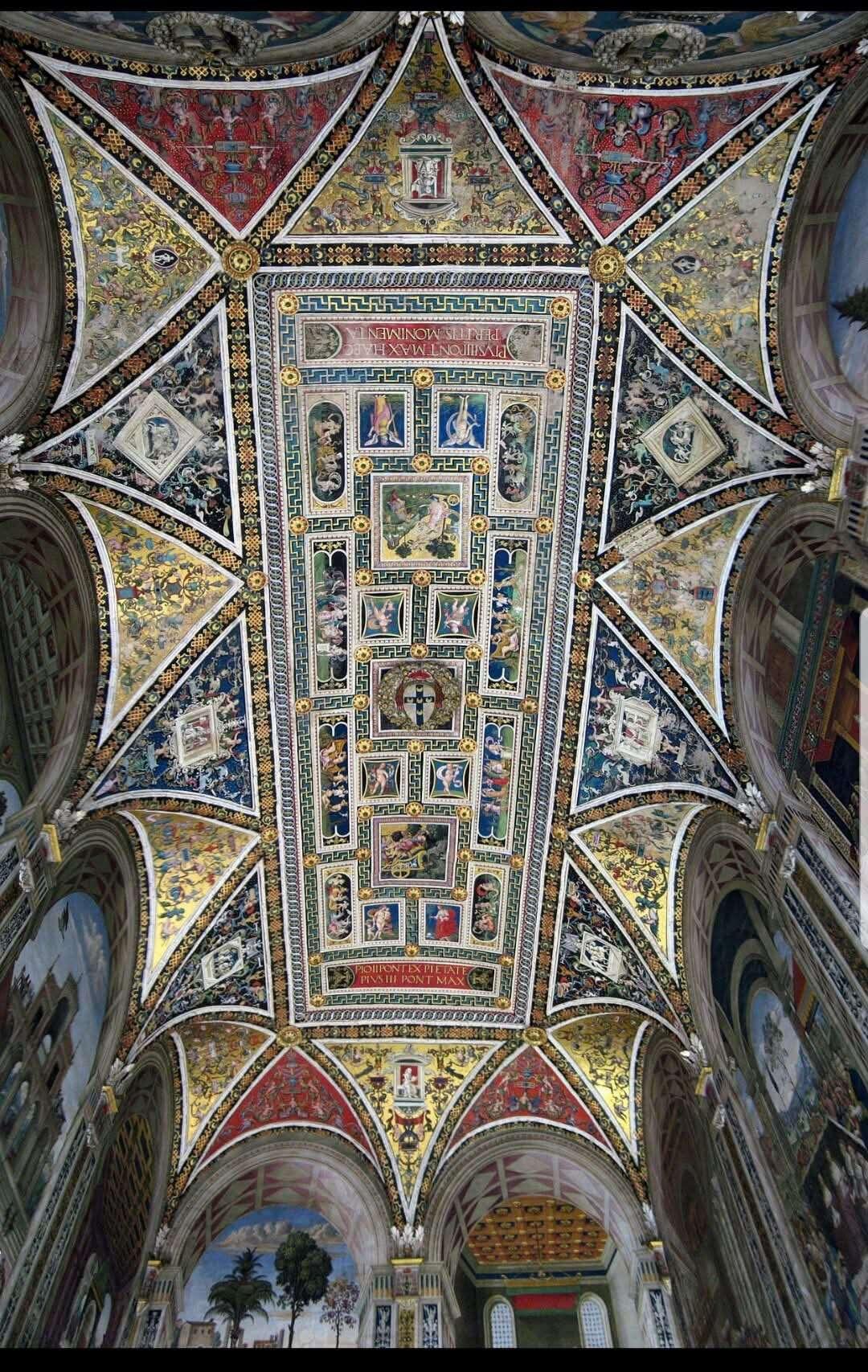

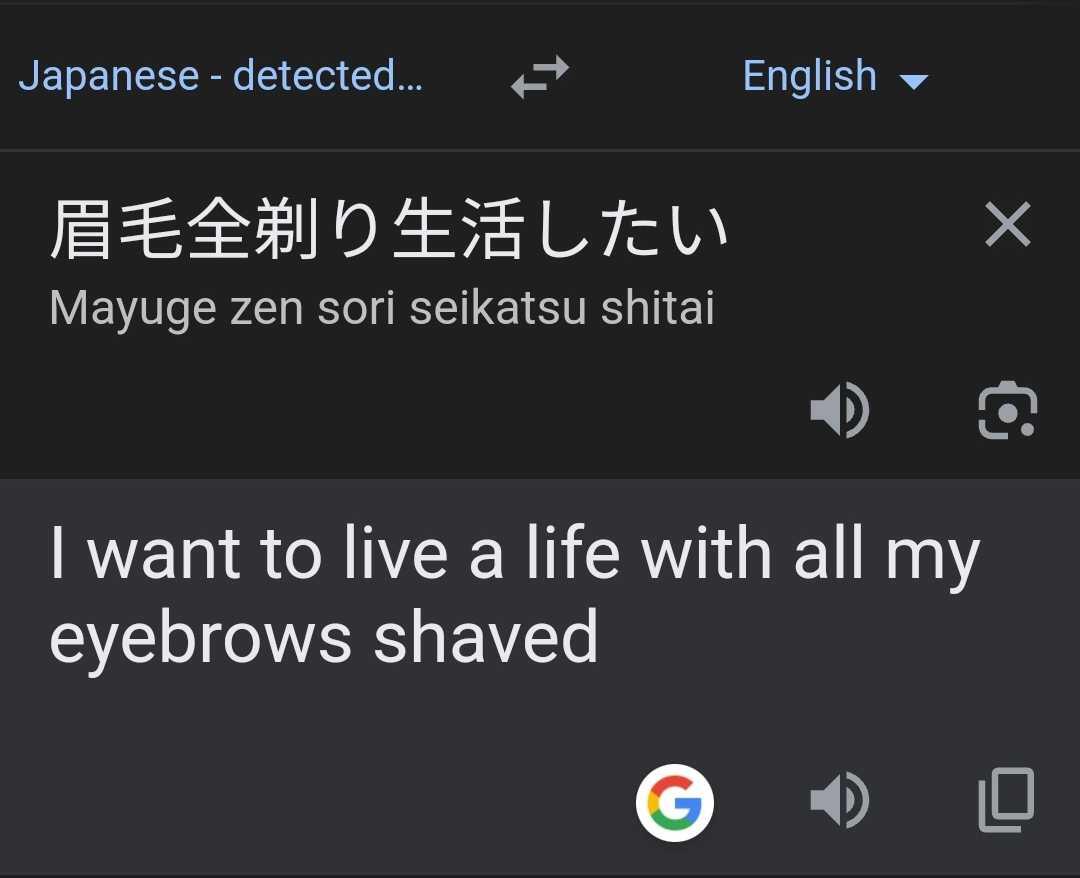

It fucked me up hard when it really sank in how separate each of our experiences can be. There is nothing objective in our neighborhood lol

Have you read Ishmael by Daniel Quinn?

Ending personal property would stop theft