

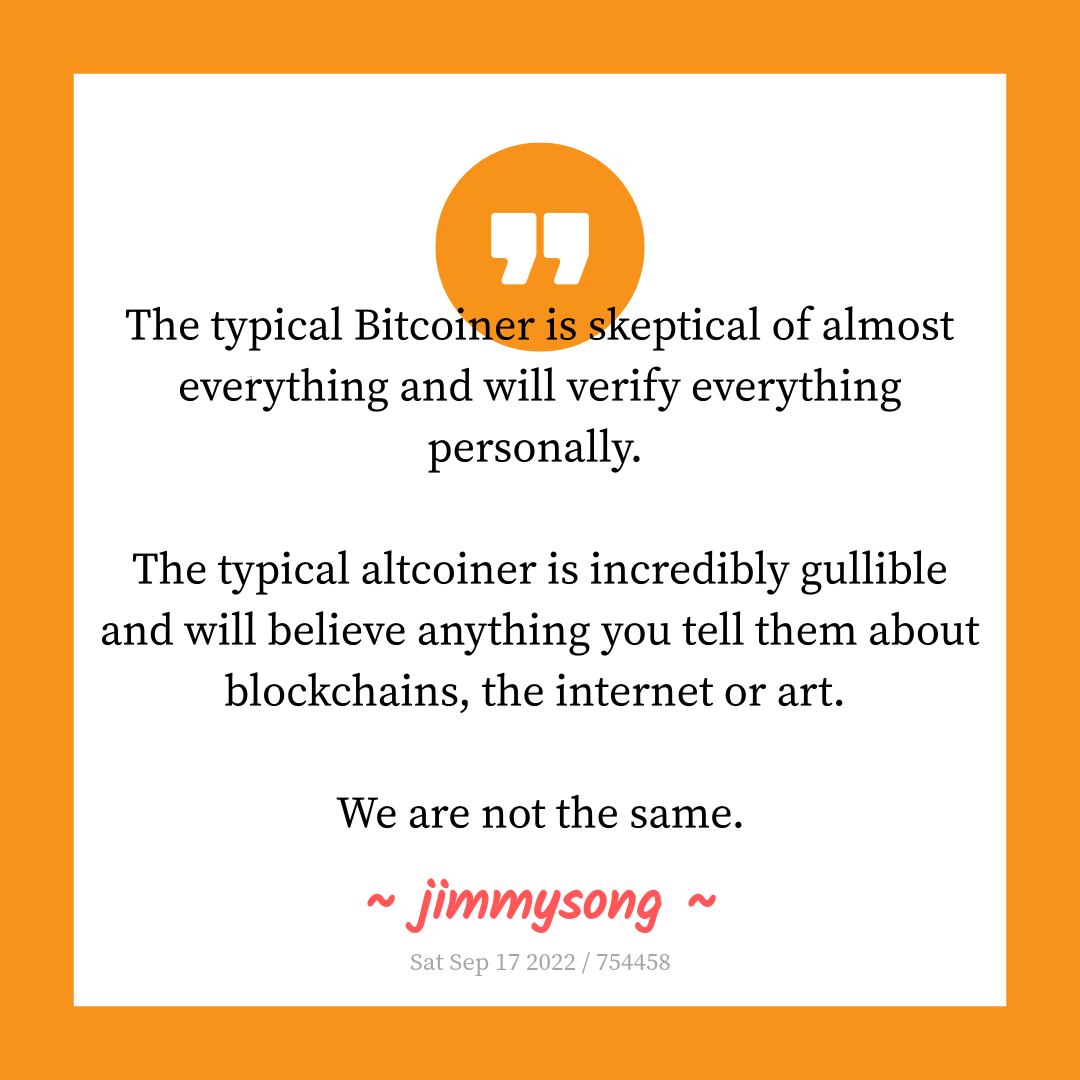
"Don't trust; verify" is the best advice for anyone about anything in the 2020s

Great discussion all around.
My hope for MedSchlr is to have discussions around emerging solutions to chronic disease.
As an example, suppose a low-risk intervention on a disease. Suppose that low-risk intervention is not widely supported, for any number of reasons. Suppose one main reason: the low-risk intervention in question uses non-patented natural medicines, or pharmaceuticals with expired patents, or both, and suppose that if the intervention is found to be helpful against one or more chronic disease, that it will represent a real threat to pharma profits and reduce the need for expensive surgical procedures.
Now suppose there are regular people, some with chronic diseases, who like to try stuff and read scientific developments on health topics (enter biohackers). Suppose that some of them are trying some emerging protocols already and suppose we just suggest to them a template for documenting their results as a case study.
And suppose those who get on board start publishing their case studies individually. Could be on MedSchlr for discussion.
The example I'm writing of is real world for me.
Dr. Makis' protocol using ivermectin and fenbendazol has been reported to help cancer patients shrink their tumours. So if it's good for shrinking tumours, what about shrinking non-cancerous growths like endometriosis or fibroids? As a biohacker I tried most of this protocol (I didn't use the vitamin C or the HBOT, but did use pretty much everything else). I did it for 12 weeks. An endometrioma cyst that used to be visible by ultrasound for years on my left ovary was gone after 12 weeks of this protocol. Wrt fibroids, the results were less conclusive. Two fibroids grew and two shrank. Overall total volume of fibroids grew, but at a slower rate than recorded from prior ultrasounds. Symptoms related to the fibroids disappeared for the duration of the protocol.
I would love to try another 12 weeks with more rigorous controls and documentation and publish it on MedSchlr or wherever people could access it to discuss constructively.
Here's the protocol:
Biohackers Toronto promotes a decentralized solution for censorship-proof medical publication - nostr:nprofile1qy88wumn8ghj7mn0wvhxcmmv9uq36amnwvaz7tmwdaehgu3wvf5hgcm0d9hx2u3wwdhkx6tpdshsqg8at7phk7p7q65g8wex34u342y6ptklxq5jnf7g6mr3fmnl0d3f5gtx5qrc
https://biohackerstoronto.com/medschlr-empowering-healthcare-knowledge-through-nostr/

You gonna get kicked out of BTC maxi clubs for mentioning monero on Nostr! Lol


I recommend Bruce Peninsula. So beautiful and scenic!

More like Meetup than Tinder, but basically true 😊
Sovereign Assembly Saturday, September 27, 2025
The Sovereign Assembly and Privacy Phone Workshop 2025 will take place on September 27, 2025.
The day’s events include:
• Allodial title money: Self-custody your Bitcoin, with guest speaker Tony Yazbeck from the Bitcoin Way.
• Intro to privacy phones
• Getting started with your degoogled phone
• How to optimize for privacy: by John Anonymous, a privacy maximalist.
• What privacy-convenience trade-offs exist with a grapheneOS phone?
• What is medical sovereignty, what is de-centralized medicine?
• What does censorship-proof medical journal publishing look like on Nostr? With guest speaker, Emma, from Medschlr.
Also included with your ticket:
• Social time and networking at lunch with like-minded sovereign individuals.
• Ongoing support with your GrapheneOS phone: weekly calls + Q&A for one month following the event.
Early Bird Tickets are now Available!
We accept Bitcoin, Lightning, Cash, e-transfer and credit card (note that credit card payments are subject to a 3% payment processing fee, while the other payment methods are not).
For full details, email sovereigntribes@proton.me
Need more details and introductions? Join us for a free intro to privacy phones workshop on Sunday, September 7, 2025 at 7pm ET.
Email sovereigntribes@proton.me for full details. 