




I don't. The sooner it happens, the better for the world! (But the worse for stackers who are trying to accumulate big).



Sounds awesome. Best foods on the planet. 👍
#GM
Just keep in mind that when it comes to global adoption, Bitcoin and NOSTR are at the same level as the Internet and social media were in the 90s. We are very, very early and have a LONG path of potential.
#bitcoin #nostr #future

Probably one of the healthiest, most nutrient-dense breakfasts.

Exactly this ^^^^. Only when using NOSTR and ALL OF ITS FEAUTRES fully and properly, is MORE CONVENIENT than using X or Tiktok on mobile, will NOSTR become mainstream.





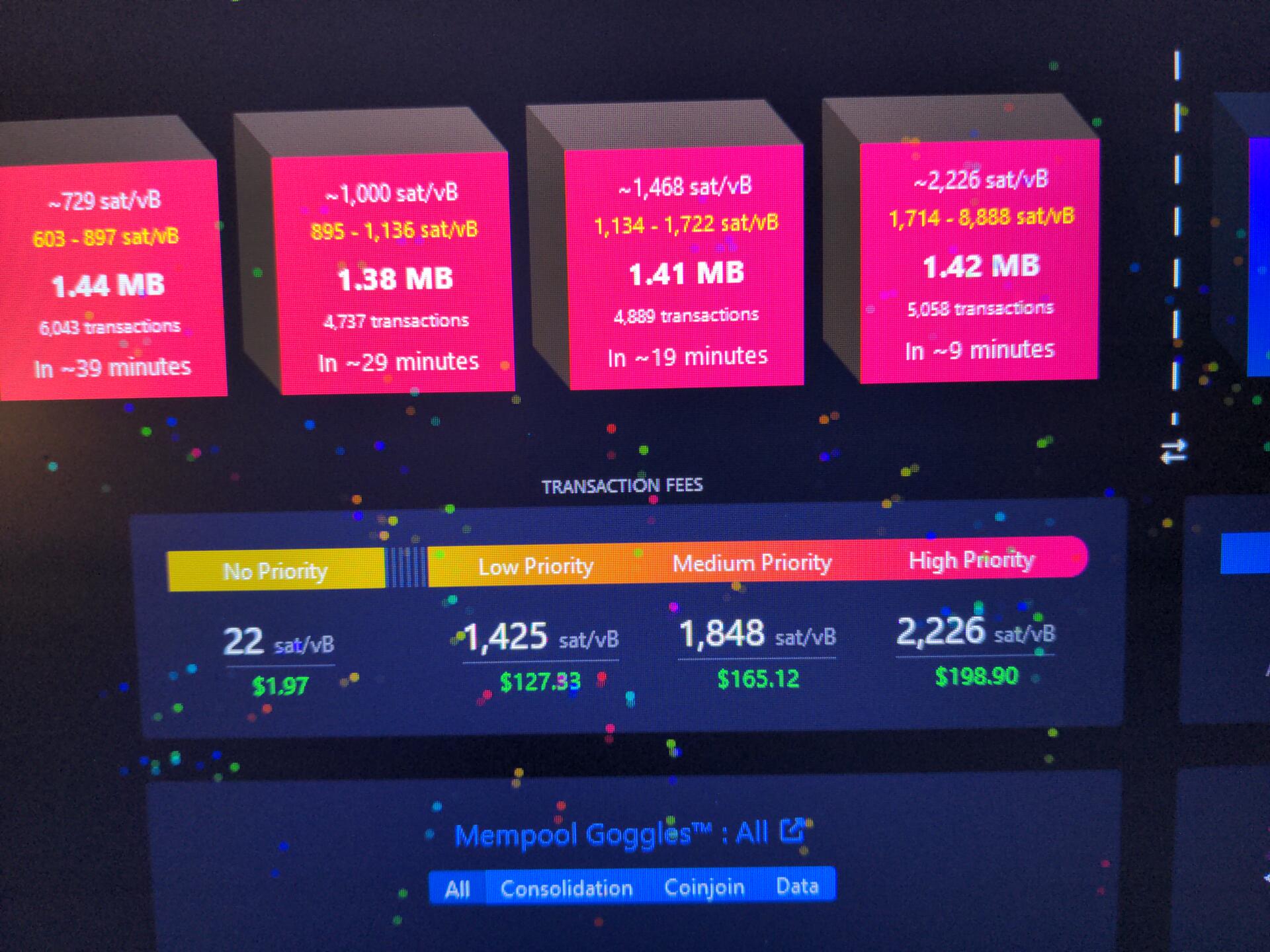
1. Counterpoint: No one is going to want to run a full node for a network that they can't afford to use. The more Bitcoin is used the more expensive it becomes to use.
2. Both are double edged swords. CPU mining also means it's more accessible to honest users and potentially more distributed. General purpose CPUs also mean more plausibly deniable that you're mining anything (less power, less heat, less noise, no one knows you're buying it to mine)
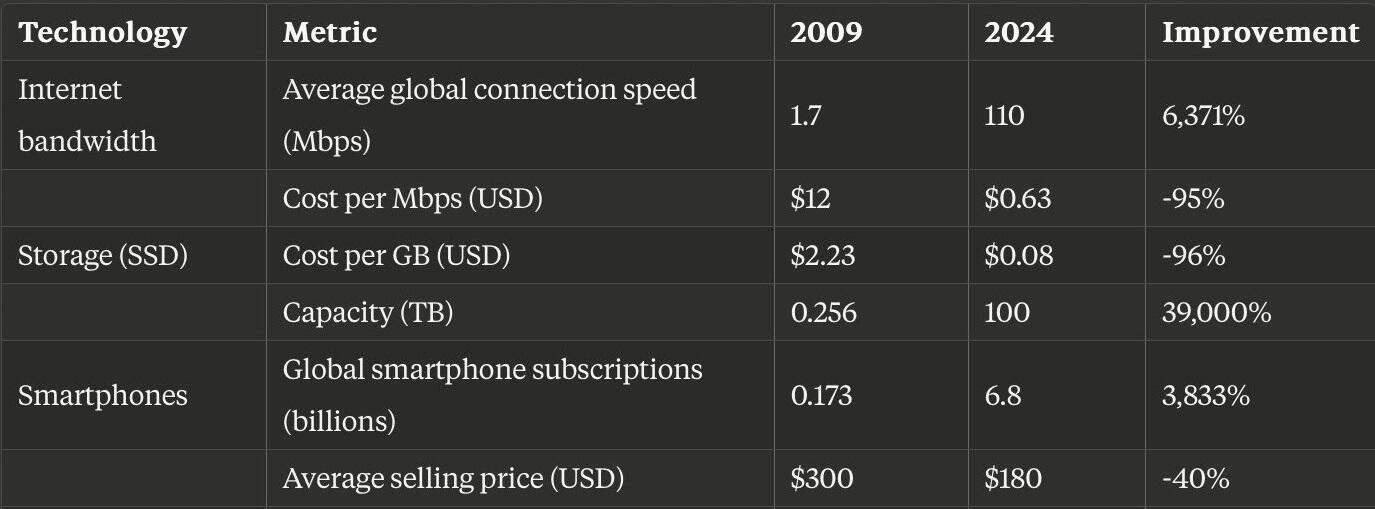
3. Your theory doesn't factor the rate/magnitude of adoption and technological advancements. Two other possible outcomes: Niche adoption so it ends up not mattering - not everyone is going to use Bitcoin/Monero (most likely outcome imo even for Bitcoin), or massive eventual adoption but at a pace where tech can handle it.
4. Only two pools are required to 51% attack your chain as well. A lot of hashpower is also concentrated on easily state coerceable/confiscatable mining farms. You guys are the largest project, but only have 21,000 nodes for 80-110million users. The ratios aren't very good. In comparison, look at Moneros size vs node count were not very far behind at 13,000 and were MUCH smaller. Both projects have a lot to work on.
1. 
2. "Police raid a concealed #Bitcoin mining operation, initially mistaking it for an illegal marijuana farm due to the heat signature"
https://twitter.com/BitcoinNewsCom/status/1721359382745874489
3. 
1. That is why the Lightning Network was invented. True, as more people use Bitcoin, the blockchain will become more expensive for the average Bitcoiner to use, but the blockchain isn't practical for day-to-day transactions anyway, and it prioritizes security of the network over transaction speed. Also, there are workarounds along with Lightning that aim to offload transaction fees (such as batching transactions, Taproot, Segwit, etc.)
2 and 4: There are two things to keep in mind with the Bitcoin network: 1) the ability to easily run a full node determines how decentralized the network is, since nodes. decide. the rules. 2) Because Bitcoin's mining relies on hardware of which their sole purpose is to mine Bitcoin (ASIC computers), then the manufacturers of this hardware are economically disincentivized to do anything that would harm the security of the network.
3. But it does matter, in the winner-take-all game of money, if more and more people adopt your currency or not. Monero might have better base-layer privacy, but what would it mean if adoption stagnates or decreases, and Monero loses its purchasing power over time?
Also to mention, Monero as a whole comes with critical tradeoffs that Bitcoin doesn't suffer from; such as:
1. Less network security due to ASIC resistance, which makes it easier to mine and also attack Monero
2. More centralization risk due to bigger block sizes, which would make running a full node (which is also crucial for network security and setting the rules of the network) more expensive for the average user.
3. Less adoption, networking effects, first-mover advantage, familiarity, and liquidity
4. Again, because Bitcoin mining relies on expensive hardware that is exclusively designed to have one function, and only one function (ASIC computers that can ONLY mine Bitcoin), and Bitcoin mining is extremely difficult due to its hashrate; the manufactureres of this hardware, the users of it, and even governments that may seize it are always financially DISINCENTIVIZED from doing anything that would undermine the security of the network, such as peforming a 51% attack.

That's an elaborate way to say a whole lotta nothing:
1. Looks like you missed the fact that the ease of running a full node (which determine the rules of the Bitcoin network) is what determines the decentralization of Bitcoin, not ease in ability to mine it (which is inversely proportional to Bitcoin's value and network security)
2. Again, small block sizes are what keep the network decentralized (since it makes running a full-node as resource-light as possible). The only way you scale Bitcoin without screwing over its base-level security is by using layers built on top of the blockchain. Also, anyone can run a full lightning node on their phones (Phoenix Wallet) and use the Lightning Network self-custodially.
3. On-chain transactions are decreasing probably because more and more Bitcoiners are HODLing and/or using the Lightning network for everyday transactions; Also, I dont see how this threatens security since Bitcoin's game theory, difficulty-adjustment, and ASIC FRIENDLY MINING incentivises miners to always lower costs of mining in any way possible, while also making the network adjustable to market forces.
4. Only an issue if you use shipcoin certificates rather than the real-deal Bitcoin. You are either using real BTC or a shipcoin.
5. There are many ways to make Bitcoin private at the base-layer (coinjoining KYC BTC, acquiring non-KYC BTC, and always breaking the link between the two) as well as make your future activity private at higher layers (using Lightning Network over TOR); and even if by-default, base-layer privacy is that important, then it is highly likely that base-layer privacy will become a future feature of Bitcoin; thanks to its self-evolving nature, consensus model, and networking effects. Monero's sole property might just as well be a future feature of Bitcoin, at the time when Monero becomes obsolete as a currency.

Congratulations! You discovered that Bitcoin can be used by anyone, including governments.
Ramadan Mubarak!
#bitcoin nostr:note1q0l3qg3mcf9zwyjxpywg9wy5tp77jm0qmjzphqpnd8sns4uszsvssn6zm4
Let's talk about Monero:
1. Bigger block sizes means running full nodes (which is how you verify the network AND SET THE RULES) will eventually be prohibitively expensive for all except large corporations and governments
2. Mining XMR relies exclusively on CPU power. Since CPU's are abundant and everywhere, it is much easier for corporations and governments to acquire massive amounts of CPU power than it is to acquire massive ASIC power. They could easily acquire far more CPU poer than than what regular folks might have combined.
3. When put together, the conclusion is that as more people use XMR, the more its blockchain will bloat until only governments and corporations can run full XMR nodes, where only they can change the rules of Monero as they please. If that doesn't work, they can also purchase massive amounts of CPU power and permanently do a 51% attack on the network; changing transactions as they like.
4. Since corporations and governments will BOTH own the majority of CPU power in the Monero network AND run the majority of full nodes; they can decide the rules of the network AND use their dominant hash power to change transactions as they please, effectively controlling Monero entirely.
#Bitcoin is the only solution.

Bitcoin is both. Former is Lightning Network, latter is the Blockchain.
