



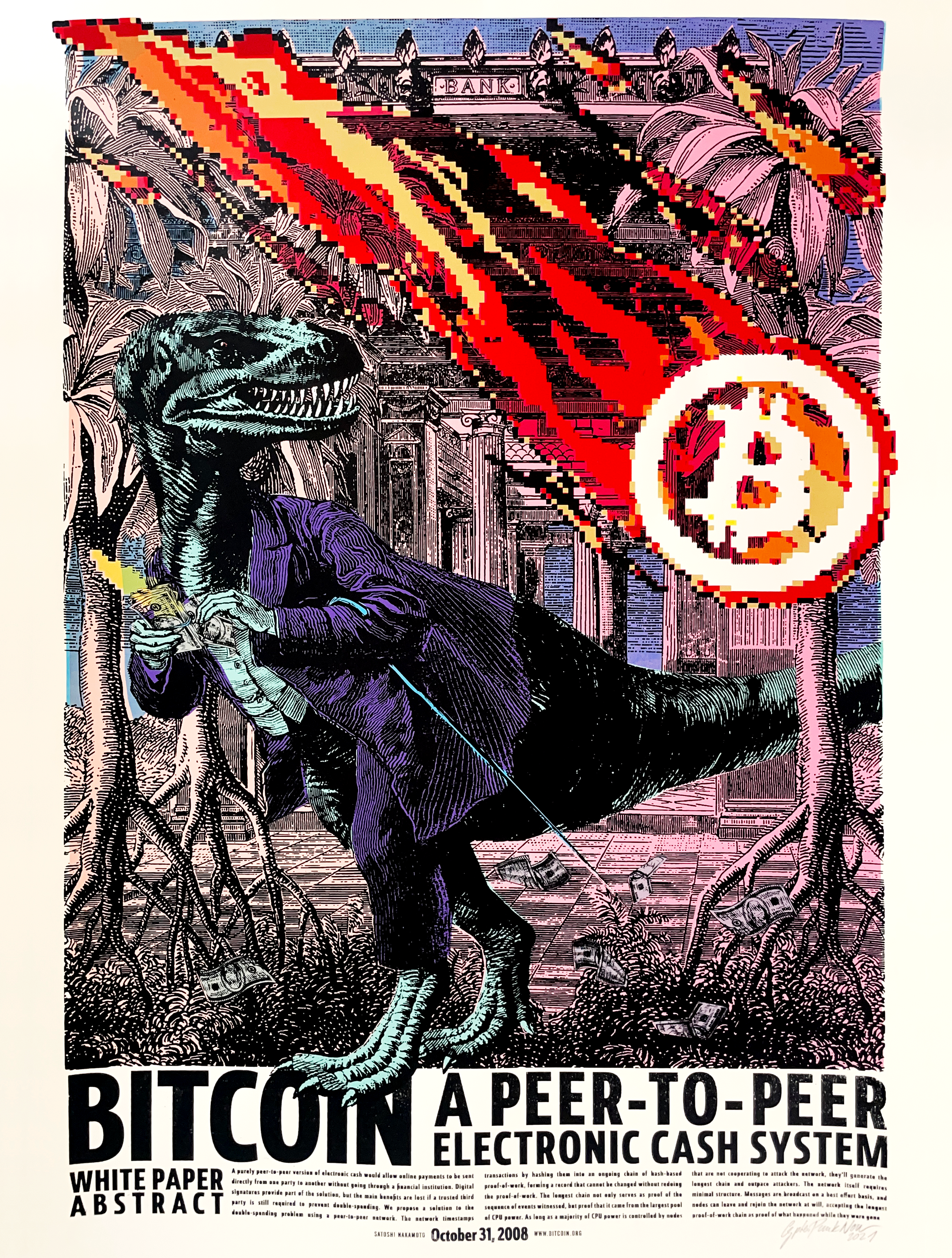
#SolarHash
#BitaxeSolar

nostr:npub1hcesfc0fhhhl3hwqlngqaur76kvwk8qdfyakjxwzpstwk2dp2u9szsc5cz there's a resize function. But if you're using it, You've Done Something Wrong.
Mmmm... 🤔 But it's not possible to always estimate right your database size, or is it?



Looks so good!!
Will it be an option to buy in https://btclock.store/ ?

 #m=image%2Fjpeg&dim=735x500&blurhash=r9Gk5s%7C%4001E%2BO%3FX89%5EnO%7D%3FAI%23lpcJ7S%24kDRO%24fxatnodZzsA%252NGxZtQEk5Pbusrr%40%25LkVMxEMo%7C%3FuI%3BD*-T%251n%2BWUI%3BogRSWCobSKspwdR%25X7a%24&x=bf32312a1853f1f0a1e0df87c529ab68a2ae0148fb779ca2fb6580af27be3073


 #m=image%2Fjpeg&dim=1805x924&blurhash=iGBq0%5BK6MKICxr%3FwtIs%40M_H%3DEU%25j%24xIVM%7CR.R*oh5xv%7BnexsNHNLnMNgxV%24%5E-nObIp%25Mx%5DxDt8ngN%7DVtR%25WFs%2BIoRkozRR&x=c1cc338af2aa91f9b6d42ab98c177285d73050b46ae7435d8e3e43b6f68f41a1


What nostr:npub107jk7htfv243u0x5ynn43scq9wrxtaasmrwwa8lfu2ydwag6cx2quqncxg said. I do mobile termux > nak bunker and sign to some web clients on mobile like nostrudel, snort and iris support it.
Thank you very much to both of you!
🫂

You can now NIP-46 login on Habla with bunker:// URL or compatible NIP-05 nostr address, easy peasy!
https://video.nostr.build/d2a7261cc750814983e84076f86b3c705168713b821bb152336fc733c7cb4d1a.mp4
Any recommendation for some NIP-46 mobile client?
🫂

 #m=image%2Fjpeg&dim=736x1308&blurhash=%5DJFiPx00ofRjRj00%7EqM%7BM%7BxuIURjt7xuIU%7EqM%7Bt7RjWBIUj%5Bt7WBt7M%7BRjfQayWB%25MxuM%7Bt7ofj%5BRjofxuRjD%25Rjj%5Bj%5Bt7&x=40732a2437cb7f4c36bab2c5ffc86e647a8dd6c31c17139cd4109fe9f2a4c842
When you get older.
- For young people the future is a bright promise.
- For old people the future (and any change) is a threat.
🫂

💯
NIP-05 is misleading people.
Reporting and web of trust is the way to go, imho.

Does Hoseki use some nostr profile/npub?

📉 Las emisiones de #CO2 en España caen a su mínimo histórico en 2023, mientras aumentan en el promedio global.
Buena noticia. Pero todavía hay mucho trabajo por hacer.
https://www.newtral.es/emsiones-espana-2023/20231230/
#Energia #Renovable #EnergiaRenovable #EnergíasRenovables #Emisiones #Clima #EmergenciaClimatica #TransiciónEnergética nostr:npub1sjardzh8ugh6n84hapczk0n868ptu2wlhpr3hv0ylpyewj0l9xhqwj0ja4
Se refiere a las emisiones de CO2 para producir electricidad, verdad??
Qué hay del resto de emisiones para otros tipos de consumo de energía??
Hay datos completos?
🫂