
2 years ago, I started building a hashrate marketplace and learned a few things about #bitcoin mining, money laundering and KYC.
When I started Rigly.io in 2022, I wanted to offer a way to mine #Bitcoin w/o buying hardware.
I wasn't the first person to have this idea, there are 2 other hashrate markets (NiceHash and Mining Rig Rentals)
Both sell hashrate for more btc than it will earn via mining...
This struck me as odd.
Who trades hard-earned bitcoin .... for hashrate to earn less bitcoin?
My first thought: This must be money laundering🚫
And then I did my own research and learned about KYC (Know Your Customer)
Whenever you buy bitcoin, you must verify yourself with the same level of ID as opening a bank account..
If you are treat your bitcoin like a bank balance (and trust your exchange) maybe KYC is no big deal..
But let's take a closer look at what KYC means:
1) Do you want your personal info stored forever in the exchange's database? 📸📄
2) Do you trust the exchange to keep this info separate from your bitcoin? 🙅♂️
Many answer "No" and choose to self-custody🔐
However the KYC data - including purchase history (!) - is still on the exchange.
This means your personal info is still tied to your bitcoin even when you self-custody (!)
And so many people choose to mine *new* bitcoin and get their privacy back⛏️
These are the people who are buying hashrate.
It isn't money laundering.
It's people taking their privacy back (by mining bitcoin)
^ I know this is all probably old news to a lot of bitcoiners, but it was new to me.

I think it is soon too. My concern is all the kyc'd bitcoin out there. It may lead to bitcoin being the global reserve asset ... in the same system.
True

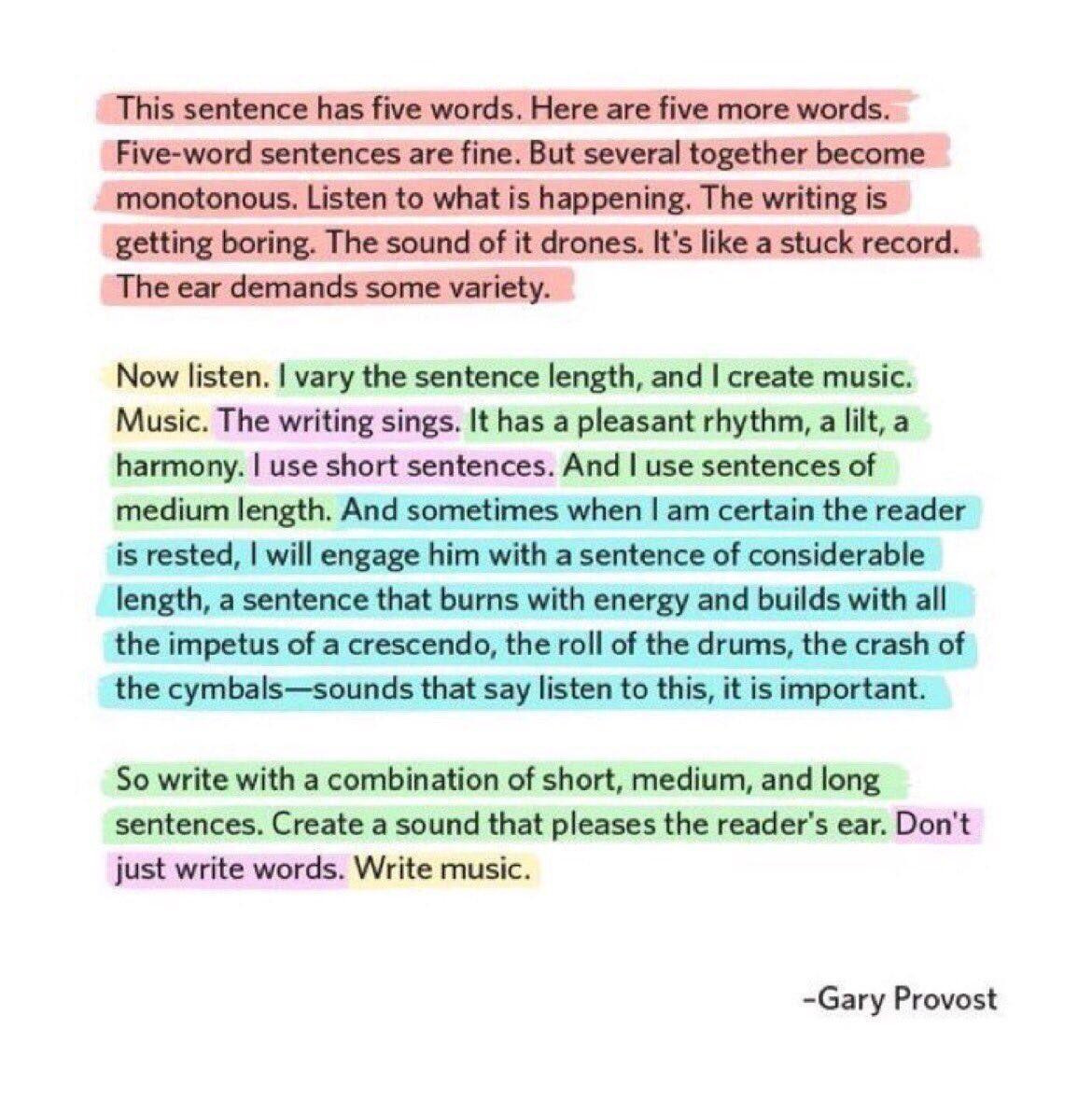
Great time to lock in some kyc-free sats.
Yeah, but people who have kyc'd bitcoin are still in the rigged system. I don't think "I lost it in a boating accident" holds much weight with the state.



Balance is key. Also reminds me of this one:
little things upset us because little things make us happy

probably good to have kyc-free bitcoin before step 9
2 years ago, I started building a hashrate marketplace and learned a few things about #bitcoin mining, money laundering and KYC.
When I started Rigly in 2022, I wanted to offer a way to mine #Bitcoin w/o buying hardware. I wasn't the first person to have this idea.
There are 2 other hashrate markets:
One is easy to find (NiceHash)
The other isn't (miningrigrentals.com)
Both sell hashrate for more $ than the hashrate will earn via mining 🤔
Who trades hard-earned bitcoin .... for hashrate which earns less bitcoin?
My first thought: This must be money laundering 🚫
And then I did my own research and learned about KYC..
Whenever you buy bitcoin, you must verify yourself with the same level of ID as opening a bank account. If you are treat your bitcoin like a bank balance (and trust your exchange) maybe KYC is no big deal.
But take a closer look at what KYC means:
1) Do you want your personal info stored forever in the exchange's database? 📸 📄
2) Does the exchange keep transaction data separate from your info? 🤷♂️
3) Do you trust the exchange? 🚩🚩🚩🙅♂️
Many answer "No" and choose to self-custody 🔐
However the KYC data - including purchase history (!) - is still on the exchange.
This means your personal info is still tied to your bitcoin even when you self-custody (!)
Many people choose to mine new bitcoin and get their privacy back ⛏️
These are the people who are buying hashrate.
It isn't money laundering.
It's people taking back their privacy.

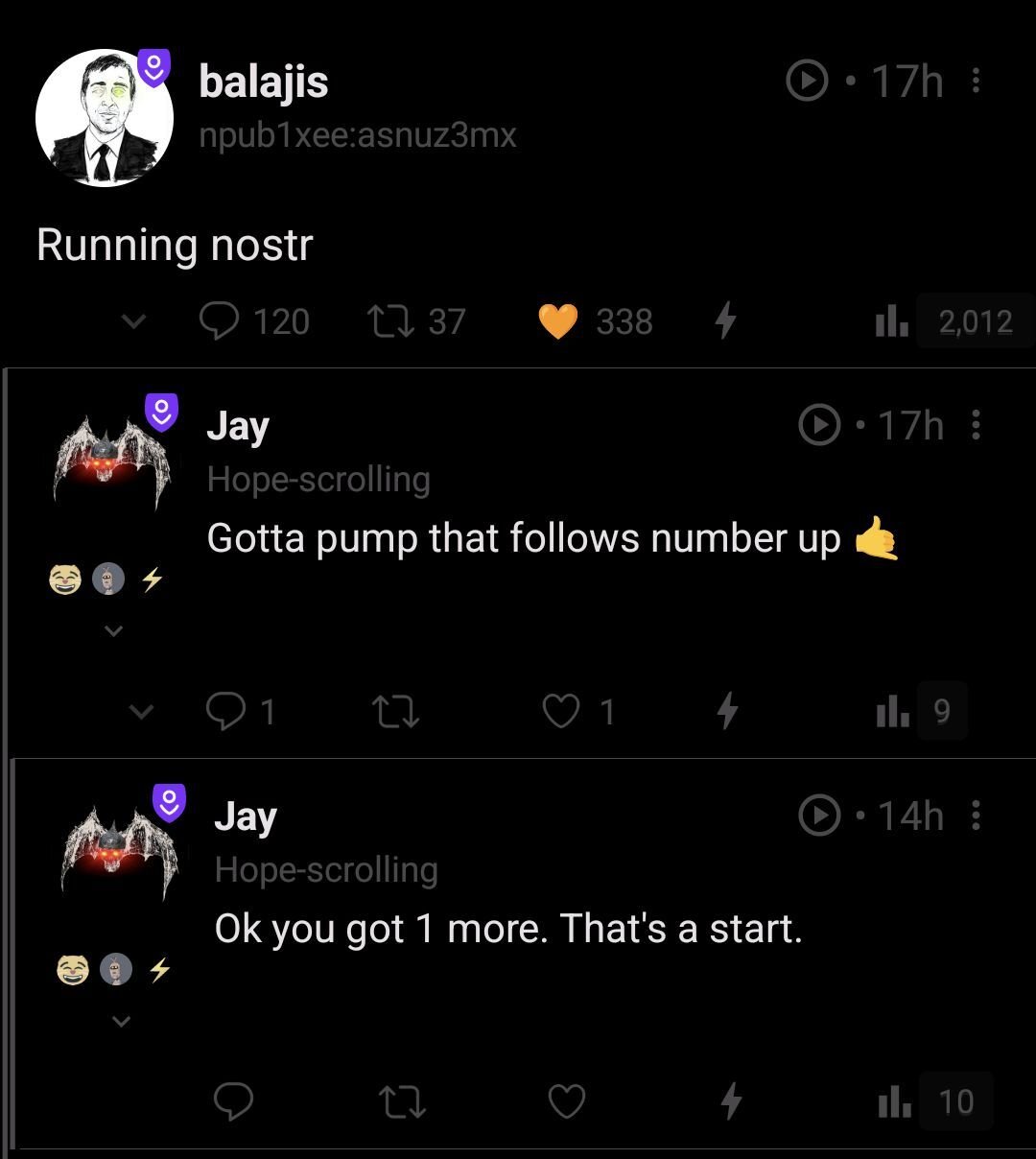
Yeah but if your bitcoin is from most exchanges, you're already KYC'd with no privacy. How to fix?

 #m=image%2Fjpeg&dim=1080x1208&blurhash=%7B455C2%7EX-%3B%25Mf4RiInM_%3Fb%3Fb-%3BxuofWBM%7BRPx%5D-%3B%25Nxut7WCaeNG%25M%25M%25Mt7kCaxadRjt7oft6ozkCt7jbay-%3BxajFoLWBf5WUWUD*V%5BkDRjaxR%25WTbXD%25IUIoRjoLflt7t7V%40IUIURjV%40j%5Bogxa&x=08cb89da5f2d4962cc763560abdbf1144291b5a760facee5734bc19c72fe9c06




Looks neat, but you could mine for real on rigly.io
500 sats for 3 hours @ 88 TH/s

Part 6 - What would #Bitcoin mining hashrate look like as flows of water?
Niagara Falls, USA
240,000,000 TH/s (240 EH/s)
Niagara Falls has a tremendous flow rate, approximately 2,400 m³/s. Using our analogy, this represents the enormous scale of mining across multiple continents.