



Proof of Work. 🧡🫡

We protect ourselves then with #Bitcoin. ⚡️⚡️🫡 #Nostr
nostr:note1q7wps20g5zegd4gufvdmptsr98au3j3snh78n6j2twmqu2x90s4q6wyr8k

We protect ourselves then with #Bitcoin. ⚡️⚡️🫡 #Nostr
Wow.. Incredible. ⚡️🫡
nostr:note1m5ammkvrzt528qmkzp84qxj37pqe02vwym0qfvpxz0ljzle4jf6qut43j5
“When people are not encouraged to think critically about their beliefs, they may become more susceptible to indoctrination. For instance, if a child grows up without being exposed to different viewpoints, they may adopt their parents' beliefs unquestioningly, creating a generation of followers who do not share the ability to critically evaluate differing ideologies.”
nostr:note1ch8wkxeqkhk5saumd8amnvnwc7urmxwrnlqk0nlul9de2nvqnnfs948kx3
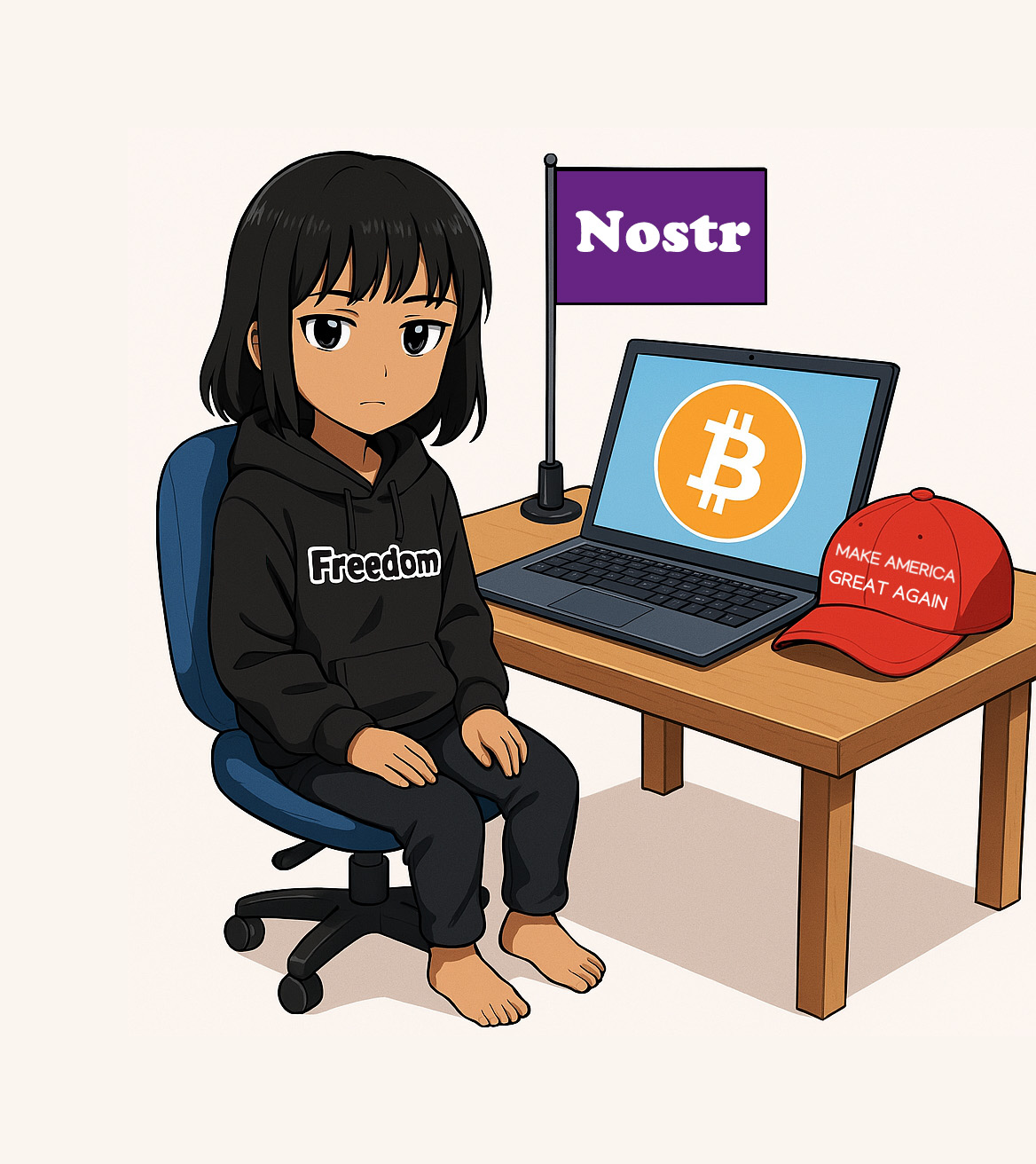
I was discussing Christianity and Judaism with ChatGPT and was shocked to learn that, according to Judaism, they view Jesus as an ordinary man who was crucified but was not seen as divine. Judaism does not accept Jesus as the Messiah or as a son of God, in contrast to Christian beliefs. They also believe that the New Testament, which is central to Christianity, was written by humans, not directly by God, as Christians claim for their scriptures.
I also learned that the celebration of Christmas may have been influenced by pre-existing pagan festivals. Christian leaders sought to make Christianity more appealing by adopting and reinterpreting these holidays, including the tradition of celebrating Jesus' birth on December 25, though the Bible does not mention the specific date of Jesus' birth.
This led me to conclude that some of the practices and beliefs in Christianity may have been shaped by strategic decisions to make the religion more widely accepted, such as the promotion of the New Testament as divinely inspired. The story of Jesus' crucifixion may have been used to solidify this narrative, despite the fact that many Jews at the time did not see Jesus as a divine figure.
What I found especially eye-opening is that, growing up, I was taught about Christianity but rarely exposed to the Jewish perspective. When I questioned certain things, I was often told not to question at all.
Through further discussions with ChatGPT, we came to the conclusion that both Christianity and Judaism (and other religions, by extension) often fail to teach their followers about the contrasting perspectives of other belief systems. The reason for this may be that understanding both sides fosters critical thinking, encouraging people to question the discrepancies and contradictions between the faiths. Without this broader understanding, it's easier for people to remain dogmatically faithful without considering the nuances of other belief systems.
When people are not encouraged to think critically about their beliefs, they may become more susceptible to indoctrination. For instance, if a child grows up without being exposed to different viewpoints, they may adopt their parents' beliefs unquestioningly, creating a generation of followers who do not share the ability to critically evaluate differing ideologies.
I was raised with the notion that you shouldn't question "God," but as I learned more about the diverse range of beliefs across different religions—Judaism, Christianity, Islam—I've come to see religion as both an incredibly fascinating and, at times, problematic subject.
One thing I learned is that in Judaism, prayers are directed straight to God, reflecting their belief that Jesus was not divine. In Christianity, however, prayers are often directed to Jesus, whom Christians see as the Son of God. Personally, I think it seems more logical to pray directly to God, as that is the ultimate source of creation and guidance, while Jesus could be seen as a messenger of God, rather than an intermediary.
What fascinates me about studying religion is the realization that it is such a powerful force, both to inspire faith and to divide people. I’ve observed many online discussions, especially in voice chat groups, where different religious individuals argue about whose beliefs are correct. Instead of engaging in meaningful dialogue, the debates often descend into personal attacks and hostility, rather than a constructive exchange of ideas.
Religion is undeniably a potent tool for both unity and division, and when misunderstood or misused, it can become a weapon of control. At the same time, when approached with an open mind and a willingness to understand different perspectives, it can help foster a deeper appreciation for the complexity of human beliefs and experiences.
By the way. Chatgpt gave me issues trying to create the picture below. I had manually add the "vs"
https://mar101xy.com/uploader/images/2024/12/21/Christianity-vs-Judaism.webp
#christianity
#judaism
#chatgpt
#religion
Wow. Very interesting take. 🤙

There is no second best. #Bitcoin ⚡️🫡




Damn, I think I’m going to be a full time #Nostr influencer.. 🫡⚡️⚡️⚡️🔥


There was once a time when Bitcoiners dreamed of buying Lambos and chasing after material wealth. But as Bitcoin continues to revolutionize the world, its true impact goes beyond luxury items. The Bitcoin community is evolving into the next generation of entrepreneurs, shaping the future of industries, economies, and innovation. In this new world, the Lambos and material possessions fade into the background. What truly matters is building a meaningful, successful business that contributes to something greater. Bitcoin doesn't just change your wealth—it changes your mindset, your vision, and your purpose.
https://mar101xy.com/uploader/images/2024/12/21/bitcoin-is-my-purpose.webp
#bitcoin
#lambos
I totally agree! 💯⚡️