


Meno del 4% della popolazione globale possiede Bitcoin
Percentuale possesso Bitcoin per continente:
10,7% Nord America
6,8% Europa
5,1% Asia
4,6% Sud America
3,5% Oceania
1,6% Africa
I dati sono stati pubblicati da Cointelegraph il 23 marzo 2025, con fonte attribuita a CryptoRank.io e River.com
https://x.com/Cointelegraph/status/1903824069243650497/photo/1
I dati riportati nel testo non coincidono con quelli dell'immagine.



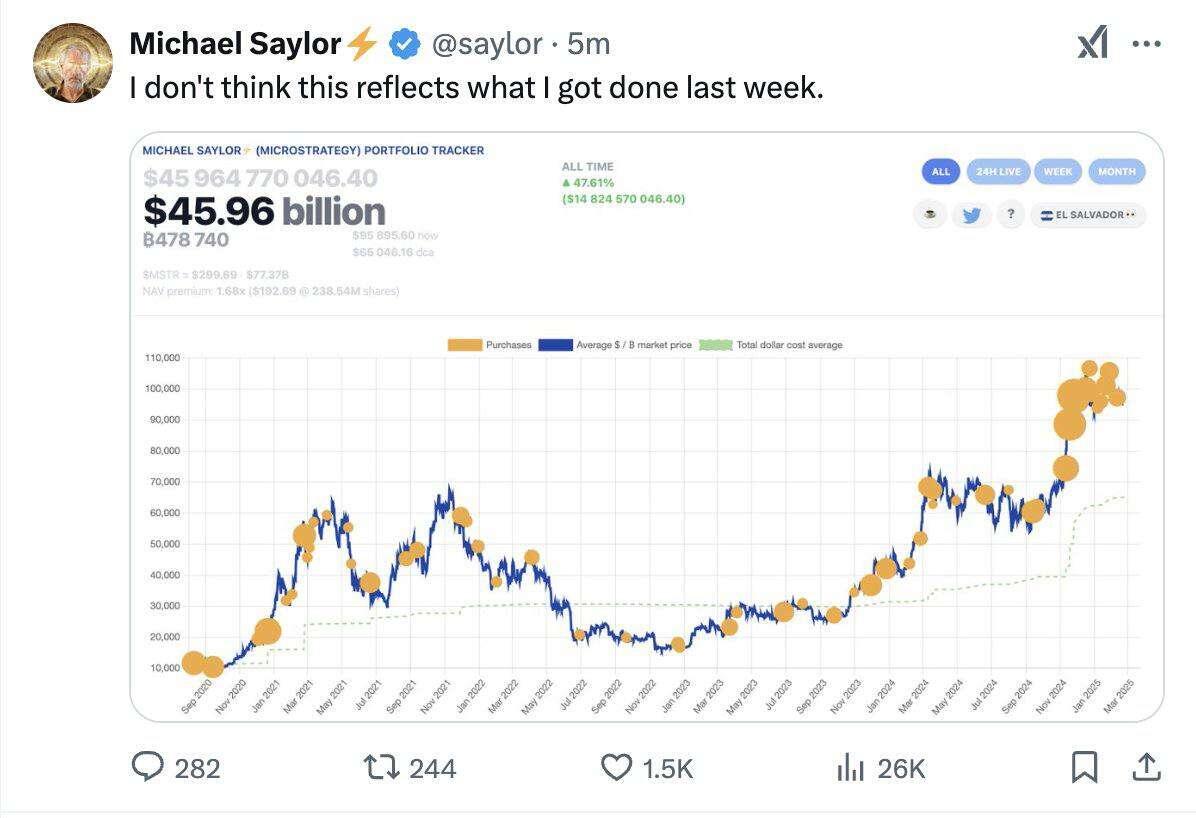
This happens every week. Nothing new.
nostr:nprofile1qqsrlgjsfa5nclc0uudaa435xwdw2wp63v2tg9jd03yntqctqjxuuysppemhxue69uhkummn9ekx7mp0jvv6n8 is working on this, I think.


No mentions of Bitcoin or crypto in the image, though.


The IMF will be proud of them

Radical New AI changes Privacy:
DeepSeek Chinese AI can train the model for a fraction of the cost.
DeepSeek can do it for like 6 million, when ChatGPT is 100 million
This has huge implications for privacy, as device, ping time, and browser fingerprints, which are 70+ factors, can be trained much cheaper. Amazon and some airlines are already starting to develop with open source DeepSeek code base. Almost every major website in the future will be doing heavy AI pattern recognition to sell ads, and force you to unblock types of JavaScript... Due to how profitable it is to serve custom ads.
Fingerprint-Pro already can see through Mullvad/Tor Browser letterboxing. And that JavaScript is sold to hundreds of major services. But now with cheap to train models, stuff using DeepSeek code-bases will do probability calculations on browser version, IP, timezone, screen dimensions, and much more with real reliability.
Once again consider our system designed to evade this with different browser fingerprints that are created in a single easy click:
https://vpn.simplifiedprivacy.com
Btw don't you dare post in the comments some black pill pessimism that the NSA and AI can see everything no matter what. We worked hard to develop this open source system, and there is no way to detect it. You can not undo that with one sentence of your blind pessimism.
In my opinion they could try to identify the user using mouse movement patterns. Everybody has a different "style" when moving the mouse over the page.

The bitcoins held by Coinbase Prime on separate addresses such as those of MicroStrategy or BlackRock are included or not?
The Italian bank Intesa Sanpaolo, one of the largest in the EU, has bought 11 BTC. It is the first Italian bank to directly invest in Bitcoin.
The news was initially leaked and then confirmed by the CEO.
Source (in Italian): https://www.money.it/intesa-sanpaolo-investe-in-bitcoin-l-annuncio-di-carlo-messina
The NSA Taps Ocean Cables
What can you do about it?
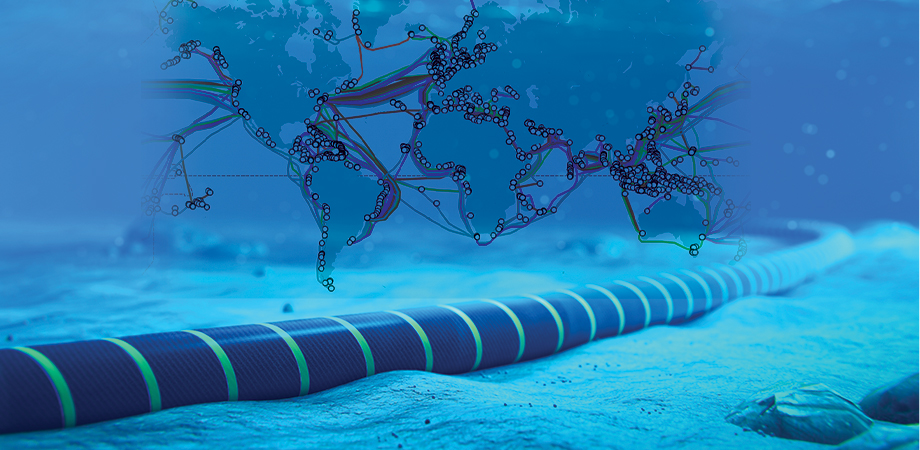
Global governments can not tap and record every router and switch on the planet earth, so they have to do it at large centralized locations.
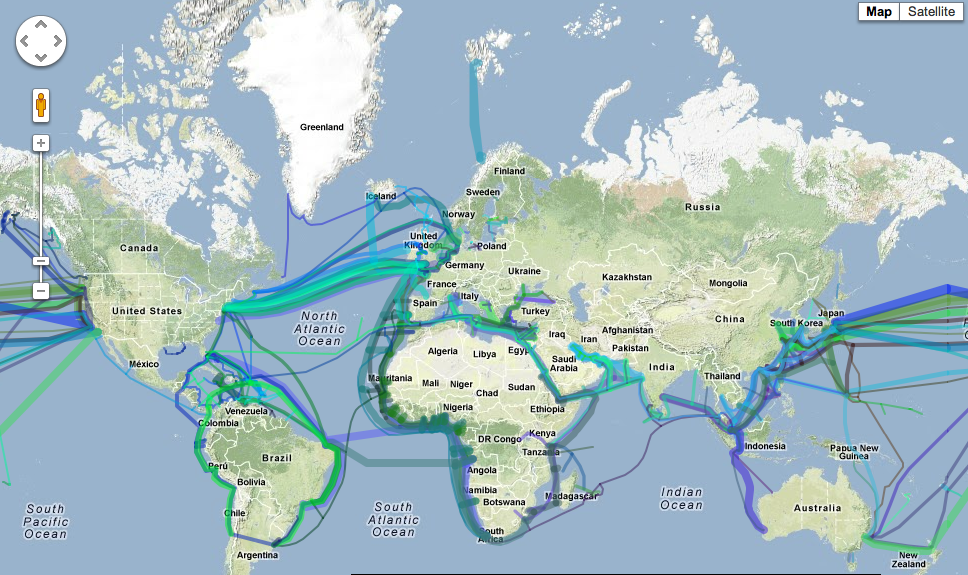
There are cables that connect different continents’ internet. These are centralized choke points that can be easily be monitored.
Edward Snowden’s leaked documents detail how the NSA taps ocean cables of other countries. And how the British government tapped ocean cables as well.
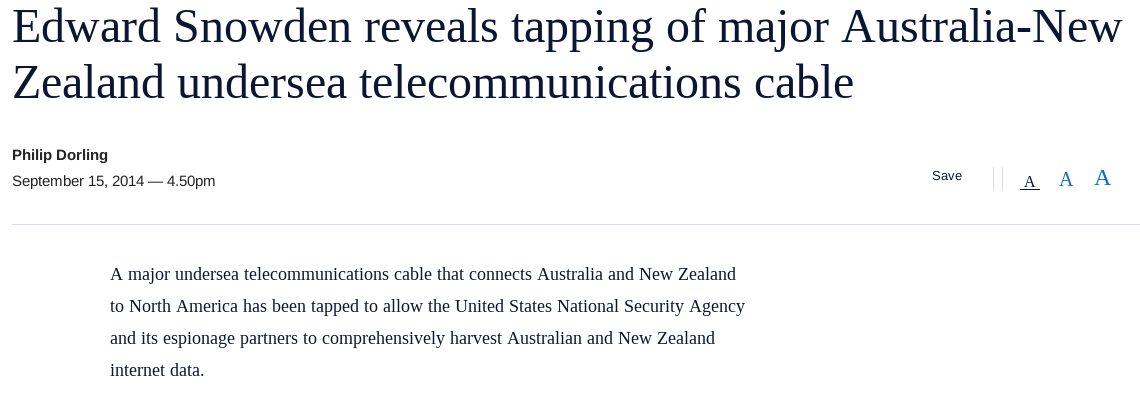
And nothing has been done to change this situation, since these leaks were released. In fact, with larger budgets, it’s gotten worse.
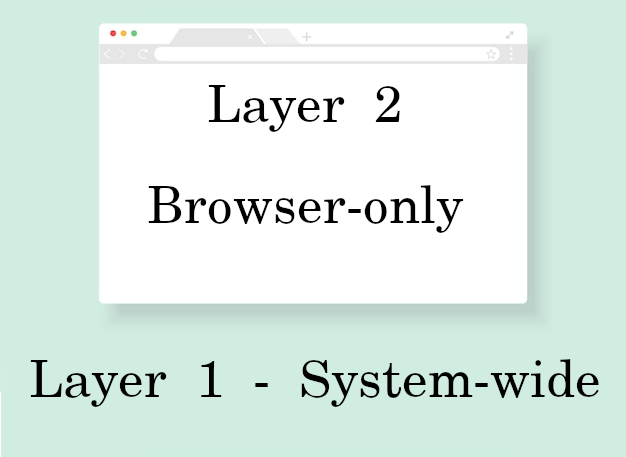
Let’s first understand how Simplified Privacy works, and then how it can help deal with these challenges. Our VPN takes a double layer approach.
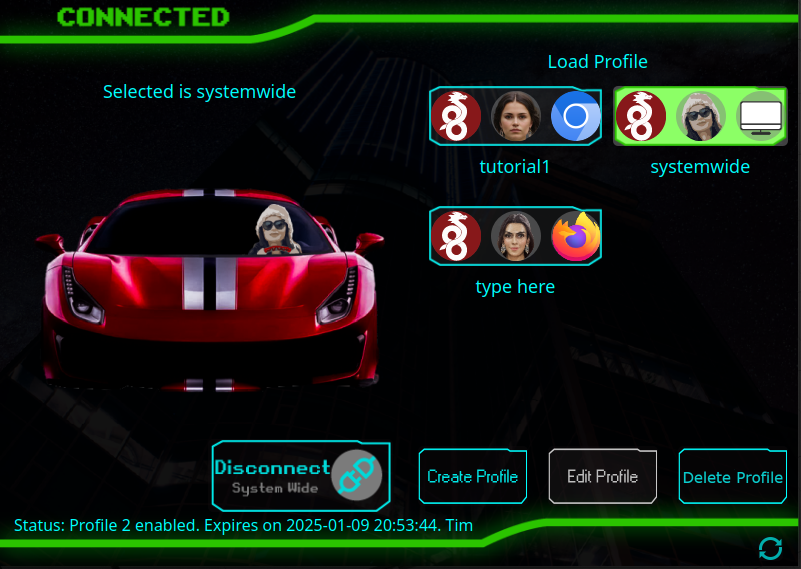
Layer 1 is System-wide. This is similar to a regular VPN.
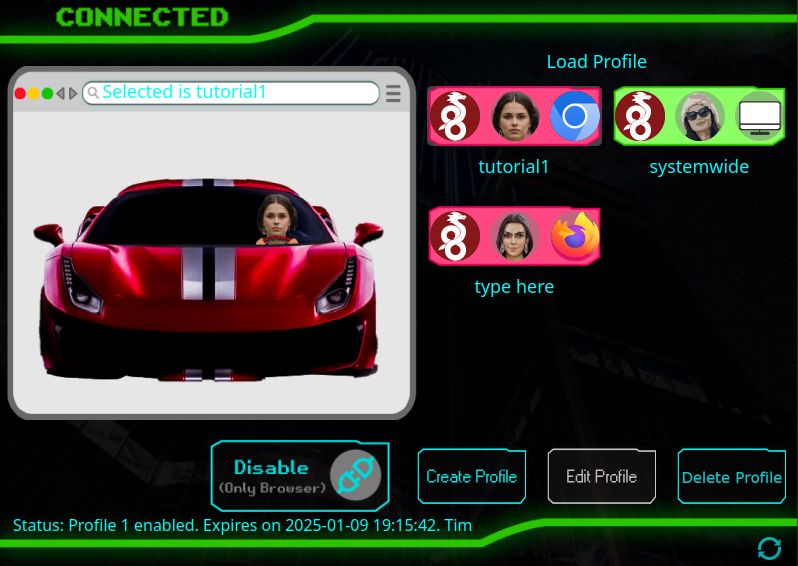
Layer 2 is Browser-Only Isolated Profiles.
Turning the system-wide VPN lights up that profile slot green, as well as the top and bottom of the window. Additionally the top left corner says “Connected” in green.
If you’re using both systemwide and individual profiles, then connect to systemwide first, and then do the individual browser-only profiles, which turn red.
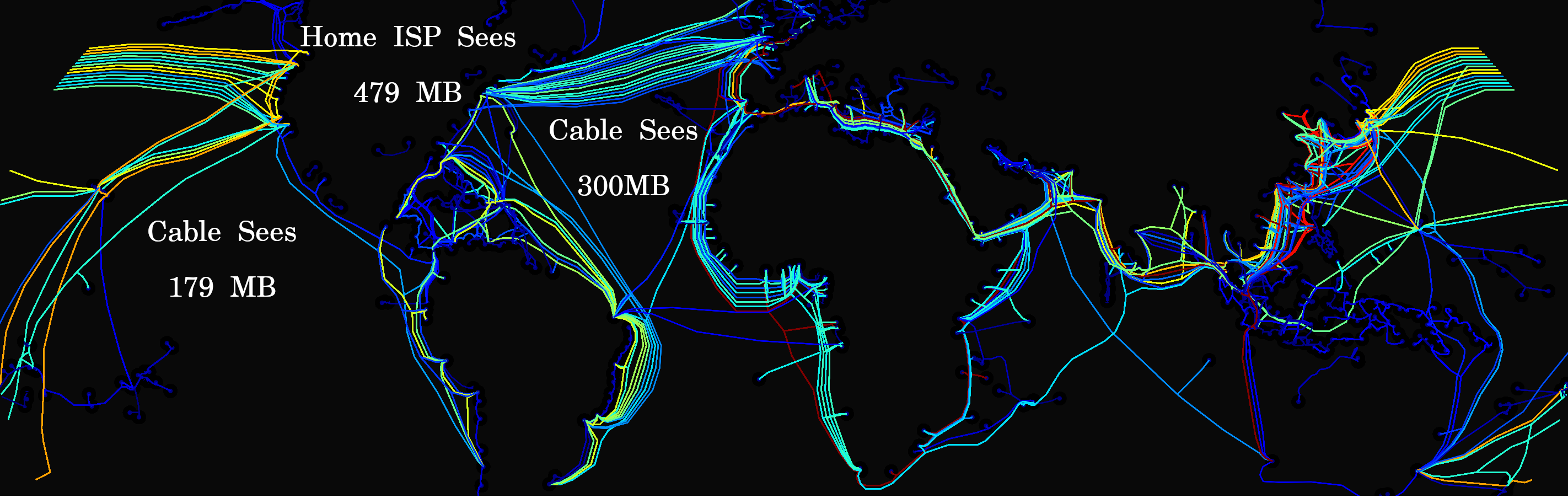
We highly recommend picking a system-wide location in a country close to you. Not only is this faster, but also when you cross the ocean cables, you’re part of a pack with other people. Otherwise it is encrypted, but you’re crossing them as a lone individual. For example if you live in the US:
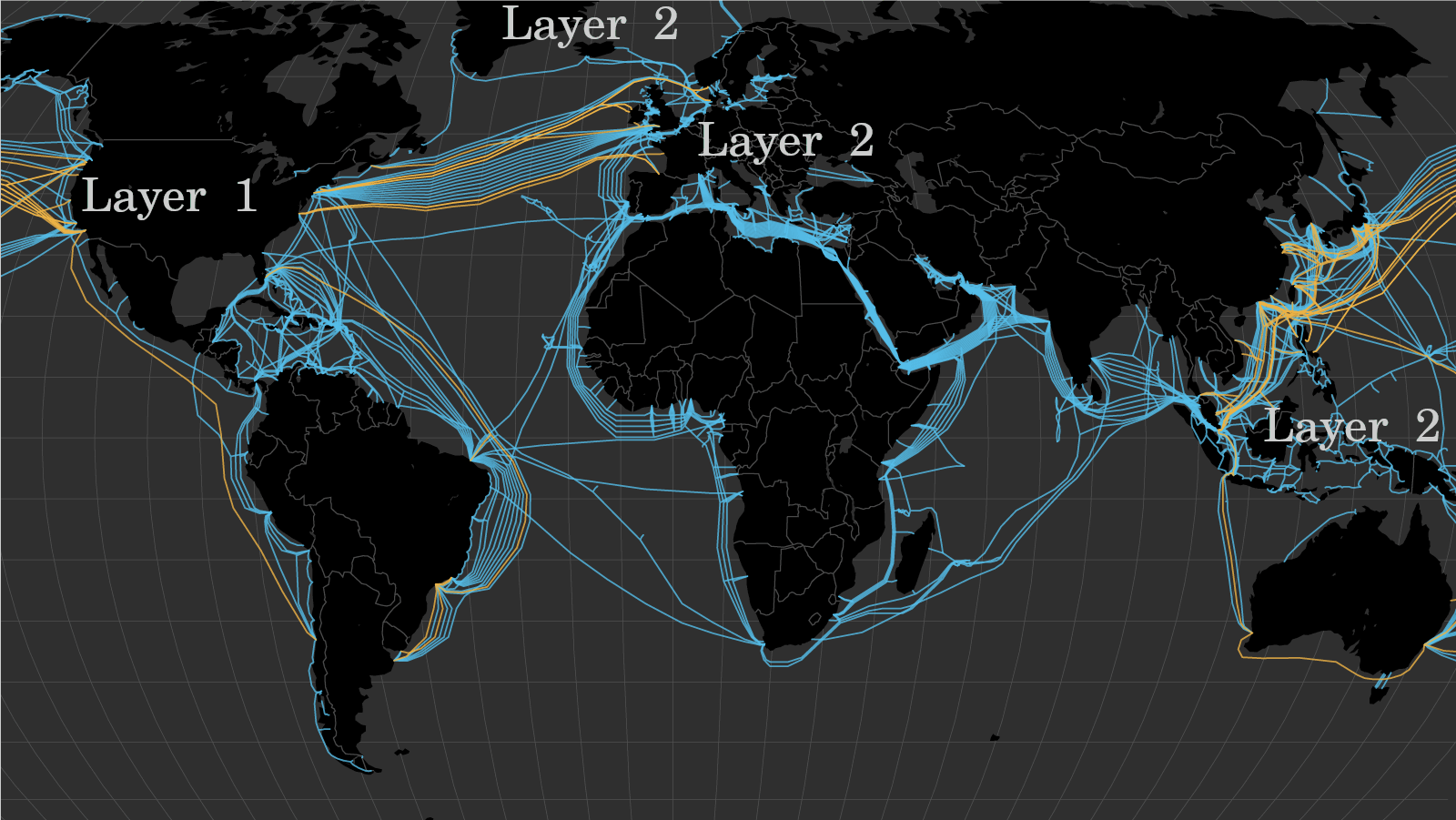
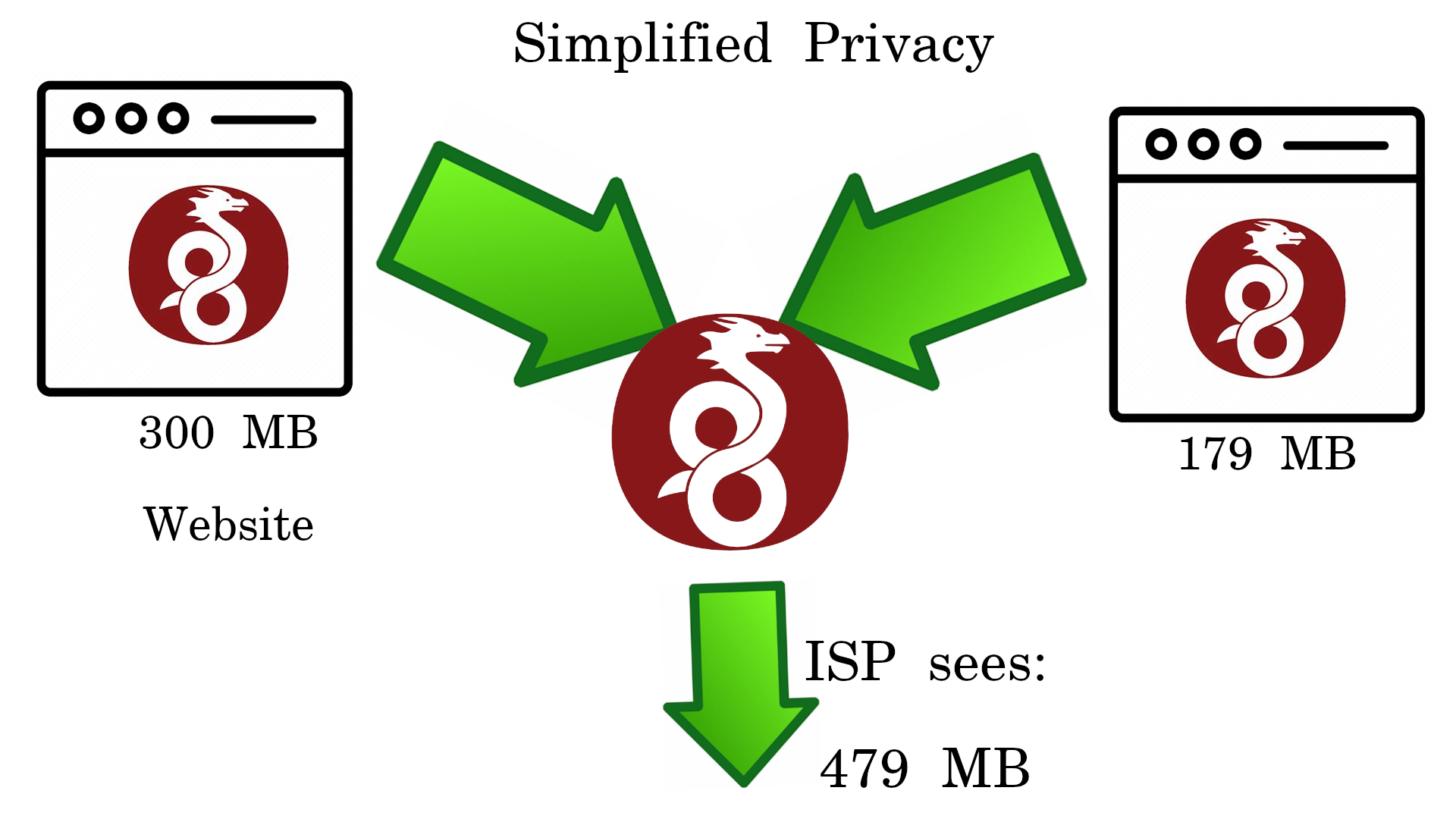
Remember, your home ISP only sees that you have the systemwide connection. Then from there, the traffic is routed to different isolated countries. This makes the data packets different sizes from different routes.
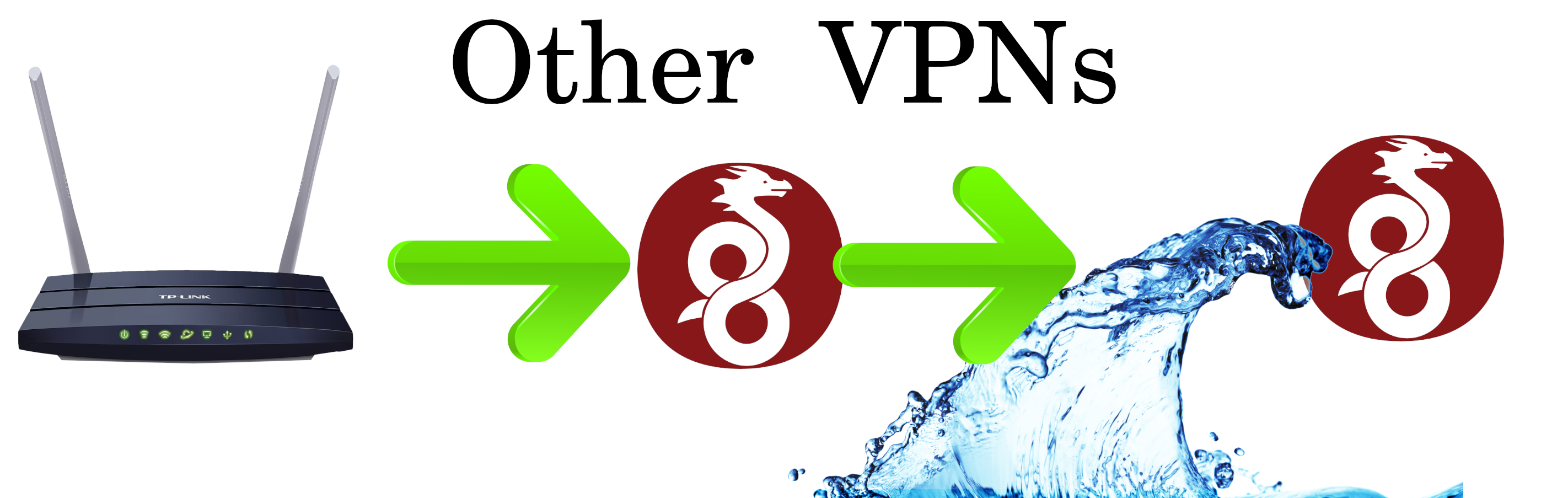
Other VPN providers offer multi-hop WireGuard, but they do so in a purely linear fashion. This means your home ISP is seeing the exact same packet sizes as the ocean cables, making it easier to track the route.
Simplified Privacy:
With unmatched passion and drive, our team innovates. Our solution empowers you to have two or more profiles at the same time, so the data packets seen by your home ISP and the ocean cables are different sizes. This mismatch present challenges in matching traffic in other countries as you.
Do you want a more in-depth explanation? Hit up our podcast that compares our approach to Tor,
I could not find the link to the source code on your website. In the FAQ section it is missing.
What does "sales predominate" means? If one sells Bitcoin someone else is buying. Sales and purchases should always be equal at the current price.

It is not fair to calculate the "yearly" low on a six-day period and compare it with real yearly lows from the past.


What’s the user case for these.. it only shows contacts. Why do I need an app to exchange with people I already know? (Real question, not hating) nostr:npub1mftv2j67vayavkks8rqev3u8jjhefe86tf80msstfxvpunk9vmps6prkl3
I think it can also be useful to discover if there are people that you don't know directly but that have a common contact with you that are interested in exchanging SATs for cash, goods or services.

COLDCARD and Jade simplify PSPT workflows with full-file transfers. Trezor and Ledger, on the other hand, break it into parts, requiring more steps.
nostr:npub1hea99yd4xt5tjx8jmjvpfz2g5v7nurdqw7ydwst0ww6vw520prnq6fg9v2 sheds some light on the complexities involved in building the Lark app for interacting with hardware wallets in BR089.
It is PSBT, not PSPT. I am missing something?