
Hey #nostr!
You can now purchase the lens with your precious sats!
#Bitcoin gateway is powered by OpenNode.
You can either pay onchain or use #lightning ⚡⚡
We ship to the US, Canada & EU.
https://video.nostr.build/78af5b8d5f62b3ae6c0759befcd6cb9dd3f2b363a7e600277e23f02d6c391869.mp4

TL;DR
New AI Models: Expanded skin condition detection using a broader dataset, including Harvard’s collection.
Enhanced Accuracy: Improved with high-quality data for better performance.
Updated Viteye Available: Clear your cache to get the latest version.
New Sensor Coming: Expanding into broader health monitoring.
Medical Specialists: Free Viteye dermascope available—contact us!
Hello all,
We’re excited to announce a major step forward in the development of the Viteye platform. With this update, we’ve added new machine learning models for analyzing uploaded images, significantly expanding the platform's functionality.
We began with a model trained on a gold-standard dataset of histologically confirmed melanoma cases, which were tested and validated by medical specialists. This model has proven to be a reliable tool for both specialists and users alike.
However, we didn’t stop there. In our mission to expand the range of skin conditions Viteye can detect, we've now trained additional models using a broader dataset, including the Harvard-provided collection.
The new dataset addresses this challenge by providing a more diverse and expansive collection of dermatoscopic images, gathered from different populations and imaging modalities. While this dataset served as the base for training, we've also enhanced it with additional high-quality data to further improve and refine the model’s performance.
This new dataset includes thousands of images across important diagnostic categories such as:
● Actinic keratoses and intraepithelial carcinoma / Bowen's disease: A pre-cancerous condition that can develop into skin cancer.
● Basal cell carcinoma: A type of skin cancer that originates from the basal cells in the skin.
● Benign keratosis-like lesions: Non-cancerous growths on the skin that can resemble melanoma.
● Dermatofibroma: A common, benign skin growth that appears as a firm, brownish spot.
● Melanocytic nevi: Commonly known as moles, these are usually benign growths on the skin.
● Vascular lesions: Abnormalities in blood vessels that can cause angiomas, pyogenic granulomas, or hemorrhage.
Over 50% of these lesions have been confirmed through histopathology, with the rest verified via follow-up examinations, expert consensus, or in-vivo confocal microscopy.
With this new model, Viteye users can now assess the risk not only for melanoma but also for the other listed conditions.
The updated version of Viteye is now available. To access the latest version, please make sure to clear your browser cache to ensure you’re downloading the most recent update.
As Viteye continues to evolve, we’re expanding the number of models available, turning your device—whether it's the Viteye dermascope (which attaches to your smartphone) or another dermascope with digital upload capabilities—into a more advanced diagnostic tool.
For more technical information, please visit our blog section in Viteye.
We’re also excited to share that we’re developing an additional sensor device to monitor other health conditions. The goal is to offer the same level of comfort, backed by medical professionals, whether through remote checkups or in clinical practice. We’ll be sharing more details about this development in the coming weeks, so stay tuned!
Thank you for your ongoing support. Every purchase of the Viteye lens helps keep our servers running and accelerates development.
For Medical Specialists: We’re actively seeking feedback from the medical community and would like to offer a free Viteye dermascope. If you're interested, please contact us for more details. We ship within Europe, Canada, and the US.
Thank you, and stay healthy!
Best regards,
The Viteye Team

I respect you and your life. Youtube on android without ads and with background playback:
- download revanced [1]
- download gsmcore [2]
- download YouTube with correct version APK from apkmirror [3]
- uninstall your old YouTube app
- install gsmcore, login with Google
- open revanced, patch downloaded YouTube APK
- install it and be fucking free
[1] https://revanced.app/download
Or just use Brave browser. No need to tweak APK or anything like that.
Open Brave, go to YouTube and enjoy. Playback in the background, pip, it's all there and no ads.


Next, add lightning address so we can zap you



Hey #nostr!
You can now purchase the lens with your precious sats!
#Bitcoin gateway is powered by OpenNode.
You can either pay onchain or use #lightning ⚡⚡
We ship to the US, Canada & EU.
https://video.nostr.build/78af5b8d5f62b3ae6c0759befcd6cb9dd3f2b363a7e600277e23f02d6c391869.mp4
A Nostr native? Yes 🖐️
While you're here, support us with your sats ⚡
Hey #nostr!
You can now purchase the lens with your precious sats!
#Bitcoin gateway is powered by OpenNode.
You can either pay onchain or use #lightning ⚡⚡
We ship to the US, Canada & EU.
https://video.nostr.build/78af5b8d5f62b3ae6c0759befcd6cb9dd3f2b363a7e600277e23f02d6c391869.mp4
Introducing Viteye: An AI-Driven Solution for Melanoma Detection, Diagnosis, and Direct Consultation
Hey #nostr!
I am excited to share with you our innovative approach in the field of healthcare - Viteye, a software solution that’s helping to improve the way we detect and diagnose melanoma.
We are launching our open beta testing and welcoming everyone who is interested to participate! The use of Viteye is completely free.
The Problem: Melanoma, a highly aggressive form of skin cancer, is on the rise globally. Early detection is crucial for effective treatment and improved patient outcomes, but current diagnostic methods are limited, leading to high mortality rates.
The Solution: Viteye’s AI-driven software platform uses machine learning technology to accurately diagnose melanoma by analyzing images of suspicious pigmented lesions. This approach surpasses traditional diagnostics, reducing the risk of underdiagnosis and overdiagnosis.
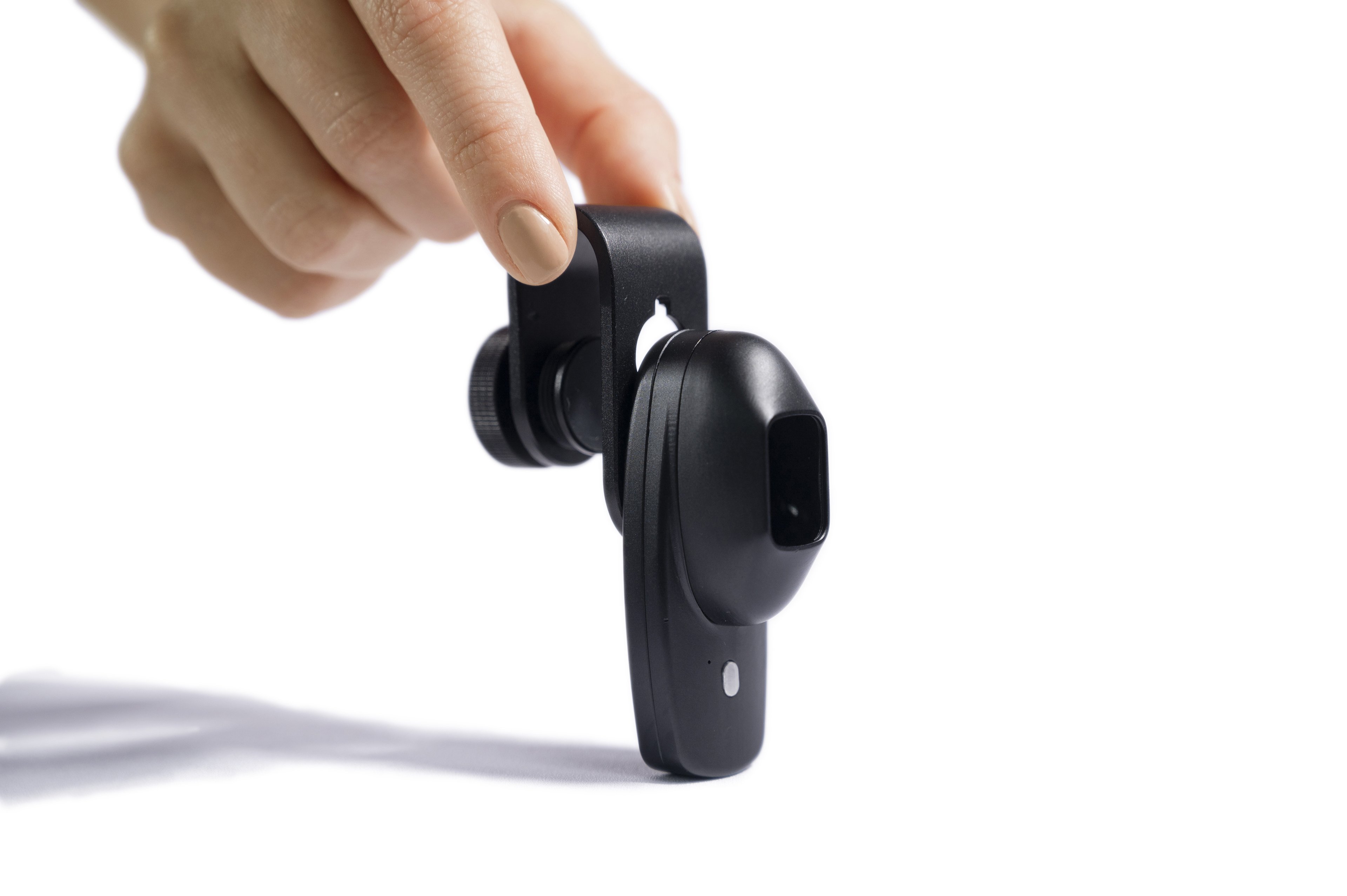
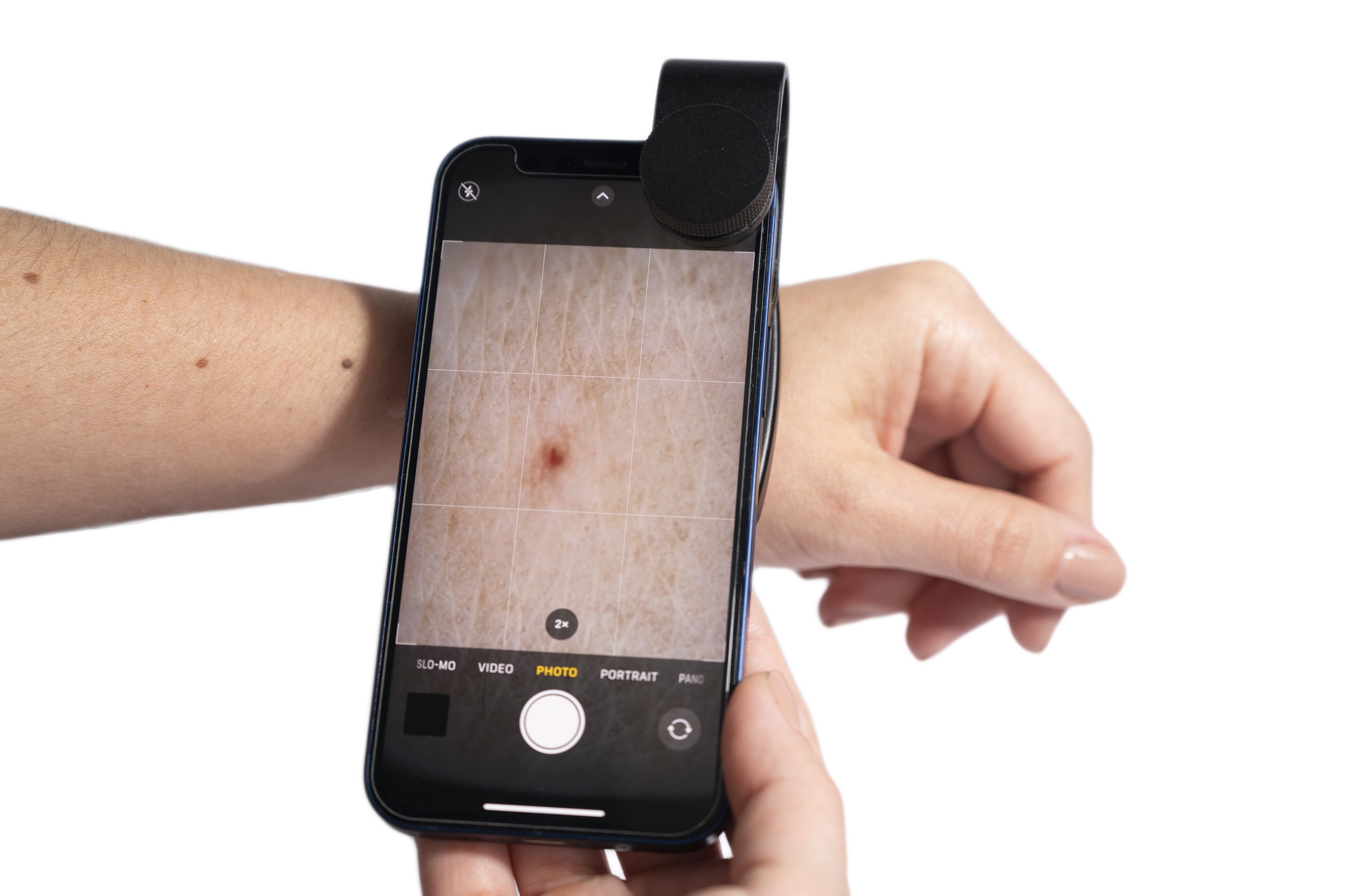
Since users do not generally have easy access to a dermatoscope with immersion, we have developed the lens shown in the photo, which allows Viteye users to install it on their phone and, in tandem with high-quality cameras in modern phones, enables the full potential of the model to be revealed.
The lens attachment uses two cross-polarized LEDs, which allows the obtained image to be almost identical to the image obtained using liquid immersion. The polarized light eliminates skin glare and illuminates the upper layer of skin to obtain an image of a deeper structure of the neoplasm. It also allows for clearer, more precise, and detailed examination of the colors, shapes, and textures of skin lesions.
It’s worth noting that while the use of this lens is recommended for use with the application, it’s not mandatory. Medical professionals can use the application with other types of dermatoscopes that use either immersion or cross-polarization. Photos for analysis can also be selected from the local gallery of the mobile device.
PLEASE NOTE: the model was trained on photographs taken with immersion, so using photos taken without a dermatoscope may lead to inaccurate results. For optimal accuracy, we recommend using the lens or a dermatoscope with immersion or cross-polarization capabilities.
Key Features:
* Multiplatform accessibility (Android, iPhone, laptops, PCs)
* Multilingual interface to serve a diverse user base
* Accurate melanoma detection using a machine learning model trained on thousands of histologically confirmed clinical cases (gold standard dataset).
* Direct consultation within the application for instant expert advice
* Simplified patient database management for healthcare providers
* Auto-translated chat for seamless communication between patients and doctors
Pipeline: We’re currently working on incorporating additional models trained for Kaposi’s sarcoma and basal cell carcinoma, which will be implemented in upcoming updates. This will further expand the capabilities of our platform and improve patient outcomes.
Try out the application: viteye.app
I’d love to hear your thoughts and feedback on Viteye! Let’s work together to improve melanoma detection and improve patient outcomes.

Viteye White Paper
viteye: A Technological Vanguard in Melanoma Detection
Executive Summary
Viteye emerges as a software solution, meticulously designed to revolutionize the early detection and diagnosis of melanoma through the integration of cutting-edge artificial intelligence (AI) and machine learning technologies. This white paper delves into the escalating challenge of melanoma detection, presents the innovative approach adopted by Viteye, highlights its distinctive features, and explores its transformative potential in the healthcare landscape.
Learn more by visiting our website:
Introduction
The global incidence of melanoma, a highly malignant form of skin cancer, is on an upward trajectory, presenting a formidable challenge to healthcare systems worldwide. Early detection is paramount for effective treatment and improved patient outcomes, yet remains a complex problem due to the limitations of current diagnostic methods. Viteye stands at the forefront of addressing this challenge, offering a sophisticated AI-driven platform that enhances the accuracy of melanoma detection and facilitates timely intervention.
The Growing Challenge of Melanoma Detection
Melanoma is distinguished by its aggressive nature and propensity for late diagnosis, often resulting in high mortality rates. The traditional diagnostic arsenal, including visual examination and mnemonic devices like the ABCDE rule, falls short in identifying early-stage melanomas with sufficient accuracy. Moreover, the clinical presentation of early melanoma can be ambiguous, complicating the diagnostic process and underscoring the need for more advanced solutions.
viteye: A Technological Solution
At the heart of viteye is a state-of-the-art machine learning model, trained on a comprehensive dataset of clinically verified cases, enabling it to accurately diagnose melanoma by analyzing images of suspicious pigmented lesions. This approach not only surpasses the limitations of traditional diagnostics but also significantly reduces the risk of both underdiagnosis and overdiagnosis.
Key Features:
Multiplatform Accessibility: Viteye's platform is designed for universal access, supporting a wide range of devices including Android and iPhone smartphones, laptops, and PCs.
Multilingual Interface: Recognizing the global challenge melanoma presents, viteye offers a multilingual interface to serve a diverse user base.
Accurate Melanoma Detection: The core of viteye's innovation lies in its machine learning model, meticulously trained on a dataset encompassing 6,144 clinical cases with histologically verified diagnoses, ensuring unparalleled accuracy in melanoma detection.
Direct Doctor Consultation: The platform facilitates instant consultations with registered medical professionals, enabling users to seek expert advice promptly.
Database Management: viteye simplifies patient database management for healthcare providers, streamlining the registration and diagnostic process.
Auto-Translated Chat: To overcome language barriers, viteye features an auto-translated chat, ensuring seamless communication between patients and doctors from diverse linguistic backgrounds.
Scientific Foundation and Development
Viteye's development was driven by the urgent need to address the increasing global incidence of melanoma and the limitations of primary care specialists in making accurate diagnoses. The project's inception was rooted in a comprehensive understanding of melanoma's clinical challenges, as outlined by leading oncology research. The software's machine learning model was developed through rigorous training on a gold-standard dataset, ensuring its ability to deliver highly accurate diagnostic predictions.
Training and Testing
The neural network at the core of viteye underwent extensive training and testing, utilizing a dataset of 6,144 clinical cases. This process involved several stages, including the selection of the optimal neural network type, architecture, and the evaluation of the model's effecti