Avatar
frphank
47be0b2a89faaa66bc57f5c679203486da45660295cb3db3c2f38f4be8d8816e
Autopoietic. Scratching things from chaos. Homesteading the noösphere. Opportunity farmer: Reading things that are not yet on the page. Haskell. Dollars only, thanks.

So there isn't actually an encrypted nsec on it? Meh.

Why not get some JavaCards and put an actual nsec on it so that you can use it to digitally sign things.

"PGP cards" like this exist and the necessary Java applet is floating around there somewhere.

Replying to Avatar Lyn Alden

I have a technical question for nostr:npub18m76awca3y37hkvuneavuw6pjj4525fw90necxmadrvjg0sdy6qsngq955 users.

Since Apple sucks, Damus can’t zap individual posts but it can still zap profiles.

When I zap someone’s profile with Damus, it automatically opens up one of my Lightning wallets to do it. It used to open up a wallet that I didn’t want to use, and once I deleted that wallet app it now opens up another of my wallets instead. I didn’t set either of those wallets in damus, and I do have other Lightning wallets on my phone.

How does damus determine which wallet to open, and how can I change which one it picks by default?

Use Android

It usually is because of better opportunities in the area that it's in like school, jobs, shopping etc. Also population pressure from immigration.
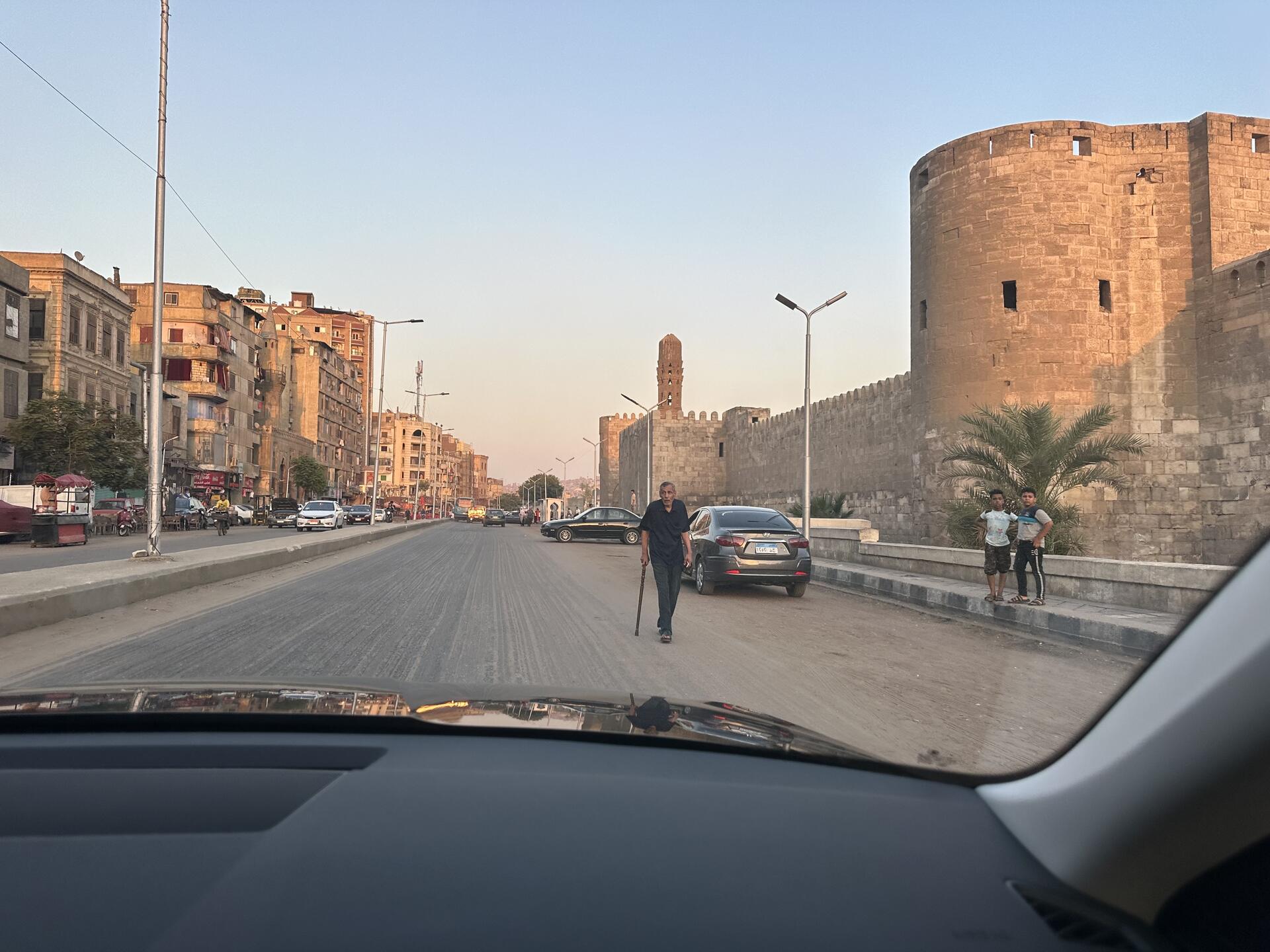
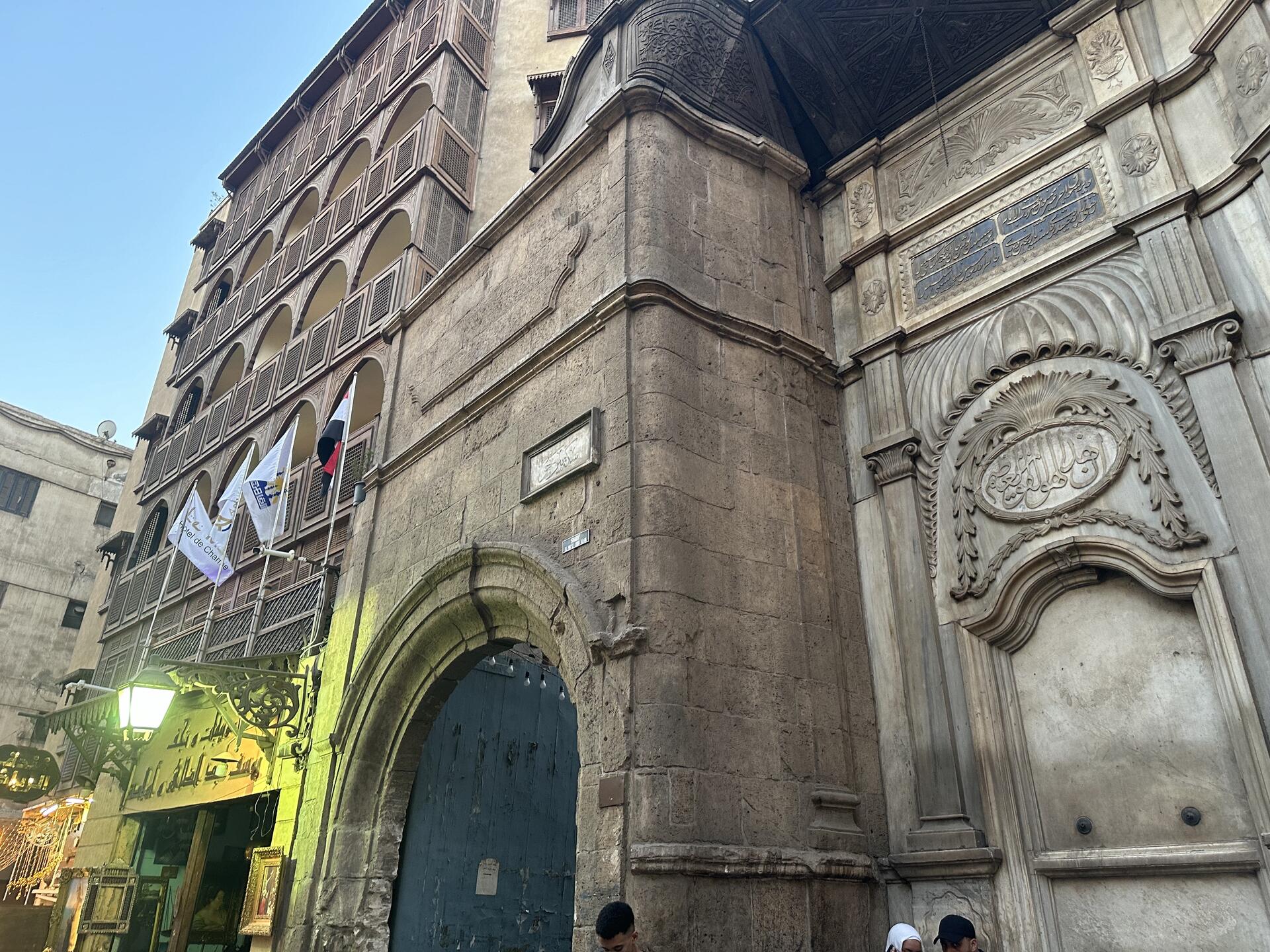
Replying to Avatar Lyn Alden

Good evening.

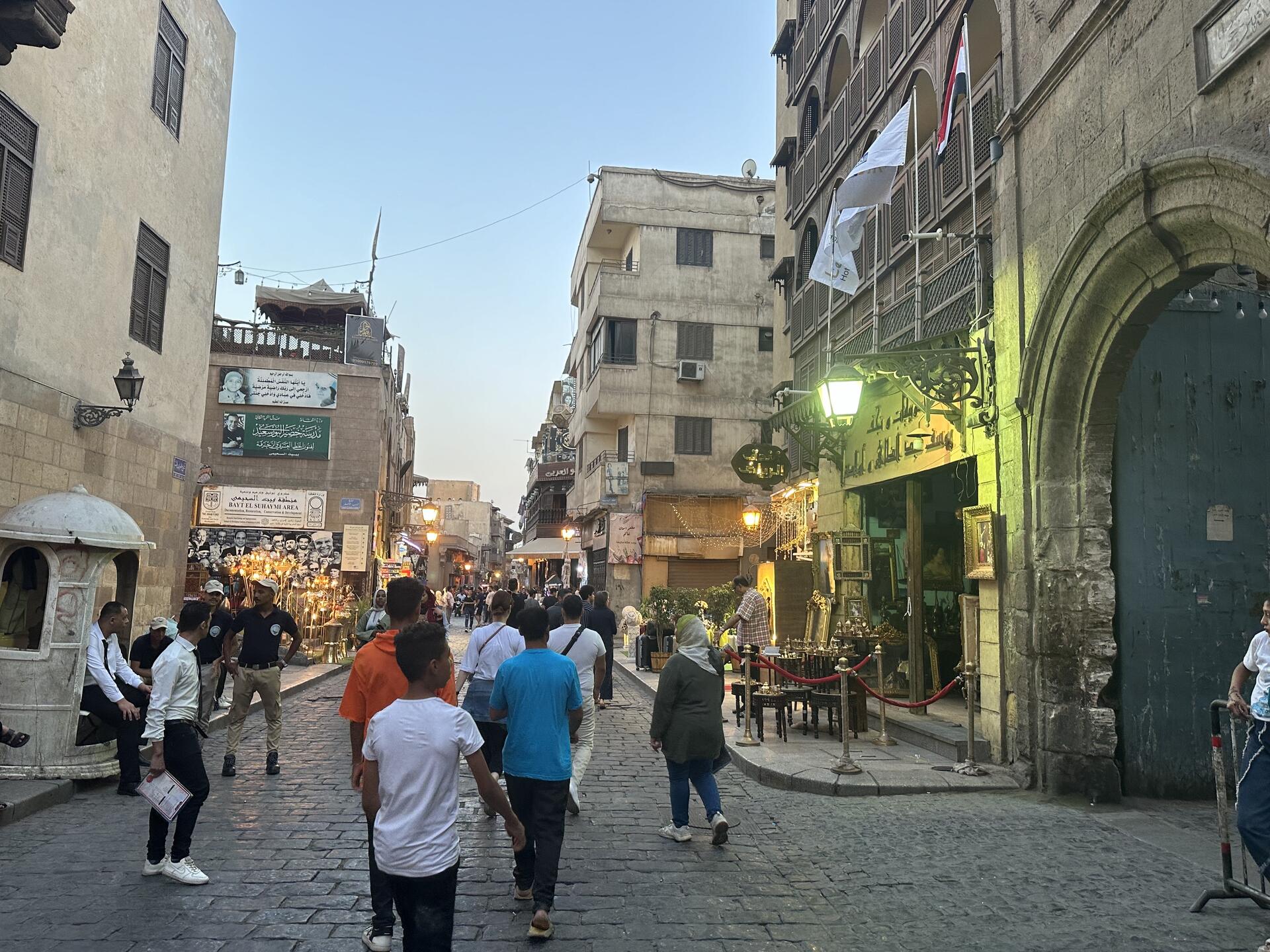
Although the region itself was inhabited for a long time by Egyptians, Greeks, Romans, and more, what we generally think of as “Cairo” is considered to have been founded by the Fatimids in the 10th century.

When it was founded, they built stone walls and gates, and a number of mosques. Cairo has expanded to become one of the biggest cities in the world since then, but this smaller area of “Old Cairo” still stands within the city, and you’ll find among the densest collections of medieval Islamic architecture within a couple kilometer area.

Driving up to it is surreal, because on one side of the street there’s a thousand year old fortress wall, and on the other side of the street there are decades-old buildings with brutalist architecture.

Inside of the walls there are markets, restaurants, hotels, etc. The marketplace/streets are quite loud and hectic and messy, and yet some of the restaurants and hotels are absolutely amazing.

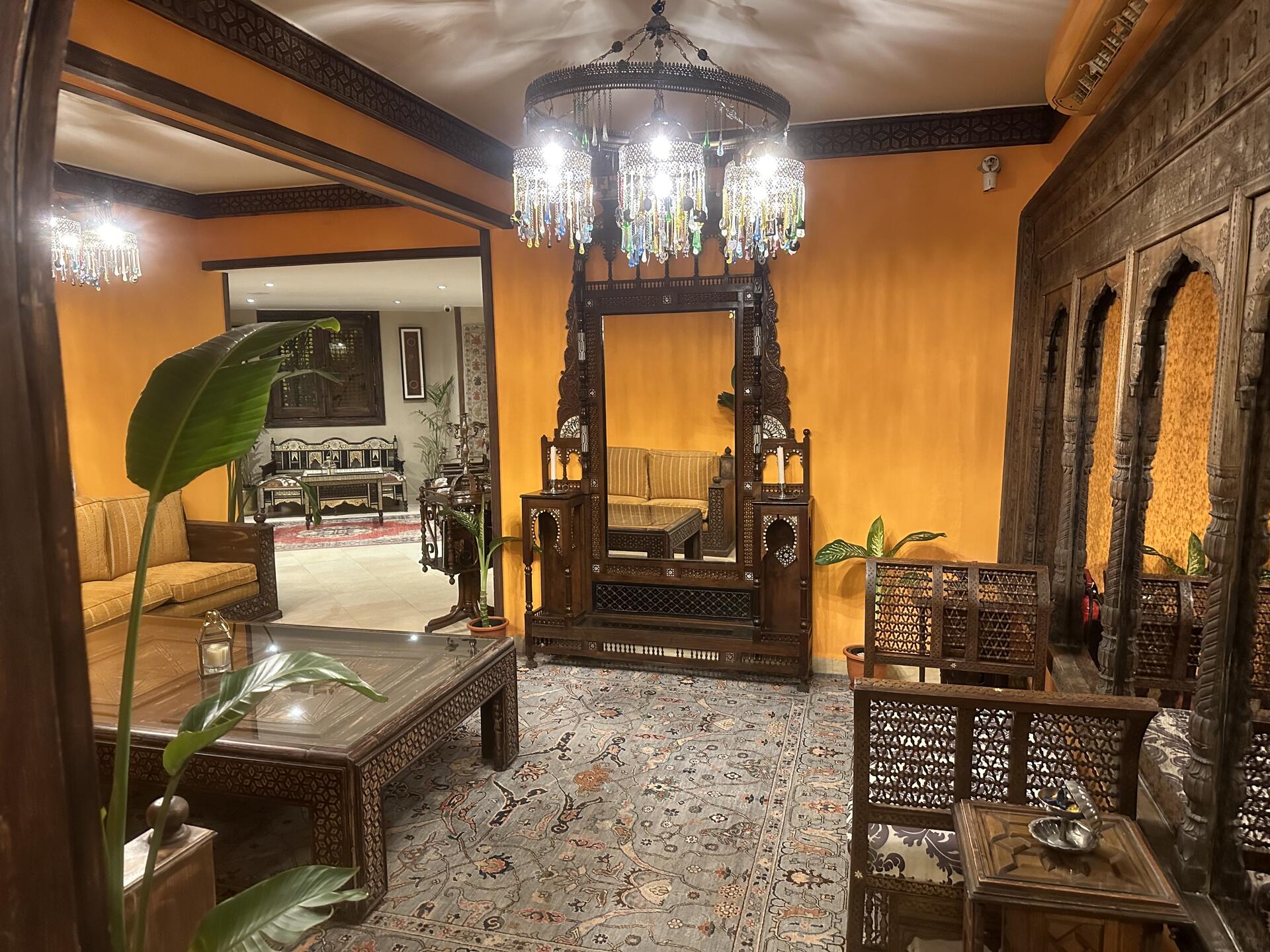
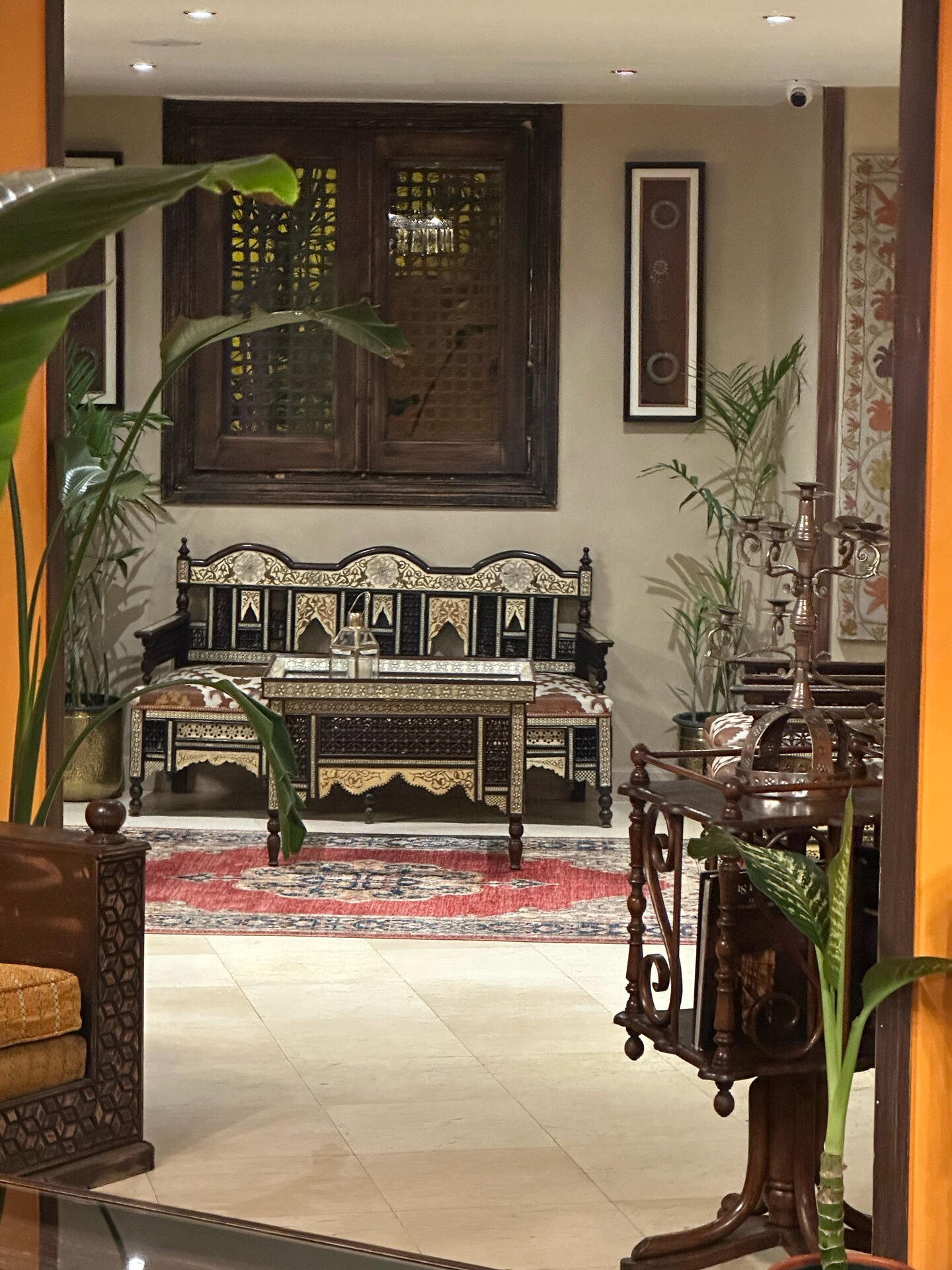
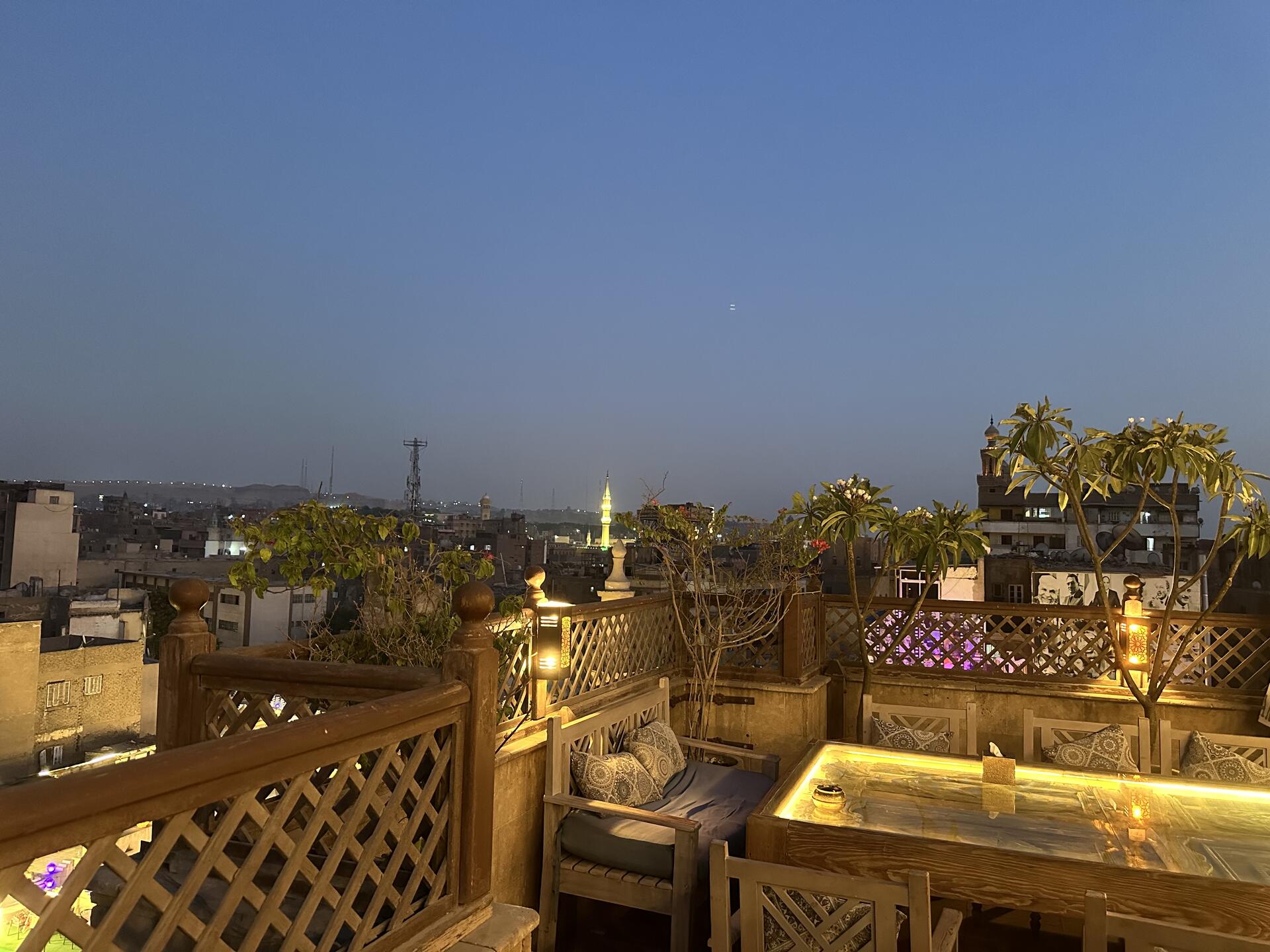
So like you park, get hounded by an informal-looking guy for parking money (sometimes they are legit and sometimes not), walk through the thousand year old gate, there’s tons of music and street food and aggressive merchants, stray cats and dogs, you might have to dodge the random motorcycle or get pooped on by a pigeon (happened to me), a man in a Sufi-style dress is whirling around, there’s a sickly-thin toothless man asking for money as a group of teenagers race by, etc. But then right amid that there will be a beautiful entrance to a luxury boutique Ottoman-style hotel with professional staff, intricate handmade furniture and an amazing Egyptian restaurant on the roof that overlooks the area. A sea of contrasts.

As you walk along the cobblestone roads of this old portion of Cairo, you pass by various buildings that range from the 10th century to the 19th century and were built under four different dynasties (Fatimids, Ayyubids, Mamluks, and Ottomans). Then there are also some more recent brutalist buildings. It’s all woven together, so for example there will be an 800-year old stone archway with an active cafe under it. There will be a merchant selling cheap metal pyramid trinkets made in China underneath an intricate wooden 500-year old medieval window.

Anyway, some friends and I went there for the second time yesterday to eat at that rooftop restaurant. Some pics.

What with their 1000 year history -- so much accumulated wisdom!

I wonder what their 1000 years of wisdom says about how to deal with the Houthi crisis in the Red Sea that's costing them billions.

Geometric shapes dominating the scenery. What a peculiar style of landscaping ... 😮
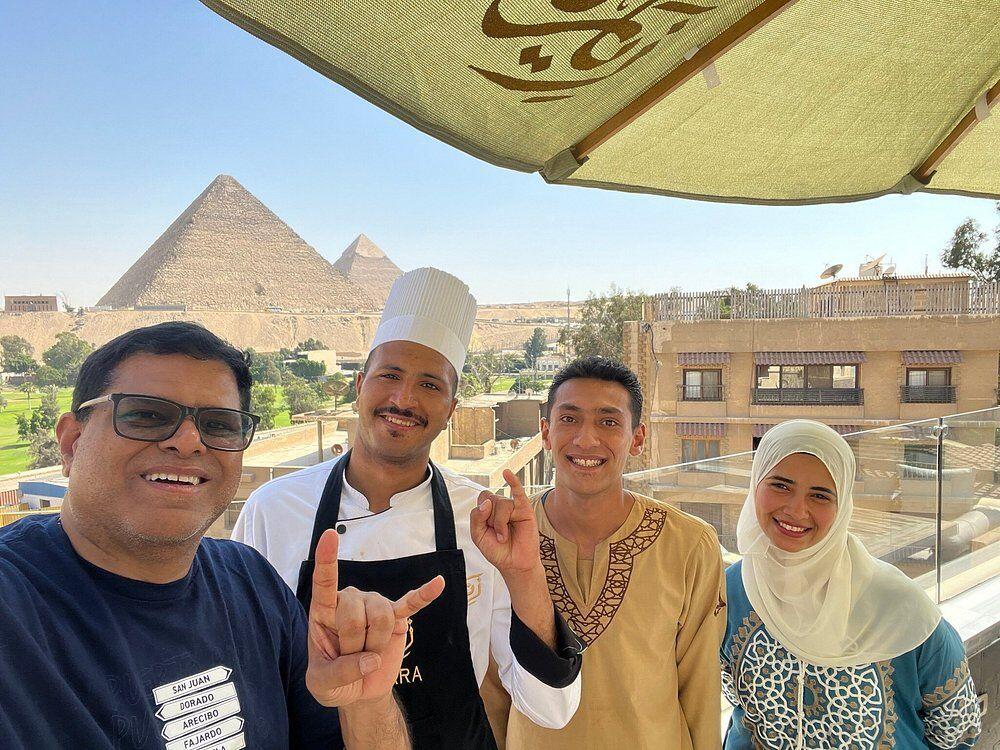
Replying to Avatar Lyn Alden

Good evening.

Although the region itself was inhabited for a long time by Egyptians, Greeks, Romans, and more, what we generally think of as “Cairo” is considered to have been founded by the Fatimids in the 10th century.

When it was founded, they built stone walls and gates, and a number of mosques. Cairo has expanded to become one of the biggest cities in the world since then, but this smaller area of “Old Cairo” still stands within the city, and you’ll find among the densest collections of medieval Islamic architecture within a couple kilometer area.

Driving up to it is surreal, because on one side of the street there’s a thousand year old fortress wall, and on the other side of the street there are decades-old buildings with brutalist architecture.

Inside of the walls there are markets, restaurants, hotels, etc. The marketplace/streets are quite loud and hectic and messy, and yet some of the restaurants and hotels are absolutely amazing.

So like you park, get hounded by an informal-looking guy for parking money (sometimes they are legit and sometimes not), walk through the thousand year old gate, there’s tons of music and street food and aggressive merchants, stray cats and dogs, you might have to dodge the random motorcycle or get pooped on by a pigeon (happened to me), a man in a Sufi-style dress is whirling around, there’s a sickly-thin toothless man asking for money as a group of teenagers race by, etc. But then right amid that there will be a beautiful entrance to a luxury boutique Ottoman-style hotel with professional staff, intricate handmade furniture and an amazing Egyptian restaurant on the roof that overlooks the area. A sea of contrasts.

As you walk along the cobblestone roads of this old portion of Cairo, you pass by various buildings that range from the 10th century to the 19th century and were built under four different dynasties (Fatimids, Ayyubids, Mamluks, and Ottomans). Then there are also some more recent brutalist buildings. It’s all woven together, so for example there will be an 800-year old stone archway with an active cafe under it. There will be a merchant selling cheap metal pyramid trinkets made in China underneath an intricate wooden 500-year old medieval window.

Anyway, some friends and I went there for the second time yesterday to eat at that rooftop restaurant. Some pics.

Gosh -- third world countries can be so rustic can't they!

Zeeyara Restaurant https://www.tripadvisor.com/Restaurant_Review-g294201-d23730242-Reviews-Zeeyara_Restaurant-Cairo_Cairo_Governorate.html

You could have given us the name instead of making us Google it. Sharing is caring ya know. 😄

Please send me all your surplus dollars as you won't be needing them anymore.

What are they pegged to if not an existing currency? I only know Tether, Circle and the likes. Currencies like USD and EUR are some of the most stable currencies we have right now. A coin isn't stable unless it's pegged to that.

I know some are pegged to gold but gold is pretty unstable in the first place.

They're only as stable as the pegged currency. Like USD which could do better in terms of stability -- past, present and future -- as we all know. Show me one that's more stable and I'll drop my dollars instantly.

Replying to Avatar Zaikaboy

Sucks to be in the minority doesn't it.

Yes the stablecoins are pegged to some currency like USD. They're not their own currency. Why bother using them then when you can just use the original currency they're pegged to.

All else being the same the tech does matter, that's true, but the ambition of cryptocurrencies is (was?) not to be the same, so don't come arguing with stablecoins.