

interesting that you brought up the hot wallet analogy because one of my questions is:
what’s the equivalent of a cold wallet for nostr?
i see nvault moving things forward here, but i’m still thinking about broader adoption.
imagining millions of users spread across a bunch of dominant clients. when there’s a massive leak of credentials in centralized systems, it’s somewhat manageable, but with nostr… that could be a protocol killer with no way to fix things.
but — just to confirm, clients don’t store nsecs outside of the device, correct? if not, then it makes sense that phishing or user errors are the bigger risks.
thank you!

GM! #nostr #Bitcoin
#coffeechain #plebchain #riga #nostriga #baltichoneybadger
nostr:npub1gwa27rpgum8mr9d30msg8cv7kwj2lhav2nvmdwh3wqnsa5vnudxqlta2sz 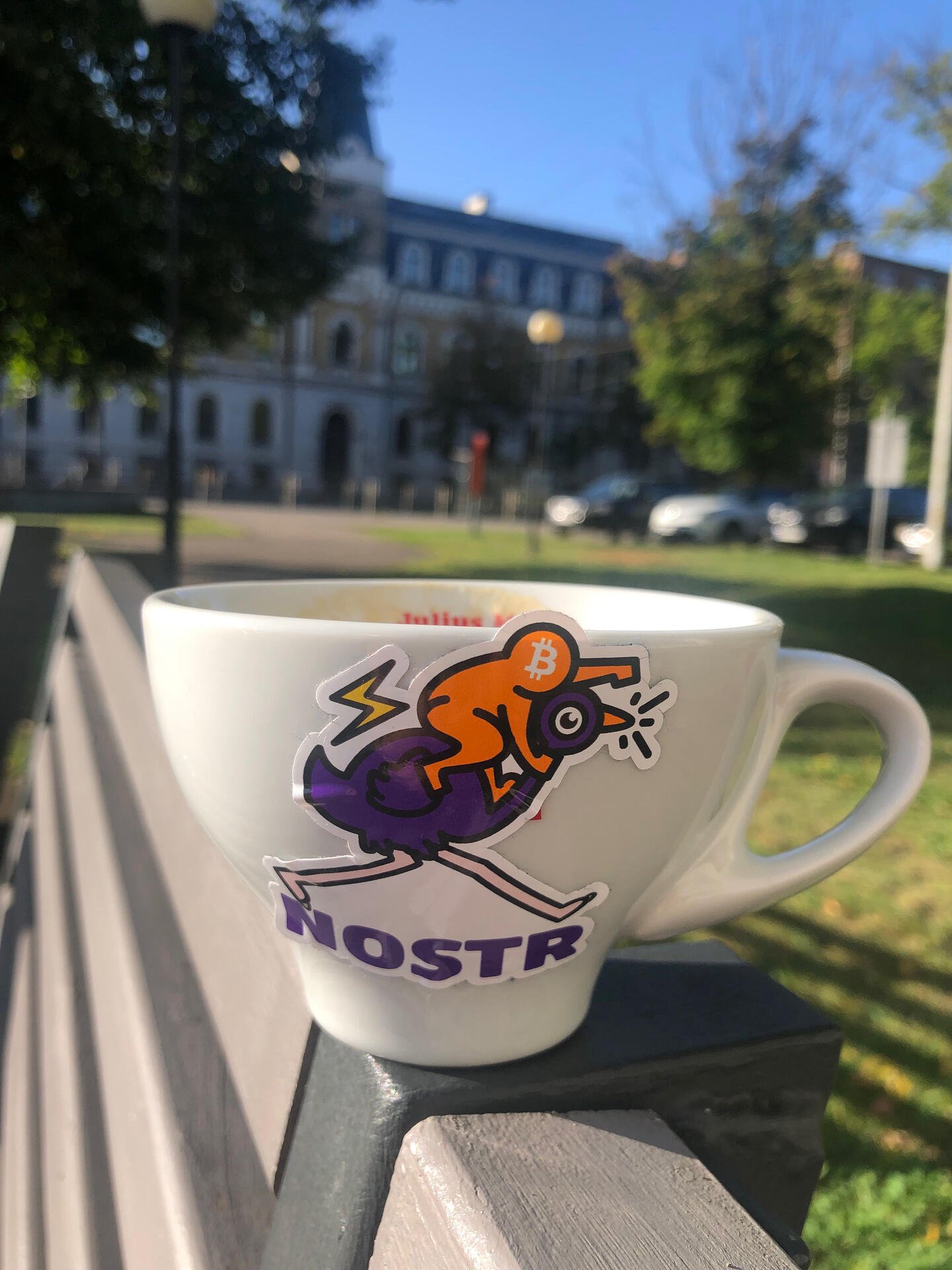
gm!

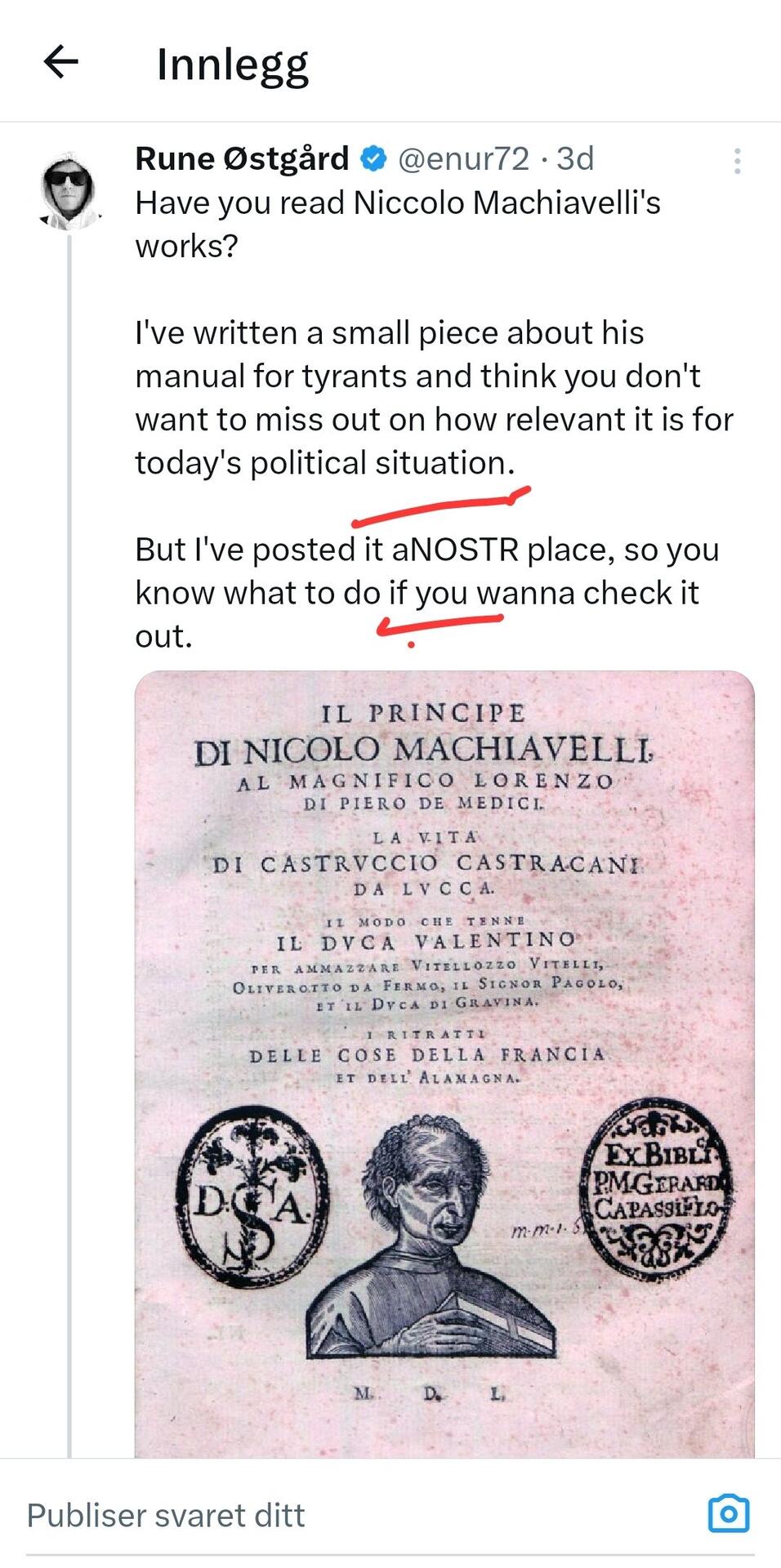
reminds me of the substack ban, where any tweet containing a substack link was deprioritized, and blocked from being liked or rt.
https://techcrunch.com/2023/04/07/twitter-substack-censorship-retweet/


two nsecs into the bride and groom envelope for a fresh start? 😀

thank you, Chip.
i’m very into product development and design, talking to a bunch of users every week. my opener line is:
> tell me only things you think might be hard to hear. these insights will help me improve, so don’t hold back.
what i usually get in return is pure gold — as someone smart said “never let yourself end in a >friend zone< with your users.”
ps. regarding nostr feedback… maybe you guys can enlighten me on this? #asknostr wasn’t any helpful this time.
nostr:nevent1qqs0hnrq6ffqq78ftn8s68qztwqkq8awqx6tjuxdefaekqvcayyffycerkcgw
i’d love to understand how these 100,000,000 nsecs is/ will be secured
nostr:nevent1qqstzqtwjd560vegdkzwekdem904flkxwtzzs34gdlgn7dlv4gapq3s6d9l2h
thanks. and how about the largest nsec pools like nostr:npub12vkcxr0luzwp8e673v29eqjhrr7p9vqq8asav85swaepclllj09sylpugg nostr:npub18m76awca3y37hkvuneavuw6pjj4525fw90necxmadrvjg0sdy6qsngq955 nostr:npub1nz64zngcqm8vj8nhrdkcjpfwn2rcaqysnxec88tqfclp5afrpglsqm0w5y nostr:npub1plstrz6dhu8q4fq0e4rjpxe2fxe5x87y2w6xpm70gh9qh5tt66kqkgkx8j etc?
usually, #asknostr and #introductions spark a lot of engagement, but not so much on this topic.
anyone willing to dive into how client apps store nsec keys? what are the risks of large-scale leaks, and how do we minimize them?

POPupART Frame #76 ,#77 ,#78
nostr:npub14wxtsrj7g2jugh70pfkzjln43vgn4p7655pgky9j9w9d75u465pqvagcye
nostr:npub1hwgw0uznr49t4gullpgfz4m5xnakl5a0l88m3k382xv7ys0tfmlsd503sg
nostr:npub1t30xvk4f3h86lhxazadwx6f2namer9yzgl70kfljfhr556g7su0qwg0lmp
We had a nice conversation about #Nostr Journalism and content creation 🙏✍️🤙 #art #bitcoin #nostriga #nostr 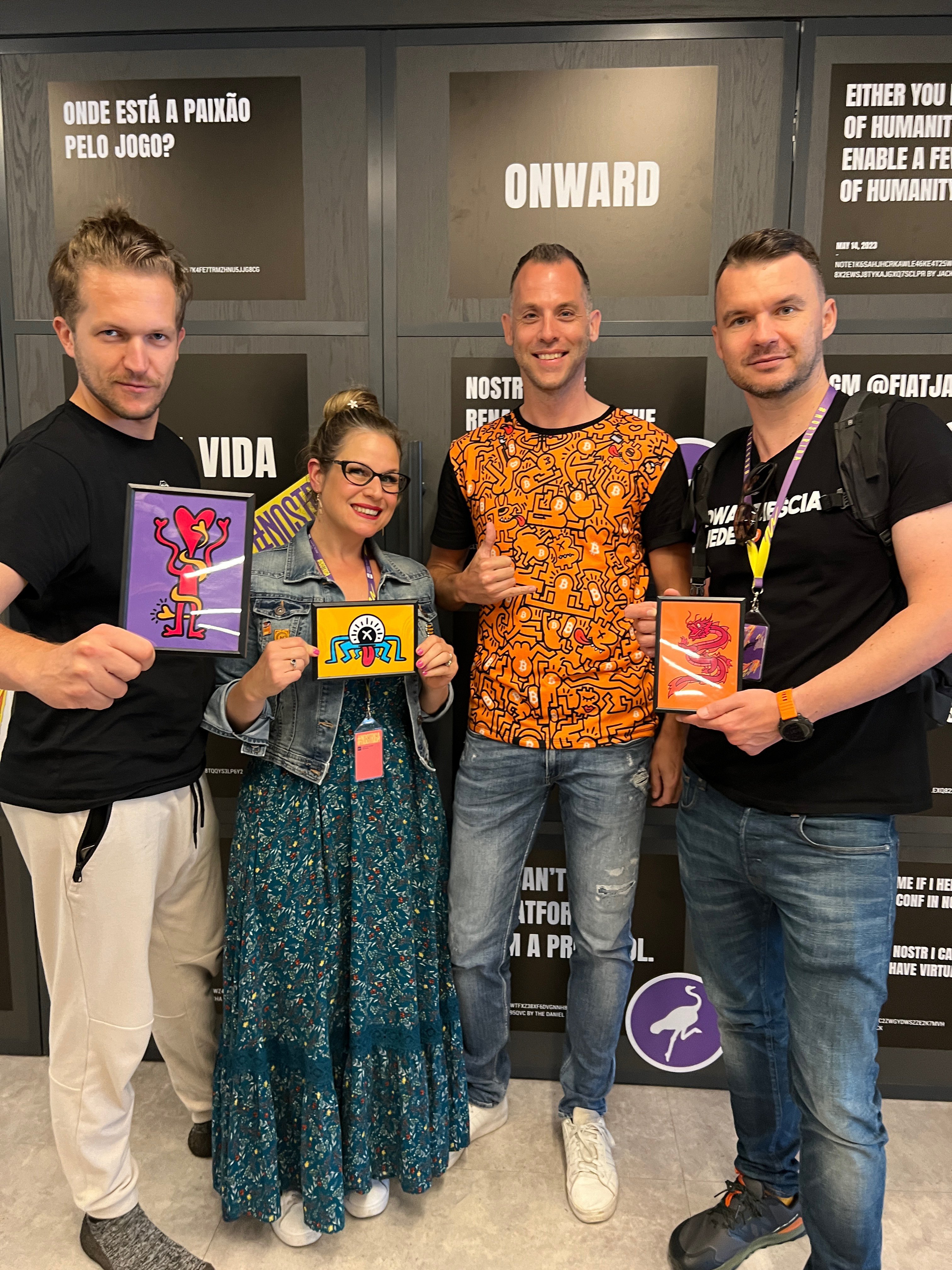
cheers Tomki!
hundreds of cryptocurrencies exist, and i get why bitcoin (first mover, broad adoption) but why is monero? i’m genuinely curious.

after a few days, i get the sense there are basically two camps here: monero and bitcoinero. right?

> new with timeless understanding
i think that’s nostr.
i’m thinking about the first part, but, for a few days, i’m cracking my brain to find some analogies (“the old”) from other disciplines to what i see here on nostr. today’s concept of “feed marketplace” or nostr:npub1v5ufyh4lkeslgxxcclg8f0hzazhaw7rsrhvfquxzm2fk64c72hps45n0v5 integration with nostr are just so unique.
today’s social media for obvious reasons (ad impressions) are like a crowded pub or speed dating. many faces, snap moments, next table, next scroll.
this changes though. concepts like substack and nostr’s nostr:npub1w0rthyjyp2f5gful0gm2500pwyxfrx93a85289xdz0sd6hyef33sh2cu4x or nostr:npub1v5ufyh4lkeslgxxcclg8f0hzazhaw7rsrhvfquxzm2fk64c72hps45n0v5 seem to introduce a more content-centric approach, where a conversation is on top of higher-quality consumption.
it feels more like reading a book in a park and meeting some friends passing you from time to time.


how many of these needed to realistically challenge the big players? could bitaxe act as a huge decentralized pool?

yeah, you’re right. but i think by the chart distribution it must have been, idk, around… 58k respondents? more or less, but i’m pretty sure somewhere in that range!
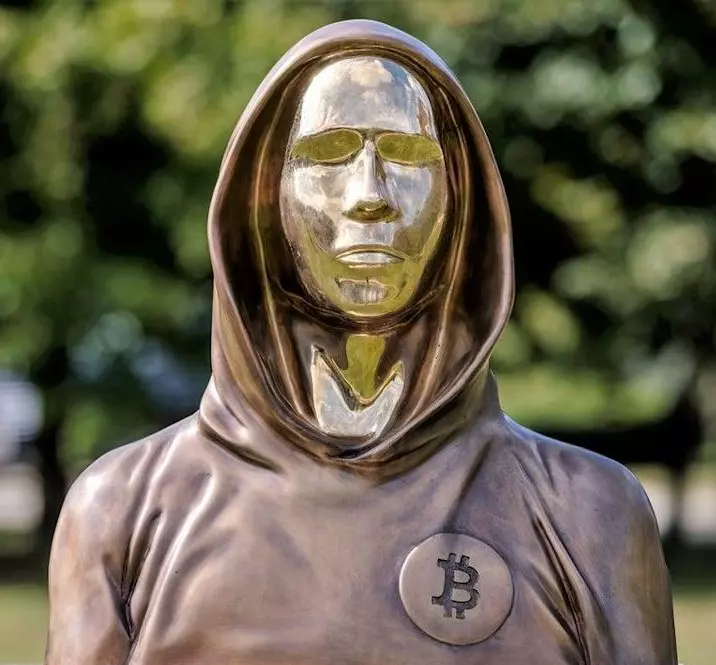
to take it further:
“each time history repeats itself, cost goes up” ~ r. wright
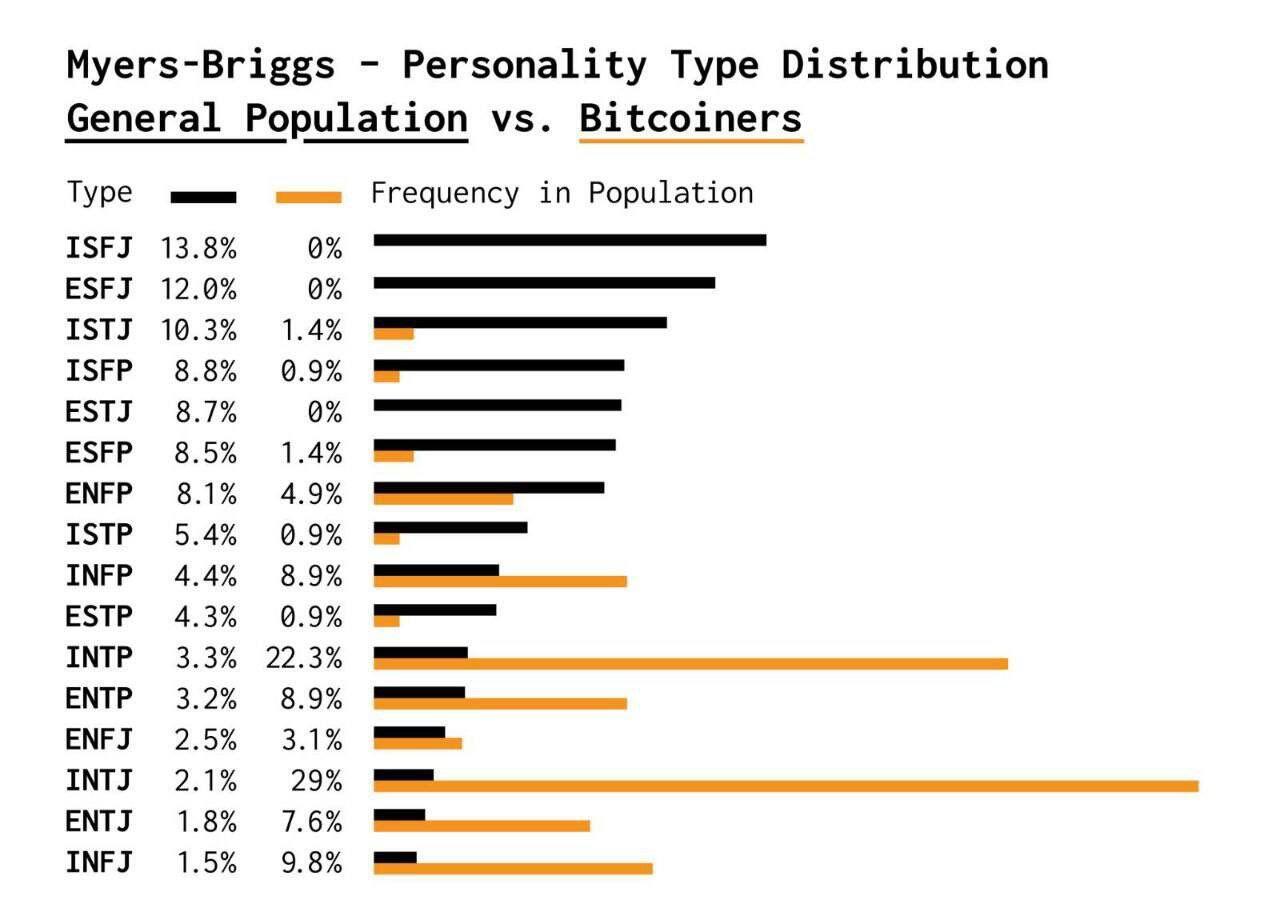
> Only 5.4% of the general population belong to these two types, but they make up over half of bitcoiners.
guess we’ll keep being the weirdos for a bit longer! 🤙
super interesting. even though myers-briggs is pseudo psychology, it’s still useful for making generalizations. was there any mention of the sample size?