


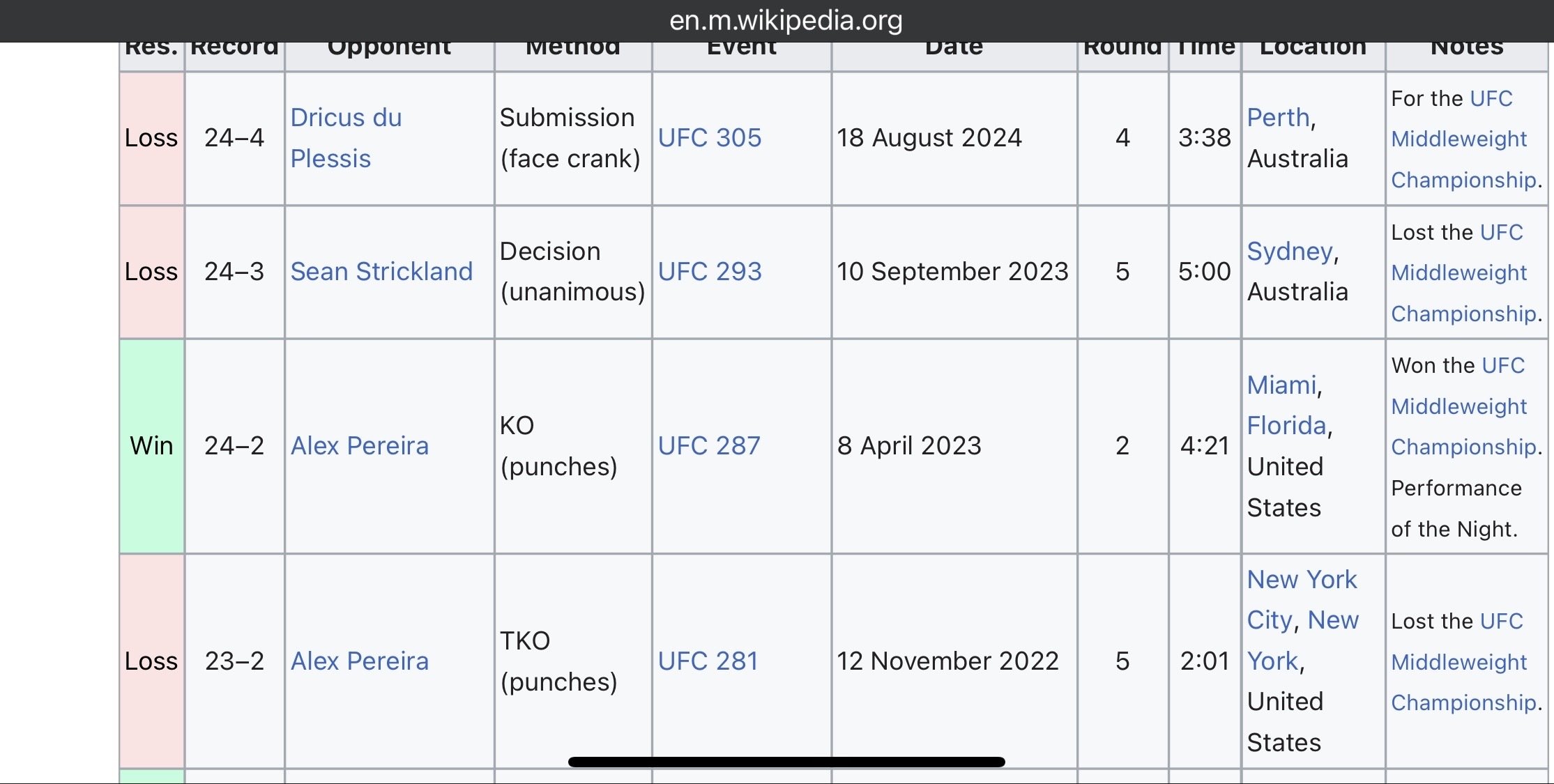

Almost impossible to stay at the top for long. Especially in the modern era where everyone is so well rounded.

Same, busy yet never felt too crowded, safe, and rather clean for a big city.
good morning! 🌞💜
video from madrid 🎥
#photography #videography https://video.nostr.build/58f1a4271f30cc260dbffba3f50c8f3d7a2ad6f93067f402ba0d8a31786d134a.mp4
Lovely city

Thanks for the response, I agree the chain analysis was bad but now that you can choose your coordinator, and zksnarks shut down their coordinator, that shouldn't effect the actual coinjoin process.
As for the video, what makes this a bad coinjoin implementation vs. user error? Wasn't it the user's fault for combining post mixes? Wouldn't that happen in all post coinjoins, no matter the implementation? What made Wasabi so vulnerable to this happening?
Generally curious, thanks if you can provide any answer to my questions.

What are some good programming, tech, dev podcasts or channels to add to my media diet these days? Those have kind of fallen off my radar in the past few years and with a reduction in the consumption of other genres of content, I have some more mental real estate to listen to new stuff when.
Back in the day I think my playlists had stuff like Talk Python to Me, Shoptalk, Changelog, Syntax, and others I'm forgetting.
Bonus points if the intended audience is people who feel they are in the "desert of despair" ( https://medium[dot]com/startup-grind/adamhurwitz-escaping-the-desert-dd381b92080f ) but not obligatory.
It's fine if subject matter bounces from intro to intermediate to advanced stuff. Can be casual or hardcore. Just seems good to have more of it stream into my brain regardless.
Cheers
#asknostr
#dev
#podcast
https://www.youtube.com/@ThePrimeTimeagen/videos
The primeagen always spits fire.

Definitely plan on it being open source. Might just add it to my current project Live Wallet (https://livewallet.space/#/) .
Having access to oxt and kycp apps and codebases right now would be really helpful, but I haven't been able to track them down since the feds went after samurai.
I am planning on building a utxo privacy analyzer, where you can select a series of privacy metrics to analyze a transaction by. The result will then say if the utxos included in the transaction passed or failed the various privacy metrics.
A few privacy metrics to watch for I have so far are,
- number of consecutive coinjoin rounds that a utxo came from.
- choose your anonymity set, aka how many txs should look like yours (aka equal output) in a tx.
- No change.
- no small change.
- no reused addresses
- reveal least amount of wealth
- reveal least amount of past tx history, aka don't combine utxos, especially not change outputs.
- don't mix post mixes (or any post mix tx change) from different rounds.
- don't mix postmix (or any post mix tx change) and non mixed.
- reduce change detection
- no round number payments.
- no same script type for the inputs and only one output.
- largest output amount heuristic (this is weak)
- spending to an exchange, it is obvious you are the change
- break the unnecessary input heuristic.
- more than one change output.
- change output should be of similar size of payment
- no dust attacked coins.
- break the common input ownership heuristic.
- break volume or other pattern recognition analysise.
- the change should not always be in the same output position.
- timing analysis, make sure you are not always receiving transactions on the same day.
- make sure do not spend utxos are not spent
- no kyc coins.
Does that sound like a useful tool to you?
What is your critique against wasabi wallet? I have been looking into privacy UIs lately and searching for criticisms of different implementations.
Keep trying. Coding is all about pushing through the walls we hit.


I have been thinking about this for awhile, made a note about it back in march. Using NOSTR for a web of trust for finding a betting partner who always pays their bets when they lose would be perfect. NOSTR's openness would be great for keeping people accountable.
https://primal.net/e/note1n4vtl9eyq5ful26skyczvdte4wll0qgqdzw6mkxhpncklcjjj9sqr3qy9n
Watching nostr:npub1rxysxnjkhrmqd3ey73dp9n5y5yvyzcs64acc9g0k2epcpwwyya4spvhnp8 tutorial on Wasabi Wallet and damn the UI is really cool. It has a great interface for features that analyze the anonymity set of a UTXO, as well as evaluating how private a transaction is. Super cool! It makes me want to add similar privacy analysis to Live Wallet.
The idea is, you would select a series of privacy best practices you want a transaction to follow, and then have your previous transaction or yet-to-be-broadcast PSBT analyzed. You will receive a result showing how the transaction holds up against the privacy metrics you are measuring it against. If it fails, it will provide suggestions for improvements you can make.

Makes sense! I’ll check out the telegram as well
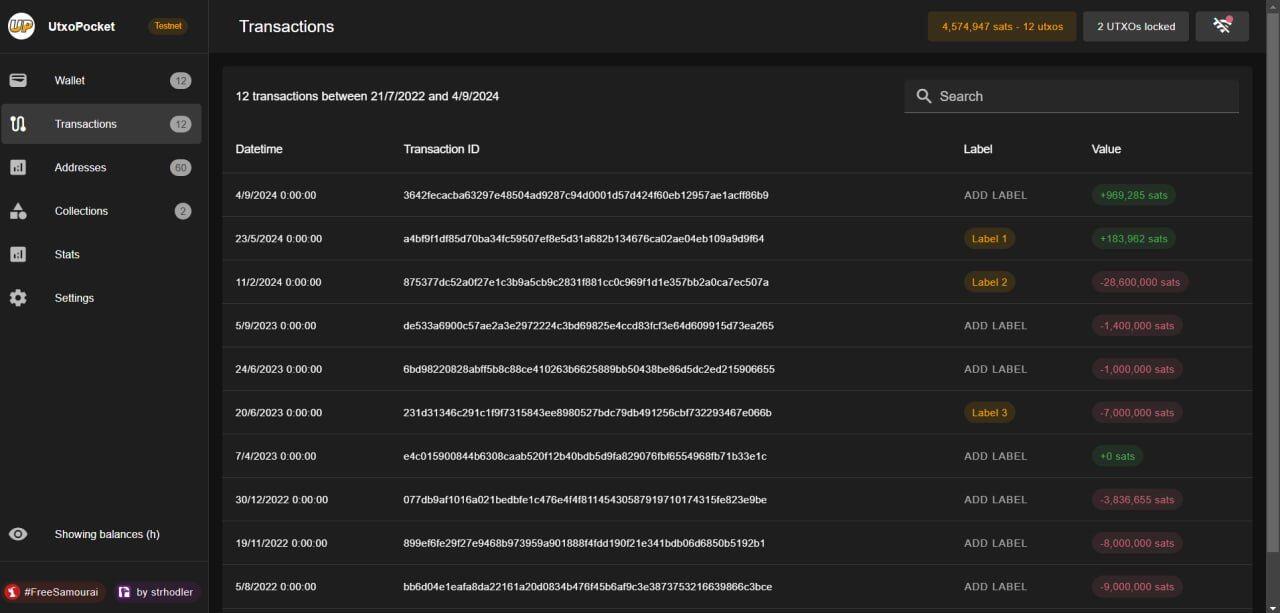

Good morning 🫡

💡 Want to estimate the health of various UTXOs without downloading the Live Wallet desktop app?
Try the newly released Live Wallet Sandbox: https://livewallet.space/#/sandbox
open-source code: github.com/Jwyman328/LiveWalletWebsite
Try it out at
livewallet.space/#/sandbox
nostr:note1a59rjk3axqdxkqqsc29dej2pn5dnejx7hg4u7tfvmh4lfgls0dhqw4q25c

They have the freedom to do it, but that doesn't me it is right. They are actively pushing people down a path of losing money and probably don't give a shit.
