

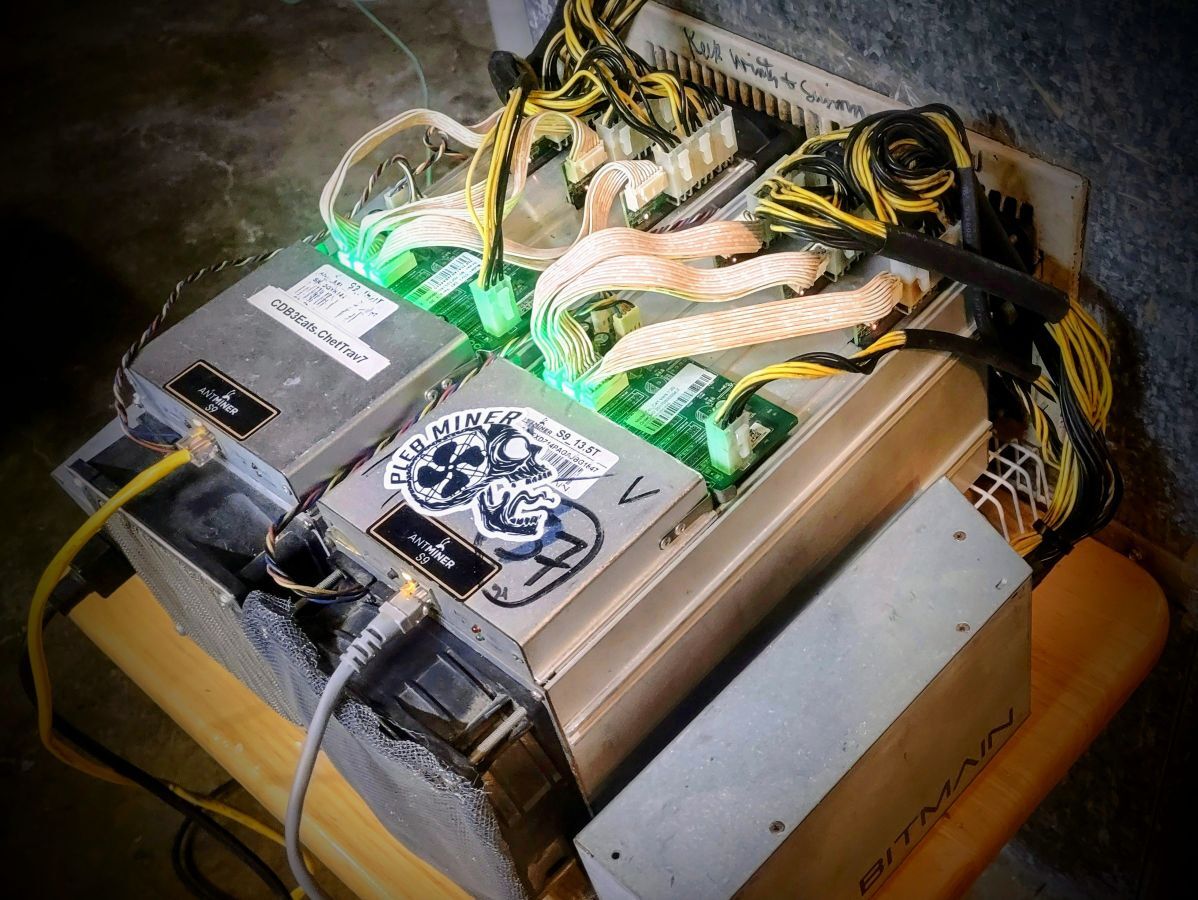
Those that say home mining isn't profitable aren't thinking about the yields home mining can offer. Owning and operating Bitcoin miners at home is like buying transaction fee insurance. Another undiscussed yeild of Bitcoin mining for pleb miners. As fees go up, my miners yeild more sats for the same work they do providing me heat to dry my laundry, dehydrate my produce, heat my home, ect. All while keeping the network decentralized, and participating kyc free.
#bitcoin #bitcoinmining #homemining #plebminer

Thanks, Permaculture is my guide.

Yeah man, had a great local meetup tonight. Hope your meetup gets lots of people connected too!

It's very situational and rarely a slam dunk. Hard to justify it.

I would recommend designing a solar power system to make an essential power load run off grid. My system is designed to run my starlink internet and provide power for guests. Lights fans charging phones etc. as I expand it, I will run my well pump too. If you don't have an s9 it's worth having as a space heater, collectable and to learn about mining.
I didn't design this one but I took it apart and rebuilt it. I'm pretty confident any reasonably handy person could build one with some basic plans. I wouldn't try to sew the skin myself though.


Heating the yurt with an S9 running on excess solar power
https://v.nostr.build/zeGd.mp4
There are no guests staying in the yurt today so I'm using it as an office to polish up my presentation for the SWMI bitcoin meetup tonight.
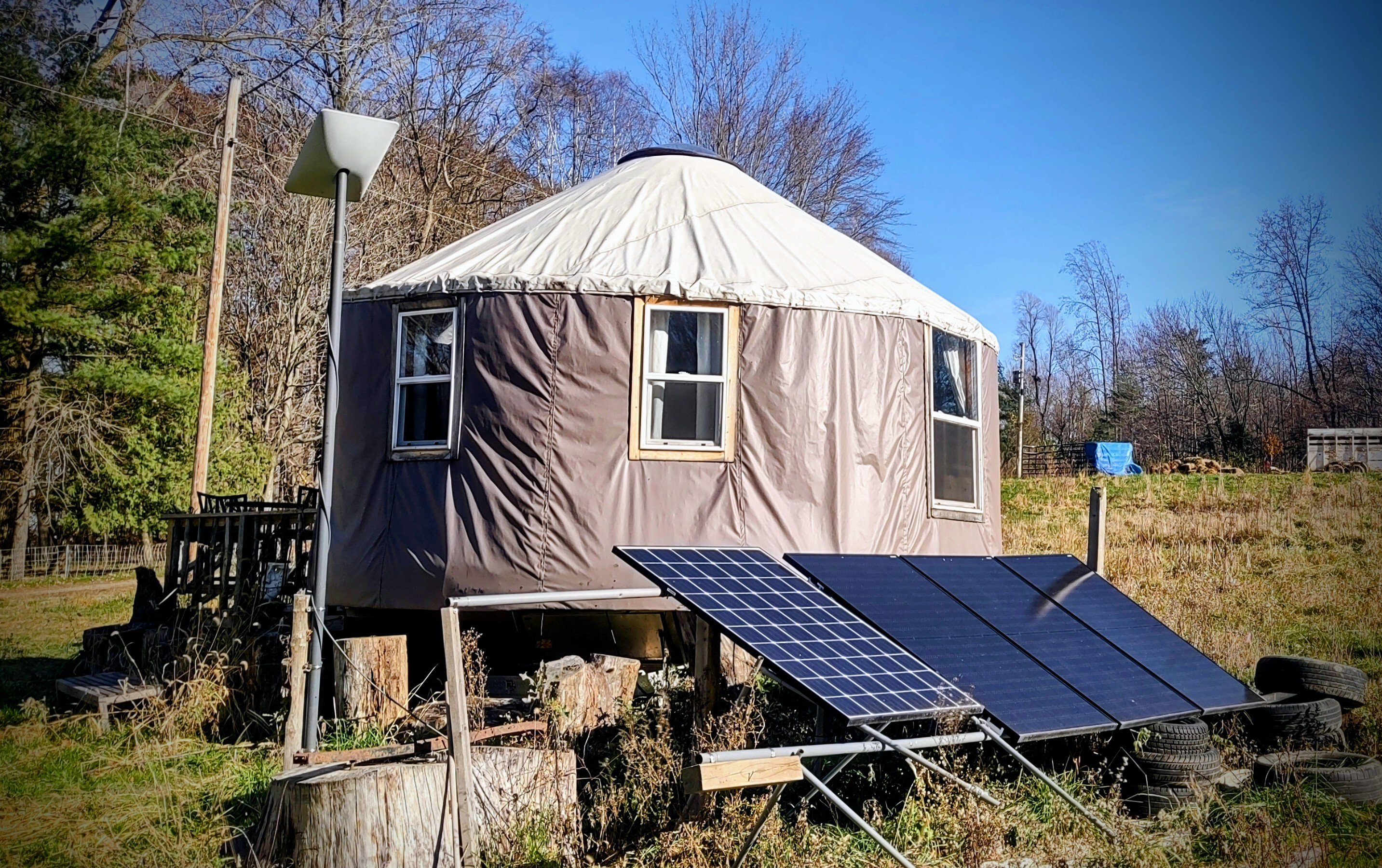
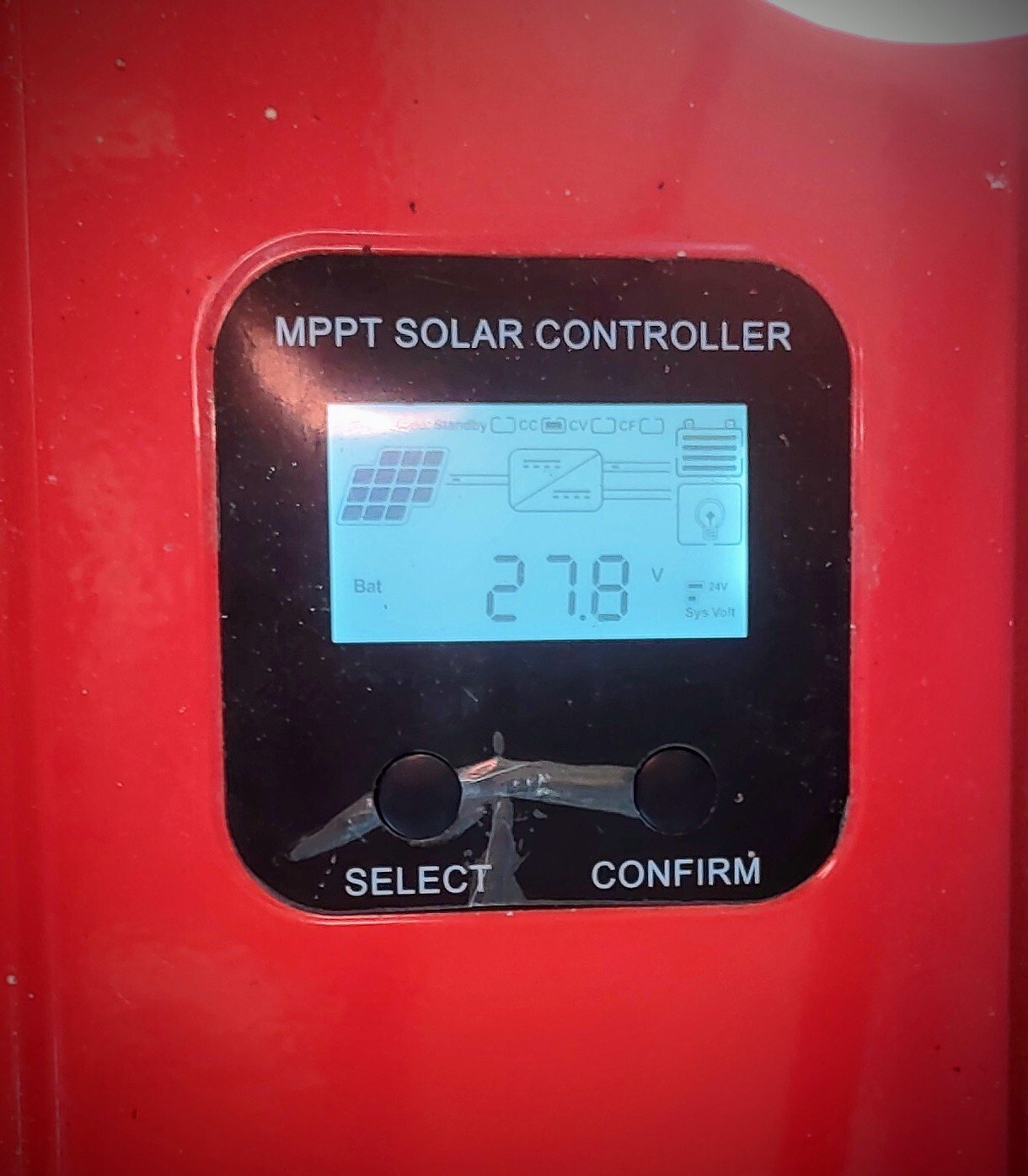
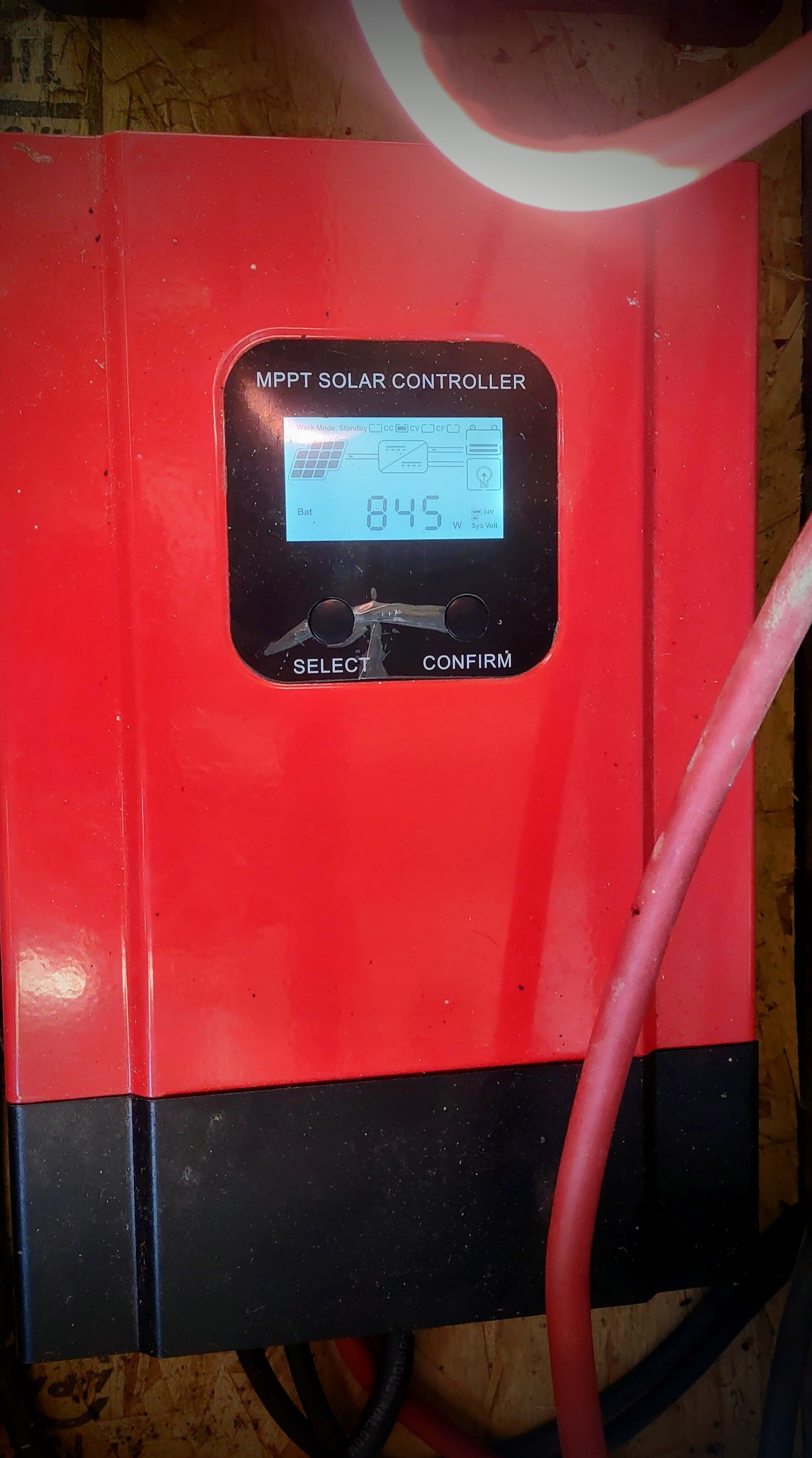
The sun is shining and the batteries are charged so I plugged in my mobile S9 space heater to take the chill out of the air from the night before. Batteries at 27v, panels making 800w of power and the miner is set to 500w. Good for about 6 terahash of free heat directly into the yurt thanks to the sun. Doing my part to keep the network decentralized and transactions time stamped all while getting 500w of heat out of the deal.
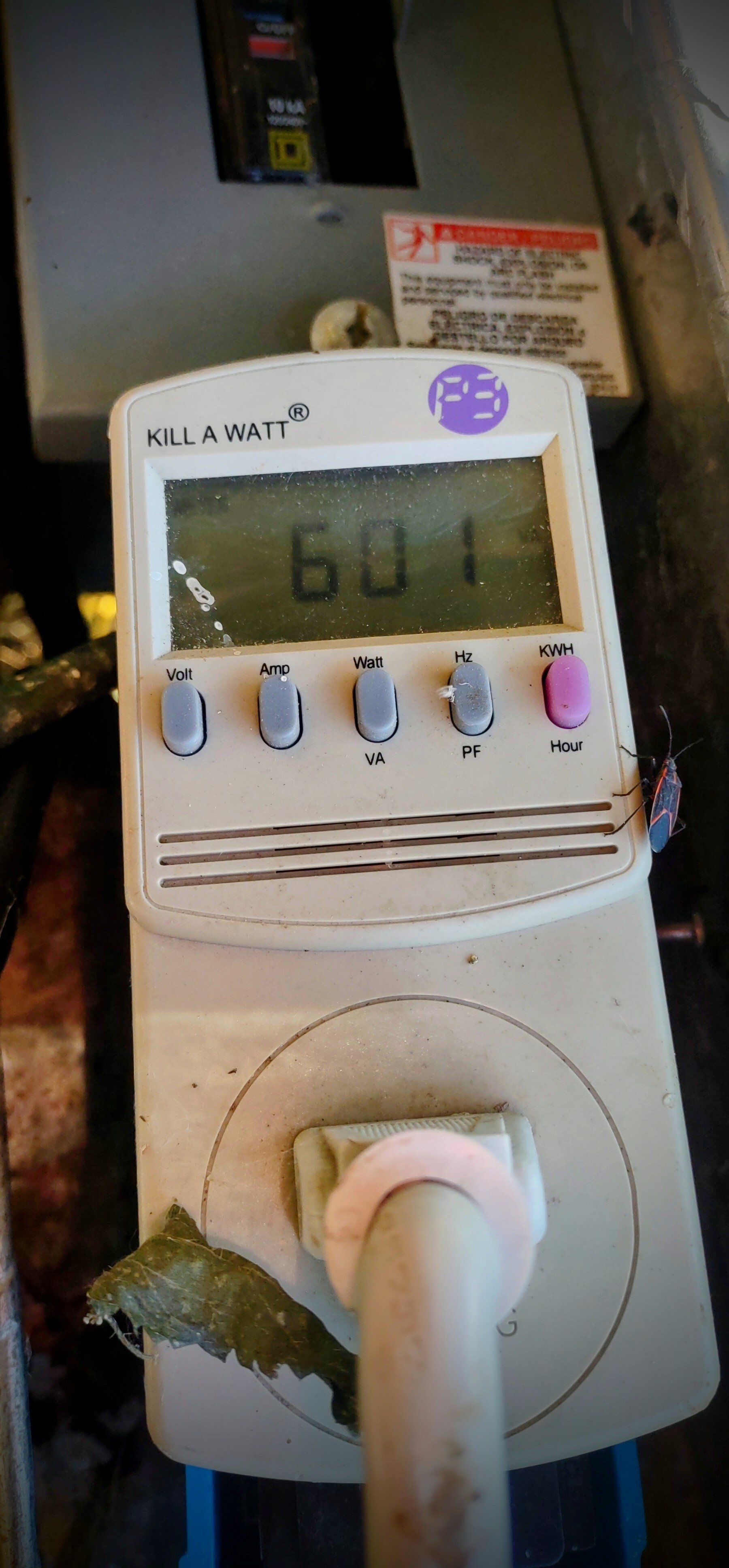
I also have a miner dehydrating squash seeds and simultaneously heating my house as well as a miner drying my laundry. Max hashing!
#homesteading #permies #permaculture #selfsovereignty #meshtadel #bitcoin #bitcoinmining #plebminer #homemining #doublespendenergy #hash2heat #mine4heat

No, I don't make videos regularly but I am going to start doing Nostr nests and live streams regularly. Those should help you dive in.
So much discovery to be made! I look forward to seeing you bring your ideas to fruition.
Now I've got both! We a dozen or more rabbits waiting to harvest. That makes me think too, we both had a surplus and by trading we kept the energy in the system that is our neighborhood adhering to the third ethic of permaculture, return the surplus to the system or what I like to call non extraction.
Traded three of our rabbits for three muscovy ducks.
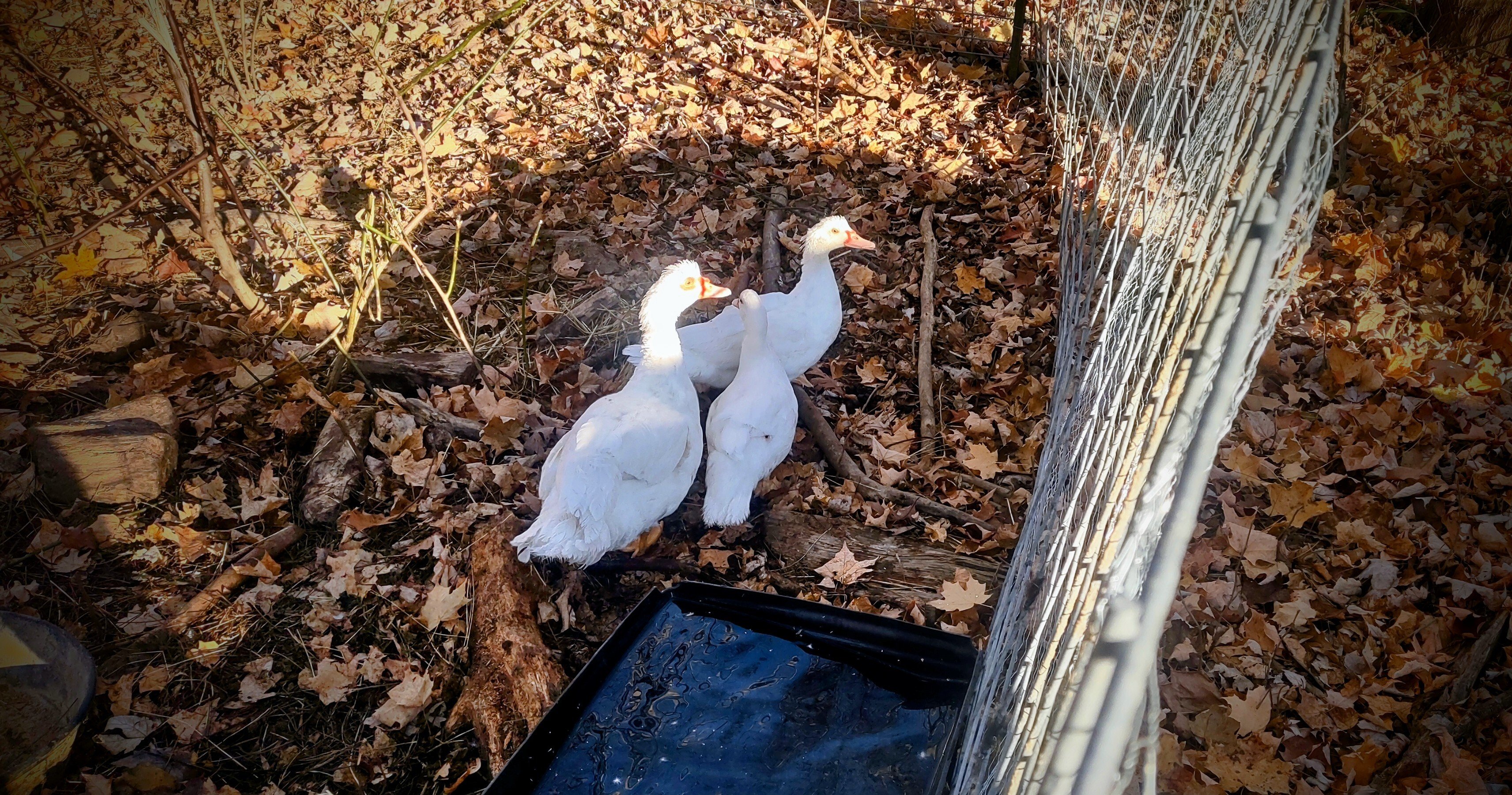
One of the principles of permaculture, value diversity. I met someone in the neighborhood who was interested in a trio of our rabbits to start breeding for meat. Instead of selling him the rabbits, I wondered if he might have anything we could use around the homestead instead. Turns out he had too many ducks so I offered to trade one for one. Now we have chickens, geese, and ducks increasing the diversity of our fowl. Another benefit of distributing breeding stock instead of selling the meat is that now I've increased the overall resilience of my neighborhood. We will all be more capable of cooperation in hard times. I've built some social capital with a another neighbor, all while avoiding the fiat system. We are also working out a trade for some gravel to improve the roads at the homestead. It feels more and more people are rejoining and opting out of fiat. Even if they don't know or care about Bitcoin, they are finding ways like homesteading and bartering. I'm bullish!
#homesteading #permaculture #permies #grownostr #meshtadel #selfsovereignty #socialcapital #barter #trade #socialcapital #optout #boycottfiat

Tonight! Come to the SWMI Bitcoin meetup where I will be giving my presentation Permanent Money; Permanent Culture. Have some drinks and hang out with some fellow plebs. Also, if it's your first time coming to the SWMI meetup you get a free sats card!

Android users, does Amethyst have a way to do profile zaps, vs zapping individual notes? nostr:npub1gcxzte5zlkncx26j68ez60fzkvtkm9e0vrwdcvsjakxf9mu9qewqlfnj5z 🤔
Yes. Simply go to the profile at tap the lnurl.

the words i am familiar with are "pasteurised" and "fermented" this is why my confusion.
the fermentation stops once there is no oxygen left, they should remain stable for at least 6 months at standard room temperature.
you won't get this effect if you sterilise them first, the bacteria that form the natural preservative acids are naturally present on the vegetables.
i saw this being done in front of me at that house in Sofia and i saw numerous other people doing the same things. the process is identical to making sauerkraut, it stores for ages if it's sealed up. when i was living in serbia, we were eating from jars that were just stored in a pantry, once opened they are kept in the fridge but if they are fully fermented and were adequately salted in the first place and were not pasteurised they will last easily 6 months in cool, low light conditions.
i also bought this stuff in the supermarket in Bosnia, it was a standard item. it was kept in the same area as white cheese and meats and such, yes, but it is longer dated than even white cheese in brine, even just in plain resealable plastic tubs like used for yoghurt.
let me try to find an english language guide to making turshia/sharena salata.
shit, ok, here's serbo-croatian:
https://domacirecepti.net/tursija/
How to put a pickle? There is no special recipe here, it is very important that the vegetables you choose, which are the ones you love the most, are healthy, firm and without various blemishes or bruised parts. The cucumbers and pepper that you put in should be firm and that when you break the cucumber it will burst, like when you cut through a twig, and that it should not be full inside, without any air. The pepper should also be crisp, firm, with no soft parts, open one to see if it is healthy inside.
The amount of vegetables is of your choice, as well as the vegetables you will put. Usually it is a bell pepper or a tomato pepper, cucumbers no longer than 10 cm. Cauliflower must be white as snow, not accidentally yellow or starting to turn yellow. These are all factors that can spoil a pickle. The carrot must not be soft. Green tomatoes, fresh cabbage cut into several pieces and onions, hot peppers are usually added, depending on who likes what.
The vegetables that are placed must be washed very well before being placed in (usually) the barrel. Choose the washing method, whether it will be a new dish sponge or a new toothbrush. I prefer a brush because, in my opinion, it washes all the depressions and wrinkles on the cucumbers better. the screws are washed one by one, rubbed with a sponge or brush and transferred to another water. It is washed in three waters.
Wash well the dish in which you will arrange the vegetables. It is best to wash with a solution of vinegar and water after washing with detergent and rinsing with warm water.
Clean all vegetables that have a stem in the same way as this pepper in the picture is cleaned, that is, remove the stem and the part up to the pepper, the same is done with cucumbers, cut off the tops, peel the middle part of tomatoes where the stem was, cauliflower is cut into smaller bouquets, the carrot is cleaned and the ends are cut off, the onion is cleaned well, the cabbage is inspected, the first leaves are removed, it is cut and inspected inside. Babura and horn peppers can be filleted and this way you can get rid of the possibility of them spoiling, because then you can see if any of them are rotten inside, which would not be visible when the pepper is whole. Babura paprika can also be filled with grated cabbage.
Arrange the vegetables in the selected dish in which the pickle will be. Usually, it is arranged in a row of peppers, then a row of cucumbers, then a row of tomatoes, then a row of cauliflower and rolled until the vegetables are used up. Then a bay is made.
Bay for 5 kg of vegetables:
3 liters of water
1 liter of alcoholic vinegar
150 g of salt
200 g of sugar
10 g of preservatives
5 gr of grapes
washed peppercorns (1 bag)
Preparation:
Boil 1 liter of water and when it cools down, shake off the salt and sugar, preservative and grape wine, as well as pepper. Stir to dissolve everything, then pour the rest of the water and vinegar. Everything will then be lukewarm and wait for it to cool down, then pour it over the prepared vegetables.
Another way is to combine vinegar and water, then add the other ingredients, but then you have to stir until everything dissolves, the preservative needs a little more time because it is harder to dissolve in cold water. But even if you boil water, you must not put the preservative in the boiling water.
When you pour the pickle over, you have to buy the hoops that are put over it, the diameter is usually the same as the barrel itself, and then you put something heavier over it, it can be a cabbage stone or if you don't have one, a well-washed, filled 2l bottle can serve. It should not be too heavy, just to hold the vegetables under the hoop so that they do not float to the surface, so that everything is at bay.
The container is tightly closed with a lid and left to stand for 21 days without opening, after which time it can be opened, inspected and served.
ok, that took me some effort to transcribe for some reason copy and paste was disabled for me.
if you follow that, basically 3 weeks it needs to be fermented for 3 weeks, and the critical thing is that this process happens without any contact with air. the vegetables need to be held down under the water or they will go wrong.
i never actually made the effort to properly learn how it's done, but the above information will let you do it correctly.
yes, what you have probably does need to be refrigerated, but if it's done properly, it won't.
one of the other important things, this is technical and probably it would be hard to find this information exactly anywhere, if you prepare the water by fully boiling it, this drives most of the air out of the solution, as gases are more soluble in liquids when they are cool, when they are hot, the gases are driven out.
this is why boiled water makes clear ice cubes and not boiled water makes ice cubes with bubbles trapped inside it.
eliminating the air is critical to getting this fermentation to happen correctly, and also why in addition to boiling the water before you let it cool and (gently) covering your vegetables, they must be held under the water and the whole apparatus should be sealed up, doesn't have to be extremely well sealed, you do want the yeast to ferment the sugars you put in the mix, and that the veg leaks out to go all the way to vinegar.
the vinegar that is formed is very mild, in any case, salt is the main flavour you will observe.
Very interesting! Storing lacto ferments on the shelf, no refrigerator required.
nostr:npub1mlekuhhxqq6p8w9x5fs469cjk3fu9zw7uptujr55zmpuhhj48u3qnwx3q5 thanks for sharing. The first recipe you shared had heat involved but this one is clear that there is no heat required.
I'm definitely going to try a few jars next season to see how long it can last.
Thanks for pointing that out! Shelf stable is definitely an option. I think the difference between shelf stable and refrigerated is that shelf stable has been heated to kill all bacteria (good and bad) while the refrigerator keeps the bacteria alive. By keeping the ferments in the fridge they continue to mature (sometimes too much) and are a good source of probiotics. The benefit to the heated style of preservation is that it doesn't take continuous energy input to preserve it. It can sit on the shelf for months. Next year if I don't build the walk in cooler I will probably have to water bath can some of the ferments because we barely have enough space in the fridge as it is.


Mini fridge jam packed with lacto ferments

Pickles and pickled peppers from this year's garden couldn't fit in our large fridge so we had to plug in this mini fridge to store them. We packed the pickles and peppers into jars we've saved so we can keep the mason jars handy for canning. I knew I would find a reason to reuse those jars for something. Ideally, we will build a walk in cooler soon. There never seems to be enough storage. Pickles on demand all winter!
#homesteading #permaculture #permies #grownostr #meshtadel #selfsovereignty #fermentation #lactoferment #pickles #producenowaste
Starting to get our sheep setup in their winter paddocks.

Each winter, the sheep are in a static paddock from late December until mid April. We try to take advantage of the impact and fertility of the sheep when choosing where to locate the winter paddock each year. It's a great opportunity to trample down, fertilize and mulch an area of weaker pasture.

(Last year winter paddock)
We decided to put the sheep in the same area again this winter to help reduce the pressure of the rush grass growing there. We were able to make some progress last winter but there is still more rush than I'd like in the area. The sheep dont eat the rush and I want to maximize the food available to them while maintaining a diversity of plants.

(Last year end result of winter paddock)
By putting the hay on top of the rush grass it encourages the sheep to trample it and cover it with a layer of straw mulch when they are done. I'm hoping that this technique works just as well or better than it did last year.
#homesteading #permaculture #permies #grownostr #selfsovereignty #meshtadel #sheep #katahdin #rotationalgrazing
Thanks, I'm sure the sats are somewhere. I'm not in a hurry to get it sorted out nor am I upset. I made sure not to put much in the wallet as I knew there could be bugs. Hopefully I can find time to submit the logs to help you all figure out how to make the wallet better and better.


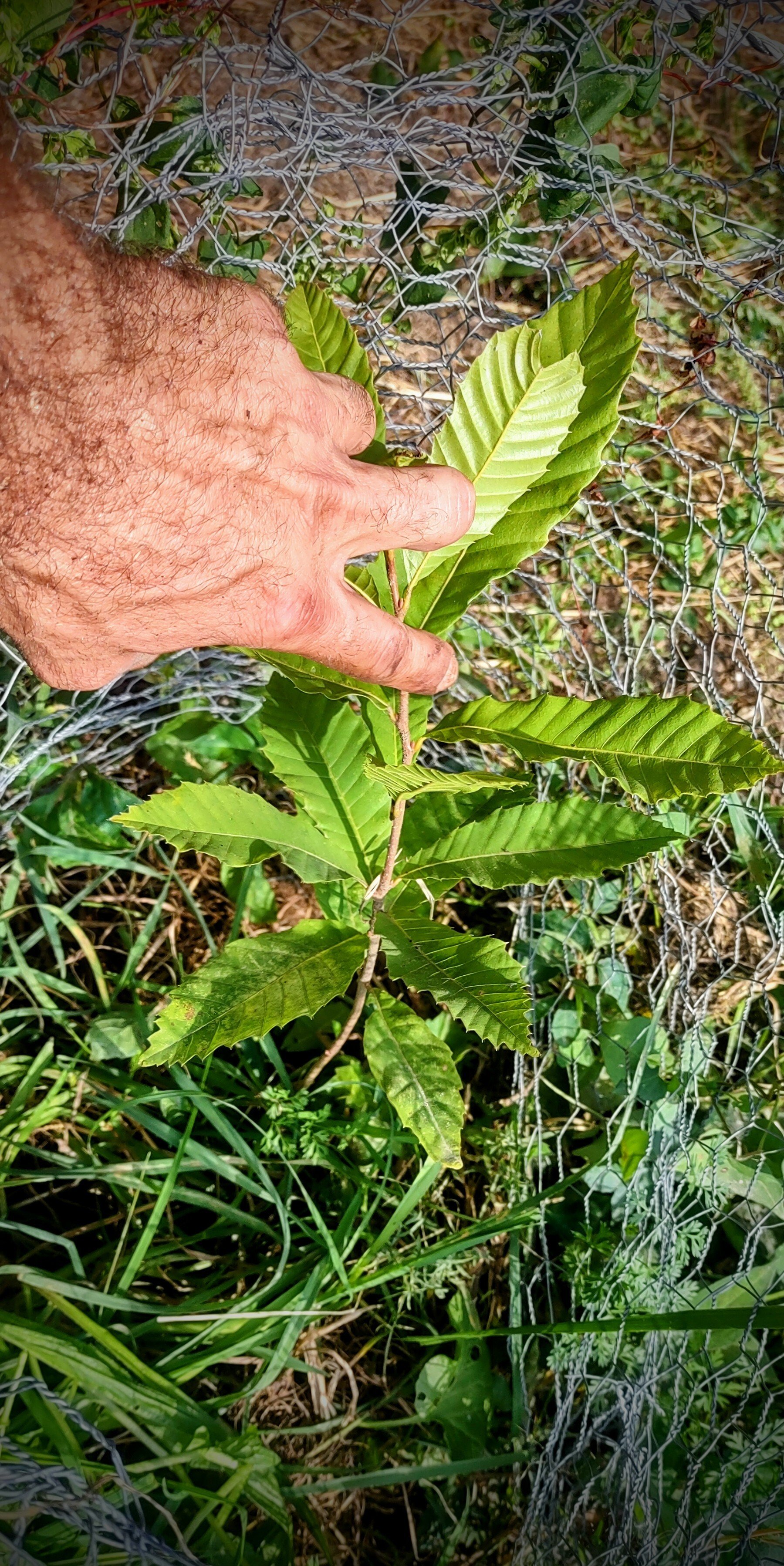


All the chestnuts I've gathered this season are planted.


I broad forked the bed which I recently harvested squash from in the food forest and then planted the chestnuts there. I planted them on roughly 2ft spacing and didn't add any additional compost. Once the nuts were in place, I covered everything with straw and put some chicken wire over the section with the American chestnuts for extra protection. I put flags marking the American chestnuts as well. My hope is that the chicken wire prevents squirrels and other animals from digging up the nuts. Once the trees grow in I will cut the wire away if I have to so I can transplant them.


I also planted some nuts in pots in case the food forest planting totally failed. Pots are filled with orchard compost (slow old fungally dominant compost) then nuts placed on top of the soil. Once again, I covered with chicken wire then put a layer of wood chips over the whole thing. Hopefully one or the other gets me some chestnut seedlings come spring!
#homesteading #permaculture #permies #meshtadel #selfsovereignty #grownostr #nursery #chestnut #americanchestnut #foodforest #forestgarden #treecrops