
Nostr on the weekend is a gathering of delicious food 🧀🍨🧇🥖🥓🥐🥙🥘🥯🥗🥑🍳🥩🍣🍕🌽🍦🍗🍲🍜🍓 #foodstr
Hand pilaf, naan mutton 😋 #foodstr


What are you listening to on this Friday night?
Dean Martin for us.
(Don’t mind nostr:npub1hu3hdctm5nkzd8gslnyedfr5ddz3z547jqcl5j88g4fame2jd08qh6h8nh asking about asparagus in the background)
#waxstr #vinyl #grownostr https://v.nostr.build/reqw.mp4
happy weekend bro
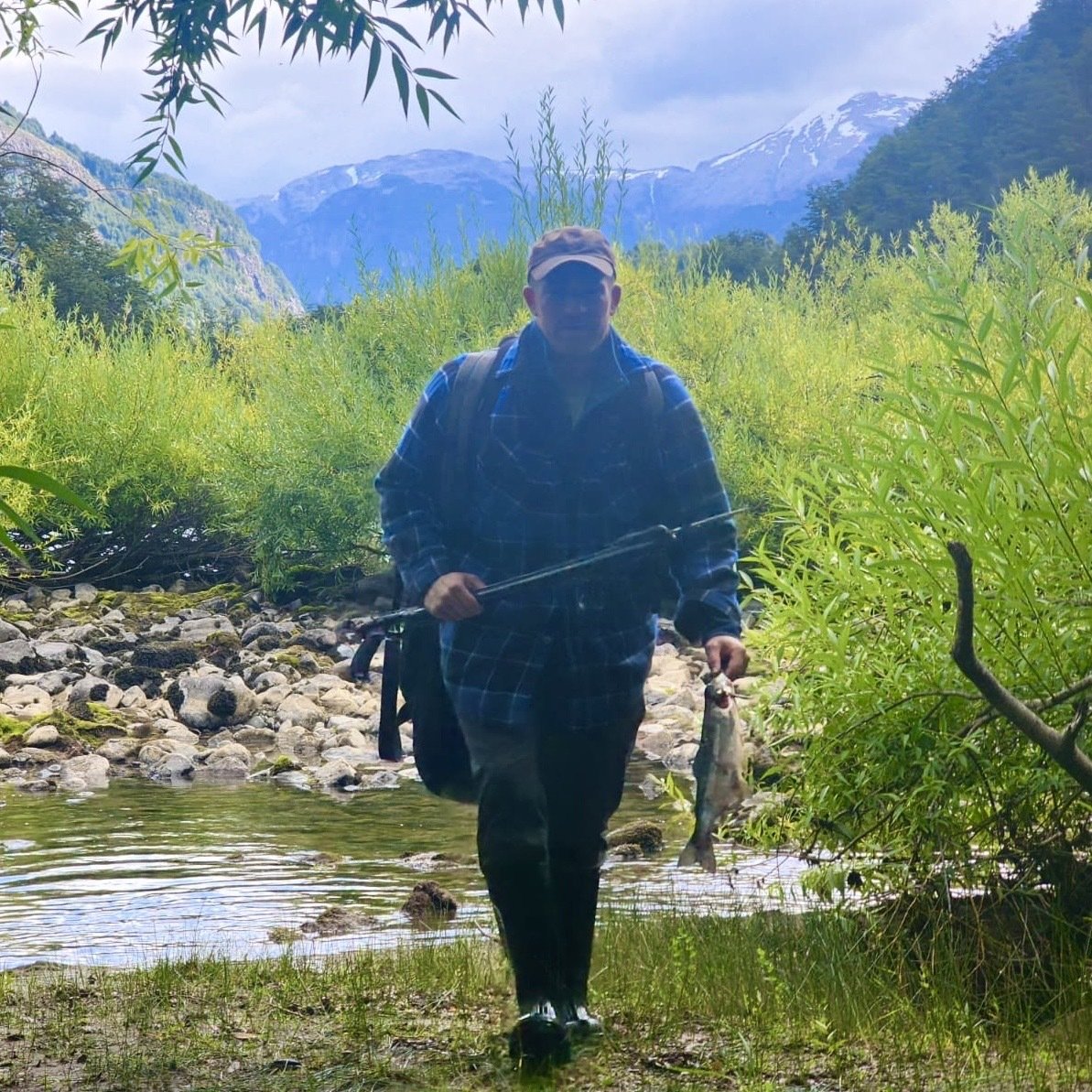
same, you can try Freerse, there is a section for reading long articles.


You can see a wonderful talk by nostrasia here. Transcribing the speech into English, Japanese, and Chinese was amazing work, and it helped ease my FOMO 💜
nostr:note19f828c7g97cutrmpfwfkujg32kt6tc2ue2uqrpsxvh0jtcwyzqpq8mkpxv

*This is a cross-post from [my Substack](http://gbks.substack.com) where I post weekly updates on my open-source work.*
This is an update for the past two weeks. The week before had only 3 days for me, and I didn’t want to share just a few small bits. There’s a lot to balance right now across everything I am involved with, so I’ll just go over all the projects and list out a few things that come to mind.
The foundation is the big one at the moment. Paperwork is mostly taken care of and we are ready to go and accept donations, in the middle of fundraising, and will give an update on a [community call](https://github.com/BitcoinDesign/Meta/issues/591) on Wednesday. It’s super exciting. Now that the boring setup stuff is through, it will be great to share and discuss everything publicly. I hope the foundation will be a nice power-up to the whole community and its mission. Also looks like this will continue to take a good amount of time for the foreseeable future. The foundation may be set up, but there are blog posts and social threads to write, designers to speak with, grant applications to review, potential donors to charm, finances to plan, conference talk proposals to prepare, etc. All good stuff, just takes time. And I do hope we can be one of the best open-source foundations out there, ever.
I just scheduled design review [call with 10101](https://github.com/BitcoinDesign/Meta/issues/593) in the community, which will be interesting. The team reached out about getting feedback after seeing the recent review call with [Peach](https://www.youtube.com/watch?v=UmEspYNHuO8). General chatter is fairly low in the community right now, with the most activity happening in projects (which is good). I am also looking to ramp up social media posts more, so we can do a better job at giving visibility to all the cool things people are doing. And of course the [newsletter](https://bitcoindesign.substack.com/) is coming up again next week.
This design below was fun. A Duolingo-inspired HODL streak. Sometimes I need a break from writing documents in the afternoons, that’s when I slide in brief explorations like this one. It’s not meant to be super thorough or complete, just a visualization of a simple idea, maybe a conversation starter. Sometimes these things grow bigger, sometimes they change shape, sometimes they are forgotten.
 )
)
Good stuff is happening in the guide. We had a [great jam session](https://www.youtube.com/watch?v=0HhYjG4wYkQ) on Monday around some pretty intricate topics. It will be great to tame those into pleasant user experiences. My [multi-wallet management page](https://github.com/BitcoinDesign/Guide/pull/1040) is now awaiting reviews, I’m excited to get that one live. Next, I am debating whether to look into BOLT12 and silent payments UX, revising the shared and upgradeable wallet reference designs, or finalizing the stablecoin content that has gone stale. Not sure yet, maybe I’ll ask around to see what people are most interested in.
Not a ton happening around the [UI Kit](https://www.bitcoinuikit.com/) and [Icons](https://bitcoinicons.com/). I have some pretty clear ideas on what should happen next (how-to videos, case studies, onboarding playground, color revision), but other things have priority. Ideally, we can find someone to co-maintain longer-term to help out with it all (maybe via the foundation?).
The design for the [Bitcoin Core App](http://bitcoincore.app/) is way ahead of development, so we’re pausing it for a bit. Some minor tasks come up, like the peer details screen below. The devs are busy, and the research group (really great group of people) is working on organizing and summarizing their findings.
 )
)
[Saving Satoshi](http://ingsatoshi.com/en/chapters/chapter-1/intro-1) has picked up the speed in both lesson content creation and development, which is awesome. Chapter 4 is complete, chapter 5 being developed, and we started chapter 6 design around constructing transactions (which is way over my head code-wise). If you haven’t tried it yet, please do, and share your feedback (pretty please). Otherwise I am a bit behind on testing and some small design tasks I have identified for myself.
 )
)
[Nostrasia](https://bolt.fun/tournaments/nostrasia) is wrapped up. Congrats to the hackathon winners. I ended up adding short notes, long notes, and calendars to profiles. Easy to do, just simple templates for additional content types. There’s one more thing around extension support I’d like to get done because it’s a bit of an issue, but then [Nosta](http://nosta.me/) might be on a bit of hold again.
 )
)
And that’s it, except for the stuff I forgot. Lots of stuff going on. And it’s only possible because there are lots of great people involved in everything. Thanks to everyone.
Peace & happiness.
✌️🥳
great work 🤙🫂
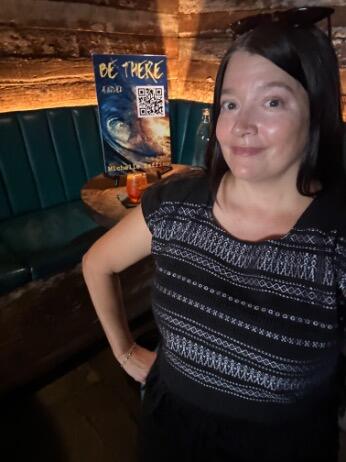
#BuildinPublic
Since late July, MyLibrarian has been fortunate to raise funding from several angel investors. We have an amazing chance at a huge contract with an enterprise B2B client, and a PO from them to fulfill, and are building in order to deliver.
We have an insight into what we need to build and are building it! With larger investment we can get our B2C product into public beta faster and launch it to our 3MM community, plus we’ll deliver the API to our B2B bookseller enterprise customer.
Here’s more—someone recently asked for me to re-introduce myself —I’m Michelle Z and this is my founder story. Through the experience of writing six books, I realized book discovery is broken.
People read on their phones and tablets all day long, but when the eBook experience and other new storytelling experiences become even more seamless online, our recommendation system will function best, optimizing search for diverse content and preventing bias. Librarian characteristics will help create more empathetic AI tools. As the writer Neil Gaiman says, Google can bring you back 100,000 answers. A Librarian can bring you back the right one, and MyLibrarian solves this problem.
I learned to code and we built an early version of the MyLibrarian web app, and since then we’ve built an Android demo and the iOS will soon be on TestFlight. I’m a product and information architect who leads a stellar team of devs and marketing, and with our fearless COO, and we now have a viable business model and patent-pending tech. We’re looking for our next $ to launch the B2C app (which will turn on several revenue streams) and deliver the API to our B2B customers.
I’m just grateful we’ve made this much progress with only F&F angel funding and self-funding, of course. More at my website michellezaffino.com and on Wikipedia https://en.wikipedia.org/wiki/Michelle_Zaffino. We’ll be promoting the beta at the Nostrasia conference, hosted by @Jack, where I’ll be speaking on librarians, journalism, and freedom of speech. We’re building our creator community on the Nostr protocol, which is P2P zap-enabled. MyLibrarian is still closing our pre-seed. View our deck and invest at this link https://stack.angellist.com/s/c5vkj38v4q.
Thank you for reading,
Michelle Z
p.s.
We’re the NEW Goodreads
hi Michelle Z 🫂🤙

LOL, it's a crazy shopping festival 🫂🤙🐶

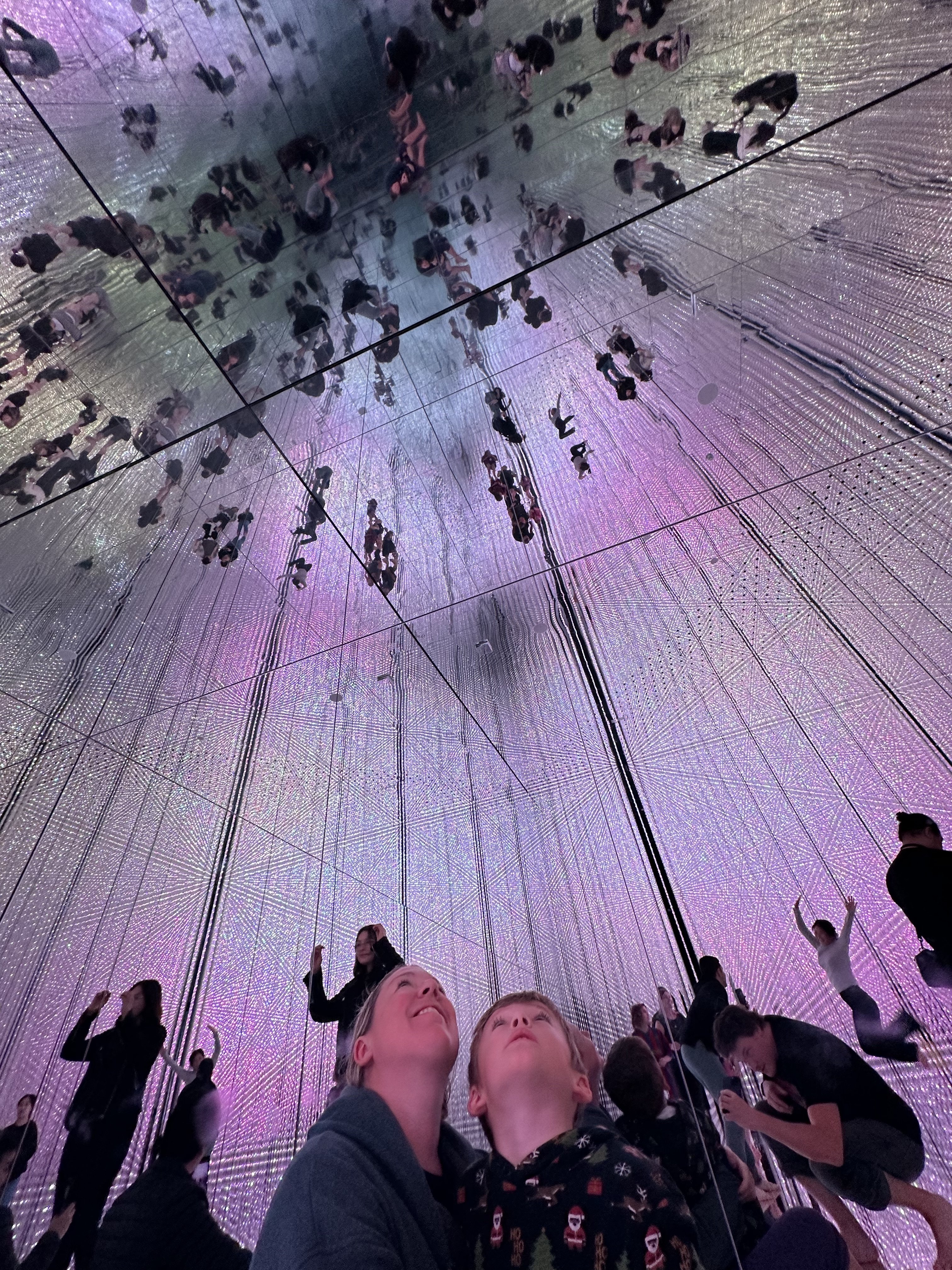

GM☀️
That's a big worry, because it's hard to run at a loss for long without financial incentives.
It is also possible that as the number of users increases, the client can survive through advertising or other monetization methods, and the Relay operator can charge for providing personalized database services.
Nostr is a new thing, and maybe in the future, there will be large Relay and client companies, just like Bitcoin. Individual users who want to save their data can run small relays on their phones. So there are large clients and Relay to provide quality services and optimized infrastructure. Even if large enterprises fail or are censored, individuals can run their own relay and use free and open source clients to continue to function.
In this way, both high-quality services can avoid the single point of failure ecology of large enterprises, which may be a sustainable decentralized healthy ecology of #Nostr
#Freerse article reading area and card display for article forwarding



We just rebuilt the discovery feature of #Freerse. It's being tested. I'm already attracted to this place. I like to browse the Hashtags #foodstr #coffeechain , it's a treat. You can also see what the world's #Nostr is talking about from the constantly refreshing global posts and find people with common interests.
What Freerse does is allow new users to join and freely form their own community of interest. This is the freedom universe = Freerse 💜🫂


Wow, this is my life, and I'm doing it💜

