

ya image can stay, just og title & description is left to the users responsibility…
link structure should be readable for products anyways…
currently…
nike .com /t/jordan-why-not-6-mens-shoes-T5Gl76/DO7189-700
Preferably would be…
nike . com /jordan/mens/whynot6/tennis

Metadata headlines, specially with larger publications are what is sourceless. The actual visible headline is written by editorial staff, which indeed can be a problem on it’s own. But In many instances this metadata veers from the editorial headline, and written by a 3rd person, who with-in the publications own standards, only qualified to respond to social media customer support inquiries about why the physical paper delivery is late, not editorial journalism. The more advanced publications even frequently switch this meta data out, making it more and more sensational, to test and optimize for click through.
There could be an opportunity for integration with a nostr concept like highlighter, where a client assists in crafting a highlight, or other similar creative innovation.
Just dropping the headline and byline metadata I think is enough to encourage some proof of read. Now the body of the note is at lest sourced to the pubkey, instead of some unaccounted social media staff. The signature functions similarly, to how X is leveraging this so the content of the tweet is able to used in community notes. I think for X this is in part a way to farm some exclusive content in the form of community notes, and this is a bit agro itself, but being able to quote note, and contest that the content of the note is misleading about the content of the link, promotes some accountability and reputation where there previously wasn’t any.
I even have some sympathy for mainstream editorial staff who’s being blamed for these manipulative practices when they only contributed one headline that’s being contorted ten ways by some marketing communications grad in social media c. 2015.
beautiful link previews loose to custom proof of work that the person who shared a link knows what’s it’s about

Which user? I think having an opt in, turn headlines/bylines on could be an option… I think prompting for a description despite some clients still defaulting to on, is responsible, show some proof of work you know what you’re sharing.
this is a great move… clients that render site previews should copy this and normalize self captioning links (maybe even prompt to do so). 

notably not cultúrx 
🎃🌶️ 

should paste isbn into comment section. Have a hard time believing any multi-branch library system really considering online submissions with out it.

in trading stating their political ideology for the term bitcoiner, they only limit their individual reach, instead appear extremely insular. Which is a practice in collectivism.
that wouldn’t be zapping the zap thats zapping the zapper.
the wallet providing the receipt would need to have a wallet listed in their receipt account

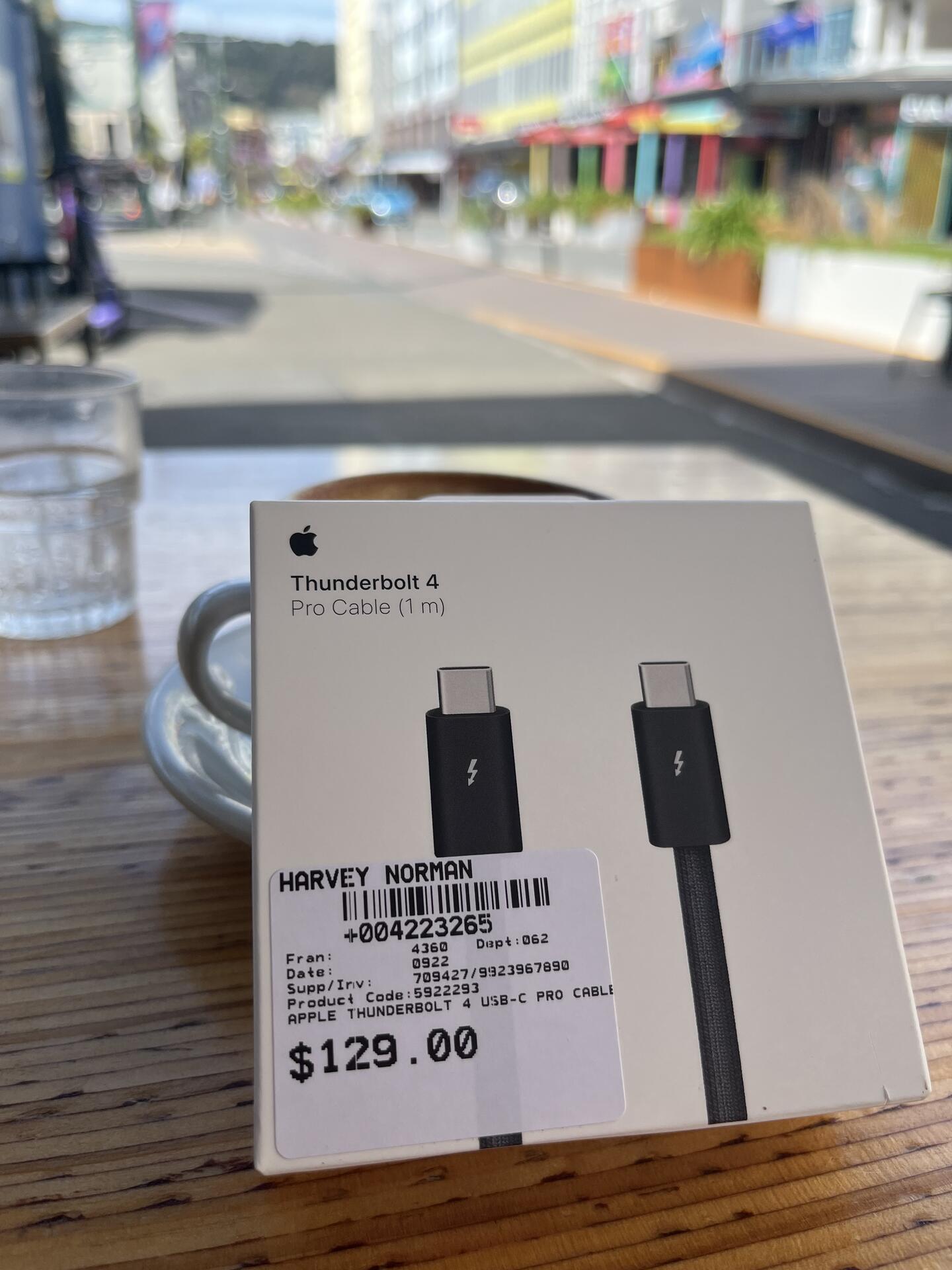
Intel licensing/certification. Backwards compatibility with both thunderbolt and usb makes the cable itself a new manufacturing process. Then Apple tax on top.
ᵐᶦᶜʳᵒ ᵃᵖᵖˢˀ
“click wallpaper to revel desktop” flip to only in stage manager then never use stage manager

I think we need different types of "follow". What about something like this:
1. Friend — this person doesn't show up in my feed. But I like them, and want to keep track of them, and maybe be reminded of them on occasion (hey hodlbod, here's what your friend X has been up to this summer). I trust them, and want to factor their opinions in to content recommendations generated for me.
2. Follow — I want to know what this person says if it has engagement, is popular, or matches some other filter, like topics I've expressed interest in. The Hacker News bot might fit in this category.
3. Super Follow — I want to see everything this person says. These are the people on my "pure signal" list currently.
4. Subscribe — these are people you don't care about, and whose opinions you don't care about per se, but are people who get paid (either by you or by advertisers) to recommend content or products. Could be bots or influencers. You'd never see their content, but you would see things recommended by them.
Items #2 and #3 are variants of the same thing, and could be conflated by assigning a decimal value to your follow (suggested by nostr:nprofile1qqsfcts2suzpxaeuhy2mnjwd9cwt69l98t3tp2r2hf09hu8uz0zzp5spzfmhxue69uhhqatjwpkx2urpvuhx2ucpz3mhxue69uhhyetvv9ujuerpd46hxtnfduq3vamnwvaz7tmjv4kxz7fwdehhxarj9e3xzmnyuurtjm earlier, but I used to have something like this in Coracle).
The first category is entirely different though, because the value of the relationship is not based on what they say, but who they are. I honestly don't want to see anything my mom posts to social media unless she tags me in it (in which case she'll email me). But she's one of the most important people in my life.
Likewise the final category. This is an entirely transactional-type relationship, and is exploited to provide additional social signal to otherwise neutral content.
So, any other categories? This is really quite similar to nostr:nprofile1qqsyvrp9u6p0mfur9dfdru3d853tx9mdjuhkphxuxgfwmryja7zsvhqpr4mhxue69uhkummnw3ez6ur4vgh8wetvd3hhyer9wghxuet5qyt8wumn8ghj7anfw3hhytnwdaehgu339e3k7mgpzpmhxue69uhkummnw3ezuamfdejsxp7af9 's "relationship status" nip, but with more ability to quantify what clients can do based on the relationship. It could also be implemented (of course) using NIP 32.
clients should offer different experiences of this.

I’m not fully convinced that’s traditionally true. For me it’s just about the purposeful hostility, that a small client who wants to respect their users preferred_name or maybe better mention_name just can’t possible offer that. They can agree with a specific client dev, but at the expensive of disagreeing with others. The best I’ve seen is astral ninja, which would truncate if they are all set to the same, including the nostr address. That however looks super redundant on a client like damus.