Avatar
Bud
63eaec81ac05f2a4fd01727d7b89690042f30ced1b69bcf6a0533ec1e1cdffbe
Stack, HODL, Shitpost. šŸ‡ŗšŸ‡ø šŸ”„šŸ”„šŸ”„šŸ’„ šŸš€
Replying to Avatar binmucker

Cause chaos, get attention, beat chests, sign bullshit deal, neither one honors it. Rinse/repeat.

"Wine Tannins give me Massive Headaches"šŸ·

As a low-intervention winemaker, that one caught me off guard.

I’ve heard people blame sugar, sulfites, even histamines. But tannins? Let’s talk about what they are—and what they’re not. 🧵

Tannins are natural compounds found in grape skins, seeds, stems, and oak barrels.

They aren’t about flavor—they’re about texture.

They’re much more present in red and orange wines than in whites or rosĆ©s, since those wines stay in contact with skins, seeds, stems, and oak barrels much longer.

I often hear people say a wine is dry, referring to that mouth-drying sensation you get from certain wines.

However, when a wine is dry, that means it isn’t sweet.

People who describe highly tannic wines this way aren't totally wrong because tannins bind to your saliva and do leave your mouth feeling dried out.

While a lot of the tannins in red wine do come from the grapes of oak barrel, then can also be added during winemaking—usually in powder form.

Most of these powders are derived from natural sources like oak or grape skins, and can support structure, aroma, and color without changing the identity of the wine.

I use oak-derived tannins in some of my wines, especially since I age in neutral barrels.

This helps me use less sulfur in my winemaking.

Tannins act more like a protective coating that helps show off the wine’s natural brilliance—not a tool for manipulation.

Most wine additives are used as part of a manipulation regime—designed to hit a target flavor profile, often at the expense of transparency.

And with over 70 approved additives that don’t have to be listed on a wine label, the real culprit behind your wine headache could be anything.

Tannins are different.

There is some nuance.

Hydrolyzable tannins like gallotannins (from oak galls or chestnut wood)—have been linked to mild inflammation or histamine release in sensitive individuals.

But they’re typically used in small amounts and are far less likely to be the issue than residual sugar, poor fermentation, or a cocktail of other additives.

Tannins aren’t usually the problem. The winemaking style might be.

Wine is complicated and often swept into a shroud of mystery to keep consumers in the dark.

But knowing a little can change a lot.

I’ll be sharing more about how to navigate additives, labels, and wine in general.

If this gave you value, please like or retweet that first post.

Thanks for doing this series. It would be helpful to know some hacks to simplify the already bewildering wine decisions required. For example are there American or other regions, price points, styles like organic and biodynamic, that can simplify the choices required to avoid the gunk?

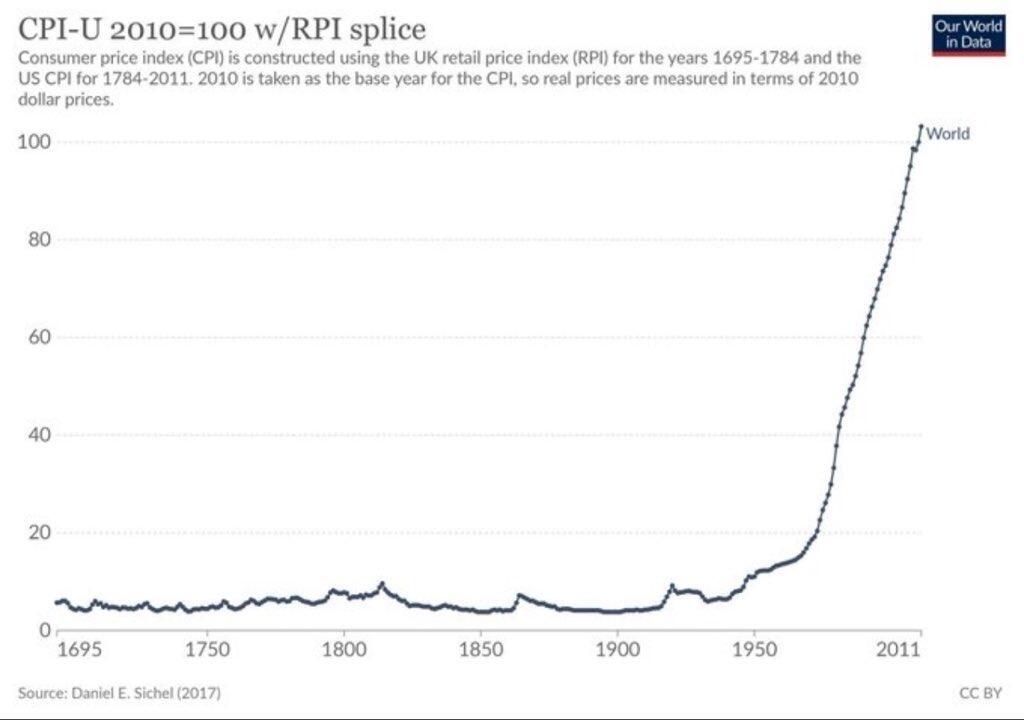
But there’s no free lunch in economics. The price we pay for the benefits above is months and months of price doldrums interrupted by periods of extreme volatility.

Yes, there is a wine ingredient called Mega Purple

And it's more common than you’d think.

Once you know how to spot it, you’ll taste it everywhere.

And you’ll never look at cheap red wine the same way again. šŸ§µšŸ·

Mega Purple is a thick, sweet, inky extract made from a grape called Rubired.

Just a small dose adds deep color, smooth texture, and a candied finish to otherwise forgettable wine.

It’s grape-derived—but that doesn’t mean it’s good.

It started as a way to rescue weak vintages. But now it’s everywhere.

If you’re drinking wine from a box, or paying under $15 a bottle, especially for jammy reds—there’s a good chance Mega Purple is in the mix.

Think of it as a type of pancake style makeup for wine.

You won’t find it on the label. Wine doesn’t have to list ingredients.

But there are signs:

- Over-the-top purple color

- Sticky sweetness

- Flavors like grape jelly, vanilla extract, and artificial chocolate

Mega Purple is often used to mask poor fruit—like overcropped vines, underripe grapes, or wine rushed through fermentation.

And if it’s in there, it probably came with friends:

Velcorin, powdered tannins, added sugar, oak flavoring, enzymes, coloring agents.

At that point, it’s more of a science experiment than wine.

Wine made with better grapes and fewer tricks costs more.

That wine tells a story. Real terroir, real flavors, real art.

But more importantly, Low Intervention wine will probably leave you feeling a hell of a lot better the day after drinking it.

What's that worth?

Most people have no idea what’s actually in their wine.

I’ll be posting more about how to find bottles worth drinking and how to see past the veil the industry hides behind.

If this helped you, it'd help me if you liked or reNOSTed the first post or followed along!

Cheers!

🤮

More right wing virtue-signaling of blind fealty.

Which underling is brave enough to inform the Fuehrer:

ā€œThe plan to lower yields, so that $9 trillion in debt could be refinanced, umm, it’s not going so well, Ser.ā€