
So can I just post my @primal.net address on my other social media accounts and people will be able to send there?
So true lol nostr:note135pwcex6gq0xxews4pf2t22e69knrwdw67lnkdwgjzh2tg9lvu6q5anul5
Does this mean I have a wallet address now?
Snort on my laptop, damus on my phone
I just tried with Primal and it set up a whole new account for me. Is there a way to get a wallet address and port it to this account? Or should I just continue my writing on the other account that Primal set up for me when I set it up?

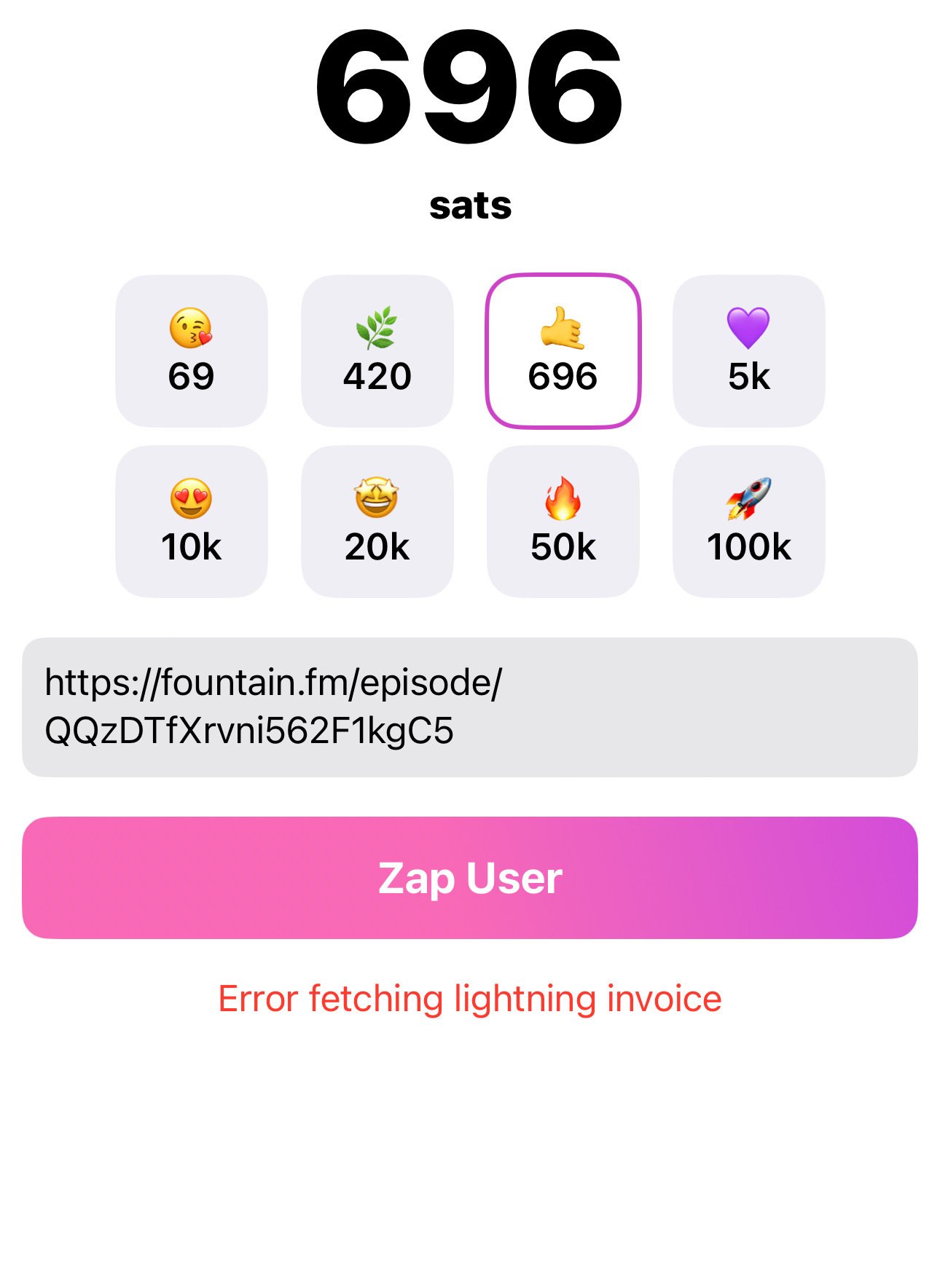
I’m trying to figure out how to get a wallet. I’m on the waiting list unless anyone has a referral code.
“God is an intelligible sphere, whose center is everywhere and circumference nowhere.” - Book of the Twenty-four philosophers

How do I do that? I can't figure out how to get a wallet connected.
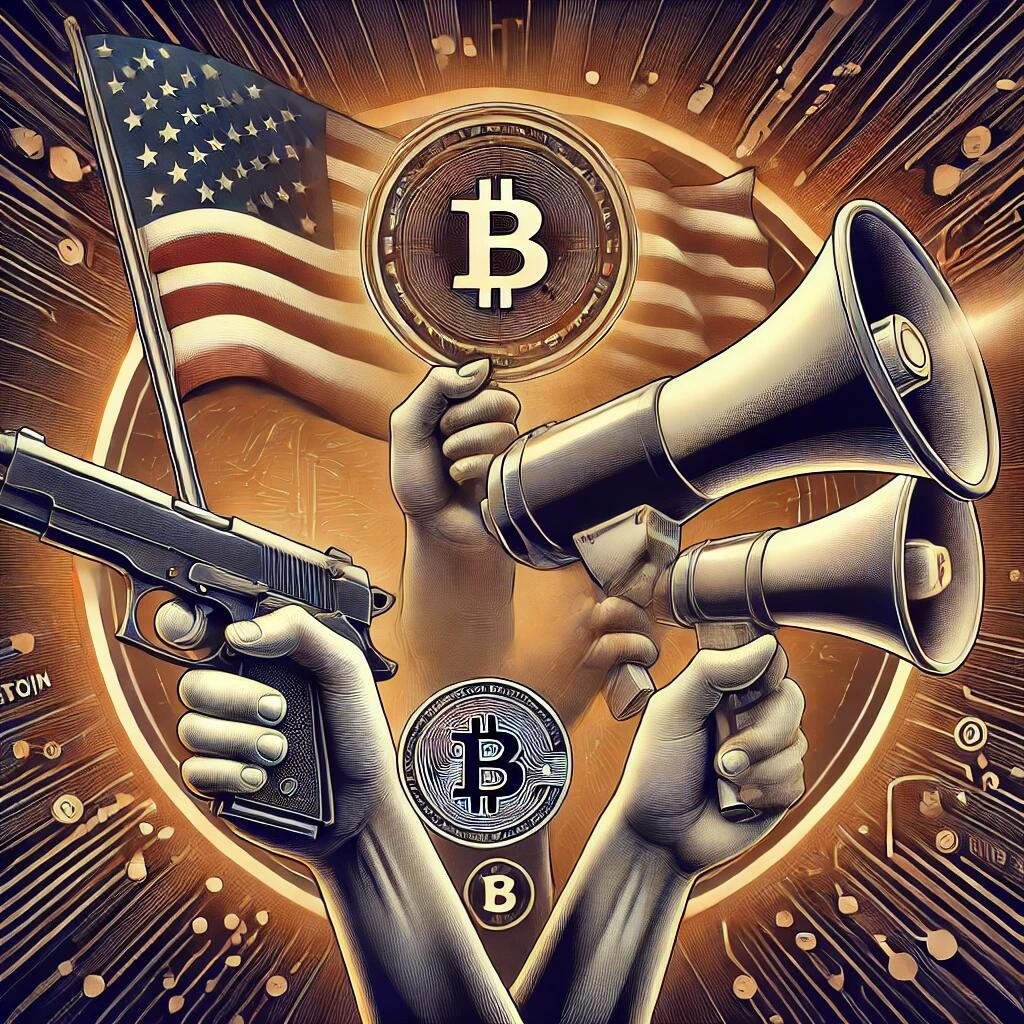
The Foundations of Freedom: The Right to Bear Arms, Freedom of Speech, and Financial Sovereignty
The pillars of a free society rest on three fundamental rights: the right to bear arms, freedom of speech, and the ability to conduct commerce freely. These rights are not merely privileges granted by the state but essential safeguards that protect individuals from the overreach of power. As we witness a disturbing rise in authoritarian tendencies worldwide, particularly in Brazil, it is crucial to understand the importance of these rights and the dangers posed by their erosion.
Brazil’s Descent into Socialism and the Threat of Tyranny
Brazil, once a vibrant democracy, is now facing the alarming rise of authoritarianism under a socialist government. The shift away from free markets is evident as the government imposes tighter controls on commerce, stifling innovation and limiting the freedom of individuals to engage in economic activities. Socialism, with its centralized control, naturally leads to the erosion of economic freedom, and Brazil is now experiencing the early stages of this decline.
As the government consolidates its power over the economy, the right to bear arms could soon be under threat. Disarming the population is a common tactic used by authoritarian regimes to prevent resistance and maintain control. Without the ability to defend themselves, citizens become increasingly vulnerable to the state’s encroachments, unable to resist or challenge the government’s authority.
The Vital Role of Free Speech Platforms
In the midst of these growing threats, freedom of speech is often the first casualty. When a government seeks to control the narrative, it suppresses dissenting voices and curtails public discourse. This is why free speech platforms like Gab, X (formerly Twitter), and Rumble, or decentralized protocols like Nostr, are so vital. These platforms, led by brave CEOs who refuse to bow to censorship, provide a haven where individuals can freely express their views, share information, and organize against oppressive regimes.
The suppression of free speech paves the way for government propaganda to dominate the public sphere. As independent voices are silenced, the state narrative becomes the only narrative, and citizens are convinced that their rights must be sacrificed for the supposed greater good. This is the playbook of tyranny: create a crisis, amplify fear, and use it as justification to seize more power.
Financial Sovereignty and the Power of Bitcoin
Alongside the right to speak freely, the ability to control one’s own wealth is a cornerstone of freedom. Financial sovereignty allows individuals to manage their finances without undue interference or surveillance from the state. Bitcoin plays a crucial role in this regard, offering a decentralized and secure way to conduct transactions that bypasses traditional, government-controlled financial systems.
However, Bitcoin is increasingly under attack by those who wish to maintain control over the financial system. Governments claim that Bitcoin is primarily used for illegal activities, commissioning research to support their claims, and use these findings to justify bans or heavy regulation. Their ultimate goal is to replace decentralized cryptocurrencies with government-controlled digital currencies, where every transaction can be tracked, taxed, or even blocked. Such control would strip away financial sovereignty, leaving citizens dependent on the state for their economic survival.
The Right to Bear Arms: A Crucial Line of Defense
As governments erode free speech and financial sovereignty, the right to bear arms becomes an even more critical safeguard against tyranny. History has shown that disarming the populace is a key step in establishing authoritarian control. In countries where the government allows crime to spiral out of control, releasing violent offenders back onto the streets while imprisoning peaceful dissenters, the stage is set for a crisis that justifies further power grabs.
In such environments, relying on the government for protection is a dangerous gamble. The right to bear arms is not just about self-defense; it is about maintaining the ability to resist tyranny. It is the last line of defense against a government that no longer serves the people but seeks to control them.
As free speech is curtailed, those in power will use propaganda to demonize gun ownership, portraying it as a threat to public safety. They will argue that only criminals and extremists wish to keep their guns, much like they currently label free speech advocates as purveyors of “misinformation.” This demonization is part of a broader strategy to disarm the public and consolidate power further.
The Manufactured Crisis: A Path to Tyranny
A common tactic used by authoritarian regimes is to create or amplify a crisis that justifies the expansion of state power. We see this play out when governments allow crime to spiral out of control while simultaneously pushing for stricter gun control measures. They release violent offenders back onto the streets and then point to rising crime rates as evidence that citizens need to be disarmed for their own safety.
Simultaneously, these regimes lock up innocent people for exercising their right to free speech, labeling dissent as dangerous or subversive. The goal is clear: create chaos, instill fear, and then offer government control as the only solution. In reality, this is nothing more than a pretext to strip away the rights of the populace and centralize power in the hands of the few.
Conclusion: The Imperative to Protect Our Freedoms
The erosion of the right to bear arms, freedom of speech, and financial sovereignty threatens the very foundations of a free society. As we witness in Brazil and other nations drifting toward authoritarianism, the loss of these rights leads to the loss of all freedoms.
We must remain vigilant, resist the encroachment on our liberties, and support platforms and technologies that empower individuals rather than the state. Free speech platforms like Gab, X, and Rumble, and decentralized financial tools like Bitcoin, are essential in this fight. They are the means by which we can resist tyranny, protect our freedoms, and ensure that we remain the masters of our own destinies.
Do not be swayed by government narratives that seek to convince you to surrender your rights in the name of safety or security. The time to stand up for our rights and defend the pillars of freedom is now, before it’s too late. The stakes are too high to do otherwise.
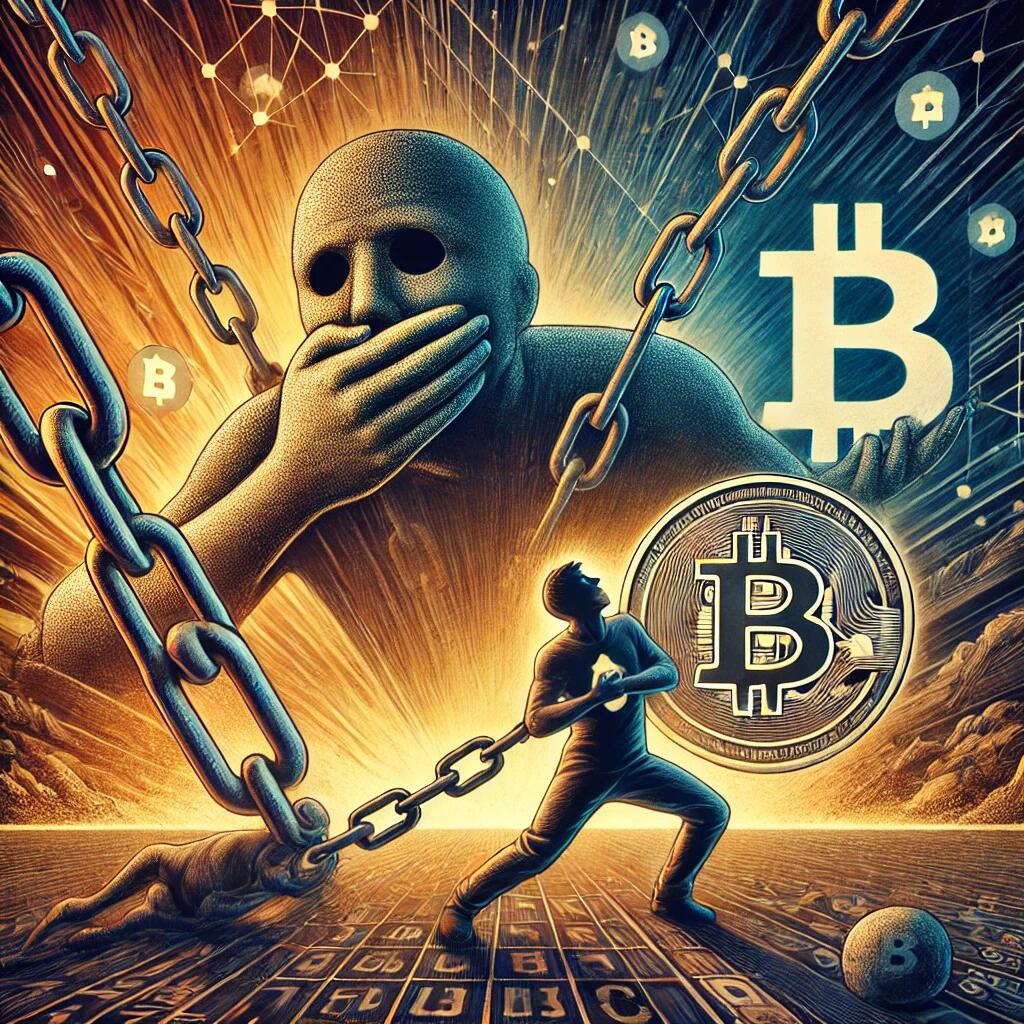
The Battle for Freedom and Sovereignty in the Digital Age
In today's world, a powerful theme has emerged, shaping the course of our history: the struggle for freedom and sovereignty. This battle is being waged on multiple fronts, with two key arenas standing out—the fight for free speech on social media platforms and the conflict over money, particularly the rise of Bitcoin versus traditional fiat currencies. These battles are intrinsically linked, representing a broader struggle between the forces of freedom and sovereignty and those of control and tyranny.
The Battle for Free Speech
Free speech, a cornerstone of democratic societies, has come under intense pressure in the digital age. Social media platforms, once heralded as spaces for open dialogue and the free exchange of ideas, have increasingly become battlegrounds where censorship and control are exerted. The rise of so-called "content moderation" has, in many cases, led to the suppression of dissenting voices, the deplatforming of individuals and groups, and the silencing of narratives that deviate from mainstream perspectives.
This push towards censorship is often justified under the guise of combating misinformation, hate speech, or protecting public safety. However, the reality is that these measures often serve to stifle legitimate debate and suppress ideas that challenge the status quo. The control over what can and cannot be said online is a direct assault on individual freedom and sovereignty, as it places the power to shape public discourse in the hands of a few powerful entities.
The Battle Over Money: Bitcoin vs. Fiat Currency
Parallel to the battle over free speech is the conflict over money, particularly the rise of Bitcoin as a symbol of financial sovereignty. Traditional fiat currencies are controlled by governments and central banks, which have the power to print money, impose capital controls, and even confiscate assets. This centralized control over money has profound implications for individual freedom, as it allows governments to exert control over people’s wealth and, by extension, their lives.
Bitcoin, on the other hand, represents a decentralized alternative to fiat currency. It is immune to government interference, censorship, and seizure, offering individuals a way to store and transfer wealth outside the control of any central authority. Bitcoin’s underlying technology, blockchain, ensures transparency and security, making it a powerful tool for preserving financial sovereignty in an increasingly controlled financial system.
The Link Between Free Speech and Financial Sovereignty
The battles over free speech and money are not isolated from one another; they are deeply interconnected, both symbolizing the broader struggle between freedom and sovereignty on one side, and control and tyranny on the other. In both cases, the central issue is power—who has it, how it is used, and how it impacts individual freedom.
Social media platforms, like governments, can exert control over individuals by determining what can be said and shared. Similarly, control over money allows governments to influence behavior, restrict economic freedom, and undermine financial sovereignty. The rise of Bitcoin and the demand for free speech are both reactions to these forms of control, driven by a desire to reclaim personal sovereignty.
In a world where censorship can stifle dissent and fiat currency can be devalued or seized, the ability to speak freely and control one’s wealth becomes a form of resistance against tyranny. Bitcoin, like free speech, is a tool for preserving individual autonomy in the face of increasing centralization and control. Both represent a challenge to the status quo, offering alternatives that empower individuals and protect their sovereignty.
The Future of Freedom and Sovereignty
As these battles continue to play out, the outcome will shape the future of freedom and sovereignty in our society. The fight for free speech and the rise of Bitcoin are part of a broader movement towards decentralization, where power is distributed rather than concentrated, and individuals have greater control over their lives.
This movement is not without its challenges. Governments and corporations will continue to push for greater control, using the tools of censorship and centralized currency to maintain their power. However, the growing awareness of these issues and the rise of alternatives like Bitcoin offer hope that freedom and sovereignty can prevail.
In the end, the theme of our times is a struggle—a struggle between those who seek to control and those who seek to be free. The battles over free speech and Bitcoin are two fronts in this larger conflict, and their outcomes will determine the balance of power in the digital age. The question is not just who will win, but what kind of world we will live in—a world of freedom and sovereignty, or one of control and tyranny.
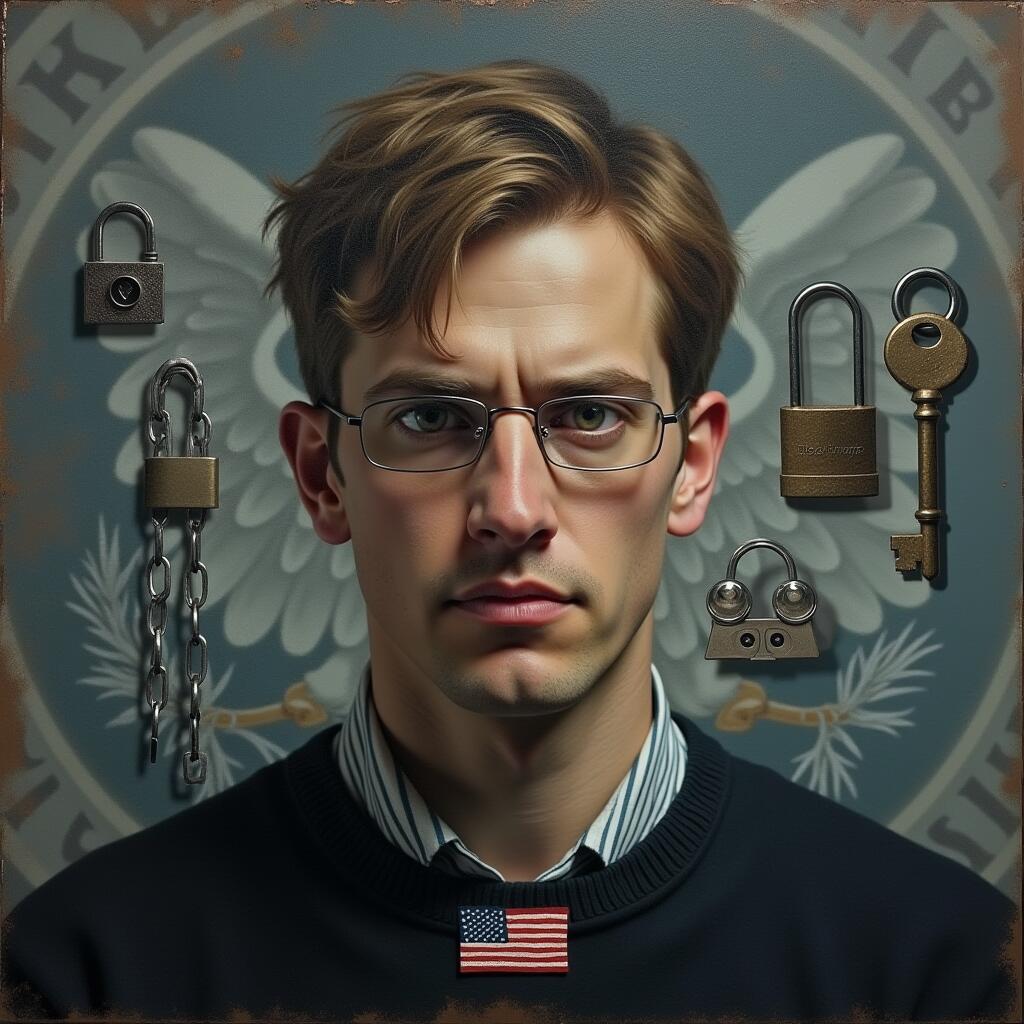
Edward Snowden: The Hero Who Sacrificed Everything for Privacy and Free Speech
(Defenders of Free Speech Series)
Edward Snowden, a former contractor for the National Security Agency (NSA), made one of the most significant and controversial decisions of the 21st century when he blew the whistle on the U.S. government’s secret surveillance programs. In 2013, Snowden, along with journalist Glenn Greenwald, revealed the existence of the NSA's widespread wiretapping and data collection operations, which targeted not only foreign governments and leaders but also millions of ordinary American citizens. The disclosures shocked the world, exposing the extent to which the U.S. government was willing to go to monitor global communications, including those of its own people.
Snowden’s revelations sparked a global debate about privacy, security, and the role of government in the digital age. They also led to significant legal and political repercussions, including a landmark ruling by a U.S. federal court, which found the NSA’s surveillance program to be unconstitutional. Despite this, Snowden remains in exile, unable to return to his home country, the United States. His story is one of immense personal sacrifice, driven by a deep commitment to the principles of privacy and free speech.
The NSA’s Unconstitutional Surveillance Program
At the heart of Snowden’s disclosures was the revelation of the NSA’s secret wiretapping program, which involved the mass collection of telephone metadata and other forms of communication data from around the world. The program, which had been kept hidden from the public and even many members of Congress, was justified by the government as a necessary measure to protect national security in the wake of the September 11 attacks.
However, the scope of the surveillance was staggering. Snowden’s documents revealed that the NSA was not only spying on suspected terrorists and foreign adversaries but also on close allies of the United States, including the leaders of countries like Germany and Brazil. Most disturbingly, the NSA was also collecting data on millions of ordinary Americans, without their knowledge or consent. This included records of phone calls, emails, and internet activity, all of which were being stored and analyzed by the agency.
The legal justification for the program was based on a broad interpretation of the Patriot Act, passed in the wake of 9/11. However, in 2015, a U.S. federal appeals court ruled that the NSA’s bulk collection of telephone metadata was illegal and violated the Constitution. The court found that the program exceeded the authority granted by the Patriot Act and infringed on the privacy rights of Americans, as guaranteed by the Fourth Amendment.
Snowden’s Sacrifice
For revealing these illegal and unconstitutional activities, Edward Snowden paid an enormous price. Faced with the certainty of prosecution under the Espionage Act, Snowden was forced to flee the United States. After a harrowing journey, he eventually found asylum in Russia, where he has lived in exile ever since. Despite the court’s ruling against the NSA, Snowden remains unable to return home, living in a country far from his friends, family, and everything he once knew.
Snowden’s decision to leak the NSA documents was not made lightly. He knew that by doing so, he was putting his career, his freedom, and even his life on the line. But Snowden felt compelled to act after witnessing the Director of National Intelligence, James Clapper, lie under oath to Congress about the extent of the NSA’s surveillance activities. In a 2013 Senate hearing, Clapper was asked whether the NSA collected any type of data on millions of Americans. His response—"No, sir"—was later revealed to be a blatant falsehood.
For Snowden, this was a turning point. He realized that the American people were being deceived about the actions of their government and that something had to be done to expose the truth. In an interview shortly after the leaks, Snowden explained that he was motivated by a desire to inform the public about what was being done in their name, so they could make informed decisions about the kind of government they wanted.
A Privacy and Free Speech Hero
Edward Snowden’s actions have had a profound impact on the global conversation about privacy, surveillance, and the power of the state. His disclosures led to the end of the NSA’s bulk data collection program, as well as significant reforms to U.S. surveillance laws. They also inspired a new generation of privacy advocates and whistleblowers, who have taken up the fight to protect civil liberties in the digital age.
Despite the undeniable good that has come from Snowden’s actions, he continues to be vilified by some in the U.S. government and faces charges that could result in decades of imprisonment if he were to return to the United States. This is despite the fact that the very program he exposed has been declared illegal and unconstitutional by the courts.
Snowden’s supporters argue that he should be recognized not as a traitor, but as a hero—a man who sacrificed everything to uphold the values of privacy and free speech. They contend that Snowden should be granted a full pardon and allowed to return home, where he can continue to contribute to the debate on civil liberties and government power.
The Case for a Pardon
The case for pardoning Edward Snowden is compelling. He did not act out of malice or a desire to harm his country, but out of a deep belief in the principles enshrined in the U.S. Constitution. By exposing the NSA’s illegal activities, Snowden performed a public service, shining a light on government overreach and sparking a necessary debate about the balance between security and liberty.
Moreover, Snowden has already paid a heavy price for his actions. He has spent years in exile, cut off from his home and loved ones, living under the constant threat of arrest and prosecution. Allowing him to return to the United States would not only be an act of mercy but a recognition of the important role that whistleblowers play in holding governments accountable.
Snowden’s story is a powerful reminder of the importance of vigilance in protecting our rights and freedoms. In a time when governments around the world are increasingly seeking to expand their surveillance powers, his example serves as an inspiration to all those who value privacy and free speech.
Conclusion
Edward Snowden’s decision to expose the NSA’s unconstitutional surveillance program was an act of courage that has had a lasting impact on the world. His sacrifice for the sake of privacy and free speech makes him a hero in the eyes of many, and his continued exile is a tragic reminder of the risks faced by those who dare to challenge the status quo.
As the debate over surveillance and civil liberties continues, it is time to recognize Snowden for the service he has done for his country. He should be granted a full pardon and allowed to return home, where he can be celebrated not as a criminal, but as a defender of the fundamental rights that make America a beacon of freedom in the world.
Pavel Durov: The CEO of Telegram and His Battle for Privacy and Free Speech
(Defenders of Free Speech)
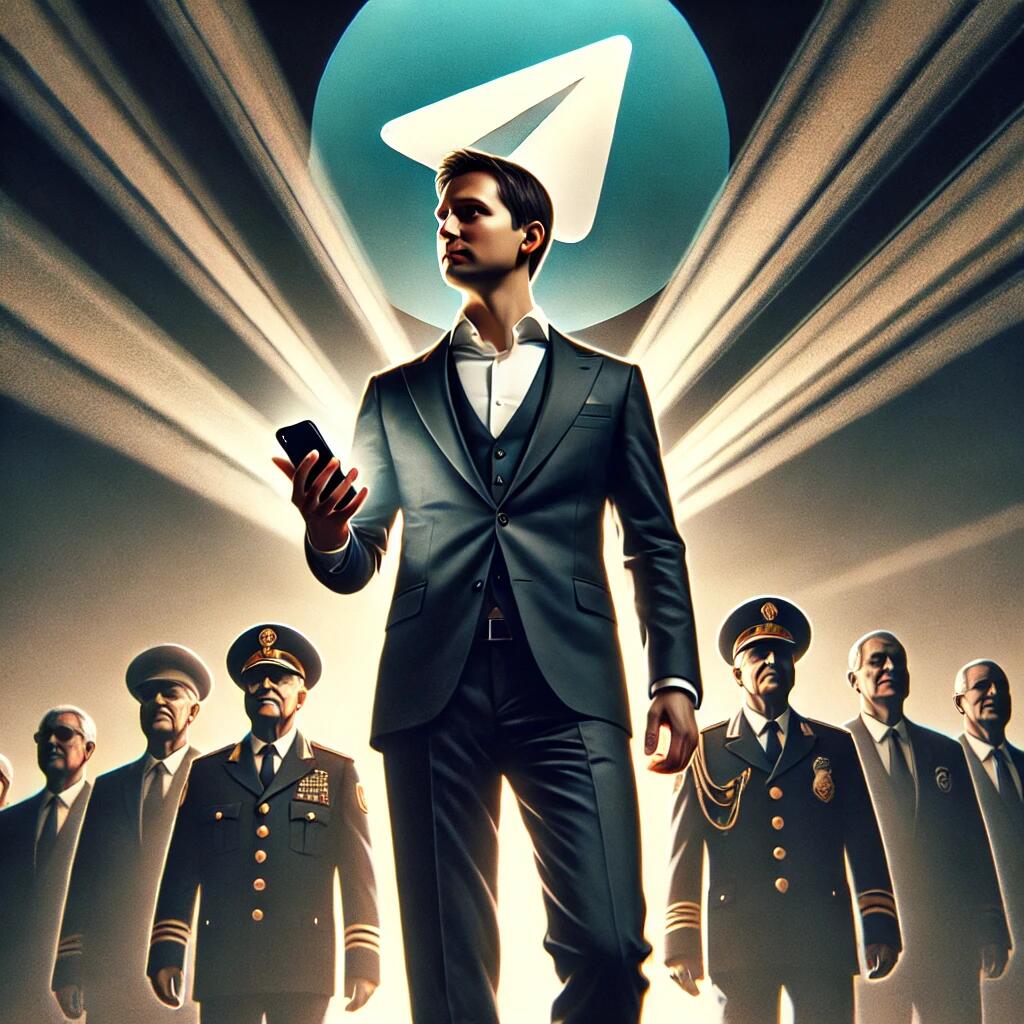
Pavel Durov, the founder and CEO of Telegram, has long been a champion of privacy and free speech in the digital age. Known for his unwavering commitment to protecting users' data from government surveillance, Durov has built Telegram into one of the world’s most secure messaging platforms. However, his dedication to safeguarding privacy has not come without significant personal risk. Recently, Durov was arrested in France, facing charges that threaten to undermine his mission to protect the privacy of Telegram’s millions of users around the globe.
The Arrest in France
In a shocking turn of events, Pavel Durov was arrested at Bourget Airport in France on August 24, 2024. The arrest followed a tense period in which Telegram had become a focal point for governments seeking to clamp down on encrypted communications. Durov was detained under accusations related to his refusal to cooperate with government demands for access to user data and his steadfast defense of privacy. These demands stemmed from various countries’ concerns over the use of Telegram by groups and individuals that these governments label as dangerous.
Durov’s arrest was met with widespread condemnation from privacy advocates and free speech defenders, who saw it as a blatant attempt to punish him for his principles. After being held in custody, Durov was eventually released on bail, but the charges against him remain, and his battle to clear his name and continue his work is far from over.
The Importance of Privacy for Free Speech
At the heart of Durov’s legal troubles is his commitment to protecting the privacy of Telegram’s users. In an era where governments around the world are increasingly using surveillance to monitor communications, Durov has positioned Telegram as a fortress of privacy. The platform’s end-to-end encryption ensures that only the sender and recipient can read messages, making it nearly impossible for third parties—including governments—to access users’ private conversations.
Durov has consistently argued that privacy is essential for free speech. Without the assurance that their communications are secure, individuals may be reluctant to express themselves freely, particularly in repressive environments where dissenting voices are at risk of persecution. By protecting privacy, Durov believes he is also defending the fundamental right to free speech, allowing people to communicate openly without fear of government intrusion.
This philosophy has made Telegram a critical tool for activists, journalists, and everyday citizens in countries where freedom of speech is under threat. However, it has also made Telegram a target for governments that view such privacy measures as a threat to their ability to maintain control.
The Charges Against Durov
The charges against Pavel Durov are rooted in his refusal to comply with government requests for access to Telegram’s encrypted data. These requests have come from various countries, including those with authoritarian regimes as well as democracies concerned about national security. Durov’s refusal to compromise on his principles has led to accusations that he is obstructing justice and enabling criminal activity.
Critics of the charges argue that Durov is being punished for standing up for the rights of his users. They contend that the demands for data access are part of a broader effort by governments to erode privacy rights and increase their surveillance capabilities. Durov’s arrest, they argue, is a dangerous precedent that could discourage other tech leaders from defending user privacy.
The Fight for Freedom
Now out on bail, Pavel Durov faces an uphill battle as he fights the charges against him. His legal team is preparing to challenge the accusations, arguing that Durov’s actions were motivated by a desire to protect fundamental human rights, not to aid criminal activities. The case is likely to draw significant international attention, as it touches on critical issues of privacy, free speech, and the power of governments to monitor and control digital communications.
Durov’s supporters argue that his arrest is not just an attack on him personally, but on the broader principles of privacy and free speech. They warn that if Durov is convicted, it could lead to a chilling effect on the tech industry, where other companies might be forced to compromise on user privacy in order to avoid similar legal repercussions.
Despite the challenges he faces, Durov remains resolute in his commitment to protecting privacy and free speech. In a statement following his release on bail, he reaffirmed his belief that privacy is a fundamental right and that Telegram will continue to stand as a beacon for those who value secure, private communications.
Conclusion
Pavel Durov’s arrest in France highlights the growing tensions between governments and tech companies over issues of privacy and free speech. As the founder and CEO of Telegram, Durov has made it his mission to protect users’ data from surveillance, even when it puts him at odds with powerful governments. His arrest is a stark reminder of the risks faced by those who dare to defend privacy in an increasingly monitored world.
As Durov prepares to fight the charges against him, his case will be watched closely by privacy advocates, tech leaders, and free speech defenders around the world. The outcome will have significant implications not just for Durov and Telegram, but for the future of digital privacy and the right to free expression in the digital age.
Chris Pavlovski: The CEO Behind Rumble and the Fight for Free Speech
In a world where online platforms are increasingly being pressured to censor content, Chris Pavlovski, the CEO of Rumble, has emerged as a formidable champion of free speech. Under his leadership, Rumble has positioned itself as a strong competitor to YouTube, offering a platform where content creators can express their ideas without the looming threat of censorship. Pavlovski's commitment to creating an open and free video-sharing platform has not only challenged the status quo but also led to significant legal battles, particularly against the tech giant YouTube, which has been accused of anti-competitive practices aimed at suppressing Rumble.
The Birth of Rumble: A Platform for Free Expression
Rumble was founded in 2013 by Chris Pavlovski with a clear mission: to provide an alternative to YouTube, a platform that has been increasingly criticized for its censorship policies. As YouTube became more stringent in its content moderation, often demonetizing or outright removing videos that didn’t align with its community guidelines, many creators began searching for alternative platforms where they could share their content freely. Rumble answered that call.
Pavlovski envisioned Rumble as a censorship-free platform that would allow content creators to thrive without the constant fear of being silenced. From political commentators to independent journalists, Rumble has become a haven for those who value the freedom to express their opinions without interference from corporate or governmental entities. This commitment to free speech has resonated with millions of users, propelling Rumble into the spotlight as a serious contender in the video-sharing space.
Legal Battles with YouTube: The Fight Against Anti-Competitive Practices
As Rumble grew in popularity, it inevitably caught the attention of YouTube, the dominant player in the video-sharing market. However, instead of fostering healthy competition, YouTube has been accused of engaging in anti-competitive practices designed to suppress Rumble’s growth. One of the most significant allegations is that YouTube manipulated its search algorithms to favor its own content while burying videos from Rumble in search results. This practice not only hurt Rumble’s visibility but also stifled the platform’s ability to attract new users and creators.
In response to these practices, Rumble, under Pavlovski’s leadership, took the bold step of filing a lawsuit against YouTube, accusing the tech giant of violating antitrust laws. The lawsuit alleges that YouTube’s actions are a deliberate attempt to maintain its monopoly in the video-sharing market by unfairly disadvantaging competitors like Rumble. The case has garnered significant attention, as it highlights the broader issue of Big Tech’s dominance and the need for a level playing field in the digital space.
Pavlovski’s decision to take on YouTube in court is a testament to his unwavering commitment to free speech and fair competition. By challenging YouTube’s anti-competitive practices, Pavlovski is not only defending Rumble’s right to exist but also advocating for the rights of all content creators who seek a platform where their voices can be heard without suppression.
Rumble’s Rise as a Free Speech Platform
Despite the challenges posed by YouTube’s anti-competitive tactics, Rumble has continued to grow under Pavlovski’s leadership. The platform’s user base has expanded rapidly, with millions of people flocking to Rumble to watch and create content. Unlike YouTube, Rumble has built its reputation on allowing a wide range of viewpoints to be shared, fostering a diverse community where ideas can be debated openly.
Rumble’s commitment to free speech extends beyond just allowing content to be posted. The platform has also taken steps to ensure that creators can monetize their content without fear of being demonetized for expressing controversial opinions. This approach has attracted many high-profile creators who have faced censorship on other platforms, further cementing Rumble’s status as a haven for free speech.
The Road Ahead: Defending Free Speech in the Digital Age
Chris Pavlovski’s journey with Rumble is far from over. As the platform continues to grow, it will undoubtedly face new challenges, both from competitors and from those who seek to impose censorship on online content. However, Pavlovski’s track record shows that he is more than capable of leading Rumble through these challenges.
His commitment to free speech, coupled with his willingness to take on tech giants like YouTube, has made Pavlovski a key figure in the fight to preserve open dialogue on the internet. In an era where Big Tech’s influence over online discourse is stronger than ever, Rumble’s success under Pavlovski’s leadership offers hope to those who believe in the importance of free expression.
As Rumble continues to carve out its place in the video-sharing market, Chris Pavlovski remains dedicated to his original mission: providing a platform where free speech can thrive, and where content creators can share their ideas without fear of censorship. His efforts have not only created a viable alternative to YouTube but have also sparked important conversations about the role of free speech in the digital age.
Conclusion
Chris Pavlovski’s leadership of Rumble represents a bold stand for free speech in a time when it is increasingly under threat. Through legal battles, strategic growth, and an unwavering commitment to open dialogue, Pavlovski has positioned Rumble as a leading platform for those who value the freedom to express their ideas. As Rumble continues to grow and challenge the dominance of censorship-friendly platforms like YouTube, Pavlovski’s vision of a censorship-free internet remains a guiding light for the future of online discourse.
Disclosure: I hold a small equity position in Rumble.


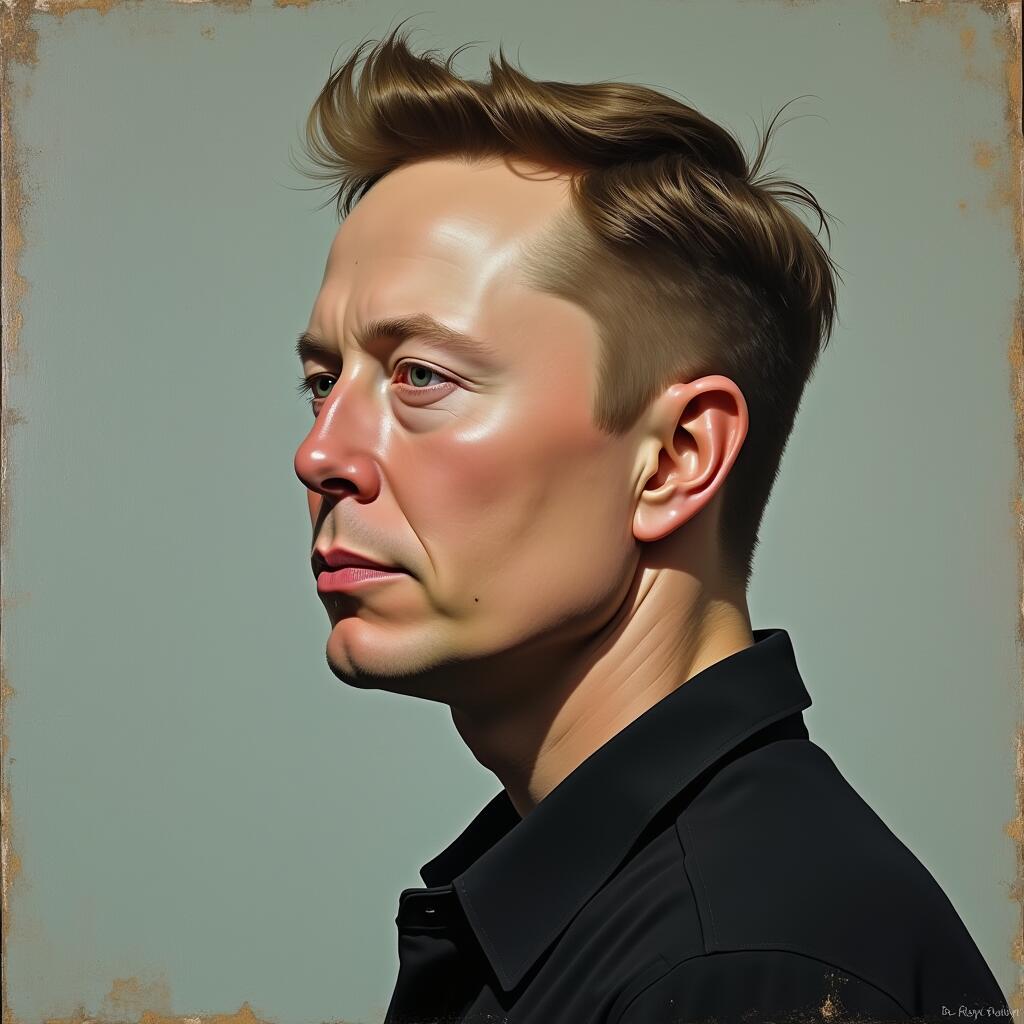
Elon Musk: The Relentless Defender of Free Speech
(Defenders of Free Speech Series)
Elon Musk, the billionaire entrepreneur and visionary behind companies like Tesla and SpaceX, has become one of the most prominent defenders of free speech in the digital age. His journey in this role has been anything but easy, marked by fierce battles with governments, regulatory bodies, and even public opinion. Through it all, Musk has remained resolute in his commitment to fostering an open and free exchange of ideas, a commitment that has seen him take on significant risks, including his controversial purchase of Twitter, now rebranded as X.
The Battle with the European Union
One of Musk's most high-profile confrontations has been with the European Union. The EU has long been at the forefront of implementing stringent regulations on digital platforms, particularly concerning content moderation and the suppression of what they consider "harmful" speech. These regulations, while often framed as necessary to combat misinformation and hate speech, have been criticized for infringing on the rights of free expression.
Musk has made it clear that he will not bow to the EU’s demands for stricter censorship. Under his leadership, X has resisted implementing the level of content control that the EU desires, instead advocating for a platform where legal speech is allowed to flourish, even if it’s controversial. This stance has put Musk in the crosshairs of EU regulators, who have threatened fines and legal actions against X. Despite these pressures, Musk has not wavered, continuing to champion the idea that the cure for bad speech is more speech, not censorship.
Victim of Lawfare in the United States
In the United States, Musk has faced what can be described as "lawfare"—the use of legal systems and regulations to attack an opponent, often for political or ideological reasons. His refusal to censor content on X has led to a barrage of lawsuits and legal challenges. Some of these cases have been driven by individuals and organizations seeking to hold Musk accountable for the actions of users on his platform, attempting to paint him as complicit in the spread of misinformation or harmful content.
These legal battles are part of a broader effort to pressure Musk into moderating X more aggressively. However, Musk has stood firm, often taking to interviews and social media to defend his stance. He has repeatedly warned of the dangers of allowing legal systems to be used as tools of censorship, arguing that such actions not only threaten free speech but also set dangerous precedents for the future of open discourse in the digital age.
Ongoing Struggles with Brazil and Venezuela
Musk's commitment to free speech has also put him at odds with governments outside of the United States and the EU, notably in Brazil and Venezuela. In Brazil, Musk has been in a tense standoff with the government over content moderation policies. The Brazilian government, led by figures who see social media as a threat to their power, has sought to impose strict controls on platforms like X. Musk’s resistance to these demands has made him a target of intense scrutiny and potential legal action in the country.
In Venezuela, Musk’s platform has become a battleground for information warfare. President Nicolás Maduro’s regime, known for its authoritarian control over media and information, has tried to clamp down on dissenting voices on X. Musk’s refusal to censor opposition voices has made X a rare platform where Venezuelans can freely express their views, much to the ire of Maduro’s government.
The Risky Acquisition of Twitter (Now X)
Perhaps the most significant chapter in Musk’s battle for free speech was his decision to purchase Twitter, rebranding it as X. This acquisition was seen by many as a risky move, not just financially but also reputationally. Twitter, at the time of purchase, was embroiled in controversies over its content moderation policies, with many users and commentators accusing the platform of heavy-handed censorship.
Musk’s vision for X was clear from the outset: to create a platform where the free exchange of ideas could occur without fear of unjust censorship. He took the bold step of reinstating accounts that had been banned for their views, including individuals whose speech he personally disagrees with. Musk’s philosophy has always been that as long as speech is within the bounds of the law, it should be allowed, regardless of how controversial or unpopular it may be.
This commitment to free speech has not come without its challenges. X has faced boycotts from advertisers, criticism from media outlets, and backlash from various political groups. Yet, Musk has remained undeterred, frequently engaging in public discussions and interviews where he articulates the importance of protecting free speech. He warns that the alternative—censorship and control—leads to a society where only the most powerful voices are heard, and dissent is silenced.
A Relentless Advocate for Free Speech
Elon Musk’s battle for free speech is far from over. As governments and organizations around the world continue to push for greater control over digital platforms, Musk stands as a prominent defender of the First Amendment and the right to free expression. His efforts to maintain X as a platform for open dialogue, despite immense pressure, highlight the importance of having spaces where all voices can be heard.
Musk’s commitment to free speech is not just about protecting the rights of individuals; it’s about safeguarding the very foundation of democracy. In interview after interview, Musk has made it clear that the ability to express ideas, debate, and challenge authority is what drives progress and innovation. Without these freedoms, society risks stagnation and regression.
Elon Musk’s journey as a defender of free speech serves as a reminder of the importance of standing up for fundamental rights, even when it’s difficult. His actions have ensured that millions of people around the world continue to have a platform where they can speak their minds, share their ideas, and participate in the global conversation without fear of censorship. For this, Musk has earned his place as one of the most important advocates for free speech in the digital age.
Andrew Torba and Gab: Defenders of Free Speech in a Challenging Era
(Defender of Free Speech Series)
In a world where free speech is increasingly under attack, Andrew Torba and Gab have emerged as steadfast defenders of the First Amendment. Torba, the CEO and founder of Gab, has faced countless challenges in his mission to create a platform where all voices can be heard without fear of censorship. Despite relentless pressure from governments, corporations, and activist groups, Torba has persevered, guided by his unwavering faith and commitment to free speech.
The Struggles of Defending Free Speech
Since its inception, Gab has been a beacon for those who value open expression. However, the path has not been easy. Gab has been banned from app stores, payment processors, and even certain banks due to its refusal to bow to censorship demands. These challenges are not unique to Gab; they are part of a broader trend where platforms that prioritize free speech are targeted by those who seek to control the narrative.
One of the most recent examples of this assault on free speech is the arrest of Pavel Durov, the CEO of Telegram, in France. Like Torba, Durov has been a vocal advocate for user privacy and free expression, resisting government attempts to access user data. His arrest is a stark reminder of the risks faced by those who stand up for digital freedom.
Gab, too, has faced its share of threats. From bomb threats against Torba's family to relentless attacks in the media, the platform has been under siege. Yet, through it all, Torba has remained committed to his mission, refusing to compromise on his principles. His faith in God has been a source of strength, helping him to navigate these trials and continue his fight for free speech.
The Importance of User Support
The survival of platforms like Gab depends not just on the determination of their founders, but on the support of their users. Torba has been clear about the financial realities of running a free speech platform. Without the backing of a dedicated user base, Gab would not be able to maintain its operations and continue providing a space for uncensored discourse.
This is where the concept of a patronage network becomes crucial. By directly supporting platforms like Gab through donations, subscriptions, and purchases, users can ensure that free speech has a fighting chance in the digital age. Torba has often pointed out the irony that people are willing to spend large sums on cable bills or daily coffee but hesitate to invest in platforms that protect their rights.
Perseverance Through Faith
What sets Andrew Torba apart from many other tech CEOs is his deep faith and the role it plays in his leadership. He has often spoken about how his relationship with God and his family has grown stronger through the trials he has faced. Torba sees his mission to defend free speech as not just a business endeavor, but a calling.
Gab’s growth and resilience, despite the odds, are a testament to the power of perseverance and faith. The platform now has millions of unique visitors each month, providing a space for voices that are often silenced elsewhere. This success is a direct result of Torba’s unwavering commitment to his principles and his belief that free speech is worth fighting for, no matter the cost.
Conclusion
Andrew Torba’s journey with Gab highlights the immense challenges faced by those who dare to defend free speech in today’s world. From governmental pressures to corporate boycotts, the obstacles are numerous. Yet, with faith as his guide, Torba has not only survived but thrived, turning Gab into a powerful platform for free expression.
As users, it is our responsibility to support platforms like Gab if we want to preserve the fundamental right to free speech. This support is not just financial; it is also about standing in solidarity with those who fight to protect our freedoms. In a world where censorship is on the rise, voices like Torba’s are more important than ever.
Disclosure: I am a shareholder in Gab.