
We often assume that early humans, due to the lack of advanced technology, were unlikely to engage in long-distance travel. However, this perspective seems to have a critical flaw. If we consider East Africa as the starting point of humanity, wouldn’t the spread of humans to other regions have required extensive migration? Especially during the pre-agricultural era, when humans lived a nomadic lifestyle.
In contrast, modern humans, even when traveling abroad, mostly visit developed cities to indulge in the allure of consumerism. Moreover, trips are rarely extended for long periods, as we are still bound by the chains imposed by the First and Second Industrial Revolutions—namely, work. Perhaps early humans possessed a broader worldview than we do today.
依照柯建銘說的,「任何人投給劉靜怡就開除黨籍」。那麼現在是柯建銘要開除賴清德黨籍,還是賴清德要開除柯建銘黨籍?
或是蔡英文開除賴清德黨籍,還是賴清德開除蔡英文黨籍?我沒有在胡言亂語,「蔡賴鬥」正在上映......
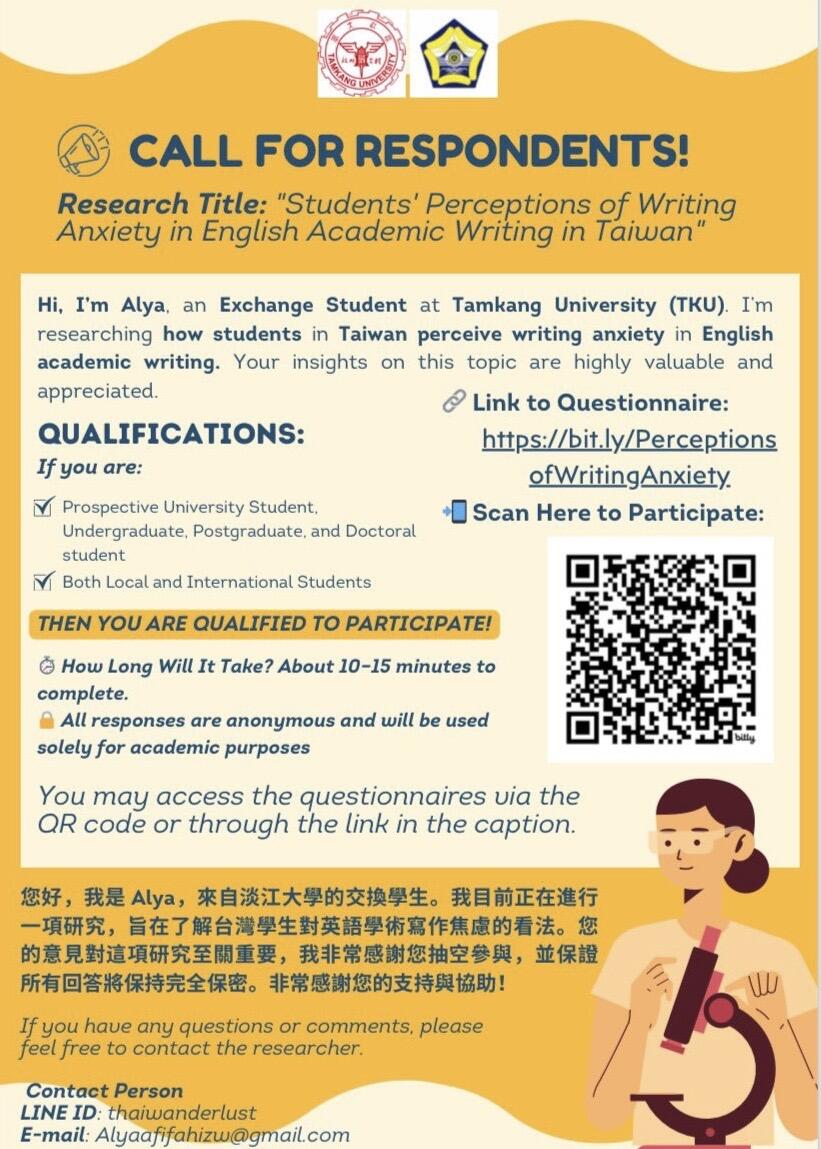
這是我在研究所裡認識來自印尼🇮🇩的同學Alya,她正在進行一個有關於台灣學生對英語學術寫作焦慮的研究。如果你對此有想法,麻煩你填寫這份問卷🙏🏻
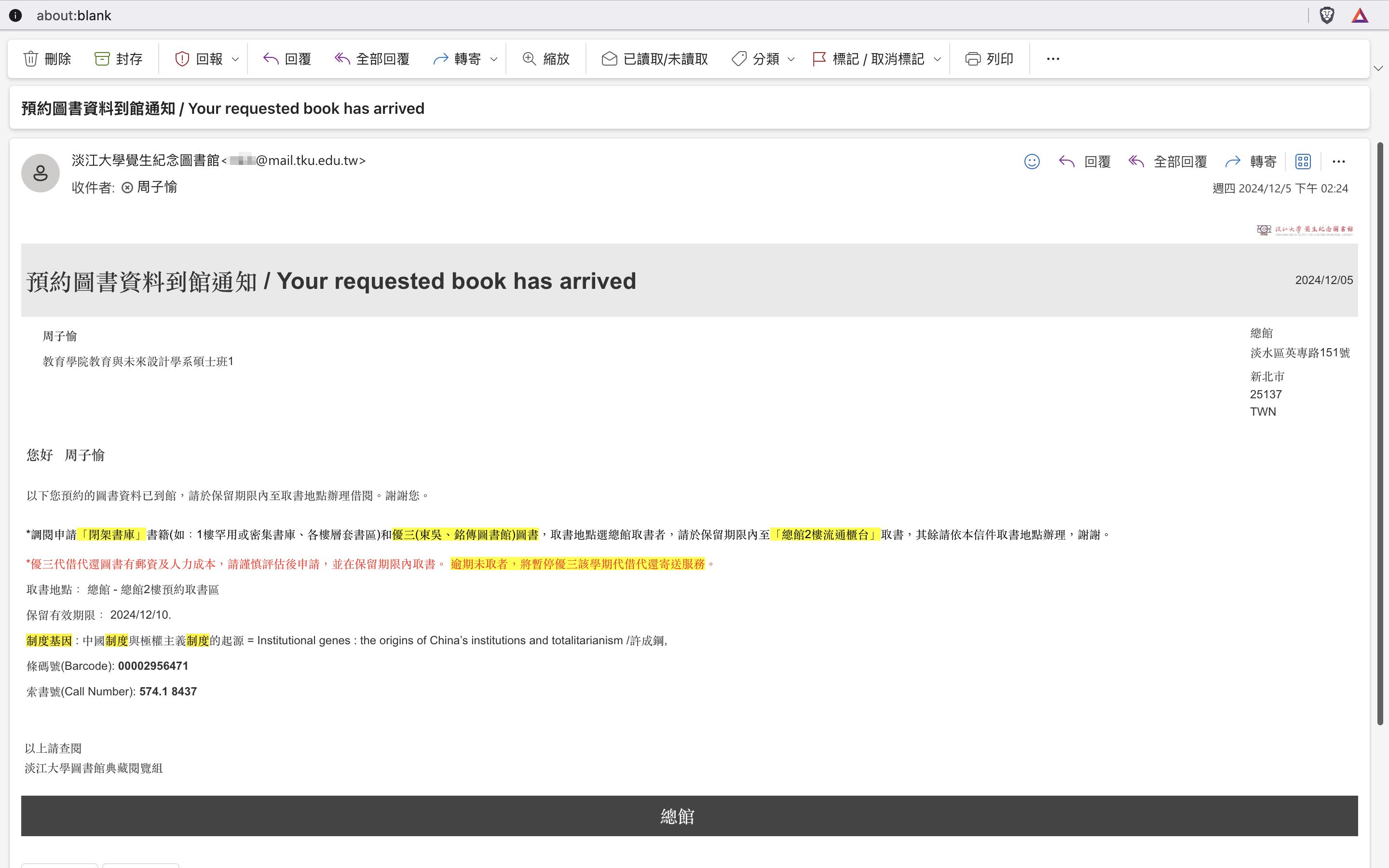
在十月份時,因為看了 dasheng.media 的CEO 吳薇專訪許成鋼教授的影片,我知道了許教授將會出版《 #制度基因 》這本非常重要的書籍。
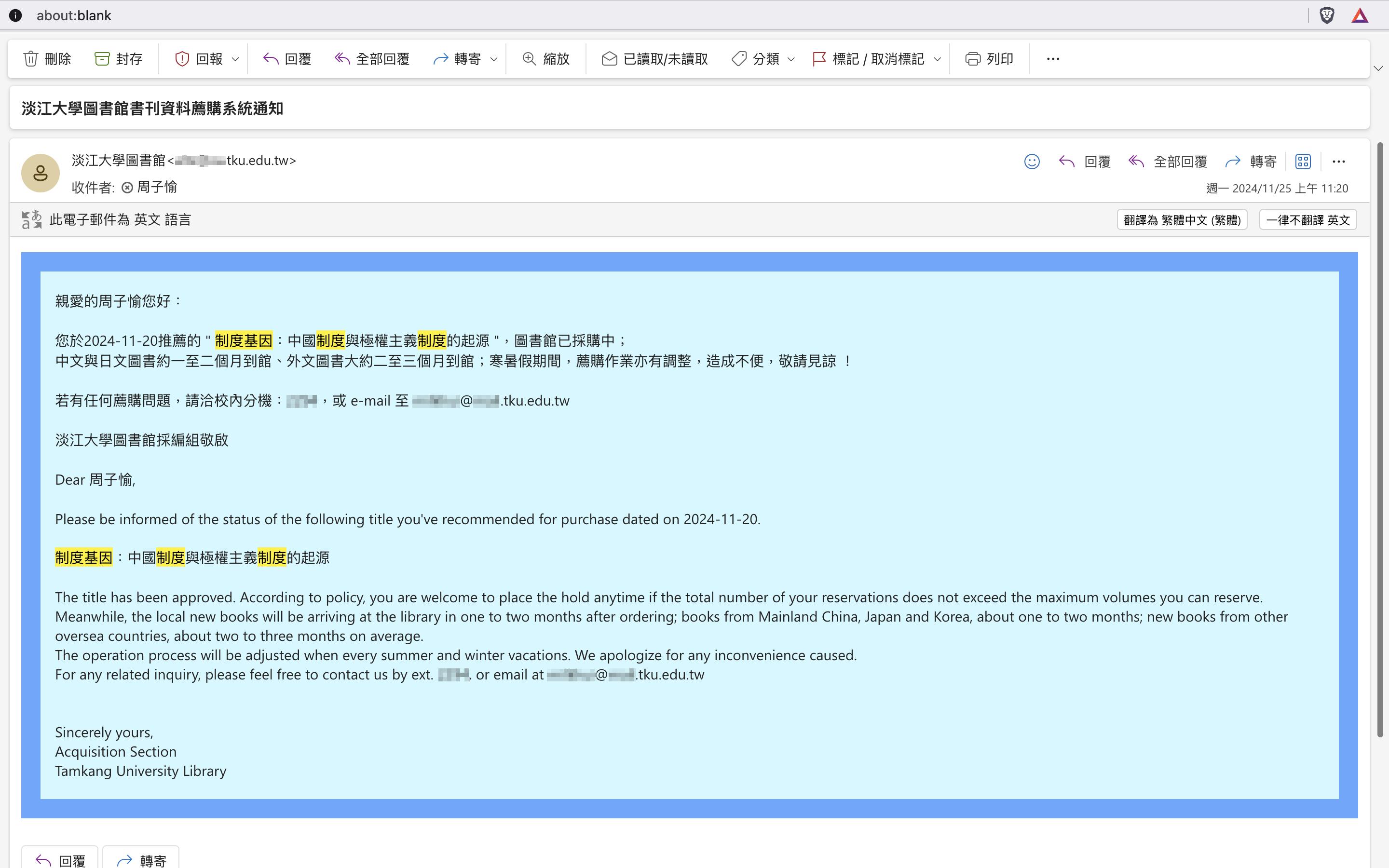
許教授被視為與Douglass North、János Kornai、Ronald Coase等經濟學家的,以制度、人文、歷史與市場的發展為基礎,真正繼承亞當斯密的「新制度學派」。特別向我目前就讀的 #淡江大學 圖書館推薦收藏這本書,很快地學校就批准並且添購。
我很期待看這本書,並和大家分享我的看法。 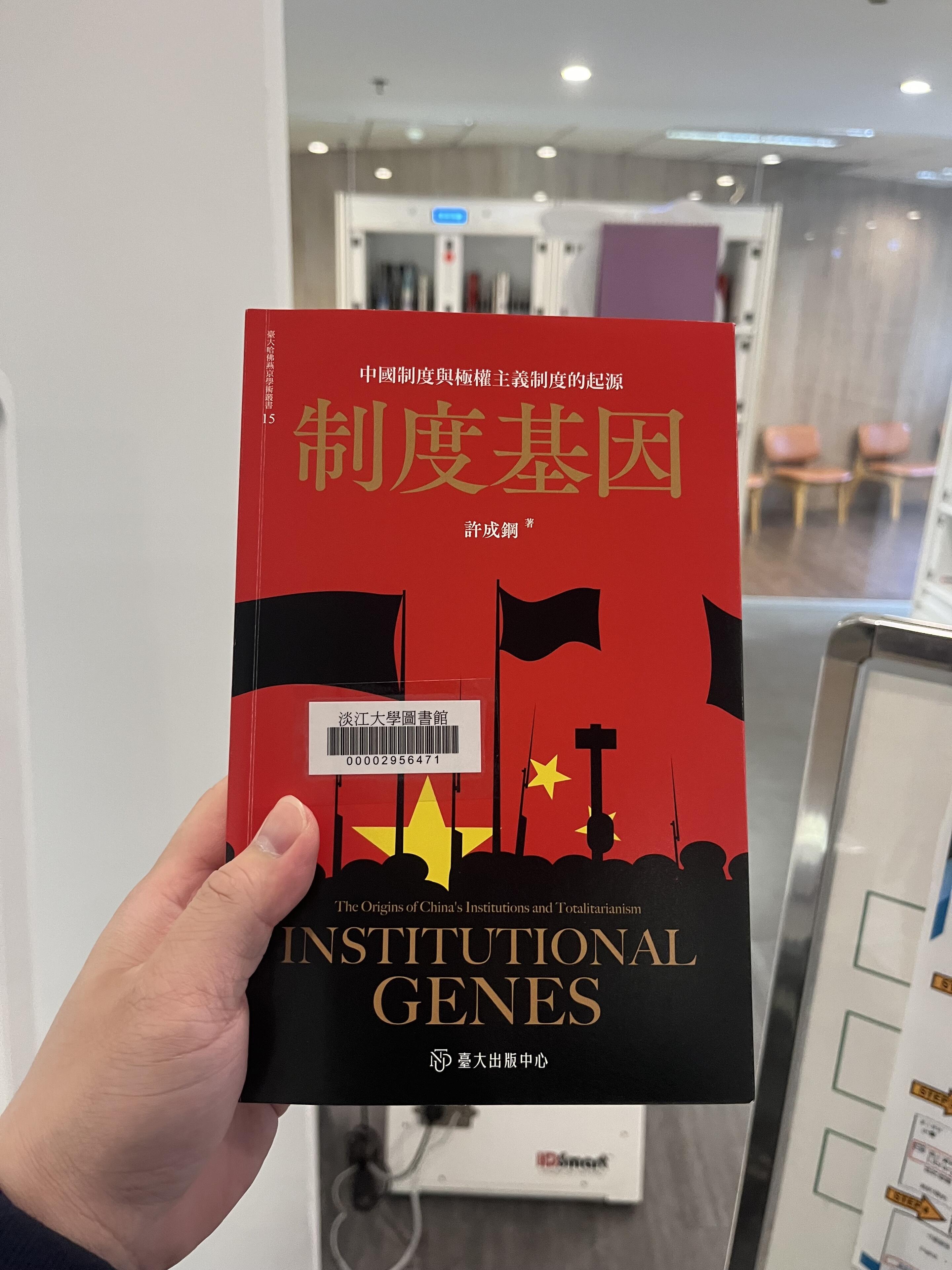
Before the 2000s, most companies overlooked a people-centered approach, and managers often lacked humane leadership. Growing up under the influence of postmodernist thought (even though I was born in the late 1990s), we have developed a disdain for authority, centralization, and rigid structures. We are not robots programmed to simply obey and conform; rather, we value respect and, more importantly, emotional significance. We care about whether the workplace environment is “toxic” to us or whether it fosters mutual growth and shared benefits.
在2000年代以前,大多數公司忽略了以人為本的出發點,主管也欠缺人性化的領導。特別是作為後現代主義思想下成長的我們(儘管我是1990年代末出生),對於權威、中心化、結構化的鄙視。我們不是機器人,不會選擇聽話與順從,更多的是需要獲得尊重,也就是情緒價值。我們會在乎職場環境是否對自己「有毒」,還是能夠相互成長,並相互獲益。
Beyond better salary packages, I believe that the generation born after 2000 places significant emphasis on whether a company can provide a sense of accomplishment and whether they can feel proud to represent it. Earning recognition, achieving personal fulfillment, and fostering a win-win relationship with the company are essential elements of the modern workplace. It’s no longer acceptable to endure supervisors with unstable emotions or deal with chaotic, disorganized directives from management.
除了較好的薪資待遇外,我認為2000年後出生的世代,特別注重對於一間公司是否能帶給自己成就感,以及我是否以代表這間公司的自豪感。獲得肯定與成就,且與公司形成雙贏模式,才是新型態的工作職場環境必備的,而不是需要天天忍受主管不穩定的情緒,以及來自上頭亂無章法的命令。
On social media platforms, we often prefer to share the best versions of ourselves rather than our worst or most vulnerable sides. We use these platforms to promote and package ourselves, but not to reveal our true, unfiltered selves. The latter is something only those with whom we share a “deep connection” truly get to know.
在社群平台上,我們往往總是喜歡與人分享自己最好的一面,而不是自己最糟糕與最脆弱的一面。我們利用了平台宣傳自己,包裝自己,但不是赤裸的自己。而後者只有與你產生「深度關係」的人才會知道。
In a utilitarian society, we tend to quantify everything. Quantification gives us a sense of security by making the intangible tangible. However, this approach overlooks the fact that emotions—what I like to call feelings—cannot be fully expressed through quantification. Often, we can’t even find the right words for qualitative expressions of these emotions. Out of unfamiliarity or insecurity, we choose to suppress them instead.
在功利主義的社會里,我們喜歡把一切事物都「量化」。因為「量化」讓我們把無法觸摸的變成可觸摸的,讓我們感到安心。但,這樣的做法其實忽略了,情緒是無法完全用量化表達的,因為很多時候連質化的表達都找不到那樣對應的詞彙。因為不熟悉、不安全,我們選擇最好壓抑著。
Earlier, I received a professional certification as the journalist of the Economic and Political Media on #Dedao, the Chinese knowledge service platform.
https://m.igetget.com/native/mine/account#/user/detail?enId=A9mo2X7qLaD1z2v0yKn1Q4J0GkY6be https://nostrcheck.me/media/6ccc44463734deb4d715ac4c51dc49aac23f2a11b3e4e7cde97b1098293261b6/dcd7c8dff95fb24bf9995af44ca629672b314794cdd711c7714a8501a21d7361.webp
Thank you all!
Listen to the songs I wrote with AI on #Spotify :
https://open.spotify.com/artist/6j7nu3OM51aPO3OO3pcqZE https://nostrcheck.me/media/6ccc44463734deb4d715ac4c51dc49aac23f2a11b3e4e7cde97b1098293261b6/b13d94ae12ec12f5e82f1126b61cb5a935563244a1fbb510482d0c76c6d66a7a.webp
#Taiwan won the U-12 World Cup Baseball Championship! https://nostrcheck.me/media/6ccc44463734deb4d715ac4c51dc49aac23f2a11b3e4e7cde97b1098293261b6/fd02951914bafe127ec79041c1b9556c73f9960670e34dc8d96377f93d1ffcea.webp