


As I often do, I made a poll on the fediverse about two concepts I am interested in: Big Fedi versus Small Fedi. Although I think these are interesting topics, I couldn’t come up with exact summations of what the “Big Fedi” and “Small Fedi” positions are. So, I wanted to write down what I could here.
The fediverse, in this case, is an internetwork of social networks. It works a lot like email; you can have an account on one network and follow, message, and react to people (or bots) on other networks. The biggest software tool for making fediverse networks is Mastodon; there are a lot of other Open Source servers for setting up nodes. There are also some proprietary nodes — Meta Threads and Flipboard are two of the biggest.
The following are some clusters of ideas that I think coalesce into “Big Fedi” and “Small Fedi”. I haven’t been able to tie them all back to some fundamental principle on either side. Big Fedi
The “Big Fedi” position is a set of ideas that roughly cluster together. Not everyone who agrees with one or a few of these agrees with them all, but I think they tend to be related.
The fediverse should be big. Real big. Like, everyone on the planet should have an account on the fediverse. It will make the internet better and the world better.
We should make choices that help bring the fediverse to new people. Because the fediverse should be big, we should be doing things to make it bigger; in particular, to bring it to more people.
There should be a lot of different account servers. (I’m using “account servers” instead of “instances” or “servers”.) It’s good to have a lot of choice, with a lot of different parameters: software interfaces, financial structure, what have you.
Commercial account servers are welcome. This variety includes commercial services. If they provide the right mix of features and trade-offs that certain people want, it’s good to have them, especially if they have a lot of users.
Moderation can be automated. Shared blocklists, machine learning, and other tools can be used to catch most of the problematic interactions on the fediverse.
Account servers can be big. It doesn’t matter how big they are: 1M, 10M, 100M, 1B people is fine.
The fediverse should have secondary services. In order to grow, we need secondary services, like people-finders, onboarding tools, global search, bridges, and so on.
The individual is central. People should be able to set up their environment how they like, including their social environment. They have the tools to do that. The account server may set some parameters around content or software usage, but otherwise it’s mostly a dumb pipe.
Connections should be person-to-person. The main social connection is through following someone. Building up this follow graph is important.
People I care about should be on the fediverse. I have a life outside the fediverse — friends, family, colleagues, neighbours. My governments, media, celebrities, sports figures, leaders in my industry. It would be good to have more of those people on the fediverse, so I can connect to them.
People should get to make choices about their account server. Everybody has different priorities: privacy, open source, moderation, cost, stability, features. We can all make our own choices about the account server we prefer.
It should be possible to have ad-free account servers. Technically and culturally, we should be able to set these up.
It should be possible to have Open Source account servers. People who prefer free network services should be able to run them and use them.
It should be possible to have algorithm-free account servers. You should be able to just follow things reverse chronologically.
It should be possible to have individually-run account servers. A normal technically-minded person should be able to run their own account server for themself, friends, their household, or even for a larger communty.
Harms that are mostly kept to account servers are up to people on those servers to solve. Good fences make good neighbours. If things become unbearable, people can move servers somewhat frictionlessly.
Affinity groups should stretch beyond account server boundaries. Groups, lists, and other social network features are important and should be fully federated. They should provide a lot of features.
There may be some harm that comes with growth; we can fix it later. We’re going to find problems as we go along. We can deal with them as we come to them.
The fediverse is going to look very different over time. The way things work now are not how they’re going to be 1, 3, 5, 10 years from now. Especially as the fediverse grows, different structures and ways of working are going to develop.
Open standards are important. By having public, open standards available through big standards organizations, we gain the buy-in from different account network operators to join the network. We definitely don’t have time to negotiate bilateral agreements; we need solid standards.
Variety in types of account server operators is good. Different people have different needs and tolerances. If we want to have more people, we need to cater to those different needs with different account servers.
Existing organizations can and should provide account servers. Not just existing tech companies; also businesses providing servers for their employees, universities for students, cities or other governments for their citizens.
Existing services, even if they’re bad, will become somewhat better if they have fediverse features. People on those services will get to connect with a variety of new people. They’ll find out about the fediverse, and might move to another account server, or try something else new.
It’s more important to bring good people to the fediverse than keep bad people off it. More people is good, and the people I care about on other networks are also good. There may be some bad people, too, but we’ll manage them.Small Fedi
Here is a rough cluster of ideas that I’d call “Small Fedi”. Again, not everyone who agrees with one or two of these agrees with all of them.
The fediverse should be safe. Safe from harassment, safe from privacy violations.
Growth is not important. We’ve gotten along this long with a small fediverse. It’s OK how it is, so growth is not important. Growth is a capitalist mindset.
People who aren’t on the fediverse don’t matter as much as people who are. Their needs, at least. When discussing the future of the fediverse, we don’t need to talk about people on other networks much at all.
If people want to get on the fediverse, they can join an existing account server. We don’t need to bring new account servers to the fediverse; there are a lot already. People who really care about getting on the fediverse can join an existing account server, or set up their own. If they’re not willing to do this, they’re probably not that interested in the fediverse, so why should we bother trying to connect to them?
If growth could cause harm, we either should fix the problem before growing, or we shouldn’t grow. We should examine opportunities carefully, but by default we should say no.
Commercial account servers are discouraged. Most commercial services do harm. Even if they’re on the fediverse, they’re going to try to do harm to make more money. So, they should be avoided as much as possible.
Secondary services can cause harm and should be severely limited if allowed at all. People search and content search can be used for privacy invasion or harassment. Shared blocklists can be manipulated to cause echo chambers. Machine learning can be biased. Onboarding services favour big account servers. They should be discouraged or, preferably, closed.
The account server is central. Moderation decisions, cultural decisions, account decisions, most social decisions should happen at the account server level.
Account servers are the primary affinity group. You should find an account server that feels like home. Any other groups are less important.
Feeds like “fediverse” and “local” are important. There is a public community of account servers that your account server connects to, and the public feed from that community is important. You might use it more often than your home feed. Your local feed is also important, because your account server is a group you belong to.
Moderation should be primarily by hand. The courage and wisdom necessary to make most moderation decisions can only be managed by hand. Automated tools can be manipulated.
Account servers must be small. Human moderators can only do so much work, so the account servers they moderate can only be so big.
The fediverse works just about right right now, and shouldn’t change. There’s a good reason for how everything works, and it’s fine. People who want to change the way things work just don’t get it.
It’s not important that people from my real life are on the fediverse, and it’s kind of discouraged. The account server is the most important affinity group, then the larger “fediverse”. That’s enough; other people are needed or welcome. People who I know who aren’t on the fediverse don’t care about fediverse stuff, so they’d get bored here, anyway.
It is highly discouraged to have ad-supported account servers. Even if they only show ads to their own users, they are causing harm. In particular, they’re showing our content next to ads, or using our content to develop ad algorithms. Either way, harm goes beyond the server border.
It is highly discouraged to have proprietary account servers. They just can’t be trusted with their own users’ data. Also, they’re going to get some of our data, just through federation, and who knows what they’ll do with it.
It is highly discouraged to have algorithmic timelines. Anyone having these causes problems. If you want one, you just don’t get it.
Open standards are less important than making things work the way we want them. In particular, fiddling with standards to keep people safe, and to discourage particular account server structure, is an OK thing to do.
Most existing institutions have proved themselves untrustworthy and should not provide account servers. Name any particular part of civil society, and I can come up with an example of at least one bad practice they have.
Harms that happen on one account server are a problem for every account server. Server blocks, personal blocks, and protocol boundaries aren’t enough to isolate problems to their account server of origin. Secondary or tertiary effects can happen and cause harm.
Existing services, if they’re bad, will make the fediverse worse. Bad practices, bad content, bad members will cause problems for everyone on the fediverse.
It’s more important to keep bad people off the fediverse than to bring good people to it. Bad people can be really horrible. There aren’t actually that many good people on bad services, and if they really wanted to connect with us, they’d find another way.Where do I land?
I’m mostly a Big Fedi person; I did the work on the fediverse that I’ve done in order to bring it to everyone on the planet. I don’t think people should have to pass a test to be allowed on the fediverse.
That said, I respect that harm can come from new technical decisions and new network connections. As someone deeply involved in the standards around ActivityPub and the fediverse, I’d like to make sure that we give people the tools they need to avoid harm — and stay out of the way when they use them. I very much like the Small Fedi suspicion of new services and account servers, and careful consideration of the possibilities.
I’d like to find ways to mitigate the problems of so many people on proprietary social networks being unconnected to the fediverse, but still centre the safety of existing fedizens. I don’t have an easy answer to how this can work, though.
Anyway, thanks for reading this far. Also, an acknowledgment: I borrowed the term “Small Fedi” without permission from Erin Kissane’s great piece on Untangling Threads. I’m also using it differently, stretching it out, which admittedly is an ingrateful thing with something you borrow. I hope it is not ruined by the time I return it.
https://evanp.me/2023/12/26/big-fedi-small-fedi/
#bigfedi #fediverse #smallfedi
ㅂㅅ
그리고
꺼지지 않는 불
시간이 갈수록 더욱 확산하는 불
비트코인 정말 내생애와 나의 후손들을 위한
건전화폐 누구에게나 열려있으니까
조금더 오픈 마인드로 공부하시길
추천드립니다
물론 강요는 아닙니다
더 이상의 언급은 자제 하겠습니다
그대들의 앞길의 행복과 축북이 함께 히기를 기원합니다~❤️
마지막 포스팅이 라고본다
현생을 사는 한인간으로써
어그로나 광고 나의 피알
그런건 상관 없다
그냥 나는 나의 길을 간다

사람들의 인식을 관찰하다보면
아직까지는 블루오션이지만
향후 2~3년후는
급격한 인식의 변화가 있을거라
미래를 내다본다
언제까지건 블루오션일수는 없을것이다
그 내비트님의 한줌이론이 생각난다
결국 소수의 사람들만이 자유를
얻거나 달성할것이다
언제나 공평하거나 제대로된 분배는
어느 유니버스에도 없다
8천일때도 삿고
7천일때도 샀구나 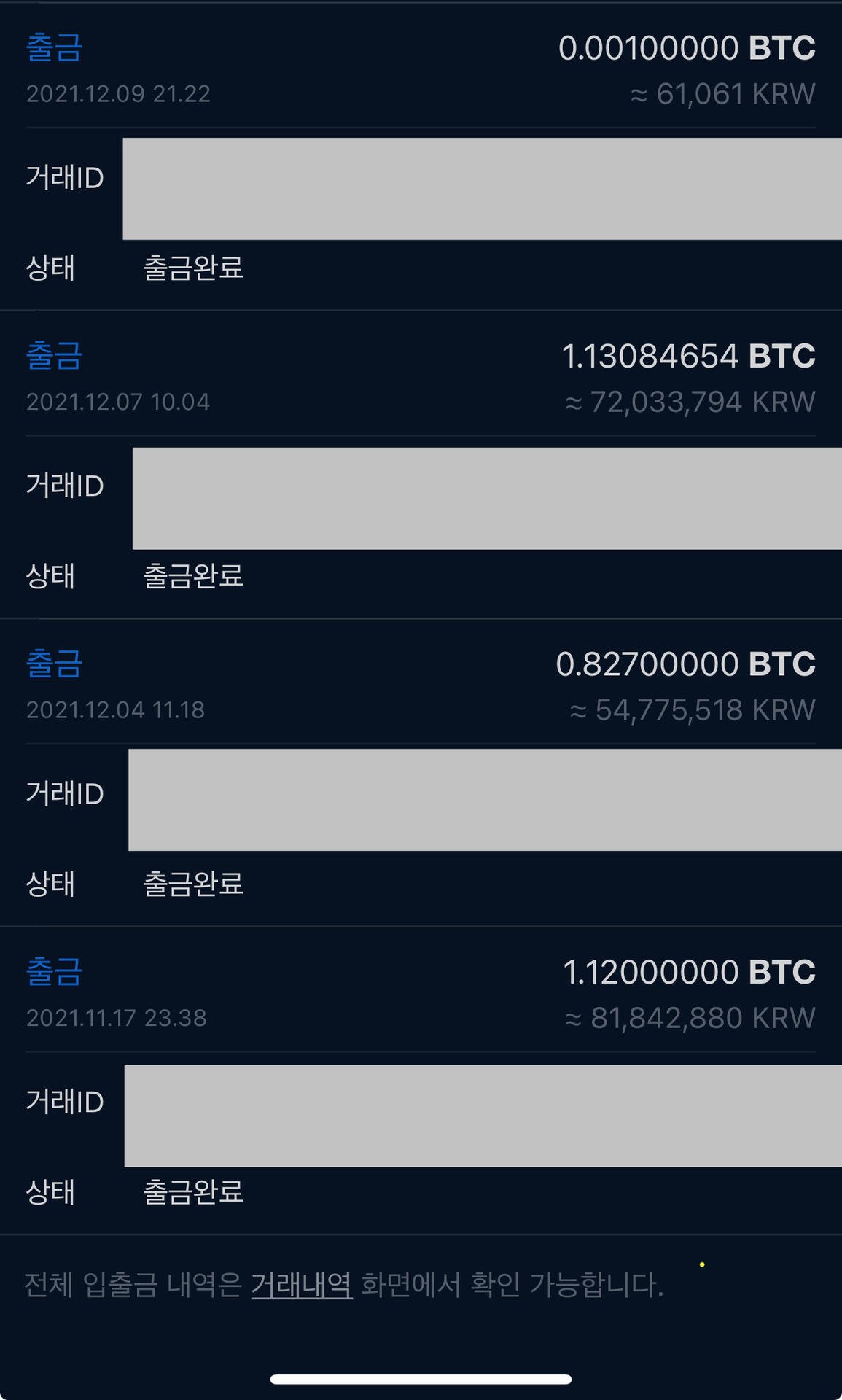

키스톤앱은 주소가 3으로 시작하는
segwit주소이고
블루월렛앱은 주소가 bc1로 시작하는
native segwit주소로
주소가 달라요
이제는 더이상 사람들에게
비트코인 사라, 공부해라
말하지않는다
비트코인을 이해하지못한 사람들은
결국 오래 가지고있지 못한다
저도 풀노드 인증합니다 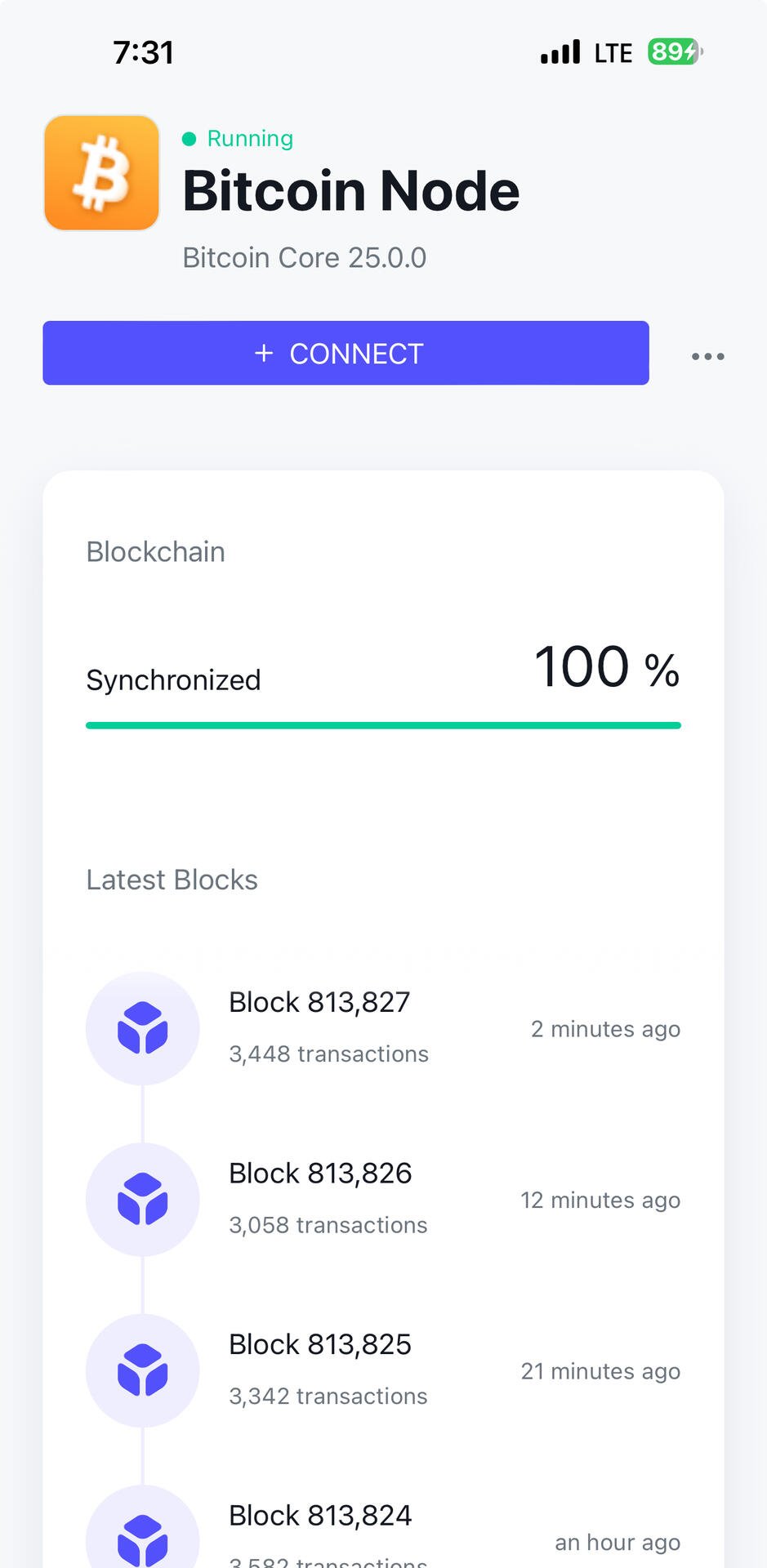
시드사이너
소프트웨어 검증 완료 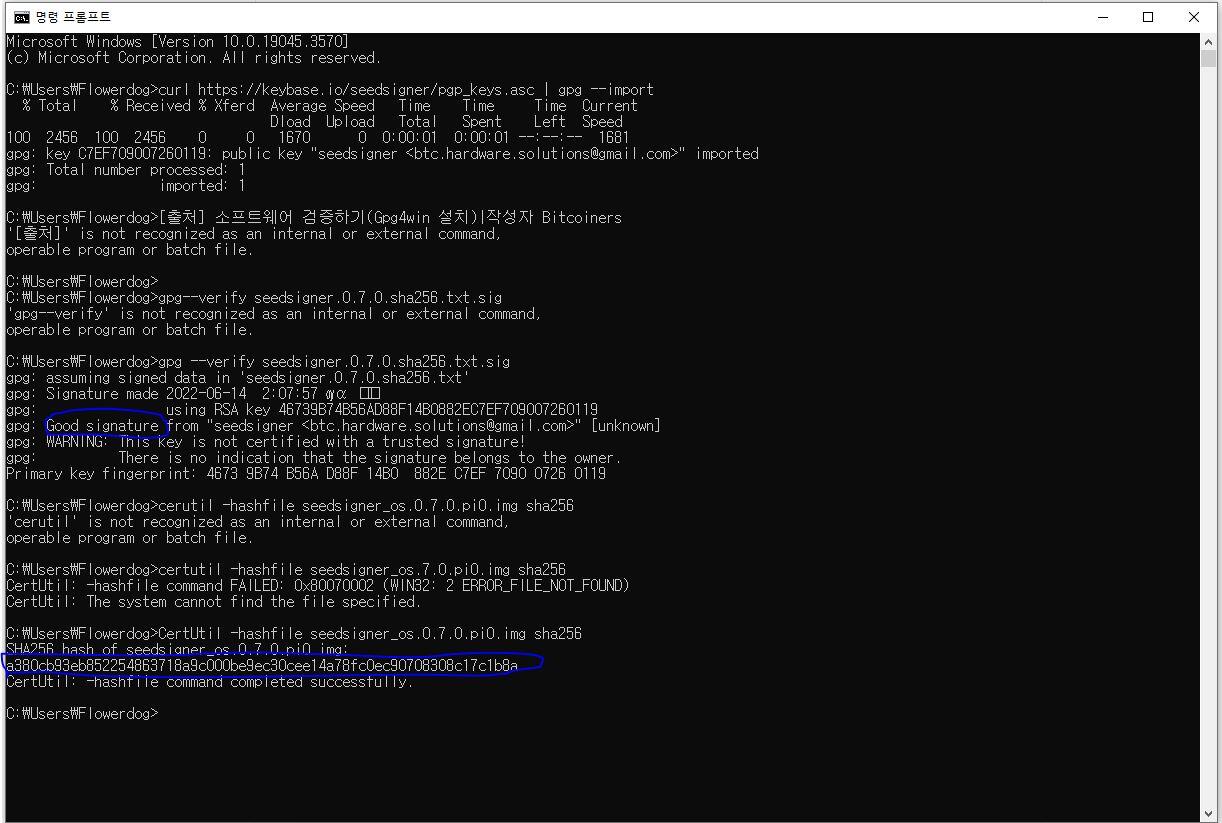
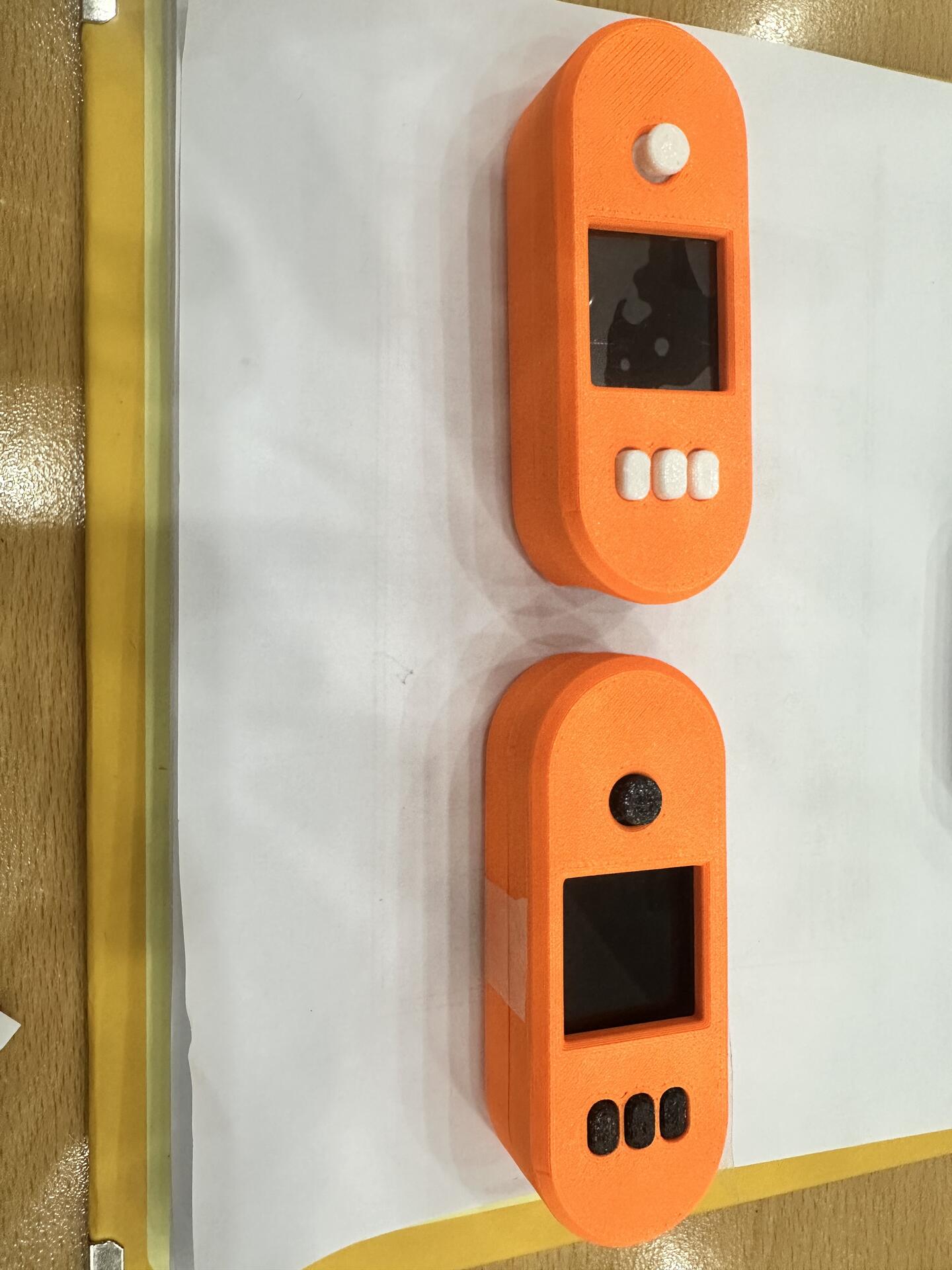
주문한 시드사이너가 왔다
오른쪽이 DIY 키트 조립한 시드사이너
왼쪽 완제