MICHAEL SAYLOR: 🟠 "Soon every billionaire will buy a billion dollars of #Bitcoin and the supply shock will be so great that we will stop measuring BTC in terms of fiat."
#bullishbounty
https://nostr.download/943b1b5fd4241ed30c25a03f978219a62268d4bb6bc6c7fa63c230807df360c8.mp4
*Demand shock

With the 3rd pick in the "I wish they were on NOSTR Draft" American Hodl selects:
Joe Rogan
More elk, kettlebell and alien talk is needed on nostr.
For the 4th pick, I nominate nostr:nprofile1qqsfkmv4ka4qzxg6f3mcrptgrmtl808d9ll63eq4zmk8sfqtyyegtagpramhxue69uhkummnw3ezuampd3kx2ar0veekzar0wd5xjtnrdakszyrhwden5te0v5hxummn9ekx7mp0hksz9c
Rules:
- Quote Post your pick
- Person cannot be picked in the thread of picks
- Tell us why you picked them
- Nominate the next pick
nostr:nevent1qqsdpsezwpghgeq5c5qk573ajsp73gsu7x29h5rkt9tp9haqvdmhtyqk79rwy
You get a bow yet?


GM
Happy Easter!

Check out episode 2/6 of my limited series “Saving in Bitcoin” on nostr:npub10qrssqjsydd38j8mv7h27dq0ynpns3djgu88mhr7cr2qcqrgyezspkxqj8 with nostr:npub1a2cww4kn9wqte4ry70vyfwqyqvpswksna27rtxd8vty6c74era8sdcw83a
Listen on nostr:npub1v5ufyh4lkeslgxxcclg8f0hzazhaw7rsrhvfquxzm2fk64c72hps45n0v5
I made a pilgrimage…
Not explicitly for trolling, but it was definitely a perk.

I have. It was a horrible accident. I said whole milk and the barista heard oat milk. Didn’t watch and didn’t realize until after I took a sip. It’s a damned shame that’s even a mistake that can be made in the year of our lord 2025…

This line of thought is really naive:
“Some large US mining companies could probably leave Foundry and start solo mining given their hashrate.”
Bitcoiners love to talk about incentives until it challenges their world view. Why would anyone willfully add overhead and risk to their business, when they’re already marginally profitable…

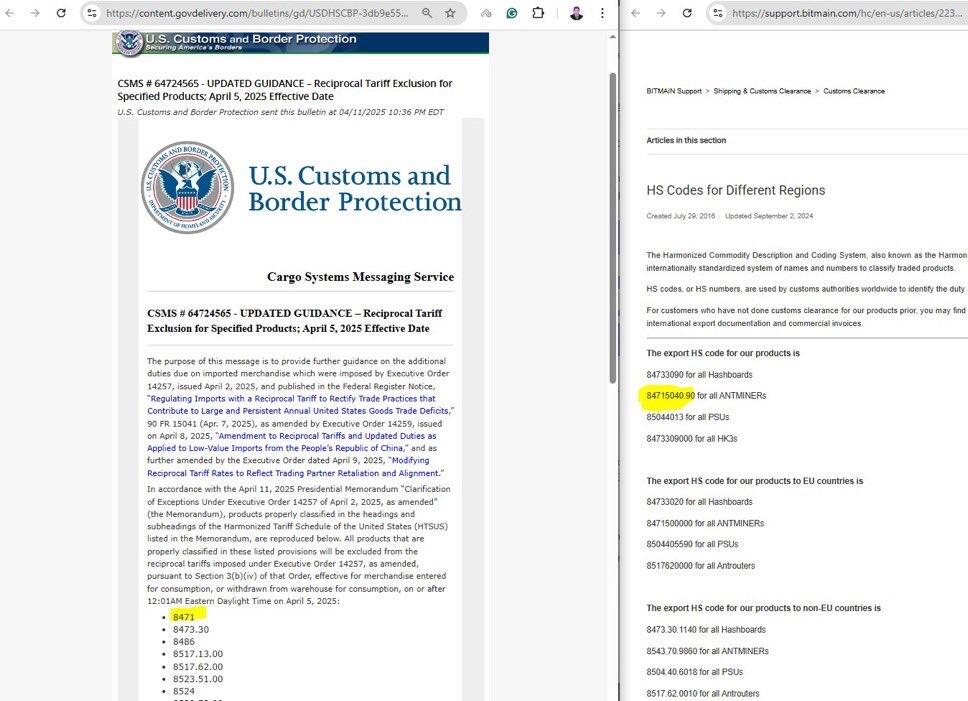
He did just spin up a Bitcoin mining company…

Carbon accounting all over again. The only thing that wouldn’t be highly subject to goofy BS would be scope 1, and most serious cooling systems are closed loop, so they don’t “consume” water, especially at the pace of 2-5 L/30seconds
nostr:nprofile1qqsr26r4lltjnvrwadxp67ns58m4qpzaqemhf5sup7hlujhjh7t296qpz3mhxue69uhkummnw3ezummcw3ezuer9wcq3samnwvaz7tmswfjk66t4d5h8qunfd4skctnwv46qk68p8t you recommended a zero sandal a while back. What was it?

To whom? Comms 101, know thy audience.
Having a normy finance guy at a power company pitch me on using Strike to shorten remittance times… adoption is picking up.
GM.
Chapter 13 of Broken Money is called "Heavy is the Head that Wears the Crown".
It focuses on the US trade deficit and why it arises structurally. In short, since the USD is the global reserve currency (for reserve assets, international contracts, FX trading pairs, and cross-border funding), there is tremendous automatic demand for USD in the world compared to other fiat currencies.
To supply the world with that ever-growing need for USD to service all sorts of needs, the United States runs structural trade deficits with the rest of the world. That's how the USD spills out to the rest of the world for them to use. And the mechanism for that is that the overvalued USD boosts Americans' import power, reduces Americans' low-margin export competiveness, and basically forces open that trade deficit.
That trade deficit is the cost of maintaining the benefits USD system as currently structured. The fatal flaw is that those who bear the cost (e.g. industrialists in the Rust Belt) are not the same as those to gain the benefits (e.g. Wall Street and Washington DC folks). And those costs and benefits accumulate over decades, resulting in rising populism and pushback, which is now front and center.
The challenge that the administration faces is that they have identified a real problem, but are tackling the surface issues rather than the underlying structural issues.
Anyway, I uploaded that chapter 13 on my website for free reading:
https://www.lynalden.com/wp-content/uploads/broken-money-chapter-13.pdf