Avatar
Eric FJ 🪬⚡️
7999814161743f2279006ab10cfd83bd33adff23c85e5d9d0949fdd60f8f1901
De-commerce evangelist. Let’s build the Bitcoin circular economy together. Running nostr:npub1nkfqwlz7xkhhdaa3ekz88qqqk7a0ks7jpv9zdsv0u206swxjw9rq0g2svu Check out our alpha release: https://alpha.conduit.market/ ⚡️🪬💜 Nostr only 💜🪬⚡️

Dinner and a show with the wifey in Vegas

(She’s gonna crush it on Nostr whenever she gets around to it🔥)

How could I forget #footstr

nostr:note1gfnjnnlalk6jyjyg8p89mj5wgvfwcvmxs9qkjv09swx6eyztckas0d6xk0

#kettlebells in the hotel room

Travel not an excuse, get some💪🏼

nostr:npub12vkcxr0luzwp8e673v29eqjhrr7p9vqq8asav85swaepclllj09sylpugg #primal #help

Having trouble interacting with long form content. Refer to screenshot:

-Test 1 is a share/copytext from nostr:npub1yzvxlwp7wawed5vgefwfmugvumtp8c8t0etk3g8sky4n0ndvyxesnxrf8q with the nostr:naddr… which I believe is the correct way to share. Shows up nicely on your app

-Test 2 is all done inside Primal, but shares a link that opens in a separate browser. This is something that happens often on Primal mobile and adds clicks and wait time

-Test 3 grabbed event link inside primal but is missing the “nostr:” prefix for the share to show up correctly

Not shown is a straight up repost I did from the Read which squished the long form read into a regular note.

Repost+Quote does not work at all (if it did, it should look like Test 1 IMO)

I also somehow published an event thru Primal that doesn’t show on your feed but shows up on Yaki (2nd image)

Test 3

naddr1qq2n2k2nd9c4jn69w9uku46yweq5un64wet85q3qnkfqwlz7xkhhdaa3ekz88qqqk7a0ks7jpv9zdsv0u206swxjw9rqxpqqqp65w2a4t6n

Test

nostr:naddr1qvzqqqr4gupzp8vjqa79udd0wmmmrnvywwqqpda6ldpayzc2ymqclc5l4qudyu2xqq2n2k2nd9c4jn69w9uku46yweq5un64wet8556457p

nostr:npub1yzvxlwp7wawed5vgefwfmugvumtp8c8t0etk3g8sky4n0ndvyxesnxrf8q small UI question: when making links in the editor, is it possible to auto-select the "URL here" text after CTRL+L instead of the text that was previously selected to create the link? This will make it so you can CTRL+L and CTRL+V instantly to make a link, instead of needing to re-select in between.
Yo GM

In Vegas, grabbed coffee and brekky, now working on nostr:npub1nkfqwlz7xkhhdaa3ekz88qqqk7a0ks7jpv9zdsv0u206swxjw9rq0g2svu in the morning while wifey hits an aquarium

Brought a kettlebell for a workout. Probably some cardio too.

Evening dinner and a show

Cheers

GM

Wife was holding out on me, she took and edited this epic photo of Zuri months ago

She’s gonna be on Nostr soon. Annoying her daily

#dogstr

GN Nostr fam. Back on the grind tomorrow
Replying to Avatar MrDecentralize

In 2017, Bitcoin skeptics called it outdated—a relic too rigid for innovation. Yet, amidst the noise, one entrepreneur dared to see its untapped potential.

With a bold idea to merge apps and Bitcoin’s unmatched security, he faced doubters, hurdles, and the toughest question: Could it actually work?

This is the wild story of @muneeb & @Stacks 🧵👇

It’s 2017. The blockchain world is buzzing.Ethereum is the darling of developers. 🚀

Smart contracts.

Decentralized apps.

The new frontier of innovation.

And Bitcoin? It’s called “digital gold.” Valuable, sure—but boring.

Bitcoin skeptics said it was stuck in the past:

“No smart contracts.”

“No dApps.”

“Just a store of value.”

The narrative was clear: Bitcoin couldn’t evolve. But not everyone agreed...

Enter Muneeb Ali, a computer scientist with a radical idea: What if Bitcoin could host decentralized apps without sacrificing its unmatched security?

People laughed. Critics called it impossible. But Muneeb wasn’t deterred.

Why focus on Bitcoin?

Because it’s the most secure blockchain in existence:

Over $2 trillion in value secured.

A network hardened by 14+ years of global participation.

Muneeb believed Bitcoin wasn’t outdated. It was underutilized.

The challenge?

Bitcoin’s design prioritizes security and simplicity:

No smart contracts.

No programmability.

It’s why developers flocked to Ethereum instead. Muneeb’s mission? Bridge that gap.

Enter Stacks

Stacks is a layer-2 blockchain built to work alongside Bitcoin.Its secret weapon? Proof of Transfer (PoX):

Stacks apps leverage Bitcoin’s finality for security.

Bitcoin becomes the settlement layer for decentralized apps.

No forks. No compromises.

With Stacks, Bitcoin suddenly became programmable:

NFTs backed by Bitcoin.

DeFi apps secured by the strongest network.

Smart contracts anchored in Bitcoin’s immutability.

Critics were stunned. This wasn’t supposed to be possible.

But the road wasn’t smooth. Resistance came from all sides:

Hardcore Bitcoiners dismissed anything “layered” as unnecessary.

Ethereum loyalists scoffed: “Too little, too late.”

Even skeptics within the Stacks community doubted PoX’s scalability.

Muneeb kept building.

By 2021, Stacks had made waves:

Over 500 apps built on the Stacks ecosystem.

Bitcoin-backed NFTs gained traction.

Stacks token (STX) became the first SEC-qualified token offering.

The impossible was happening.

Then came the breakthrough sBTC

sBTC is the “holy grail” for Bitcoin innovation:

A fully decentralized way to bring Bitcoin into smart contracts.

No bridges. No custodians. No compromises.

Bitcoin could now power DeFi apps like never before.

The implications? Massive.Bitcoin wasn’t just a store of value anymore. It became the foundation for:

Decentralized finance.

Permissionless apps.

A truly sovereign web.

The Ethereum vs. Bitcoin debate suddenly got more interesting.

But here’s the irony

The same purists who dismissed Stacks now embrace its vision.

They see the need for programmability.

They acknowledge Bitcoin’s untapped potential.

Sometimes, it takes a disruptor to remind us of a system’s strengths.

Muneeb’s journey is a lesson for innovators everywhere:

Start with first principles. Bitcoin’s simplicity wasn’t a flaw; it was a strength.

Ignore the noise. Critics will always resist what they don’t understand.

Build for the long term. Real innovation takes time.

The bigger picture?

Stacks didn’t just make Bitcoin more useful—it reignited faith in Bitcoin’s adaptability.

Bitcoin isn’t “just digital gold.”

It’s the bedrock for a decentralized future.

And we’re just getting started.

Takeaways for creators and disruptors:

1️⃣ Don’t abandon a proven system. Improve it.

2️⃣ Innovation often requires resisting both skeptics and hype.

3️⃣ The most valuable ideas are the hardest to execute.

So, what do you think?

Is Bitcoin’s programmability the next big leap for crypto? Or should Bitcoin stay “simple and secure”?

💬 Share your thoughts! And if you found this story inspiring, share Muneeb’s vision with the world. ✨

Thanks for reading!

I work with founders and executives to decentralize traditional business models by incorporating Bitcoin’s core principles. Together, we’re building BitcoinFi on Stacks—the permissionless future has arrived!

Love what you read? Subscribe and never miss an update! 🔗 blockcity.substack.com

#Bitcoin #BTC #BTCFi #HODL #BlockCity #BlockCityFi #Satoshi #Freedom #Web3 #Entrepreneur #GrowNostr #MrDecentralize #STX #Stacks

Awesome. Have you considered moving off Substack and posting long form Reads on Nostr directly?

PURPLE PILL YOUR FAMILY

GOOD MORNING #coffeechain

Blending beans is allowed. Like having a threesome but nobody gets jealous.

nostr:npub18plymade649zcdn4f0u3atlp8v70h6hs36k2n7veldw6u8advvsqgl4wh4 official launch coming to a holiday near you… 👀

We reached out to Nostr representatives and got a mix of acronyms: “GM”, “GA”, “GN” and occasionally “GFY”. This is a developing story.

You’d better believe they’ll be tracking your every eye twitch to recoup that VC money. Let’s try something different here… 🪬⚡️

https://www.adweek.com/commerce/perplexity-officially-rolls-out-its-ai-powered-ecommerce-experience-in-the-us/

GM #coffeechain from a journey up North

If you know you know…

Replying to Avatar Bitman

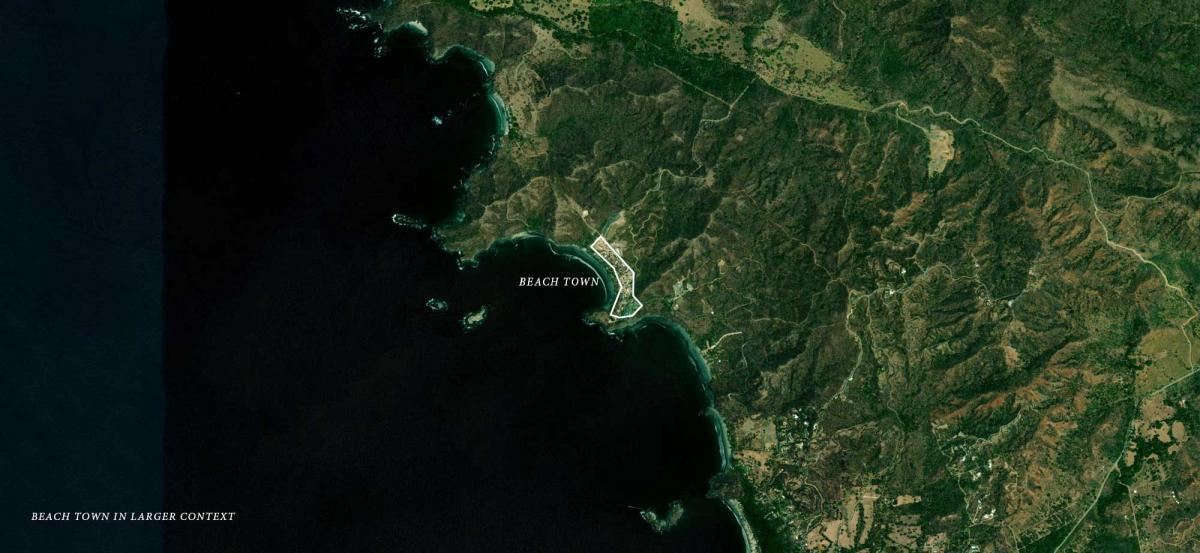
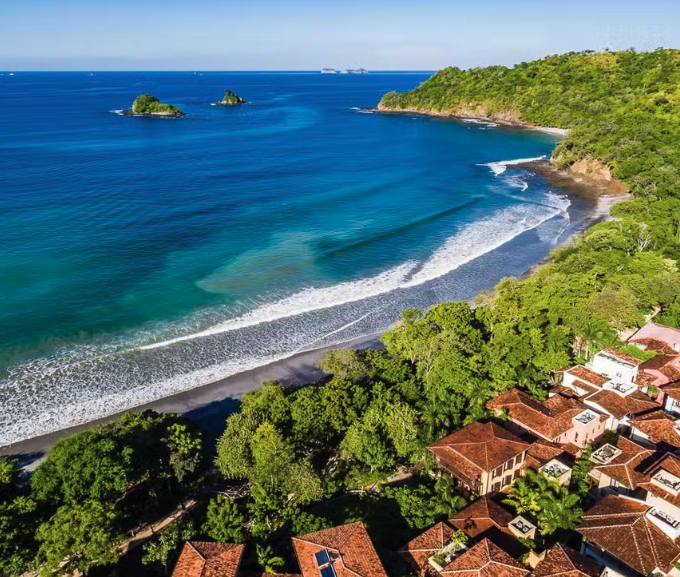
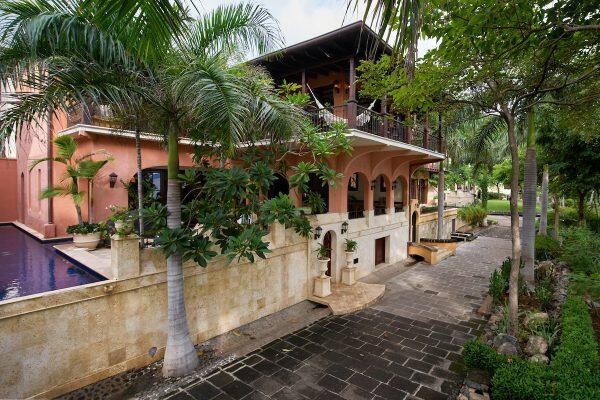
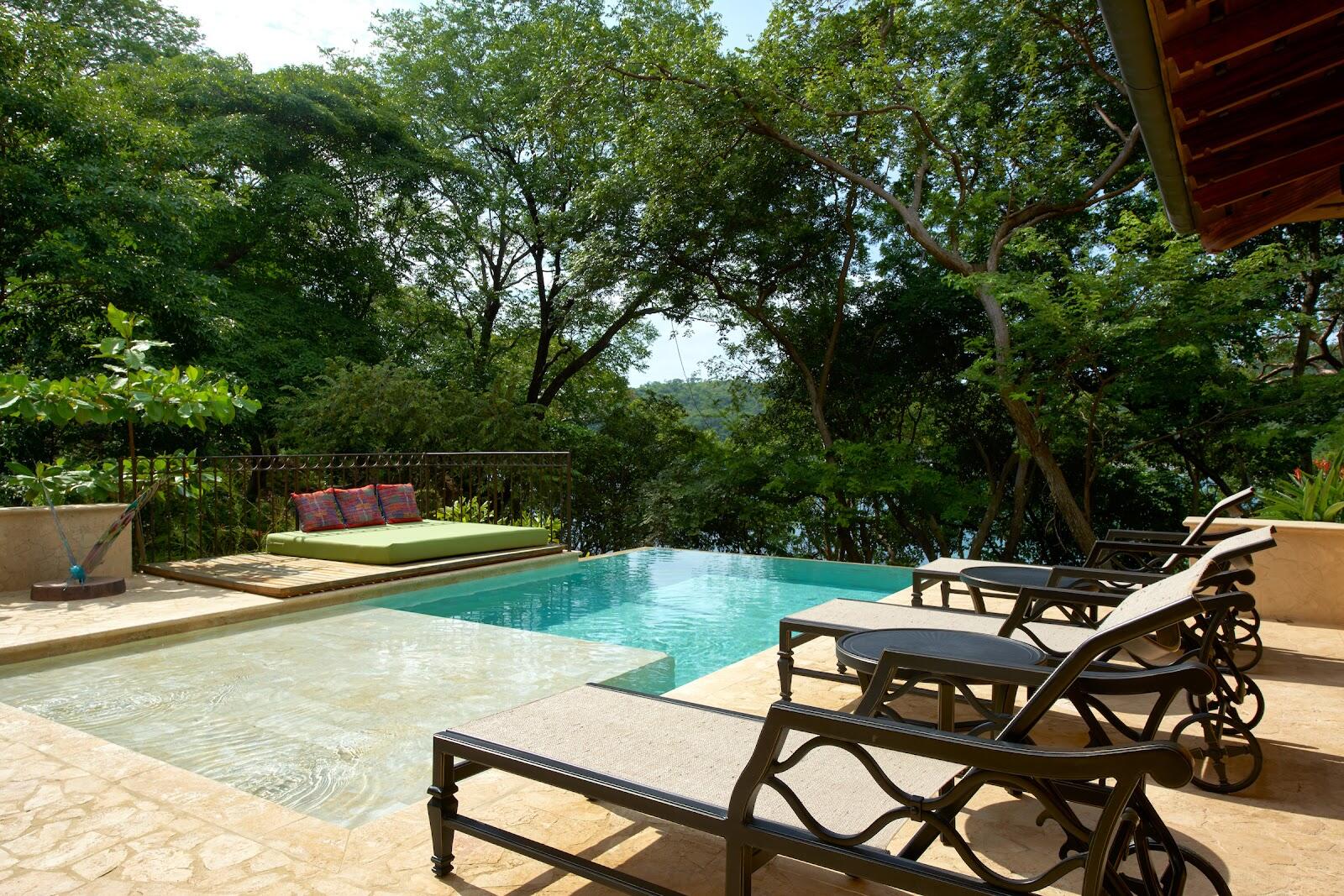
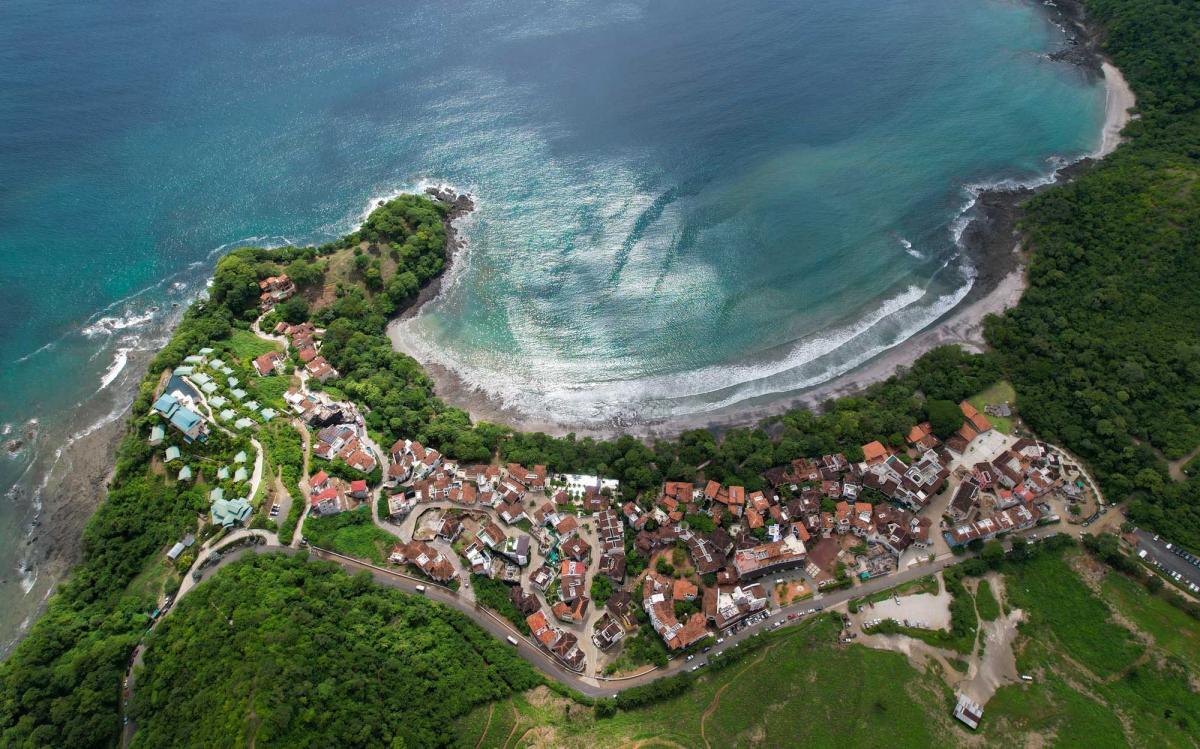
In 2006, an internet billionaire fell in love with a PIECE of LAND on the Costa Rican coast.

At first, he wanted to build a house. But he dreamed bigger.

And decided to build an ENTIRE CITY. From SCRATCH.

16 years (and many millions) later... "Las Catalinas" was inaugurated.

The area is roughly the size of ~1,000 football fields.

Charles Brewer turned to a friend, a fund manager, to finance the project. The friend invested ~$13M for one-third of the venture.

In 2008, everything came to a halt.

But the friend thought:

"At worst, I get an amazing house in a Costa Rican paradise for $13M."

Brewer brought in urban planner Geoff Dyer with a plan.

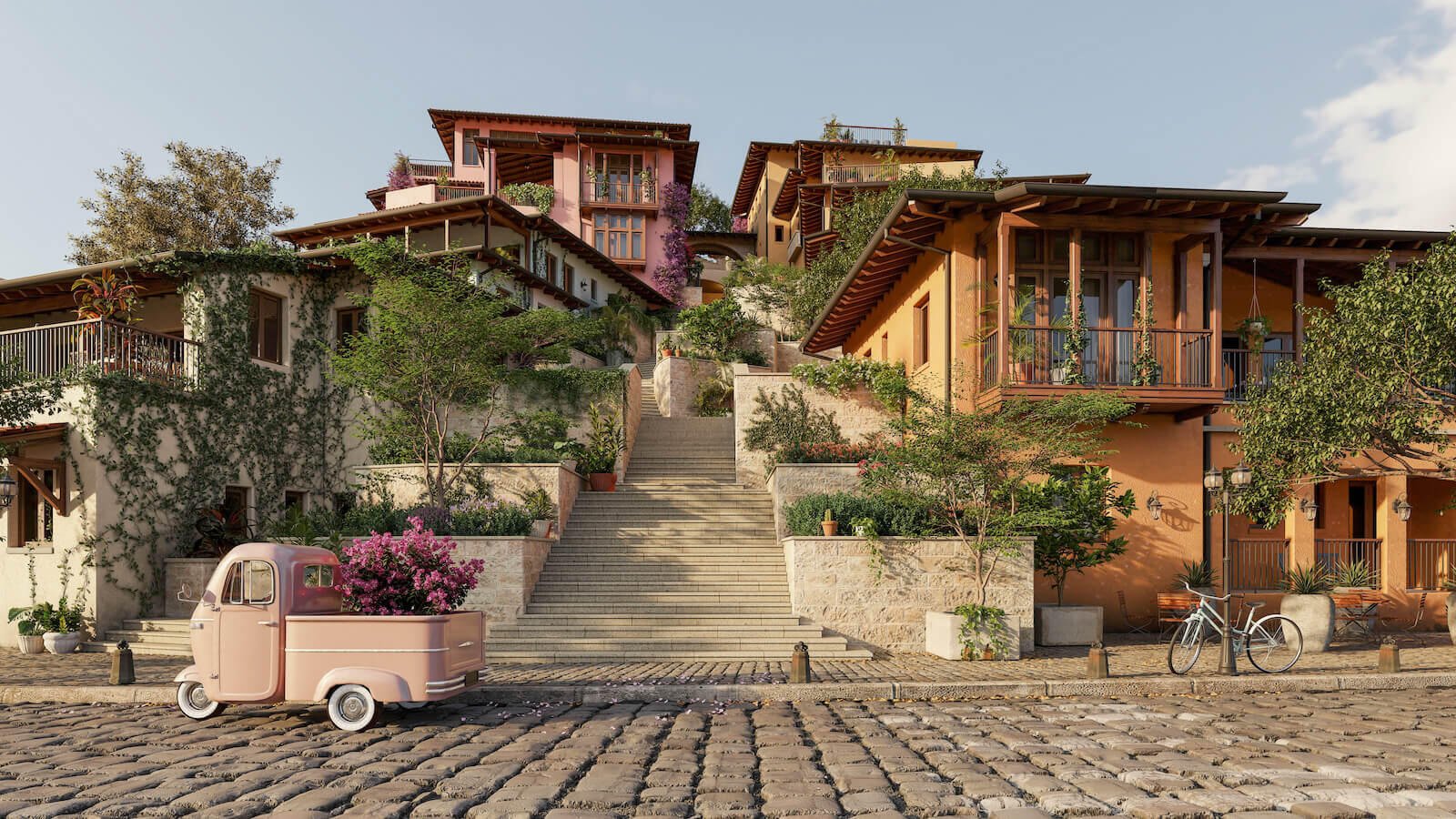
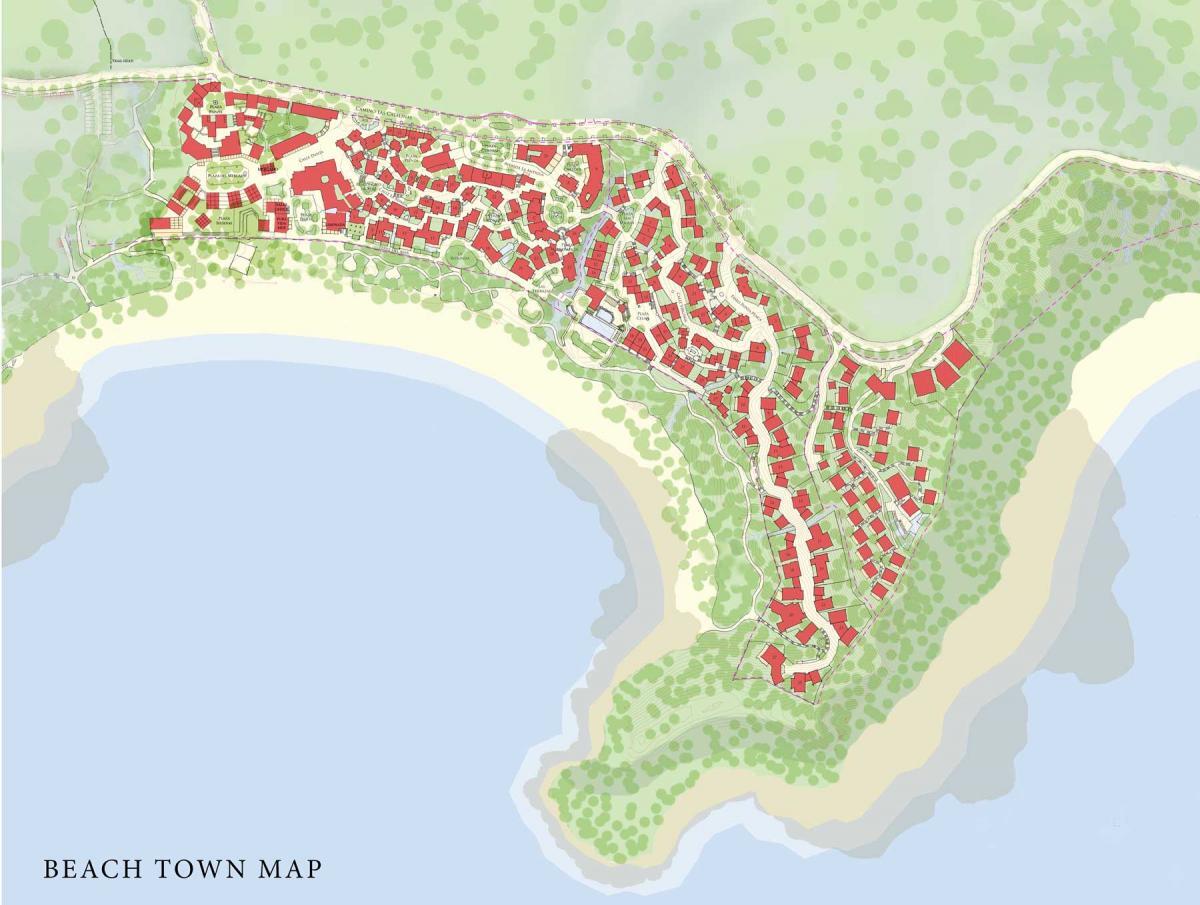
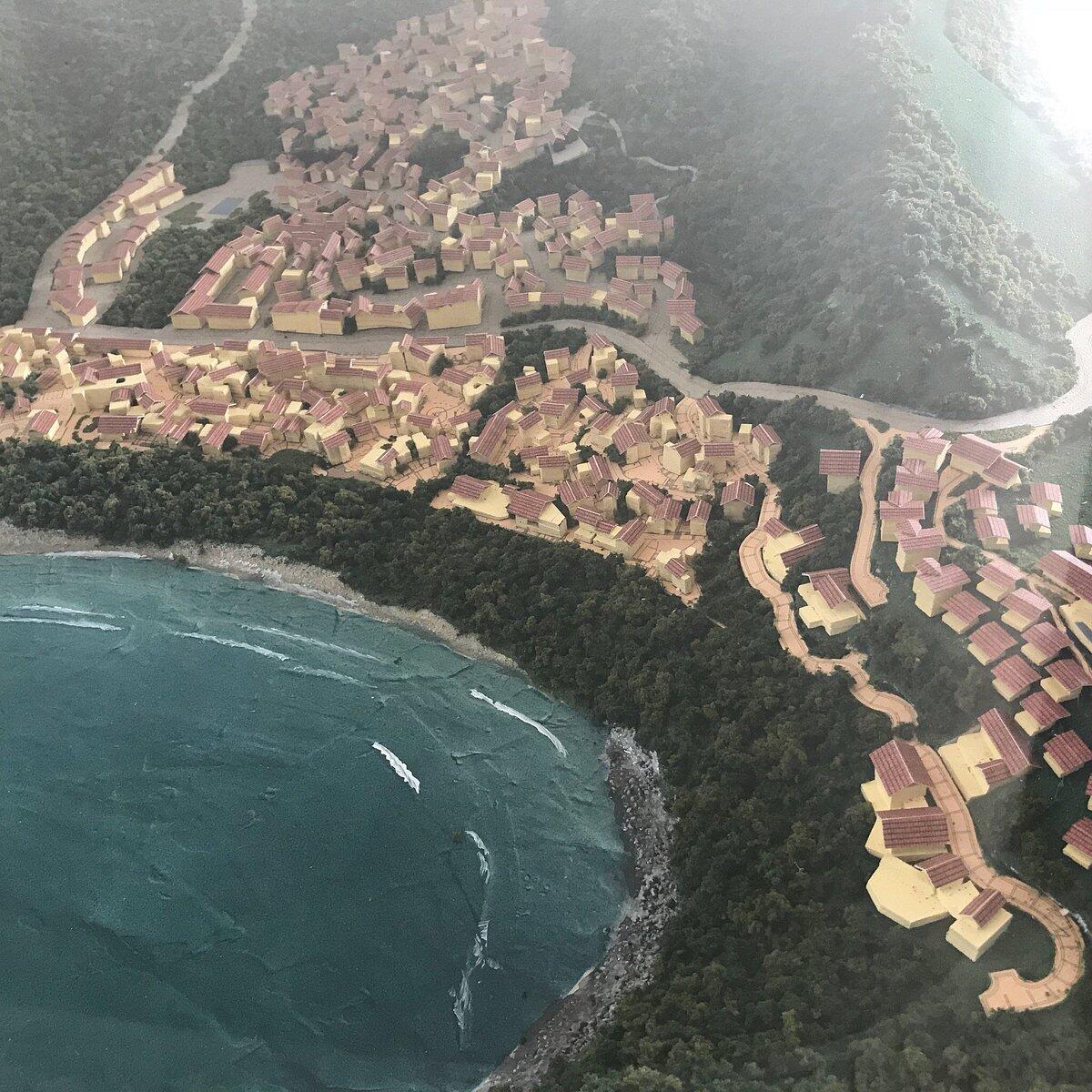
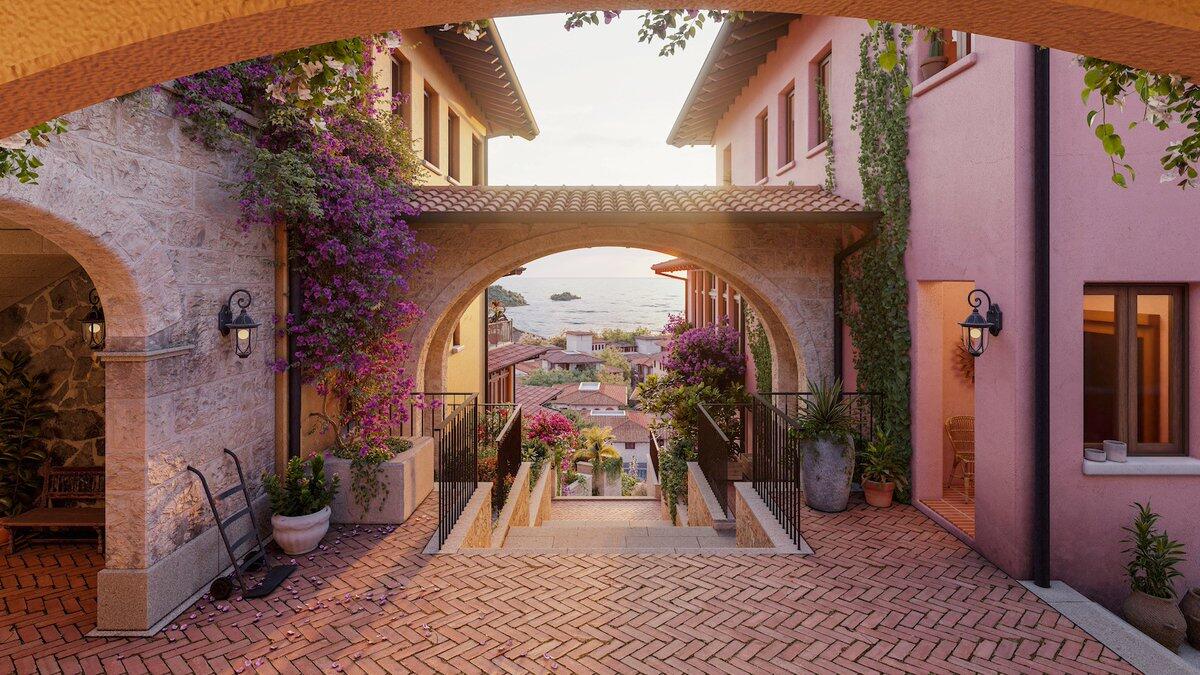
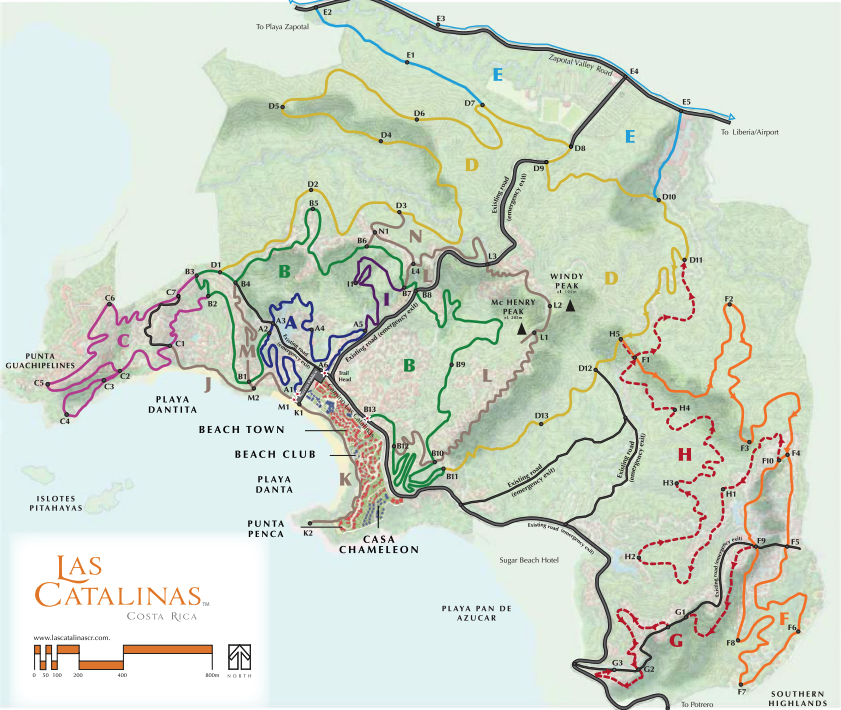
They would start with the "Beach Town," the central neighborhood. The city would be car-free, designed entirely for pedestrians.

Just like in the old days.

Instead of rigid zoning laws, each area would adapt to the surrounding topography.

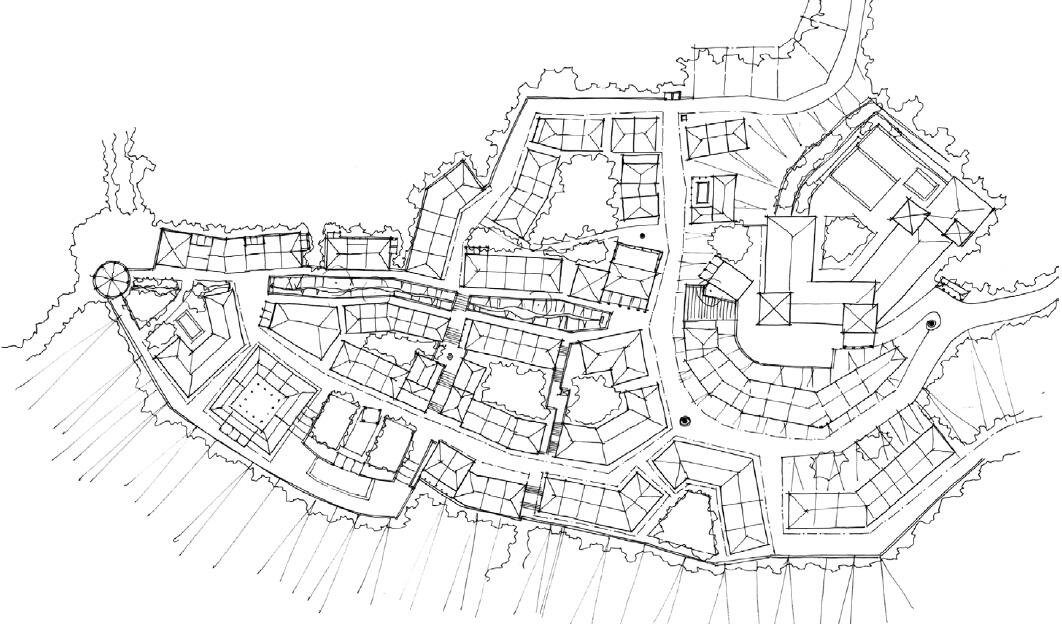
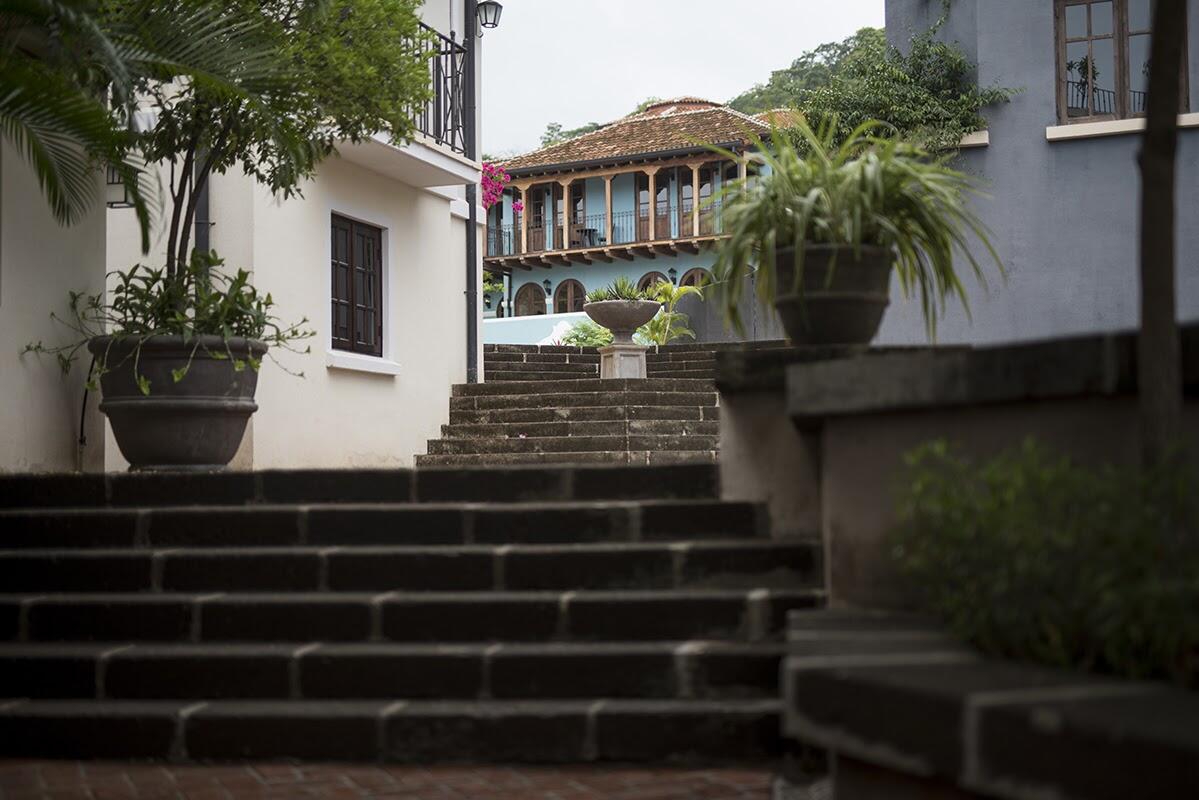
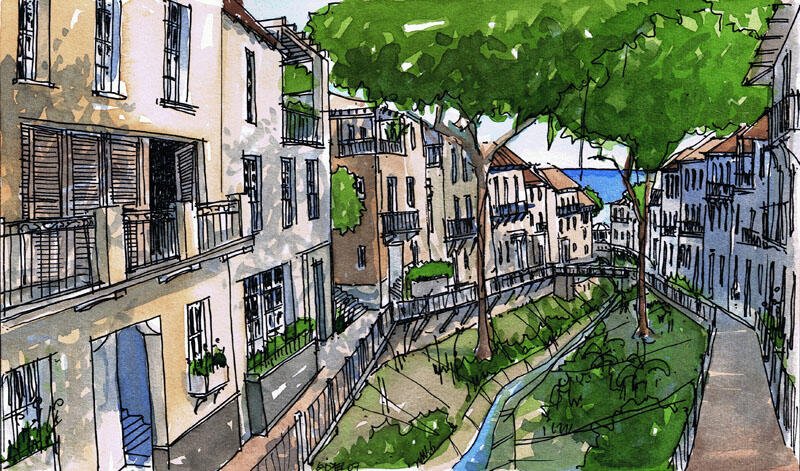
Streets designed for PEDESTRIANS follow non-linear paths.

They adapt to the "negative space" — their shape, slope, and curves determined by the layout of houses, pathways, and surrounding buildings.

They are far less imposing than "car streets."

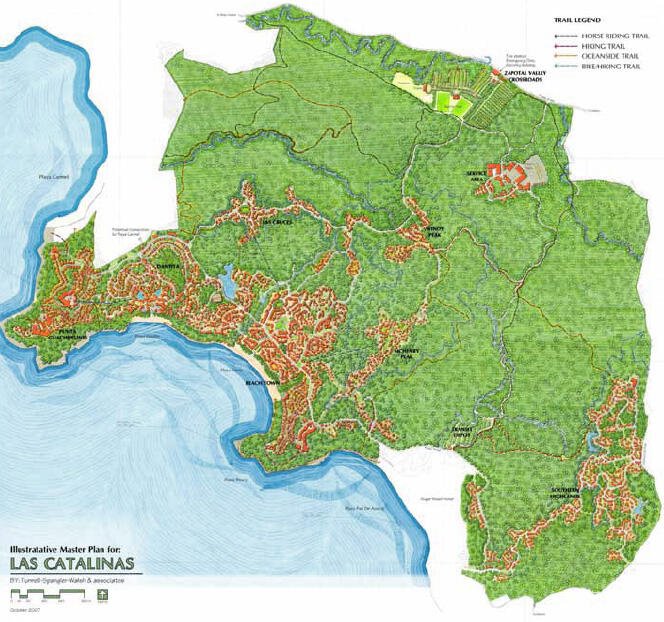
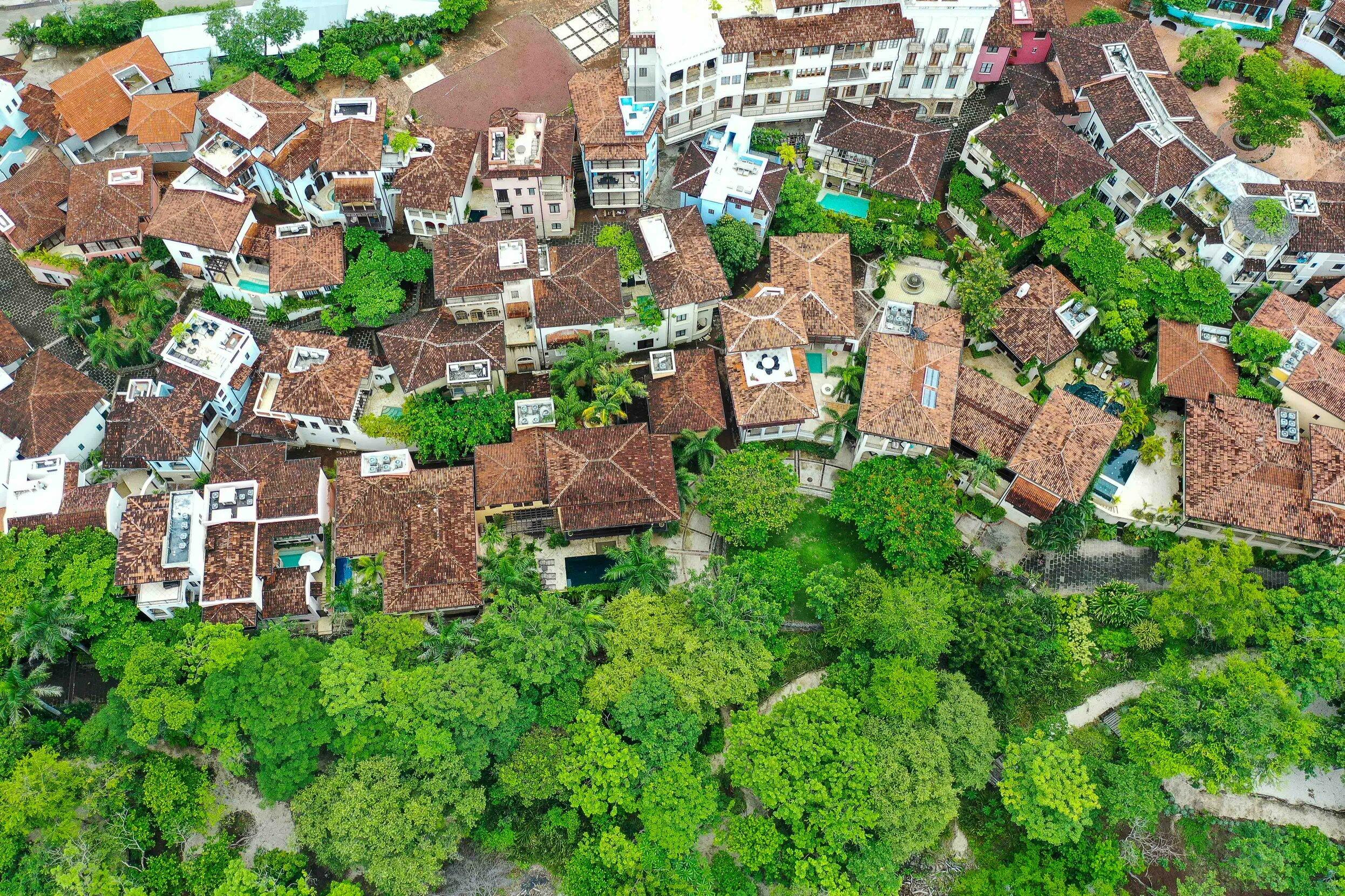
Take a look at the abundance of plazas on the original map 🗺️.

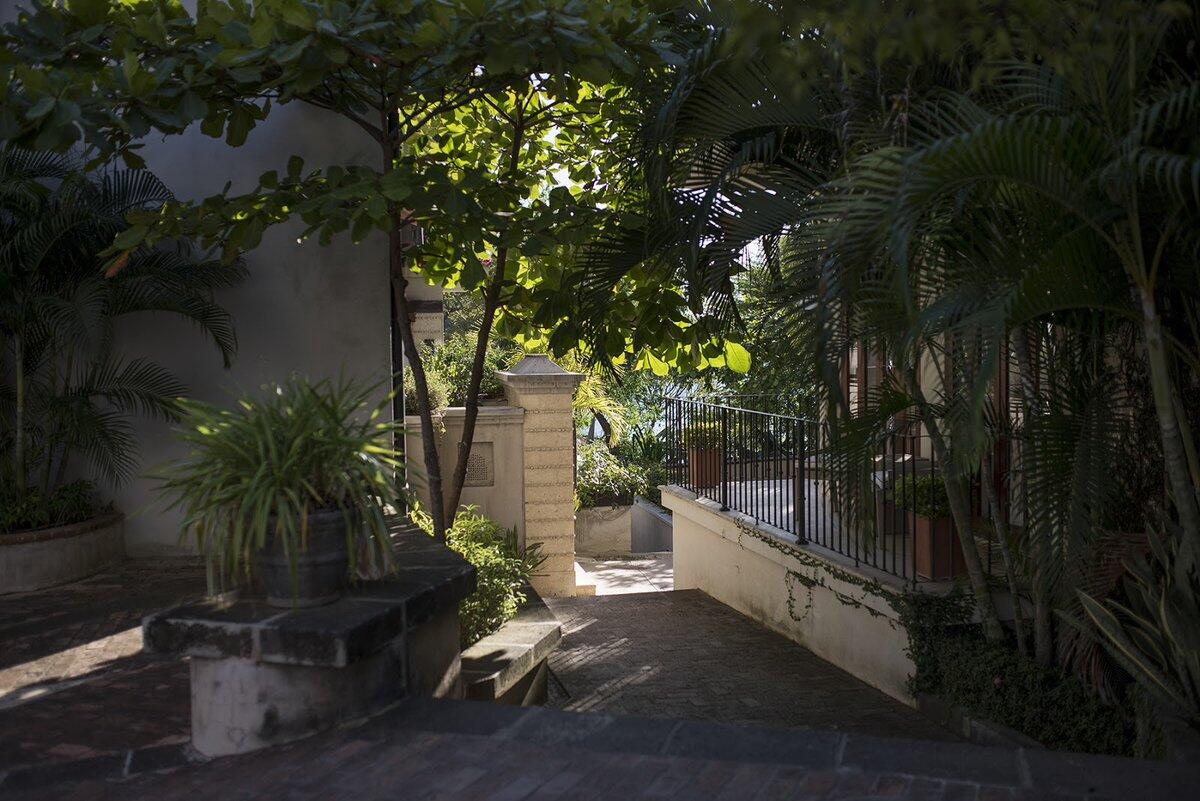
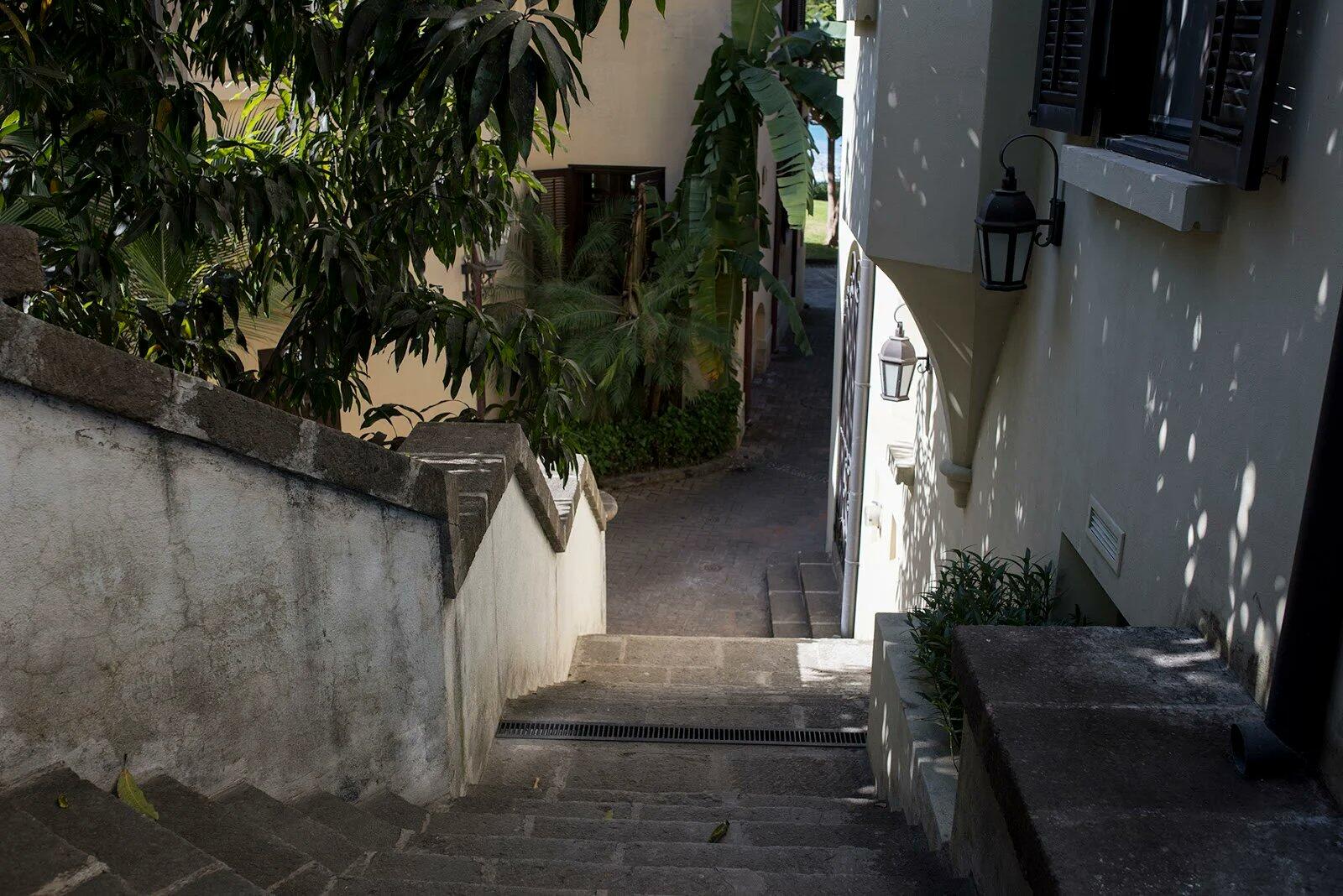
This "negative space" translates into cinematic pathways, impossible to navigate with motorized vehicles.

The "vibe" of a street influences the types of houses on it, just as much as the "vibe" of the houses dictates the layout of each street.

Architect Sara Bega describes it as a "spiderweb."

"You can’t pull a single thread — adjust a plaza, widen a street — without affecting everything else in its orbit."

Las Catalinas was designed around three core principles:

• Walkability,

• Views, and

• Privacy.

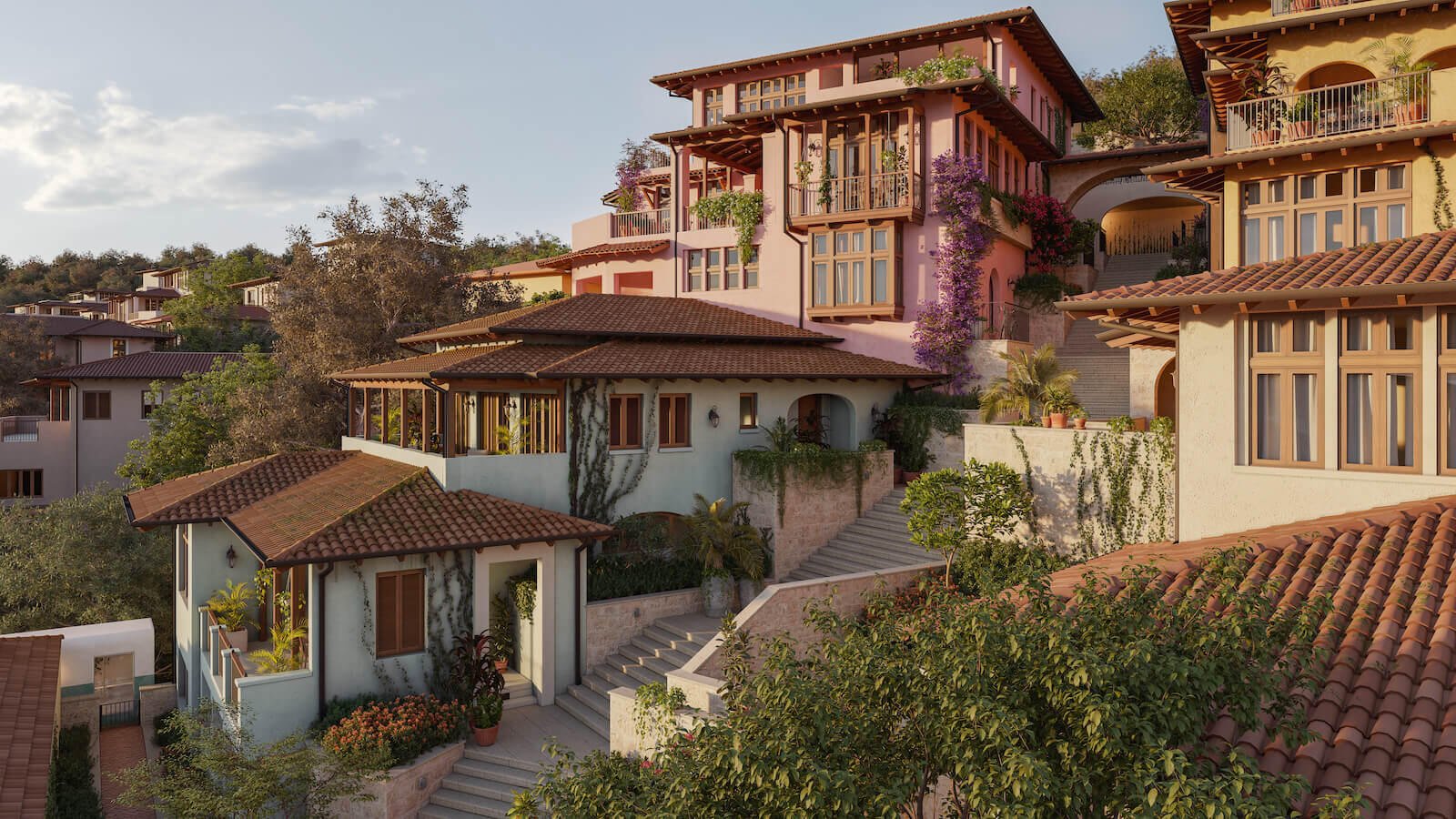
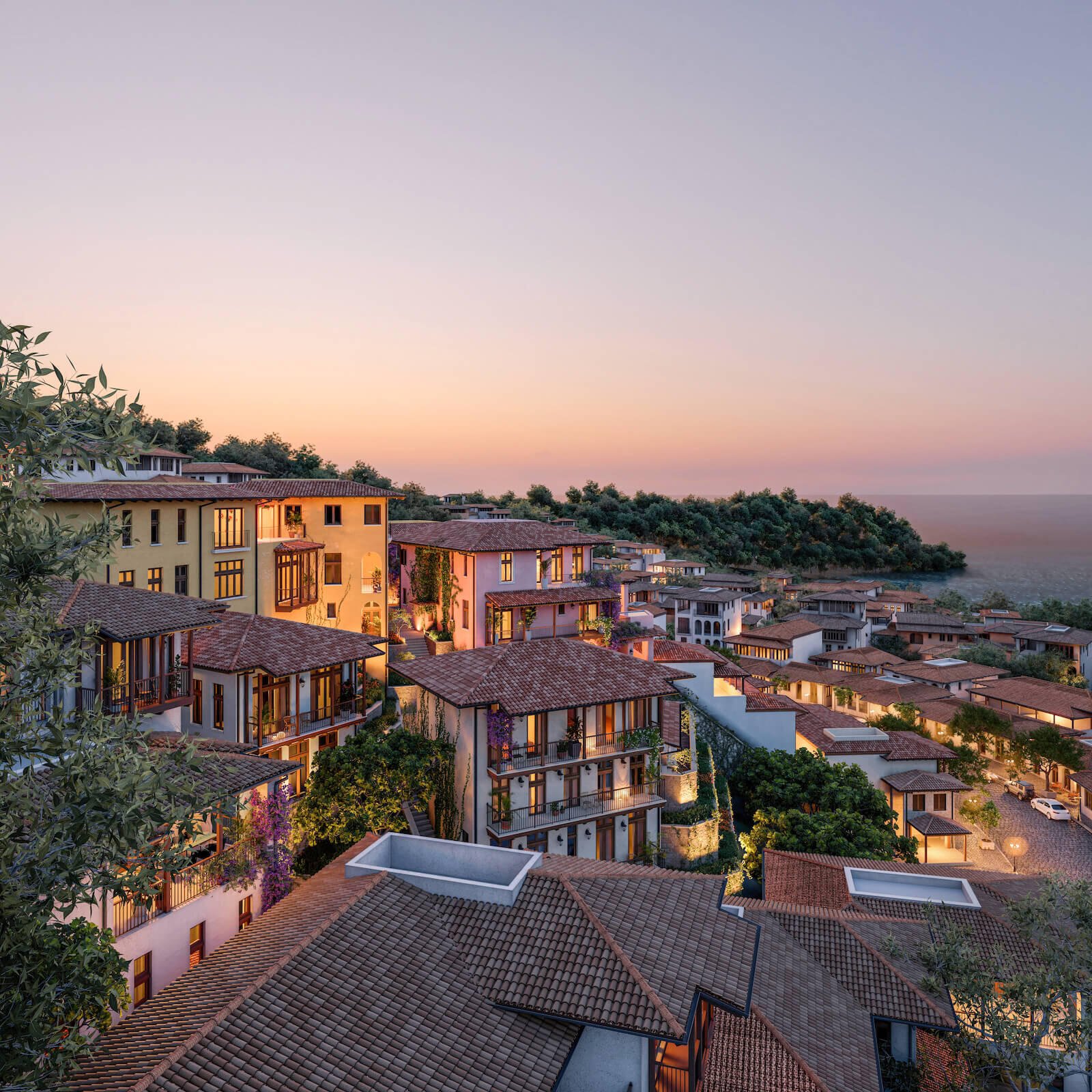
The city is built on a hillside, so most streets run parallel to the beach, accommodating cyclists. Streets perpendicular to the coastline are entirely pedestrian-only.

WALKABILITY

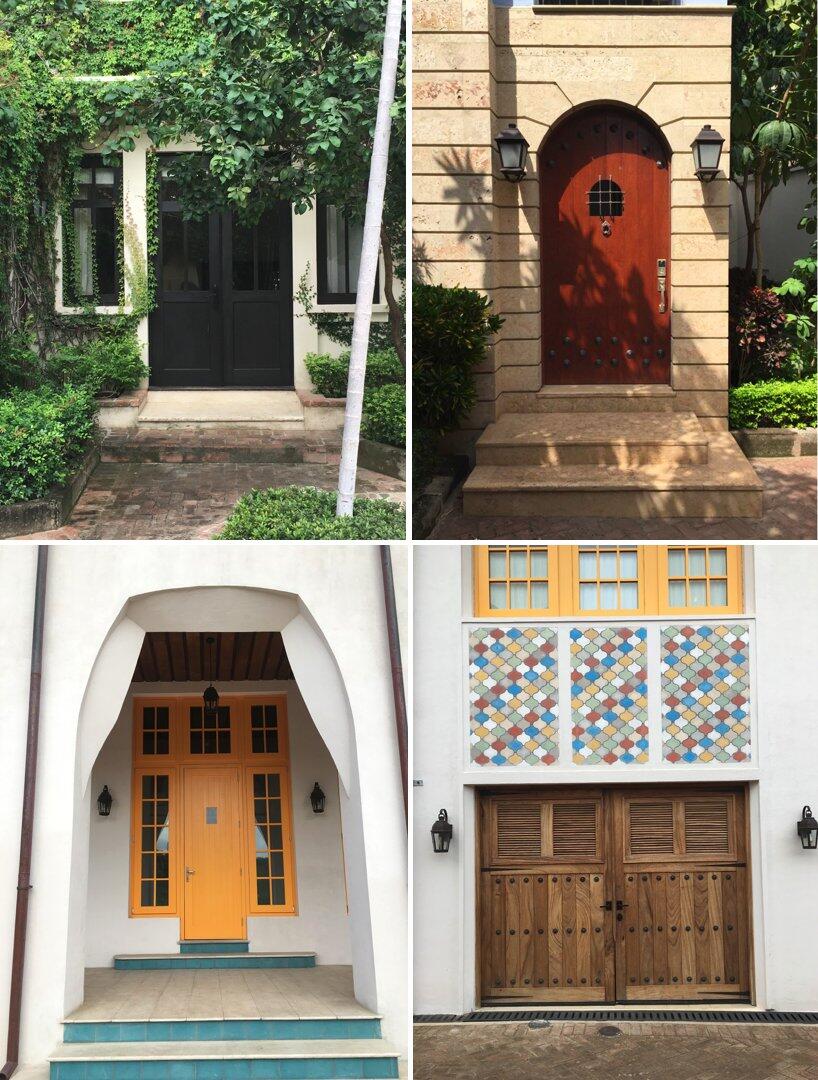
At every corner, there’s a new "GIFT for the eyes." Something that inspires pedestrians to keep going 🎁

⛲️ It could be an unassuming fountain, an inviting bench, or a unique door.

A charming city manages to stay cohesive without sacrificing its quirks.

VIEWS

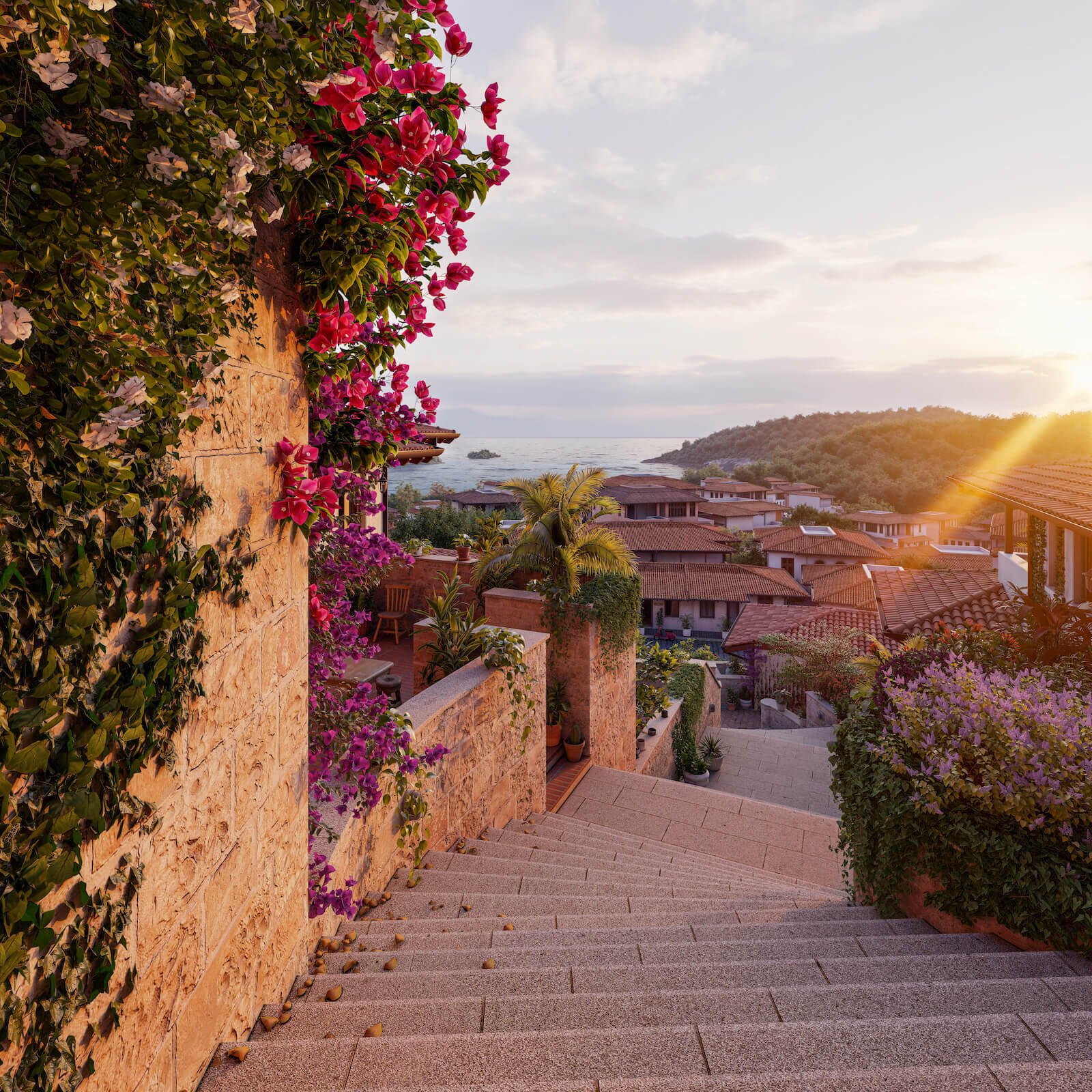
Every home, intersection, or plaza offers an interesting view to enjoy.

The exposed parts of the hillsides feature pathways that point toward the mountains.

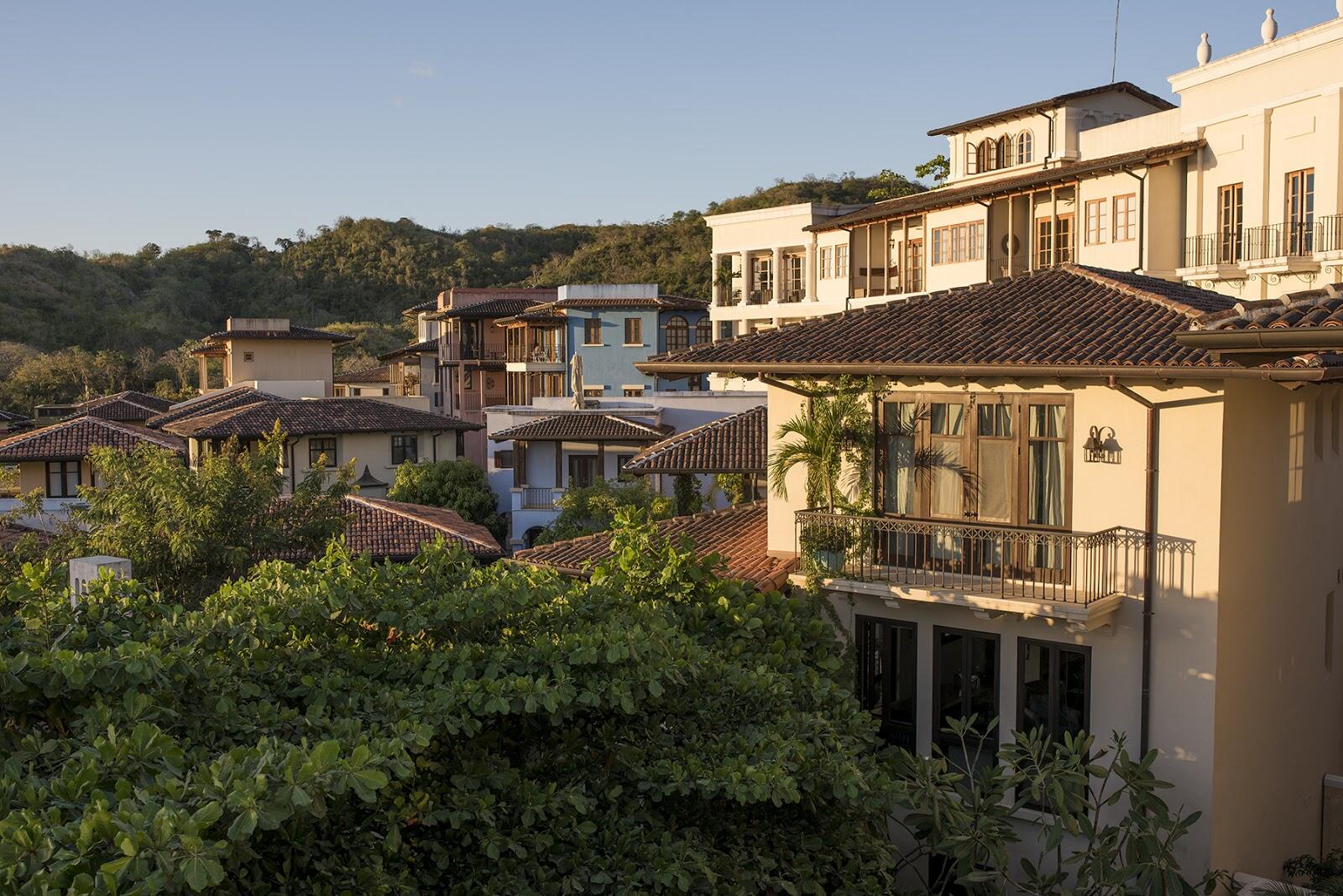
From above, the layout resembles a "checkerboard" — houses and corridors alternate to create room for the eyes to wander.

PRIVACY

Some “paseos” are elevated, with houses set 1.5 meters above the street. This way, passersby don’t intrude on residents' privacy, while homeowners enjoy better views.

High windows are common, allowing residents to see outside while sitting comfortably without being seen.

Backyards are oriented toward the beach or the mountains 🌄.

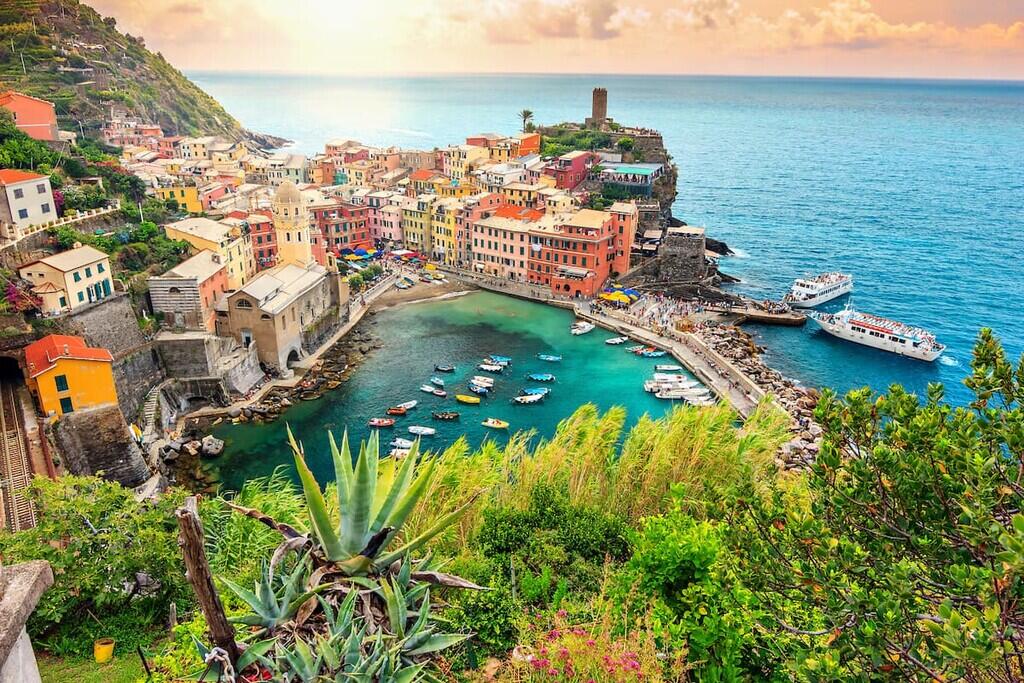
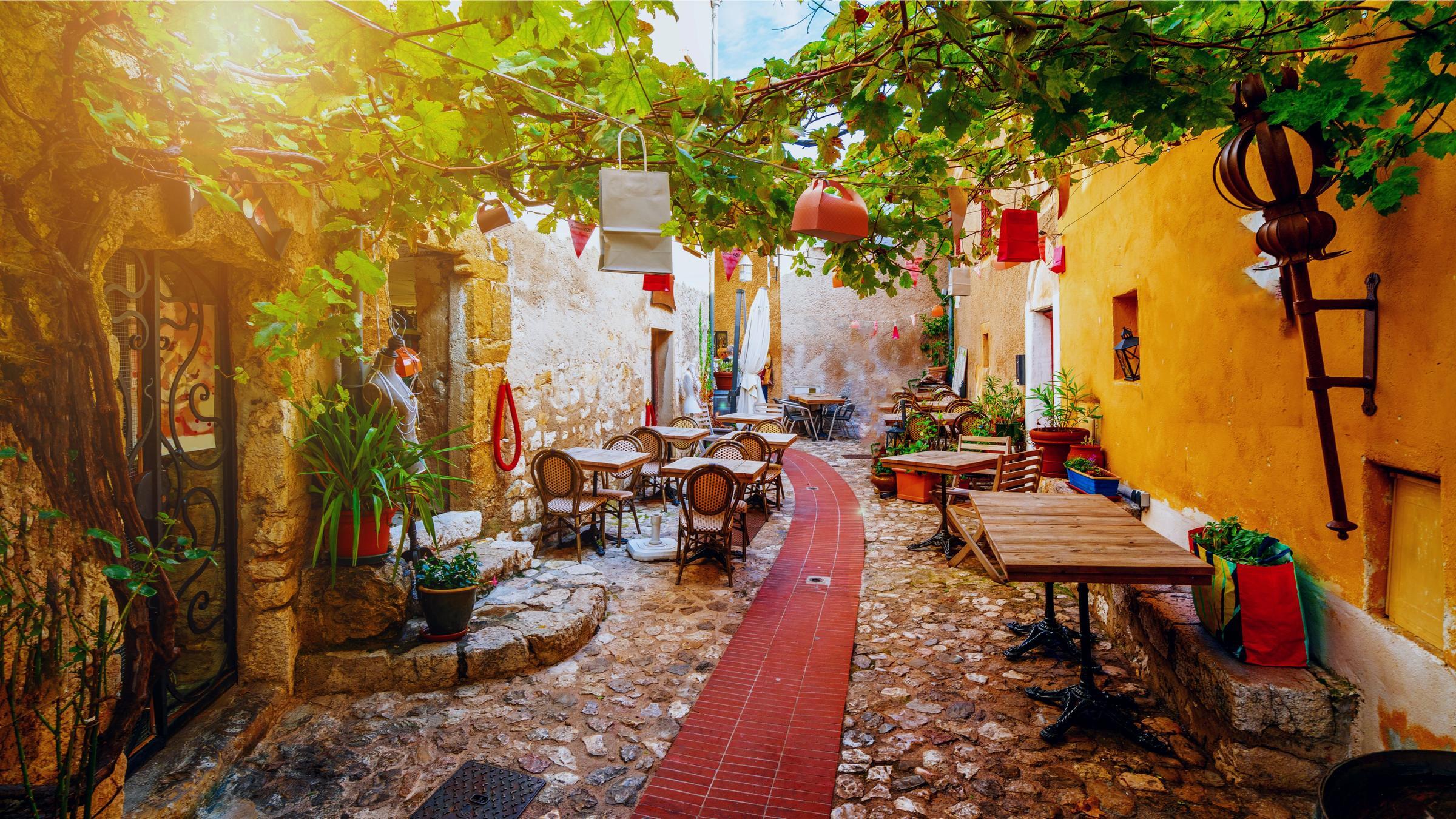
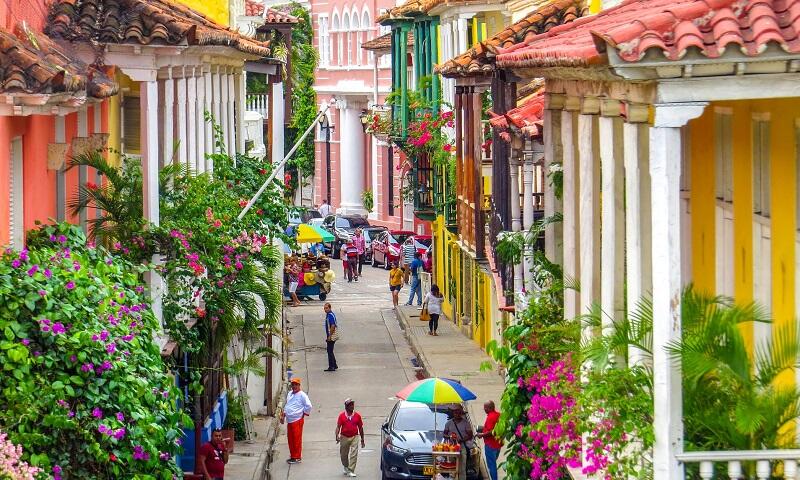
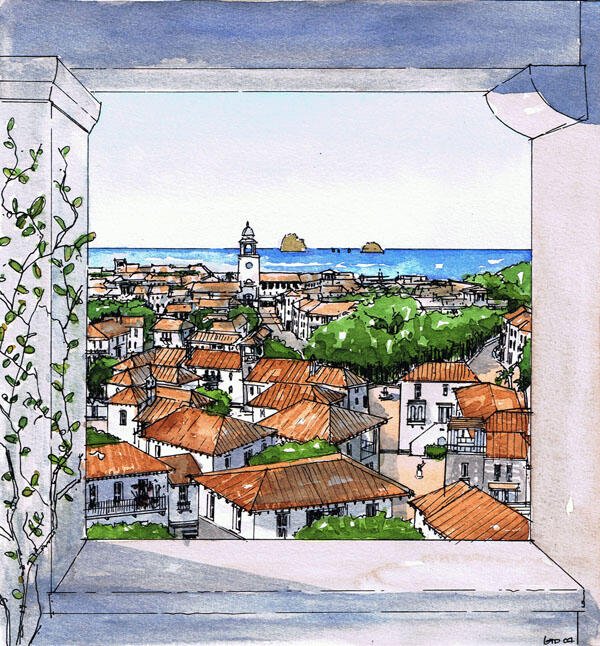
Las Catalinas was inspired by the architects' favorite towns — like Cinque Terre 🇮🇹, Eze 🇫🇷, and Cartagena 🇨🇴.

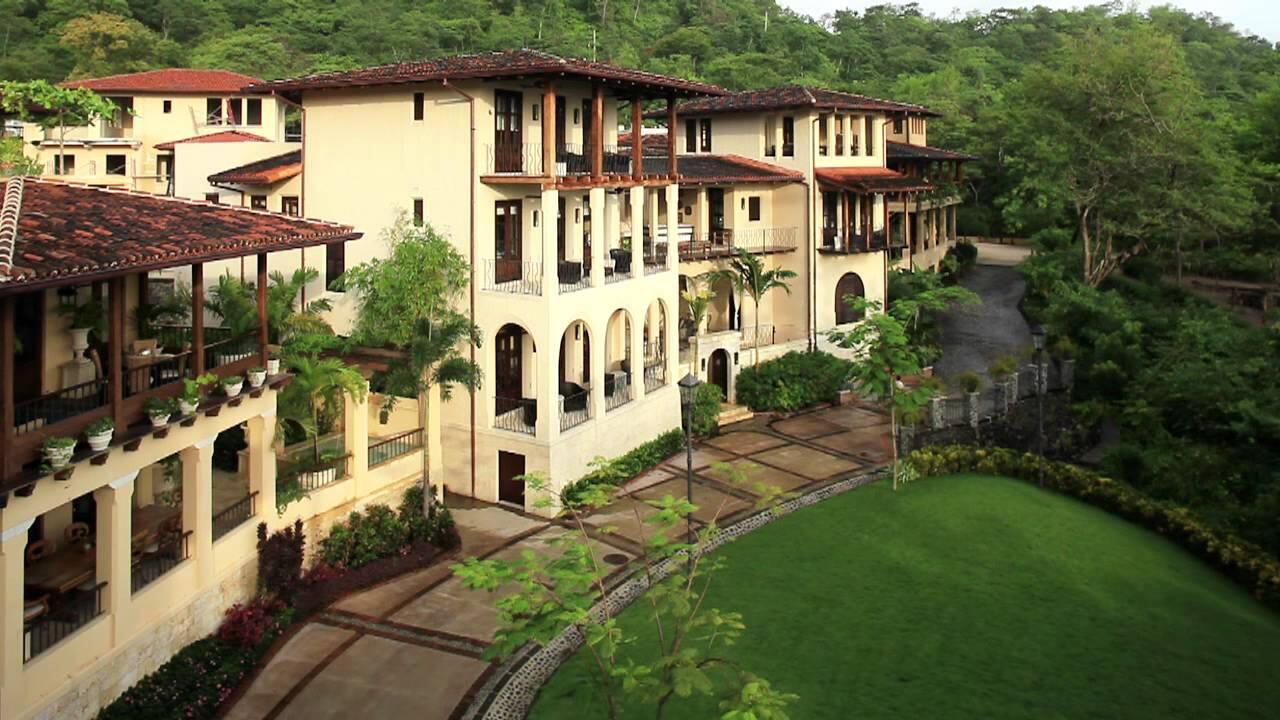
However, it was primarily built using local materials: *cantera* (a volcanic rock), Nicaraguan brick, Guanacaste stone, river stone pebbles, and concrete.

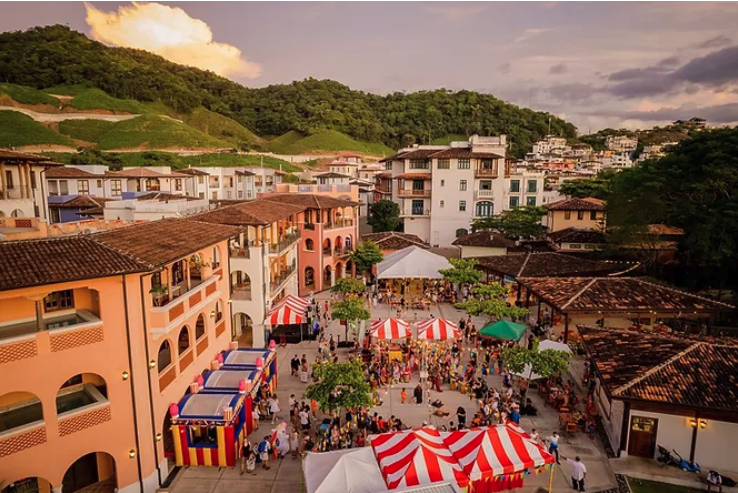
After 16 years, "Beach Town" was finally inaugurated in 2023 🎉

The neighborhood is the starting point for this "generative urbanism" experiment.

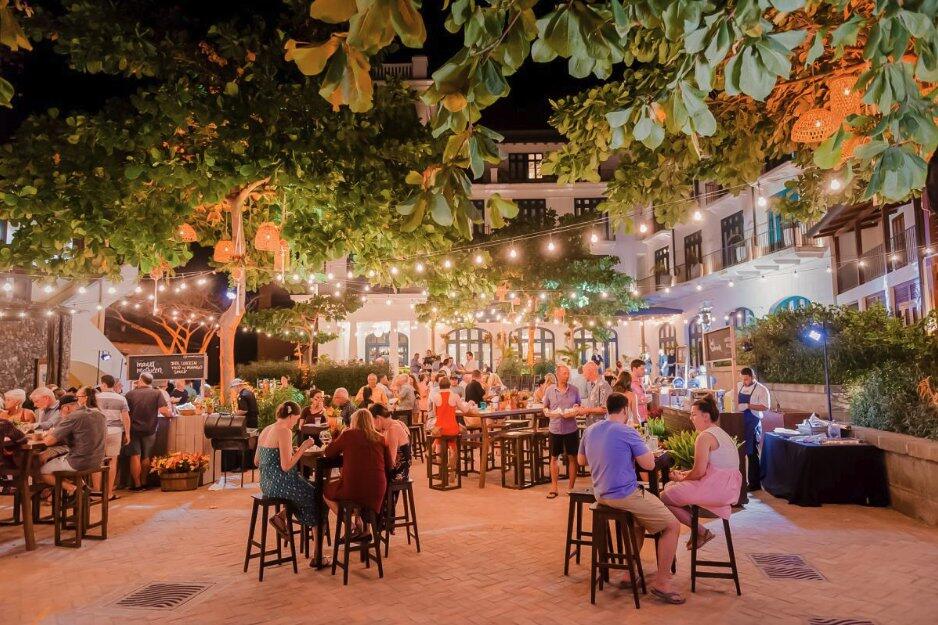
It features around 150 homes, some hotels, restaurants, shops, and commercial buildings.

But perhaps even more interesting are the SURROUNDINGS 👀.

The city provides access to two beaches (one with darker sand, the other with lighter sand).

It is surrounded by 50 kilometers of hiking trails and mountain bike paths 🚴‍♂️.

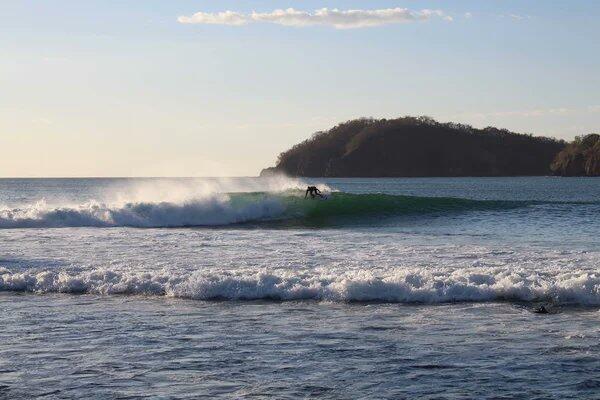
The main beach, "Danta," has no waves for surfing.

However, just 20 minutes away, you’ll find the left break of Playa Flamingo 🦩.

🇨🇷 Las Catalinas still has fewer than 1,000 residents.

But it's impressive to see how far it has come.

What was a utopian design 16 years ago... is now, at the very least, a thriving community.

When you open source what you’re building as a for-profit company, you’re declaring that you’re willing to compete in a commoditized environment. Meaning that you’re confident your products/services can win on brand, operations, team, cost, UX, etc. It means you believe ideas are a dime-a-dozen and action/implementation is what matters.

It’s a fucking badass declaration. And a one way trip in my opinion. Something your company should DIE by if that’s the way the dice go.

That being said, I think you should still use the MPL to ATTEMPT to enforce keeping it open source and protect the community at large. Change my mind.

GM from New Hampshire

“Live Free or Die”

Love these license plates 🤙🏼