
the variation of “subtrees” #[3] talks about above is basically a long lived branch that contains many smaller (branch, pr, squash merge) units. once the subtree is complete it’s merged into the main tree. this additional layer allows development to effectively scale horizontally.

big if tru…
wow
I can empathize with that. here’s my opinionated guide to git. this pattern is common in large OSS projects as well as big tech:
- read up on and practice using “conventional commits”. this will help focus commits into isolated units of work
- read up on and practice using “feature branches”. this will allow you to group your tidy commits into an isolated branch. feature branches should introduce one feature/change/fix. eg “add login support” or “fix bug x”.
- submit a pull request for the feature branch
- after review is complete and changes are ready to merge, squash all the commits into a single commit, then merge. this keeps the main branch’s commit log clean and readable
this is the basic workflow I’ve followed and introduced to teams I work on. there are lots of variations at each of these steps, but it’s a good place to start.

🔥 git illiteracy is wide spread among professional devs. it’s worth learning how to use git effectively and as a bonus makes you look like a ninja
#runningnostr 

sir, this is a proof of work system



I crashed straight off initial install of 1.1.0. never had a chance to get prompted for anything

SYN
good morning, who is paying these transaction fees?
for tear in $tears ; do spam nostr ; done
the fact that bluesky doesn’t have a basic reader view without invite is extremely off putting.


I do this program every year! #runningnostr

stay humble and stack mempool transactions
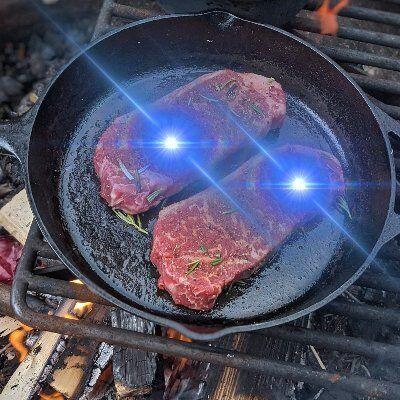

walnut in the bottom? what else?
I think it’s exponential for each char. idk how many zeros are in my npub but it took a couple days on 16cores
should we just submit that nostr-media-spec #[6] started months ago as a NIP?
this is how it works today for nostrimg and nostr build