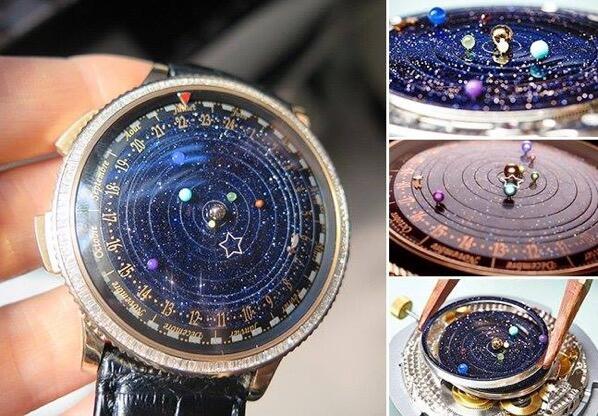
“Redefine all those blues…” ~Taylor Swift🔥🍯
https://music.apple.com/us/album/honey/1838810949?i=1838810963

“Creativity is magic. Don’t examine it too closely.” ~Edward Albee

Hi ☺️
“I made my song a coat
Covered with embroideries
Out of old mythologies
From heel to throat;
But the fools caught it,
Wore it in the world’s eyes
As though they’d wrought it.
Song, let them take it
For there’s more enterprise
In walking naked.”
~William Butler Yeats
https://www.poetryfoundation.org/poetrymagazine/poems/12893/a-coat

Happy Heavenly Birthday Lee Miller 💙🙏🏻 https://images.leemiller.co.uk/media/Xqw1i2ifbu9YmeMkVHohWg..a?ts=ugCo5GekXviuLp-WyfLFTBEUi9_nscTayRVI0ZPNKuM.a
Hope all is well 🪽

Have a good one Nostr… getting started on some holiday #reading tonight. https://press.princeton.edu/books/hardcover/9780691135199/the-chapter 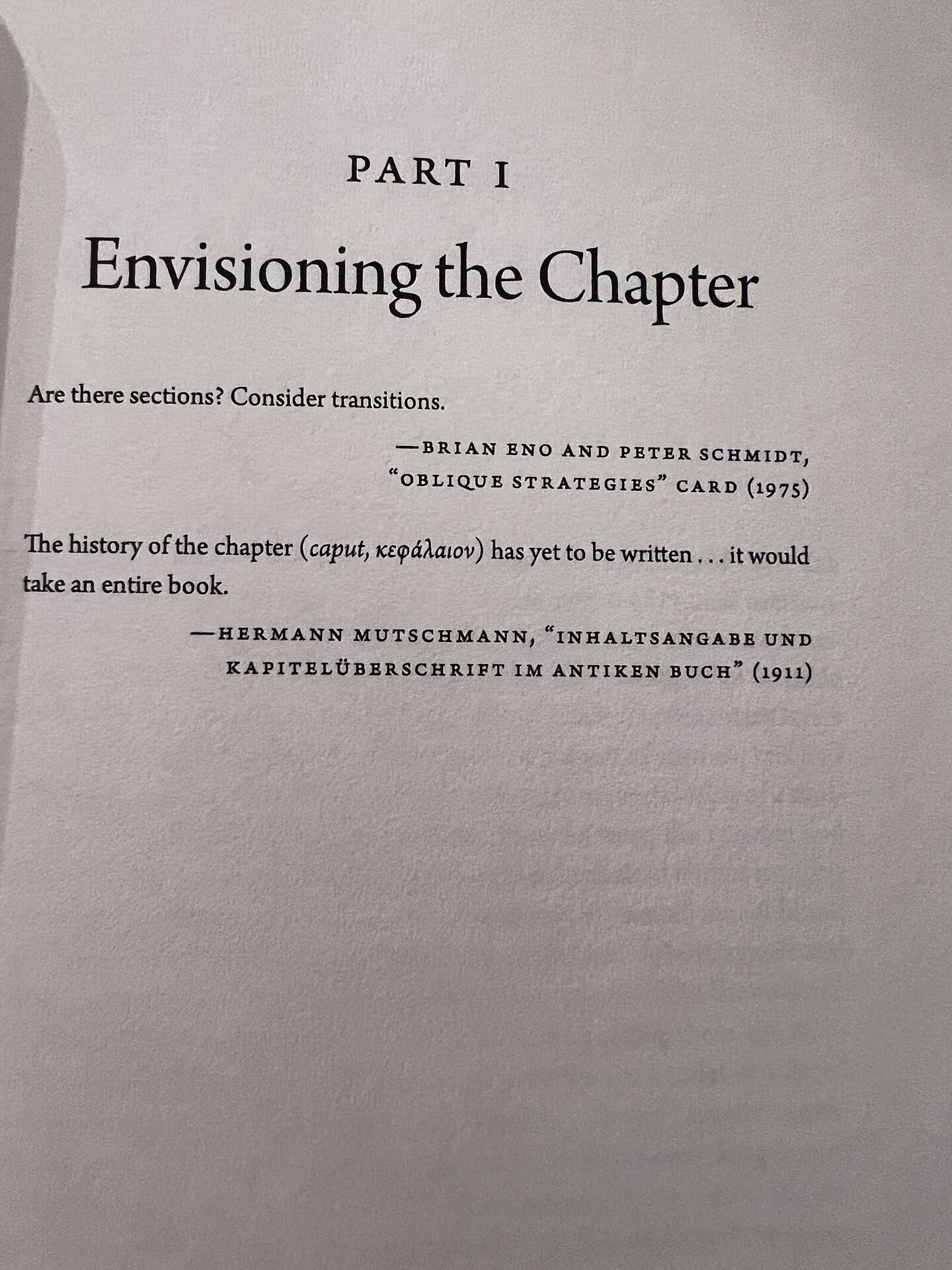


Well stated. Yes— I want to live in a world where people are not afraid to communicate to one another. Stay true to yourself & find a way to speak about the important truths of your being.


And hugs— holidays are not the same without our loved ones 💛
Nice! My son is in his 20’s now— and got his haircut on his own (without me or his dad nagging) for Thanksgiving. However— he is a recent college grad — and will be working this Thursday— but will make it to dinner later. Enjoy your holiday! The kids grow up fast!
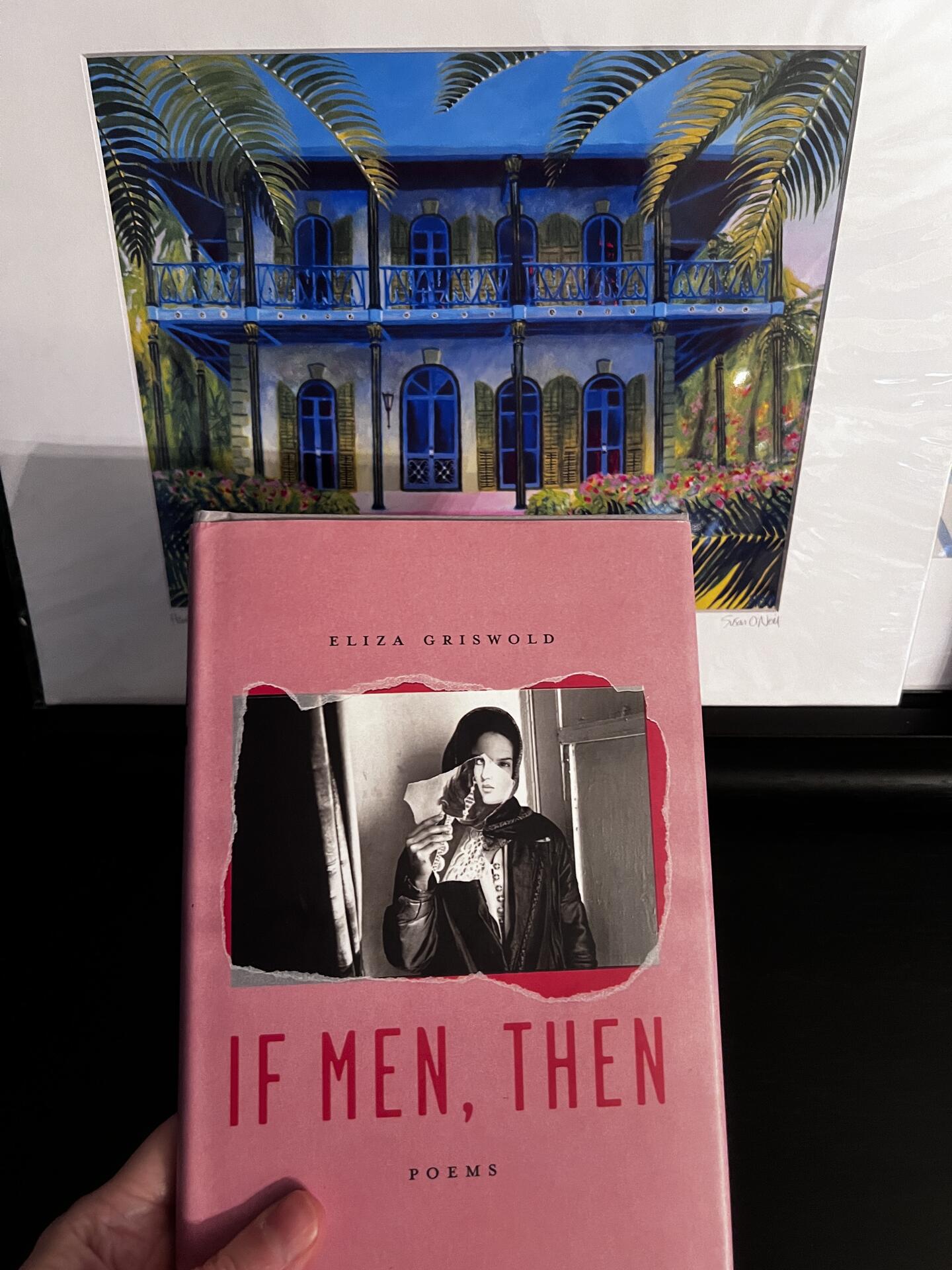
“Eliza Griswold is a poet and reporter whose work has appeared in the New Yorker, the Atlantic, the New York Times Magazine, Harper's, and the New Republic. Her books include the poetry collection Wideawake Field (2007) and the non-fiction title The Tenth Parallel (2010), which examines Christianity and Islam in Asia and Africa. In 2010, Griswold won the Rome Prize from the American Academy in Rome for her poetry, and in 2011, The Tenth Parallel received the Anthony J. Lukas award. A former Nieman Fellow in Journalism at Harvard, Griswold is currently a senior fellow at the New American Foundation, a nonpartisan public policy institute.” https://www.poetryfoundation.org/poets/eliza-griswold
“The first person is often excised from journalism, which is one of Griswold’s many mediums; she recently won a Pulitzer Prize for her book “Amity and Prosperity: One Family and the Fracturing of America,” a work of nonfiction centered on life in a small Appalachian town. She has also written and theorized about the hot zone between the equator and the tenth parallel, and recorded the poetry of Pashtun women in Afghanistan. Where Griswold’s journalism is immersive and adventurous, “First Person” is wry and intimate, sophisticated and all her own—imagining the adventure that is being.”
—Kevin Young #poetry
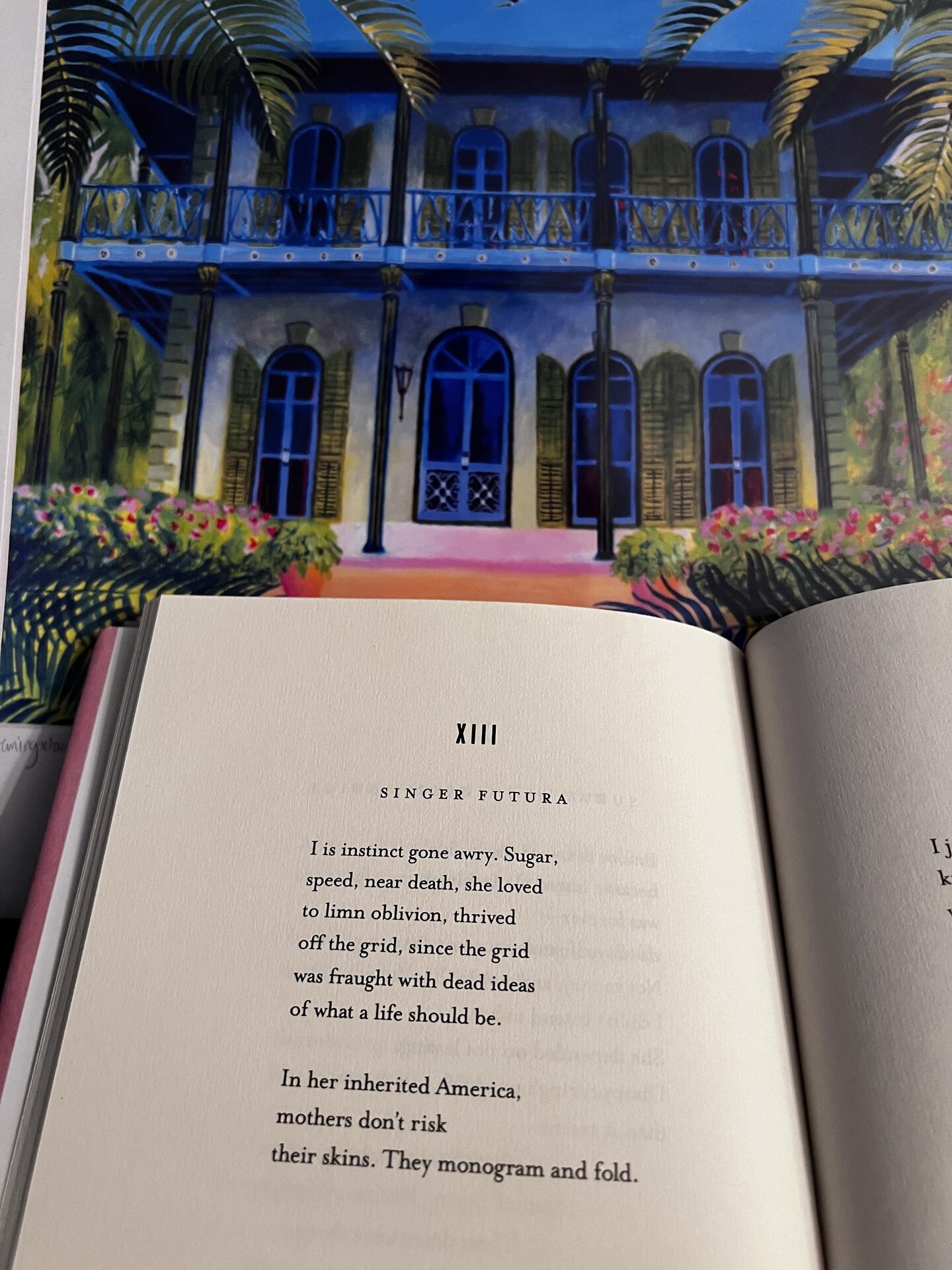
Always loved this poem for the matrix sound.
SINGER FUTURA
I is instinct gone awry.
Sugar, speed, near death, she loved
to limn oblivion, thrived
off the grid, since the grid
was fraught with dead ideas
of what a life should be.
In her inherited America,
mothers don't risk
their skins. They monogram and fold.
~Eliza Griswold
The mysteries of a comma #poetry #poem